
PawVerde.com – Dog waste presents unique challenges for backyard composting due to its potential to harbor harmful pathogens, including the heat-resistant roundworm Toxocara canis. Safely composting dog waste at home requires methods that achieve sustained high temperatures, effective pathogen control, and proper management of carbon-to-nitrogen ratios. Scientific research and practical experience from organizations such as the Fairbanks Soil and Water Conservation District emphasize that using self-contained, turnable compost bins combined with carbon-rich materials like sawdust or straw can support safe decomposition while minimizing odors and pest attraction.
Achieving and maintaining compost temperatures of at least 65°C is critical to destroy pathogens commonly found in pet waste. Conventional backyard compost piles rarely reach these thresholds, which makes specialized composting systems and rigorous temperature monitoring indispensable. Incorporating carbon-rich bulking agents not only balances the nutrient profile for microbial activity but also improves aeration and moisture control, vital for hot composting processes. This article examines six practical dog waste composting methods, explores emerging innovations in compost bin design, and outlines expert-backed safety protocols to ensure effective, environmentally responsible pet waste management in home settings.
Pathogen Risks in Composting Dog Waste
Dog feces commonly contain parasites and bacteria that pose health hazards if improperly managed. Toxocara canis, a roundworm parasite, is particularly concerning because its eggs can survive harsh conditions and remain infectious for extended periods. Unlike typical garden waste, dog waste cannot be composted safely in standard piles without targeted measures due to these persistent pathogens. Studies show that temperatures below 60°C allow Toxocara eggs and other microorganisms such as Salmonella and E. coli to survive, posing risks of soil contamination and zoonotic transmission.
Because of the pathogenic load, regulatory agencies including the Environmental Protection Agency (EPA) recommend against adding pet waste directly to compost used on edible crops without adequate heat treatment. The Fairbanks Soil and Water Conservation District’s research highlights that successful dog waste composting hinges on maintaining thermophilic conditions—sustained temperatures above 65°C for several days. This effectively neutralizes pathogens, rendering the compost safe for use in non-food gardening applications such as ornamental landscaping or soil amendment.
Six Proven Dog Waste Composting Methods
Successfully composting dog waste at home requires controlled conditions that consistently reach pathogen-killing temperatures. The following six methods incorporate best practices endorsed by extension services and scientific research.
Traditional hot composting piles can be adapted for dog waste by isolating the waste in a dedicated, insulated section of the pile. Composters must layer dog feces with ample carbon-rich materials such as chopped leaves or straw to maintain a carbon-to-nitrogen ratio near 25:1, optimizing microbial activity. Turning the pile frequently distributes heat and oxygen, while a long-stemmed thermometer monitors internal temperatures to ensure they exceed 65°C. This method demands careful attention to moisture levels, aeration, and pile size—often a minimum of one cubic meter—to retain sufficient heat.
Compost tumblers provide a self-contained, aerated environment that facilitates temperature control and odor reduction. Their design promotes even heat distribution by enabling regular mixing while limiting exposure to pests. Tumblers equipped with insulated walls and ventilation can maintain thermophilic conditions needed to neutralize dog waste pathogens. Users should mix dog feces with carbon additives like sawdust and monitor temperature daily, turning the tumbler as recommended to sustain heat.
Dedicated compost bins for dog waste, often constructed from durable plastic or wood, prevent leachate runoff and reduce odors. These bins are designed to be airtight yet ventilated, minimizing pest attraction. Incorporating a base drainage system and adding carbon-rich materials improves decomposition and odor control. Consistent temperature monitoring inside these bins is crucial, with many backyard composters employing long-stemmed compost thermometers for accuracy.
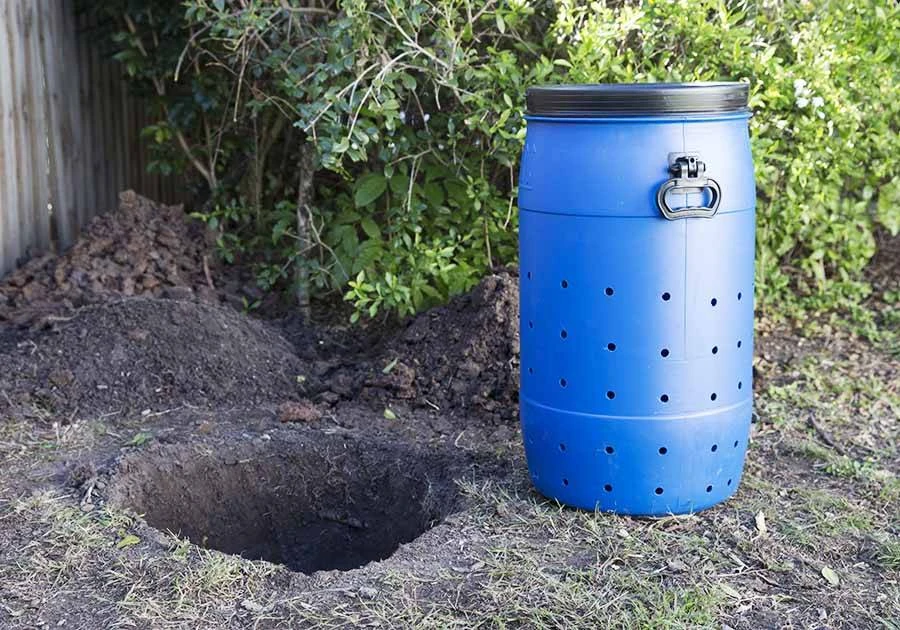
This method involves excavating a pit lined with gravel or drainage material where dog waste is deposited and mixed with carbon sources. While simple, it requires site selection that prevents groundwater contamination and allows natural aeration. Regular covering with soil, leaves, or sawdust reduces odors and pests. Pit composting relies heavily on microbial activity, but without active temperature control, pathogen destruction may be incomplete, so this method is best suited for non-food garden waste applications.
Sawdust, straw, shredded leaves, or wood chips serve as essential carbon-rich bulking agents that balance the nitrogen-heavy dog waste. This balance is critical to maintain microbial respiration rates and heat generation. The carbon materials enhance aeration, absorb excess moisture, and reduce odors commonly associated with pet waste. Composters must finely shred or chop carbon inputs to increase surface area for microbial colonization.
Regardless of the composting system, accurate temperature tracking is fundamental. Long-stemmed thermometers inserted into the core of the compost pile or bin provide real-time data to ensure the compost reaches and sustains pathogen-killing temperatures. Compost piles failing to maintain at least 65°C for several consecutive days require adjustments in aeration, moisture, or carbon-to-nitrogen ratios to improve conditions.
Innovations in Dog Waste Composting Bins
Recent advances in backyard compost bin design focus on usability, safety, and environmental impact. New models integrate insulated panels to help retain heat during colder months and have built-in ventilation systems to regulate airflow without odor leakage. Some incorporate automated tumblers powered by small solar panels to facilitate regular turning without manual labor. Specialized liners resistant to leachate leakage and biofilm formation improve hygiene and prevent soil and water contamination.
Musher cooperatives and pet waste management initiatives in colder climates have trialed compost bins combining vermicomposting (worm-based processing) with traditional hot composting, accelerating decomposition while maintaining pathogen safety. These hybrid systems require precise temperature and moisture management but show promise for efficient backyard dog waste recycling.
Constructing a Dog Waste Composter: Step-by-Step
Homeowners interested in building a dog waste composter should consider the following guidelines drawn from extension service recommendations:
Safety Protocols and Environmental Considerations
Composting dog waste offers environmental benefits by diverting pet waste from landfills and reducing contamination of waterways. However, improper handling can perpetuate pathogen spread and odor nuisances. Covered, turnable compost bins minimize exposure to scavengers and flies, while carbon-rich materials suppress odors by absorbing ammonia and volatile compounds.
Users should avoid applying dog waste compost directly to vegetable gardens or edible plants to prevent zoonotic infections. Instead, it is best suited for ornamental landscaping or soil conditioning. Composters must also be vigilant about runoff management to prevent leachate from contaminating groundwater or surface water.
Research Insights and Expert Guidelines
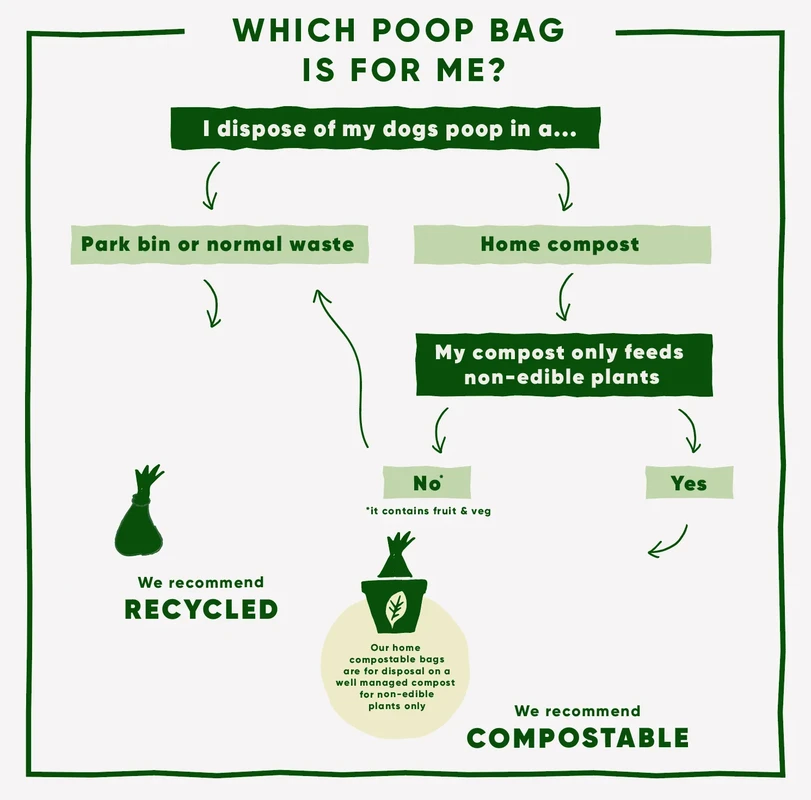
The Fairbanks Soil and Water Conservation District conducted controlled studies demonstrating that dog waste composted in insulated bins with adequate carbon amendment and temperature monitoring achieved pathogen mortality within 7 to 14 days. Their findings reinforce EPA composting guidelines emphasizing a minimum of 65°C sustained temperature to neutralize Toxocara canis eggs and bacterial contaminants.
Extension services recommend combining multiple safety measures: use of self-contained compost bins, frequent turning or tumbling, and carbon material layering. They caution against traditional compost piles for dog waste unless these protocols are strictly followed. The Natural Resources Conservation Service advocates similar standards, highlighting the importance of site selection and environmental safeguards to prevent pollution.
| Composting Method | Pathogen Control Effectiveness | Odor Management | Ease of Use | Environmental Safety |
|---|---|---|---|---|
| Open-Air Hot Composting | High (with temperature control) | Moderate (needs carbon layers) | Moderate (requires manual turning) | Moderate (risk of runoff if unmanaged) |
| Tumbler Composting | High | High (enclosed system) | High (easy turning) | High (contained system) |
| Self-Contained Compost Bins | High | High | Moderate | High |
| Digging Pit Composting | Low to Moderate | Low | High (simple setup) | Low (risk of groundwater contamination) |
Frequently Asked Questions
Can dog waste compost be used in vegetable gardens?
Using composted dog waste on vegetable gardens is discouraged due to the risk of residual pathogens such as Toxocara canis. Even with hot composting, complete pathogen elimination is challenging, so it is safer to apply finished dog waste compost only to ornamentals or non-food plants.
How long does it take to compost dog waste safely?
Hot composting dog waste at temperatures above 65°C generally requires maintaining these conditions for at least 7 to 14 days for pathogen destruction. Additional curing time of several weeks is recommended to stabilize the compost before use.
What carbon materials are best for dog waste composting?
Sawdust, straw, shredded leaves, and wood chips are effective carbon-rich materials. They balance nitrogen from dog waste, enhance aeration, absorb moisture, and control odors, all crucial for efficient hot composting.
Is temperature monitoring necessary in dog waste composting?
Yes. Monitoring with a long-stemmed compost thermometer ensures the compost reaches pathogen-killing temperatures. Without temperature data, there is no assurance that harmful microorganisms have been destroyed.
What are the environmental risks of improper dog waste disposal?
Improper disposal can contaminate soil and water with pathogens and nutrients, causing public health risks and ecosystem imbalances. Composting dog waste using recommended methods reduces these risks by stabilizing organic matter and destroying pathogens.
—
Advances in dog waste composting technology and growing scientific understanding enable responsible pet waste recycling for backyard gardeners. Adoption of insulated, self-contained bins with aeration and temperature control mechanisms offers practical pathways to transform hazardous waste into beneficial soil amendments. Continued research and extension support will refine these practices, promoting sustainable and safe pet waste management aligned with environmental stewardship goals.