
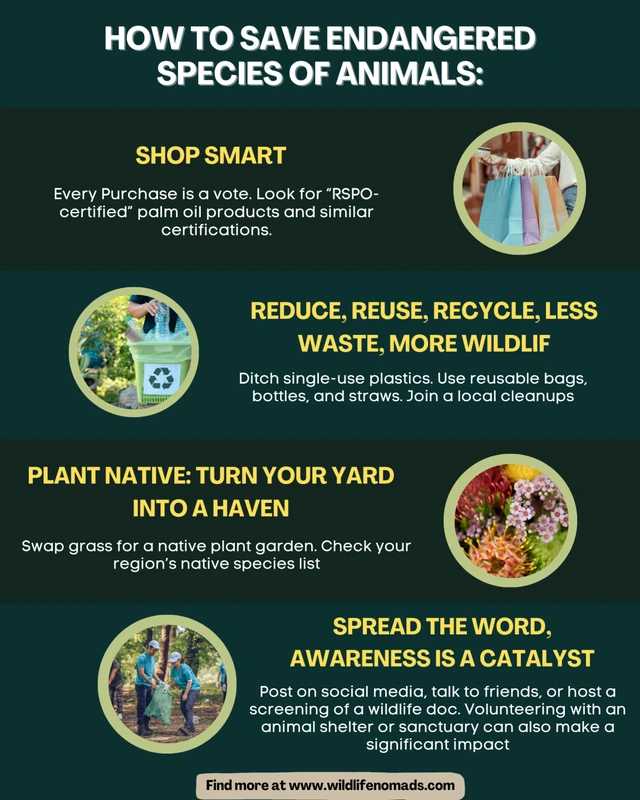
How Pets Boost Local Conservation Through Detection & Habitat Care
PawVerde.com – Pets play an increasingly significant role in local conservation efforts, serving as vital partners in wildlife monitoring, invasive species detection, and habitat restoration. Responsible pet ownership is crucial in these endeavors, as pet behaviors can either support or hinder native ecosystems. Integrating pets into conservation projects not only benefits wildlife but also strengthens community stewardship and ecological awareness.
Conservation detection dogs are among the most impactful examples of pets actively contributing to environmental protection. Specialized training enables these dogs to identify the presence of invasive species or rare wildlife through scent detection, significantly enhancing monitoring efficiency. The New York-New Jersey Trail Conference Conservation Dogs Program exemplifies this approach, deploying trained dogs to locate elusive amphibians and reptiles, thereby providing critical data for habitat restoration initiatives. This program has successfully aided in the management of invasive species such as the emerald ash borer and helped prioritize areas for native plant reforestation, directly influencing conservation outcomes across urban and suburban landscapes.
Beyond detection, pet owners can transform their residential spaces into wildlife-friendly habitats that support biodiversity. By cultivating native plants that provide food and shelter, homeowners create essential resources for local pollinators, birds, and small mammals. Native species such as milkweed for monarch butterflies or native flowering shrubs for bees contribute to urban wildlife conservation by sustaining food webs disrupted by development. Pet owners can enhance these habitats by managing outdoor pet activity responsibly—supervising dogs during garden visits and establishing safe zones that prevent predation on vulnerable wildlife. The adoption of wildlife-friendly gardening practices, including minimizing the use of pesticides and providing natural water sources, further supports ecosystem health while accommodating pets.
Community engagement programs increasingly integrate pets as catalysts for conservation awareness and action. Volunteer opportunities, such as wildlife surveyor initiatives, allow pet owners to participate directly in monitoring efforts, often alongside conservation professionals. Local shelters and fostering programs play a complementary role by addressing pet welfare and reducing abandonment rates, thereby minimizing stray animal impacts on wildlife. Trap-Neuter-Return (TNR) programs specifically target feral cat populations, which pose significant threats to native species through predation. Humane TNR efforts, supported by organizations like the Florida Fish and Wildlife Conservation Commission, have demonstrated success in stabilizing feral cat colonies and reducing their ecological footprint, balancing animal welfare with ecosystem protection.
Ensuring pet safety while advancing conservation goals requires adherence to guidelines that mitigate risks to both pets and wildlife. For instance, in regions with large mammal activity such as bear habitats, pet owners must employ leashes and avoid outdoor unsupervised access to prevent dangerous encounters. Training pets to minimize stress and disruptive behaviors in natural settings enhances coexistence and reduces environmental disturbance. Legal frameworks, including state statutes and local ordinances, govern responsible pet management in conservation zones, with enforcement mechanisms supporting compliance. These regulations often emphasize leash laws, wildlife harassment prohibitions, and habitat preservation mandates, underscoring the shared responsibility between pet owners and conservation authorities.
Conservation partnerships that involve pets extend to collaborative initiatives led by zoos and nonprofit organizations. The Jacksonville Zoo, for example, supports field research by deploying conservation dogs to detect invasive plants threatening native habitats. Such partnerships facilitate ecotourism projects that engage local communities, generating economic incentives aligned with biodiversity conservation. These integrated approaches have produced measurable improvements in ecosystem resilience, including increased populations of native pollinators and reduced spread of invasive species. The long-term benefits of these programs highlight the potential for pets to serve as agents of positive environmental change when coordinated with scientific expertise and community participation.
| Program | Pet Role | Target Species / Issue | Outcome |
|---|---|---|---|
| New York-New Jersey Trail Conference Conservation Dogs | Detection dogs trained for scent tracking | Amphibians, reptiles, invasive insects | Improved habitat mapping and invasive species control |
| Trap-Neuter-Return (TNR) Programs | Community-managed feral cat populations | Feral cats impacting native birds and small mammals | Reduced feral cat numbers; stabilized colonies |
| Jacksonville Zoo Conservation Dogs | Detection dogs for invasive plant species | Non-native invasive flora | Targeted removal aiding native plant recovery |
| Community Wildlife-Friendly Gardening | Pet owners managing gardens and pet activity | Pollinators, birds, small mammals | Enhanced urban wildlife habitat and biodiversity |
Integrating pets into conservation efforts requires a multifaceted approach that balances ecological needs with animal welfare. Conservation detection dogs exemplify the specialized expertise pets can provide in fieldwork, while community-driven wildlife-friendly gardening and TNR programs highlight grassroots engagement. Pet owners serve as stewards of their local environments by adopting responsible behaviors that reduce ecological disturbance and support native species. Legal and educational frameworks play critical roles in guiding these activities, ensuring that conservation goals align with pet safety and public interest.
Ongoing research underscores the importance of maintaining native vegetation in urban landscapes to support wildlife populations affected by habitat fragmentation. Conservation organizations recommend prioritizing plant species that sustain key pollinators and provide cover for small mammals vulnerable to predation by free-roaming pets. Moreover, pet involvement in monitoring invasive species has contributed to early detection and rapid response efforts, mitigating long-term ecological damage. These synergies between pet ownership and conservation illustrate evolving models of community-based environmental stewardship.
Looking ahead, expanding partnerships between conservation groups, local communities, and pet owners offers promising avenues for enhancing biodiversity and ecosystem services. Innovations in training detection dogs, advancements in humane feral animal management, and the proliferation of wildlife-friendly gardening education are expected to deepen pet contributions to conservation. Encouraging pet owners to participate in citizen science and volunteer programs will further embed pets as active agents of ecological health. Ultimately, fostering a culture of coexistence and stewardship through pets supports resilient ecosystems and enriched human-nature connections.
FAQ
How do conservation dogs assist in invasive species detection?
Conservation dogs undergo specialized training to identify the scents of invasive plants, insects, or wildlife, enabling rapid and efficient location of these species in habitats. Their scent detection capabilities allow conservationists to monitor ecosystems more effectively, leading to targeted removal efforts that protect native biodiversity.
What are the best practices for pet owners to create wildlife-friendly gardens?
Pet owners should select native plants that provide food and shelter for local wildlife, avoid pesticides, and create water sources such as birdbaths. Managing pets by supervising outdoor time and establishing pet-free zones within the garden helps protect vulnerable species from predation or disturbance.
How do Trap-Neuter-Return programs benefit local ecosystems?
TNR programs humanely control feral cat populations by trapping, sterilizing, and returning cats to their colonies. This reduces reproduction rates and limits predation on native birds and small mammals, balancing animal welfare concerns with ecosystem protection.
What legal considerations should pet owners be aware of when engaging in conservation activities?
Pet owners must comply with local leash laws, wildlife protection regulations, and habitat conservation statutes. These laws prevent disturbances to wildlife, reduce risks to pets, and support broader conservation objectives. Awareness and adherence to these frameworks are essential for responsible pet involvement.
Can pets contribute to conservation education and community engagement?
Yes, pets serve as effective ambassadors in community programs that raise awareness about wildlife protection. Volunteer opportunities involving pets, including surveyor roles and educational outreach, foster stewardship and connect communities to local conservation efforts.

How Pets Drive Environmental Advocacy and Sustainability Efforts
PawVerde.com – Pets increasingly influence environmental advocacy through their direct and indirect impacts on ecosystems, resource consumption, and conservation efforts. As the global pet population grows, so does the ecological footprint of pet food production, waste generation, and daily care practices. Simultaneously, innovative approaches in sustainable pet ownership and the specialized role of conservation detection dogs bolster biodiversity protection and environmental monitoring. Understanding how pets intersect with sustainability requires examining their resource demands, the environmental ramifications of livestock linked to pet food supply chains, and emerging practices that mitigate negative effects while promoting ecological stewardship.
Environmental Impact of Pets
The pet food industry significantly contributes to resource consumption and greenhouse gas emissions, with meat-based diets for dogs and cats accounting for a notable share of environmental burdens. Research estimates that pet food production generates approximately 1.1 to 1.7 million tonnes of greenhouse gases annually, largely due to the reliance on animal protein sources. Overfeeding pets exacerbates this footprint by increasing demand for raw materials and waste output. Typical household pets require substantial water, land, and energy inputs, indirectly influencing agricultural emissions, deforestation, and biodiversity loss.
Waste management presents additional challenges. Non-biodegradable pet waste bags contribute to plastic pollution, while pet feces improperly disposed of can contaminate waterways with pathogens and nutrients that disrupt aquatic ecosystems. Studies quantify that pet waste accounts for a significant fraction of urban nitrogen and phosphorus pollution, intensifying eutrophication risks. Carbon footprints for common pets vary widely; for example, an average dog’s annual emissions may reach the equivalent of 400 to 800 kilograms of CO2, depending on diet and care routines.
Sustainable Pet Ownership Practices
Mitigating environmental impacts begins with responsible feeding strategies. Transitioning to lower-meat or plant-based pet diets where nutritionally feasible reduces reliance on high-emission livestock products. Portion control prevents resource waste and obesity-related health issues. Sustainable pet food brands increasingly utilize insect protein, by-products, and regenerative agriculture ingredients to lower carbon and water footprints.
Eco-friendly pet products further diminish environmental strain. Biodegradable waste bags derived from plant materials dissolve more rapidly in landfills and reduce microplastic accumulation. Organic grooming supplies minimize chemical runoff into waterways and avoid synthetic additives harmful to aquatic life. Water conservation in pet care is enhanced through low-flow bathing systems and mindful cleaning practices.
Pet care services embracing green principles apply water-efficient equipment, use non-toxic cleaning agents, and implement waste recycling programs. Such practices collectively reduce chemical runoff, energy consumption, and landfill contributions, aligning pet ownership with broader environmental goals.
Conservation Detection Dogs in Environmental Advocacy
Conservation detection dogs represent an innovative intersection of pet roles and environmental stewardship. Trained to locate specific wildlife species, invasive plants, or hazardous contaminants by scent, these dogs provide invaluable data for biodiversity monitoring and habitat protection. Their heightened olfactory capabilities enable detection of elusive or cryptic species, facilitating more accurate population assessments and early intervention in ecosystem threats.
Case studies illustrate conservation detection dogs’ success in identifying rare amphibians in wetlands, detecting invasive insects threatening crops, and locating toxic pollutants such as heavy metals or pesticides. Training programs emphasize positive reinforcement and species-specific scent imprinting, ensuring dogs remain motivated and effective in field conditions. Organizations like K9 Conservationists have documented improved survey efficiency and reduced human disturbance thanks to canine involvement.
The integration of conservation detection dogs into environmental projects exemplifies how companion animals extend their impact beyond households into global sustainability initiatives, bridging pet care and conservation science.
Animal Health and Sustainability in Livestock
Animal health directly influences environmental sustainability in livestock farming, a critical component of the pet food supply chain. Healthier animals convert feed more efficiently, reducing methane emissions per unit of product and lowering overall resource use. Innovations in veterinary vaccines against diseases such as bovine respiratory infections and parasitic infestations enhance productivity and animal welfare simultaneously.
Feed supplements designed to decrease enteric methane production have shown promising results in trials. For instance, additives like 3-nitrooxypropanol (3-NOP) inhibit methanogenesis in ruminants, potentially cutting emissions by up to 30%. Sustainable livestock management practices, including rotational grazing and integrated crop-livestock systems, support soil health and carbon sequestration, mitigating agriculture’s environmental footprint.
The World Bank’s climate-smart livestock projects focus on these innovations, promoting renewable energy usage, improved animal genetics, and waste-to-energy technologies to optimize emissions reduction. Such initiatives underscore the interconnectedness of animal health, environmental performance, and food security.
Industry and Global Initiatives
The global pet food and care industry is progressively adopting sustainable manufacturing and supply chain practices. Major corporations invest in sourcing certified sustainable ingredients, reducing packaging waste, and minimizing energy consumption in production facilities. The rise of eco-labeled pet products reflects consumer demand for transparency and environmental responsibility.
International organizations collaborate on frameworks that emphasize animal welfare as a component of sustainability. Improved welfare standards correlate with resource efficiency, as stress and illness increase feed conversion inefficiencies and emissions. Policies incentivize adoption of biodegradable materials, renewable energy, and circular economy principles within the pet product sector.
Global entities like the World Bank facilitate knowledge transfer and financial support for climate-smart livestock systems, integrating sustainability into agricultural development plans. These coordinated efforts aim to balance economic growth, environmental protection, and social welfare in animal-related industries.
Future Directions and Implications
Emerging trends indicate a growing convergence of pet ownership, conservation science, and sustainable agriculture. Advancements in alternative protein sources, such as cultured meat and insect-based pet foods, promise to further reduce environmental impacts. Enhanced training methodologies for detection dogs and broader deployment in ecological monitoring could amplify conservation outcomes.
Pet owners’ increasing environmental awareness is driving demand for green pet care services and products, pressuring industries to innovate responsibly. Policymakers face opportunities to support sustainable pet ownership through regulations incentivizing eco-friendly practices and funding research on environmental impacts.
The integration of animal welfare, health, and sustainability presents a holistic framework for reducing the ecological footprint of pets and livestock alike. Collaborative efforts among pet owners, researchers, industry stakeholders, and global organizations will be essential to achieving meaningful progress in environmental advocacy through responsible pet care.
| Aspect | Environmental Challenge | Sustainable Solutions |
|---|---|---|
| Pet Food Production | High greenhouse gas emissions, resource-intensive animal protein use | Lower-meat diets, insect protein, regenerative agriculture sourcing |
| Pet Waste Management | Plastic pollution, nutrient runoff, pathogen contamination | Biodegradable waste bags, composting, responsible disposal |
| Livestock Farming | Methane emissions, inefficient feed conversion, disease impacts | Vaccines, methane inhibitors, rotational grazing, renewable energy |
| Pet Care Services | Water use, chemical runoff, energy consumption | Water-efficient equipment, organic products, waste recycling |
| Conservation Detection Dogs | Limited biodiversity data, invasive species, pollutant detection | Specialized training, field deployment, biodiversity monitoring |
FAQ
How do pets contribute to environmental sustainability?
Pets contribute through responsible feeding practices, use of eco-friendly products, and participation in conservation efforts such as detection dogs aiding biodiversity monitoring.
What is the environmental impact of pet food?
Pet food, especially meat-based diets, accounts for significant greenhouse gas emissions and resource consumption, with overfeeding exacerbating these effects.
What role do conservation detection dogs play in environmental advocacy?
conservation detection dogs locate wildlife, invasive species, and environmental contaminants, providing critical data for biodiversity protection and ecosystem health.
How does animal health in livestock farming affect sustainability?
Improved animal health enhances feed efficiency and productivity, reducing methane emissions and resource use, thereby lowering the environmental footprint of livestock.
What are some sustainable pet ownership practices?
Feeding appropriate portions, choosing lower-impact diets, using biodegradable waste bags, selecting organic grooming products, and supporting green pet care services reduce ecological impacts.