
PawVerde.com – Pets play an increasingly significant role in local conservation efforts, serving as vital partners in wildlife monitoring, invasive species detection, and habitat restoration. Responsible pet ownership is crucial in these endeavors, as pet behaviors can either support or hinder native ecosystems. Integrating pets into conservation projects not only benefits wildlife but also strengthens community stewardship and ecological awareness.
Conservation detection dogs are among the most impactful examples of pets actively contributing to environmental protection. Specialized training enables these dogs to identify the presence of invasive species or rare wildlife through scent detection, significantly enhancing monitoring efficiency. The New York-New Jersey Trail Conference Conservation Dogs Program exemplifies this approach, deploying trained dogs to locate elusive amphibians and reptiles, thereby providing critical data for habitat restoration initiatives. This program has successfully aided in the management of invasive species such as the emerald ash borer and helped prioritize areas for native plant reforestation, directly influencing conservation outcomes across urban and suburban landscapes.
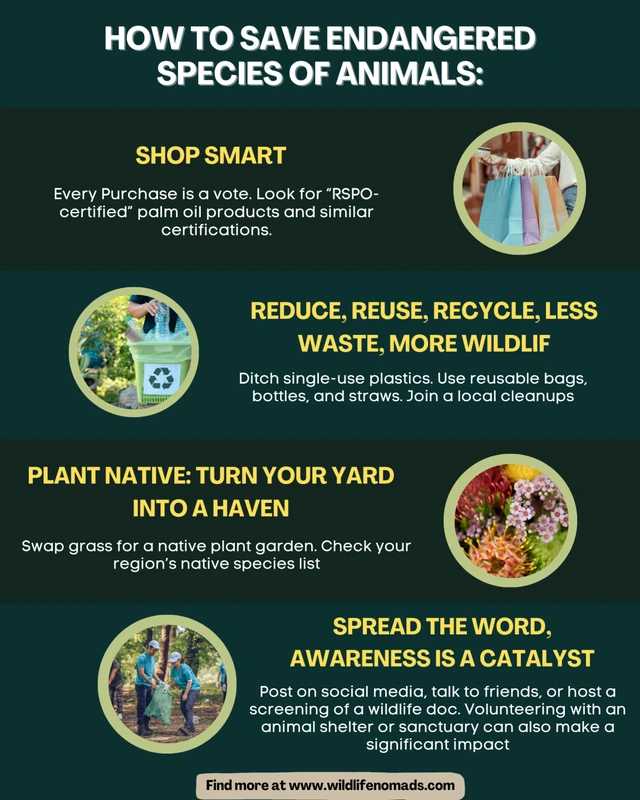
Beyond detection, pet owners can transform their residential spaces into wildlife-friendly habitats that support biodiversity. By cultivating native plants that provide food and shelter, homeowners create essential resources for local pollinators, birds, and small mammals. Native species such as milkweed for monarch butterflies or native flowering shrubs for bees contribute to urban wildlife conservation by sustaining food webs disrupted by development. Pet owners can enhance these habitats by managing outdoor pet activity responsibly—supervising dogs during garden visits and establishing safe zones that prevent predation on vulnerable wildlife. The adoption of wildlife-friendly gardening practices, including minimizing the use of pesticides and providing natural water sources, further supports ecosystem health while accommodating pets.
Community engagement programs increasingly integrate pets as catalysts for conservation awareness and action. Volunteer opportunities, such as wildlife surveyor initiatives, allow pet owners to participate directly in monitoring efforts, often alongside conservation professionals. Local shelters and fostering programs play a complementary role by addressing pet welfare and reducing abandonment rates, thereby minimizing stray animal impacts on wildlife. Trap-Neuter-Return (TNR) programs specifically target feral cat populations, which pose significant threats to native species through predation. Humane TNR efforts, supported by organizations like the Florida Fish and Wildlife Conservation Commission, have demonstrated success in stabilizing feral cat colonies and reducing their ecological footprint, balancing animal welfare with ecosystem protection.
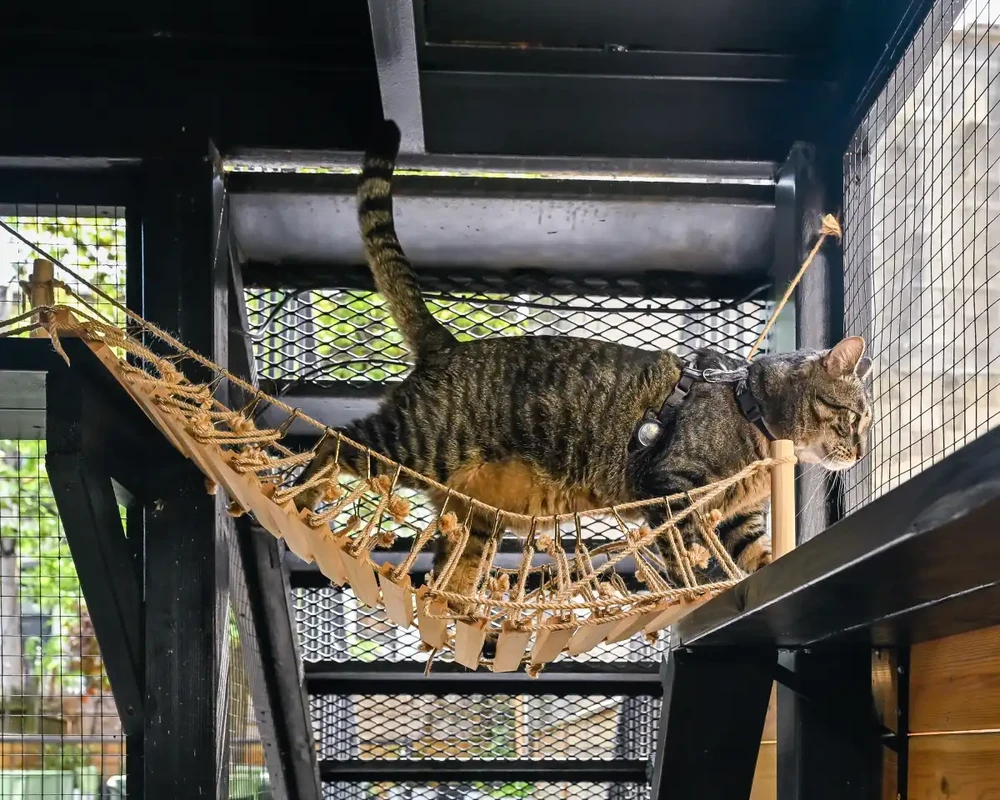
Ensuring pet safety while advancing conservation goals requires adherence to guidelines that mitigate risks to both pets and wildlife. For instance, in regions with large mammal activity such as bear habitats, pet owners must employ leashes and avoid outdoor unsupervised access to prevent dangerous encounters. Training pets to minimize stress and disruptive behaviors in natural settings enhances coexistence and reduces environmental disturbance. Legal frameworks, including state statutes and local ordinances, govern responsible pet management in conservation zones, with enforcement mechanisms supporting compliance. These regulations often emphasize leash laws, wildlife harassment prohibitions, and habitat preservation mandates, underscoring the shared responsibility between pet owners and conservation authorities.
Conservation partnerships that involve pets extend to collaborative initiatives led by zoos and nonprofit organizations. The Jacksonville Zoo, for example, supports field research by deploying conservation dogs to detect invasive plants threatening native habitats. Such partnerships facilitate ecotourism projects that engage local communities, generating economic incentives aligned with biodiversity conservation. These integrated approaches have produced measurable improvements in ecosystem resilience, including increased populations of native pollinators and reduced spread of invasive species. The long-term benefits of these programs highlight the potential for pets to serve as agents of positive environmental change when coordinated with scientific expertise and community participation.
| Program | Pet Role | Target Species / Issue | Outcome |
|---|---|---|---|
| New York-New Jersey Trail Conference Conservation Dogs | Detection dogs trained for scent tracking | Amphibians, reptiles, invasive insects | Improved habitat mapping and invasive species control |
| Trap-Neuter-Return (TNR) Programs | Community-managed feral cat populations | Feral cats impacting native birds and small mammals | Reduced feral cat numbers; stabilized colonies |
| Jacksonville Zoo Conservation Dogs | Detection dogs for invasive plant species | Non-native invasive flora | Targeted removal aiding native plant recovery |
| Community Wildlife-Friendly Gardening | Pet owners managing gardens and pet activity | Pollinators, birds, small mammals | Enhanced urban wildlife habitat and biodiversity |
Integrating pets into conservation efforts requires a multifaceted approach that balances ecological needs with animal welfare. Conservation detection dogs exemplify the specialized expertise pets can provide in fieldwork, while community-driven wildlife-friendly gardening and TNR programs highlight grassroots engagement. Pet owners serve as stewards of their local environments by adopting responsible behaviors that reduce ecological disturbance and support native species. Legal and educational frameworks play critical roles in guiding these activities, ensuring that conservation goals align with pet safety and public interest.
Ongoing research underscores the importance of maintaining native vegetation in urban landscapes to support wildlife populations affected by habitat fragmentation. Conservation organizations recommend prioritizing plant species that sustain key pollinators and provide cover for small mammals vulnerable to predation by free-roaming pets. Moreover, pet involvement in monitoring invasive species has contributed to early detection and rapid response efforts, mitigating long-term ecological damage. These synergies between pet ownership and conservation illustrate evolving models of community-based environmental stewardship.
Looking ahead, expanding partnerships between conservation groups, local communities, and pet owners offers promising avenues for enhancing biodiversity and ecosystem services. Innovations in training detection dogs, advancements in humane feral animal management, and the proliferation of wildlife-friendly gardening education are expected to deepen pet contributions to conservation. Encouraging pet owners to participate in citizen science and volunteer programs will further embed pets as active agents of ecological health. Ultimately, fostering a culture of coexistence and stewardship through pets supports resilient ecosystems and enriched human-nature connections.
FAQ
How do conservation dogs assist in invasive species detection?
Conservation dogs undergo specialized training to identify the scents of invasive plants, insects, or wildlife, enabling rapid and efficient location of these species in habitats. Their scent detection capabilities allow conservationists to monitor ecosystems more effectively, leading to targeted removal efforts that protect native biodiversity.
What are the best practices for pet owners to create wildlife-friendly gardens?
Pet owners should select native plants that provide food and shelter for local wildlife, avoid pesticides, and create water sources such as birdbaths. Managing pets by supervising outdoor time and establishing pet-free zones within the garden helps protect vulnerable species from predation or disturbance.
How do Trap-Neuter-Return programs benefit local ecosystems?
TNR programs humanely control feral cat populations by trapping, sterilizing, and returning cats to their colonies. This reduces reproduction rates and limits predation on native birds and small mammals, balancing animal welfare concerns with ecosystem protection.
What legal considerations should pet owners be aware of when engaging in conservation activities?
Pet owners must comply with local leash laws, wildlife protection regulations, and habitat conservation statutes. These laws prevent disturbances to wildlife, reduce risks to pets, and support broader conservation objectives. Awareness and adherence to these frameworks are essential for responsible pet involvement.
Can pets contribute to conservation education and community engagement?
Yes, pets serve as effective ambassadors in community programs that raise awareness about wildlife protection. Volunteer opportunities involving pets, including surveyor roles and educational outreach, foster stewardship and connect communities to local conservation efforts.