

Dog Allergy Treatment Alternatives 2026: Advanced & Natural Options
PawVerde.com – Dog allergy treatment alternatives in 2026 encompass a broad spectrum of options ranging from advanced prescription medications like Cytopoint and cyclosporine to natural supplements such as probiotics and omega-3 fatty acids. Emerging therapies including CBD-based products, allergen-specific immunotherapy, and complementary approaches like acupuncture have gained traction under veterinary guidance. These developments reflect a shift toward personalized and multimodal management strategies that address allergic dermatitis and immune modulation with improved safety profiles and efficacy.
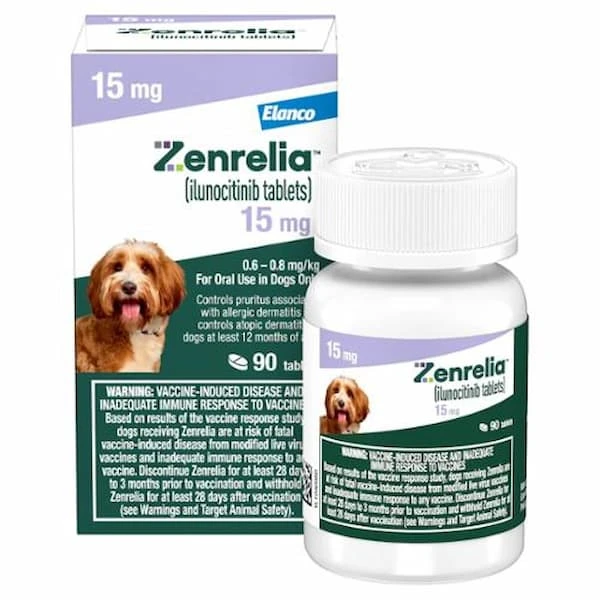
Prescription medications remain foundational for managing canine allergies, particularly for moderate to severe cases. Apoquel, a Janus kinase inhibitor, continues to be widely used for rapid relief of itching and inflammation. However, alternatives such as Cytopoint, an injectable monoclonal antibody targeting interleukin-31, offer long-lasting itch control with fewer systemic side effects. Zenrelia, a newer immunomodulator approved recently, provides an oral treatment option targeting specific inflammatory pathways. Cyclosporine, an immunosuppressive agent, is effective in chronic allergic dermatitis by dampening T-cell activity but requires monitoring due to potential adverse effects.
Corticosteroids including prednisone, prednisolone, and dexamethasone still play a role in acute flare management, but their long-term use is limited by side effects like immunosuppression and metabolic disturbances. Antihistamines such as diphenhydramine, cetirizine, and loratadine are generally safe but show variable efficacy, often insufficient alone for severe allergies. These drugs provide supportive relief, particularly in conjunction with other therapies.
Natural and supplement-based treatments have gained prominence as adjuncts or alternatives for dogs with mild to moderate allergies or those intolerant to pharmaceuticals. Probiotics support gut microbiome health, which modulates systemic immune responses, reducing allergic inflammation. Clinical studies demonstrate that supplementation with specific strains of Lactobacillus and Bifidobacterium can improve skin barrier function and decrease pruritus severity. Omega-3 fatty acids, particularly EPA and DHA derived from fish oil, exert potent anti-inflammatory effects by altering eicosanoid synthesis and cytokine production. Their incorporation into canine diets correlates with decreased reliance on corticosteroids and improved clinical scores in atopic dermatitis.
Antioxidants and herbal supplements such as quercetin, turmeric, and colostrum have demonstrated immunomodulatory and anti-inflammatory properties. Quercetin, a bioflavonoid, stabilizes mast cells to prevent histamine release. Turmeric’s active compound curcumin inhibits nuclear factor-kappa B (NF-κB), reducing cytokine-mediated inflammation. Colostrum contains immunoglobulins and growth factors that enhance mucosal immunity and skin repair. These supplements are often integrated into holistic protocols, though evidence varies and quality control remains critical.
CBD (cannabidiol) and hemp-derived products are emerging as potential treatments for canine allergies, offering anti-inflammatory and analgesic effects with minimal adverse reactions. Veterinary clinical observations report improvements in itching and anxiety related to chronic dermatitis. However, standardized dosing and long-term safety data are still developing, necessitating cautious use under veterinary supervision.
Immunotherapy remains a cornerstone for targeted allergy management. Allergen-specific immunotherapy (ASIT) involves administering gradually increasing doses of identified environmental allergens via injections or sublingual drops to induce immune tolerance. This approach addresses the underlying hypersensitivity rather than merely treating symptoms. Veterinary allergy testing panels, including Nutriscan and intradermal skin tests, facilitate personalized immunotherapy formulations. ASIT requires months to years for full benefit but shows sustained remission in many cases, reducing the need for medications.
Complementary and alternative therapies have expanded as pet owners seek integrative care options. Acupuncture, rooted in Traditional Chinese Medicine (TCM), has shown efficacy in reducing pruritus and skin inflammation by stimulating neurovascular points that modulate immune and nervous system responses. Controlled studies indicate decreased cytokine levels and improved clinical signs after multiple sessions. Herbal remedies, such as those containing licorice root and chamomile, are used to soothe irritated skin and support systemic balance, though veterinary expertise is essential to avoid herb-drug interactions.
Managing environmental factors is critical in allergy control. Identifying and minimizing exposure to pollen, mold, dust mites, and other allergens through regular cleaning, air filtration, and hypoallergenic bedding can significantly reduce flare frequency. Medicated shampoos and wipes containing ingredients like chlorhexidine, oatmeal, and aloe vera help remove allergens from the coat and skin while alleviating itching and secondary infections. Dietary management based on food sensitivity testing aids in excluding offending proteins, preventing gastrointestinal and dermatological reactions.
Veterinary consultation is indispensable for accurate diagnosis and individualized treatment planning. Professionals assess clinical history, perform physical exams, and utilize allergy testing to tailor interventions. The rise of online veterinary services, including telemedicine and prescription platforms, offers increased access to expert care, provided a valid veterinary-client-patient relationship exists. Regulatory frameworks in many regions now permit online prescriptions for allergy medications, enhancing convenience while ensuring safety.
Future trends in dog allergy treatments emphasize personalization and natural product integration. The pet wellness market projects substantial growth in supplement sales, with innovation focusing on microbiome-targeted probiotics, novel botanical extracts, and precision immunotherapies leveraging molecular allergen profiling. Advances in genomic and metabolomic technologies promise to refine allergy phenotyping, enabling bespoke treatment regimens that optimize efficacy and minimize adverse effects.
| Treatment Category | Examples | Mechanism/Benefits | Limitations |
|---|---|---|---|
| Prescription Medications | Apoquel, Cytopoint, Zenrelia, Cyclosporine | Immune modulation; rapid itch relief; systemic inflammation control | Potential side effects; cost; requires veterinary oversight |
| Corticosteroids & Antihistamines | Prednisone, Diphenhydramine, Cetirizine | Anti-inflammatory; histamine receptor blockade | Long-term toxicity; variable efficacy; supportive role |
| Supplements | Probiotics, Omega-3 fatty acids, Quercetin, Turmeric, Colostrum, CBD | Immune support; anti-inflammatory; mast cell stabilization | Variable clinical evidence; dosage standardization challenges |
| Immunotherapy | Allergy shots, Sublingual drops | Induces immune tolerance to specific allergens | Requires long-term commitment; not suitable for all dogs |
| Complementary Therapies | Acupuncture, Herbal remedies | Reduces inflammation and itching via neuroimmune pathways | Limited large-scale clinical trials; needs veterinary guidance |
| Environmental & Lifestyle | Medicated shampoos, Allergy testing, Environmental control | Decreases allergen exposure; improves skin barrier health | Requires consistent management; adjunctive support |
Prescription Medications: Advances and Limitations
Cytopoint has revolutionized canine allergy treatment by targeting interleukin-31, a key itch signaling cytokine. Its injectable format provides relief lasting up to eight weeks, reducing the frequency of administration compared to daily oral medications. Veterinary studies report that over 70% of treated dogs experience significant itch reduction within days, improving quality of life. Zenrelia, approved recently, offers an oral immunomodulating mechanism by selectively inhibiting cytokine pathways involved in allergic inflammation, presenting an alternative for dogs intolerant to injectable therapies.
Cyclosporine remains a valuable option for dogs with chronic allergic dermatitis unresponsive to frontline treatments. Its immunosuppressive action inhibits T-cell activation, decreasing inflammatory cascades. Clinical trials indicate a response rate exceeding 60%, though monitoring for nephrotoxicity and gastrointestinal side effects is mandatory. Corticosteroids, while effective in acute episodes, are now reserved for short-term use due to side effects such as polyuria, polydipsia, and immunosuppression. Antihistamines continue to be adjunctive, helping manage mild cases or seasonal allergies but often require combination with other therapies.
Natural and Supplement-Based Treatments: Mechanistic Insights and Usage
Probiotics’ role in modulating the gut-skin axis addresses allergy pathophysiology by enhancing regulatory T-cell responses and restoring microbiota balance. Strains such as Lactobacillus rhamnosus have demonstrated efficacy in reducing clinical signs of atopic dermatitis in dogs. Omega-3 fatty acids, particularly EPA and DHA, inhibit pro-inflammatory eicosanoid synthesis and cytokine release, mitigating skin inflammation. Supplementation studies reveal a reduction in pruritus scores and decreased reliance on steroids over months of use.
Herbal antioxidants like quercetin stabilize mast cells and prevent histamine release, while curcumin from turmeric inhibits key inflammatory transcription factors. Colostrum supplements provide immunoglobulins and growth factors to support mucosal immunity and skin repair. Despite promising mechanisms, variability in product quality and bioavailability necessitates veterinary involvement when integrating these supplements.
CBD’s anti-inflammatory and anxiolytic properties have attracted attention in veterinary dermatology. Preliminary data suggest improvements in pruritus and skin barrier function, with fewer adverse events compared to corticosteroids. However, standardized dosing regimens and long-term safety profiles remain under study, making veterinary oversight essential.
Immunotherapy: Personalized Allergy Management
Allergen-specific immunotherapy (ASIT) remains the only disease-modifying treatment for canine allergies. By introducing controlled doses of allergens, ASIT reprograms the immune system toward tolerance, reducing hypersensitivity reactions. Veterinary allergy panels identify relevant environmental allergens such as pollen, dust mites, and mold spores, enabling formulation of targeted immunotherapy. Treatment duration typically spans 6 to 12 months before clinical improvement is evident, with maintenance therapy often required indefinitely to sustain remission.
Veterinary supervision ensures accurate diagnosis, monitoring for adverse reactions, and adjustment of immunotherapy protocols. ASIT reduces dependence on symptomatic medications and improves long-term outcomes in approximately 60-80% of treated dogs.
Complementary and Alternative Therapies: Integrative Approaches
Acupuncture has gained validation as a complementary treatment for canine allergic dermatitis. By stimulating specific acupoints, it modulates neuroimmune pathways that decrease pro-inflammatory cytokines and histamine levels, resulting in reduced itching and skin inflammation. Veterinary trials report symptomatic relief in 50-70% of cases when combined with conventional therapies.
Herbal treatments derived from Traditional Chinese Medicine and other botanical sources provide symptomatic support and immune regulation. Ingredients like licorice root and chamomile exhibit anti-inflammatory and soothing effects on the skin. Nonetheless, these require professional veterinary guidance to ensure safety, avoid herb-drug interactions, and achieve optimal dosing.
Environmental and Lifestyle Management: Reducing Allergen Exposure
Effective allergy control involves minimizing contact with environmental allergens. Regular cleaning to remove pollen, mold spores, and dust mites from the home environment reduces allergen load. Air purifiers and hypoallergenic bedding further decrease exposure. Medicated shampoos containing chlorhexidine, oatmeal, and aloe vera help cleanse allergens from the coat while soothing irritated skin and preventing secondary infections.
Food sensitivities are addressed through elimination diets guided by veterinary nutritionists and food allergy testing. Identifying and avoiding specific dietary triggers prevents gastrointestinal and dermatologic manifestations of allergy.
Veterinary Consultation and Legal Considerations in 2026
Veterinary professionals remain essential in diagnosing canine allergies and formulating individualized treatment plans integrating pharmaceuticals, supplements, and alternative therapies. The expansion of telemedicine and online veterinary prescription services has improved access to expert care, provided that a valid veterinary-client-patient relationship is established. Regulatory bodies in many jurisdictions now allow online prescribing of allergy medications such as Cytopoint and Apoquel, streamlining treatment initiation and follow-up.
Veterinary oversight ensures the safe use of complex therapies like cyclosporine, immunotherapy, and CBD products, monitoring for adverse effects and therapeutic efficacy. Pet owners are advised to seek professional guidance before starting or combining treatments to avoid ineffective or harmful practices.
Emerging Trends and Future Directions in Dog Allergy Treatments
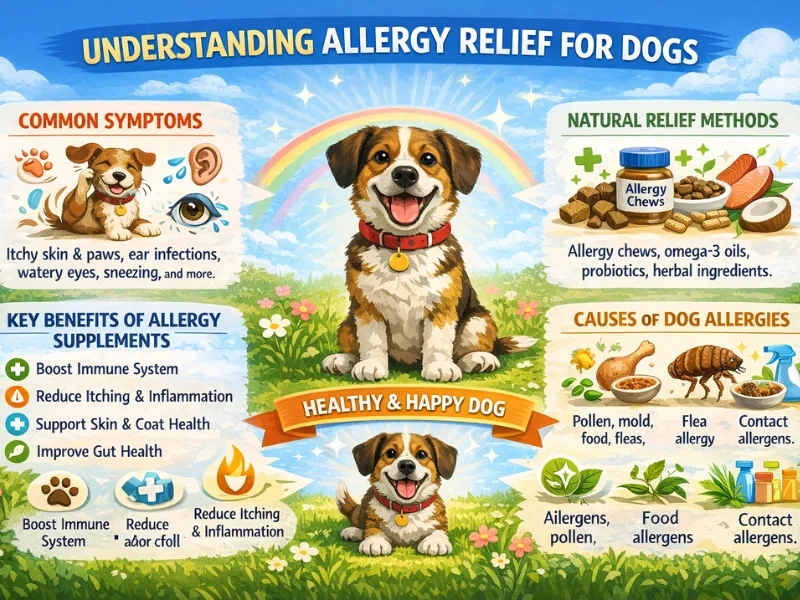
The natural pet wellness market is projected to grow substantially, driven by increased demand for supplements and holistic care. Innovations in probiotic formulations targeting the canine microbiome aim to enhance immune tolerance and skin health. Advances in molecular diagnostics and allergen component-resolved testing facilitate precision immunotherapy tailored to individual profiles.
Integration of nutrigenomics and metabolomics will enable veterinarians to customize dietary and supplement regimens that optimize immune function and minimize allergic responses. Development of novel biologics targeting specific cytokines and immune checkpoints promises more effective and safer long-term allergy control.
Continued research into the safety and efficacy of CBD and other hemp-derived products will clarify their role in veterinary dermatology. The convergence of conventional medicine and alternative therapies under veterinary guidance epitomizes the future of comprehensive canine allergy management, enhancing quality of life for affected dogs.
Frequently Asked Questions
What are the most effective prescription alternatives to Apoquel for dog allergies?
Cytopoint, an injectable monoclonal antibody targeting itch-related cytokines, offers long-lasting relief with fewer side effects compared to Apoquel. Zenrelia, a newer oral immunomodulator, and cyclosporine, an immunosuppressant, are also effective alternatives depending on the severity and chronicity of the allergy.
Can natural supplements like probiotics and omega-3 fatty acids replace conventional allergy medications?
While probiotics and omega-3 fatty acids support immune modulation and reduce inflammation, they are generally adjunctive rather than replacements for prescription medications in moderate to severe cases. These supplements are most effective when integrated into a comprehensive treatment plan under veterinary supervision.
How does allergen-specific immunotherapy work for dogs?
Immunotherapy involves administering gradually increasing doses of identified environmental allergens to retrain the immune system to tolerate them. This disease-modifying approach reduces hypersensitivity reactions over time and can lead to sustained remission, decreasing the need for symptomatic medications.
Is acupuncture a scientifically supported treatment for canine allergies?
Acupuncture has demonstrated efficacy in reducing itching and skin inflammation through neuroimmune modulation. Veterinary studies report symptomatic improvements in many cases, especially when used alongside conventional therapies, though it should be performed by trained veterinary acupuncturists.
Are online veterinary prescriptions for dog allergy medications safe and legal?
Online prescriptions are legal in many regions if a valid veterinary-client-patient relationship exists. They increase access to necessary medications like Cytopoint and Apoquel, but safety depends on accurate diagnosis and ongoing veterinary oversight to monitor treatment response and side effects.
—
The landscape of dog allergy treatments in 2026 reflects an integrative approach combining advanced pharmaceuticals, evidence-based supplements, immunotherapy, and complementary therapies. As knowledge of canine immunology and allergen mechanisms deepens, treatment strategies will increasingly emphasize personalization and holistic care. Pet owners should prioritize veterinary consultation to navigate this evolving field, ensuring safe and effective management of their dogs’ allergic conditions.