
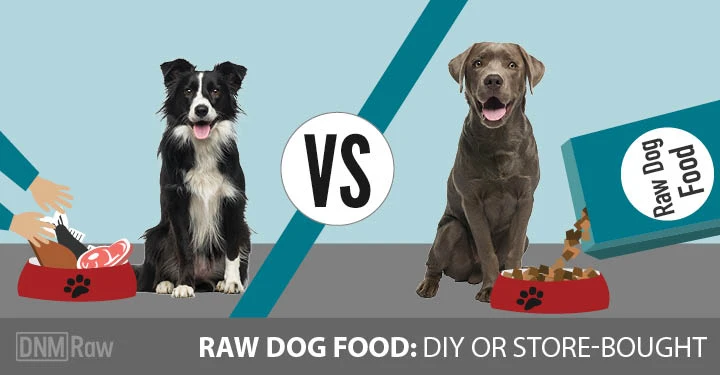
PawVerde.com – DIY pet products have surged in popularity as pet owners seek ingredient transparency and customization, challenging the dominance of commercial pet foods long regulated by bodies like the American Association of Feed Control Officials (AAFCO). While homemade options offer control over freshness and ingredient selection, they require precise nutrient balancing and vigilant food safety practices to avoid deficiencies and foodborne illnesses. Conversely, store-bought pet products provide convenience, consistent nutritional profiles verified by regulatory standards, and extensive safety testing, though they may sometimes contain fillers or preservatives, especially in budget brands. Navigating these choices demands an understanding of the nutritional, safety, cost, and sustainability trade-offs involved, as well as expert veterinary guidance.
Ingredient Control and Customization
DIY pet products allow pet owners to select every ingredient, a level of control absent in most commercial pet foods. This customization can cater to pets with allergies, sensitivities, or specific dietary preferences such as grain-free or limited-ingredient diets. Owners can prioritize fresh, human-grade ingredients and avoid artificial additives commonly found in some commercial brands. Arlington veterinarians often note that this control appeals to pet owners concerned about ingredient sourcing and quality transparency, aspects that commercial labels sometimes obscure due to proprietary formulas or vague ingredient descriptors.
However, the customization advantage comes with challenges. Homemade recipes may omit essential nutrients or include imbalanced macronutrients without expert formulation, risking pet health. Commercial pet food brands, particularly those certified by AAFCO as “complete and balanced,” must comply with strict ingredient thresholds and nutrient profiles, ensuring pets receive appropriate vitamins, minerals, and proteins. While commercial products limit ingredient variation, this standardization is crucial for consistent pet nutrition.
Additionally, commercial pet foods are subject to ingredient testing and recall monitoring via sources like the U.S.D.A. recall database, enhancing consumer confidence. DIY producers rely heavily on the quality and safety of purchased ingredients, often lacking third-party testing accessible to commercial manufacturers.
Nutritional Balance and Safety
Nutritional adequacy is a critical consideration distinguishing homemade from store-bought pet foods. Nutritionists emphasize that balanced diets require precise ratios of protein, fats, carbohydrates, vitamins, and minerals tailored to species, breed, age, and health status. Homemade diets not guided by veterinary or nutritionist consultation risk deficiencies, such as calcium imbalance or insufficient taurine in cats, leading to serious health consequences.
AAFCO sets the nutritional standards for commercial pet foods, mandating formulations meet minimum nutrient profiles verified through feeding trials or laboratory analysis. This regulatory oversight ensures commercial products labeled “complete and balanced” provide reliable nutrition. Pet food regulatory bodies also enforce safety protocols to minimize contamination and adulteration risks.
Homemade pet food preparation introduces food safety hazards uncommon in commercial production. Improper cooking, cross-contamination, or inadequate storage can increase foodborne illness risks from pathogens such as Salmonella or Listeria. Veterinarians in Arlington and beyond report sporadic cases linked to homemade diets, underscoring the need for safe handling, refrigeration, and timely consumption.
Moreover, homemade pet foods generally have shorter shelf lives due to the absence of preservatives, requiring frequent preparation and proper storage solutions to maintain freshness and reduce spoilage.
Convenience and Cost Comparison
The convenience of store-bought pet products represents one of their strongest advantages. Ready-to-serve kibble or canned food require minimal preparation time, fitting easily into busy lifestyles. Packaging often supports easy portion control and long-term storage, with vacuum-sealed or resealable bags improving shelf life.
In contrast, homemade pet food demands time-intensive preparation, including ingredient sourcing, cooking, portioning, and clean-up. Pet owners must dedicate significant effort to meet their pets’ daily dietary needs consistently, a commitment not feasible for all.
Cost considerations vary widely between DIY and commercial pet food. Homemade diets may be more expensive or economical depending on ingredient choices. For example, using organic meats or specialty supplements can significantly increase costs, while sourcing in-season produce and bulk staples may reduce expenses. A 2024 cost analysis by pet nutrition experts found DIY diets ranged from 10% cheaper to 35% more expensive than mid-tier commercial brands, highlighting variability.
Commercial pet food pricing tends to be stable and predictable, with premium brands commanding higher prices due to superior ingredients or certifications such as B-Corp sustainability standards. Budget options offer affordability but may compromise ingredient quality or nutritional density.
Palatability and Acceptance
Palatability plays a pivotal role in diet success, as pets may reject unfamiliar or unappealing foods. Homemade pet foods often score higher in owner-reported palatability, attributed to fresh ingredients and the absence of synthetic flavors. Pets accustomed to homemade meals may show reluctance to switch to commercial alternatives.
Commercial pet foods, however, are formulated with flavor enhancers and tested for broad acceptance across diverse pet populations. Manufacturers invest in palatability trials to balance taste, texture, and aroma, ensuring consistency and acceptance. This is particularly critical for therapeutic diets or pets with picky eating habits.
Veterinarians caution that sudden diet changes, whether from homemade to commercial or vice versa, can cause digestive upset, necessitating gradual transitions and monitoring.
Environmental and Sustainability Considerations
Sustainability concerns influence pet owners’ decisions between DIY and commercial pet products. Commercial pet foods, especially those from B-Corp certified sustainable brands, often implement eco-friendly sourcing, packaging reduction, and waste management practices. However, individual packaging units contribute to plastic waste, especially in single-serve portions.
DIY pet treats and meals can reduce packaging waste when stored in reusable containers or bulk ingredient purchases. Many pet owners incorporate natural or recycled materials in toys and accessories, aligning with broader sustainability goals. Nonetheless, homemade diets may incur higher water and energy use depending on ingredient sourcing and cooking methods.
Sustainability also intersects with ingredient choice; sourcing local, seasonal ingredients for homemade diets reduces carbon footprints compared to mass-produced commercial foods dependent on global supply chains.
Risks and Considerations
Foodborne illness remains a significant risk with homemade pet food. Pathogens such as Salmonella pose threats not only to pets but also to humans handling contaminated products. Safe food handling guidelines recommended by veterinarians include thorough cooking of proteins, sanitization of preparation surfaces, and prompt refrigeration.
Commercial pet foods undergo rigorous testing and quality control to minimize contamination. However, recalls due to ingredient contamination or labeling errors continue to affect the industry, as documented in the U.S.D.A. recall database. Pet owners should stay informed about recalls affecting brands they use.
Ingredient sourcing is another consideration; some commercial brands source ingredients globally, raising questions about traceability and ethical standards. Homemade food offers transparency but places sourcing responsibility entirely on the owner.
Expert Recommendations
Leading Arlington veterinarians and pet nutritionists recommend consulting professionals before transitioning to homemade diets. A veterinary nutritionist can formulate recipes that meet AAFCO standards and individual pet health needs, reducing risks of nutrient imbalances.
Regular health monitoring, including blood work and weight checks, helps detect nutritional deficiencies or excesses early. Gradual diet transitions mitigate gastrointestinal disturbances.
For owners prioritizing convenience and consistency, high-quality commercial pet food remains advisable. Those committed to DIY feeding should invest in education on safe preparation and balanced nutrition.
Forward-Looking Analysis and Practical Next Steps
The evolving pet product landscape suggests growing hybrid approaches, such as commercial base diets supplemented with homemade treats or fresh ingredients, combining safety and customization. Advances in pet nutrition science and regulatory oversight will further improve transparency and safety in both domains.
Pet owners can leverage technology, including smartphone apps and online veterinary consultations, to optimize homemade diet planning and monitor pet health. The rise of sustainable pet product innovations promises to address environmental concerns without compromising nutrition or safety.
Ultimately, informed decision-making grounded in veterinary expertise, reliable data, and lifestyle compatibility will empower pet owners to provide optimal care through either DIY or commercial pet products.
Frequently Asked Questions

Are homemade pet foods nutritionally complete compared to commercial brands?
Homemade pet foods can be nutritionally complete if carefully formulated by veterinary nutritionists following AAFCO guidelines. Without expert input, deficiencies or imbalances are common, risking pet health.
What are the main safety risks associated with DIY pet food?
The primary safety risks include foodborne pathogens like Salmonella and Listeria due to improper cooking or storage. Cross-contamination during preparation also poses hazards, requiring stringent hygiene practices.
How do the costs of DIY pet food compare to commercial options?
Costs vary widely; DIY can be more economical if ingredients are sourced cost-effectively but may exceed commercial prices when using premium or organic components. Commercial pet food prices are generally stable and predictable.
Can store-bought pet foods trigger allergies or sensitivities?
Some commercial pet foods contain fillers, artificial preservatives, or common allergens. Limited-ingredient or hypoallergenic commercial diets exist to address sensitivities, while DIY diets offer full control over allergens.
What sustainability benefits do homemade pet products offer?
Homemade pet food reduces packaging waste when using reusable containers and can incorporate locally sourced ingredients to lower carbon footprints. sustainable pet toys often use natural or recycled materials, complementing eco-friendly feeding practices.