
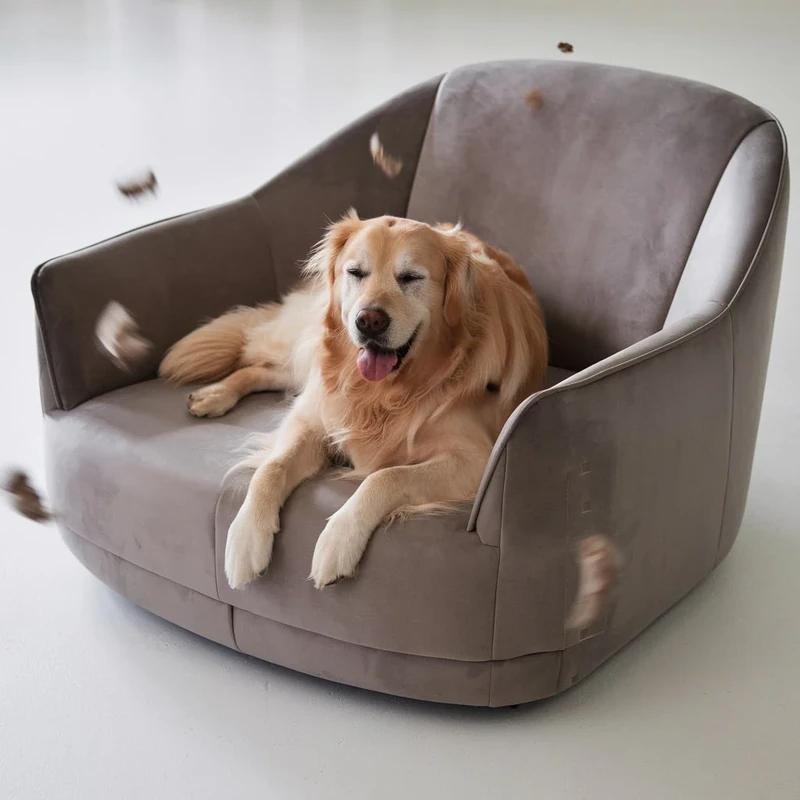
Pet-Friendly Furniture Options: Pros and Cons Explained
PawVerde.com – Pet owners face a unique challenge when selecting furniture that balances durability, comfort, and aesthetics while withstanding the wear and tear caused by pets. Industry data shows that approximately 60% of pet owners experience furniture damage within the first year of pet ownership, underscoring the importance of choosing pet-friendly furniture materials. Durable upholstery fabrics such as microfiber, leather, and high-performance textiles have emerged as preferred choices due to their resistance to stains, scratches, and pet hair accumulation. Understanding the pros and cons of each material, along with design and maintenance considerations, is crucial for making informed furniture investments that endure typical pet behaviors like scratching, shedding, and chewing.
Materials Suitable for Pet-Friendly Furniture
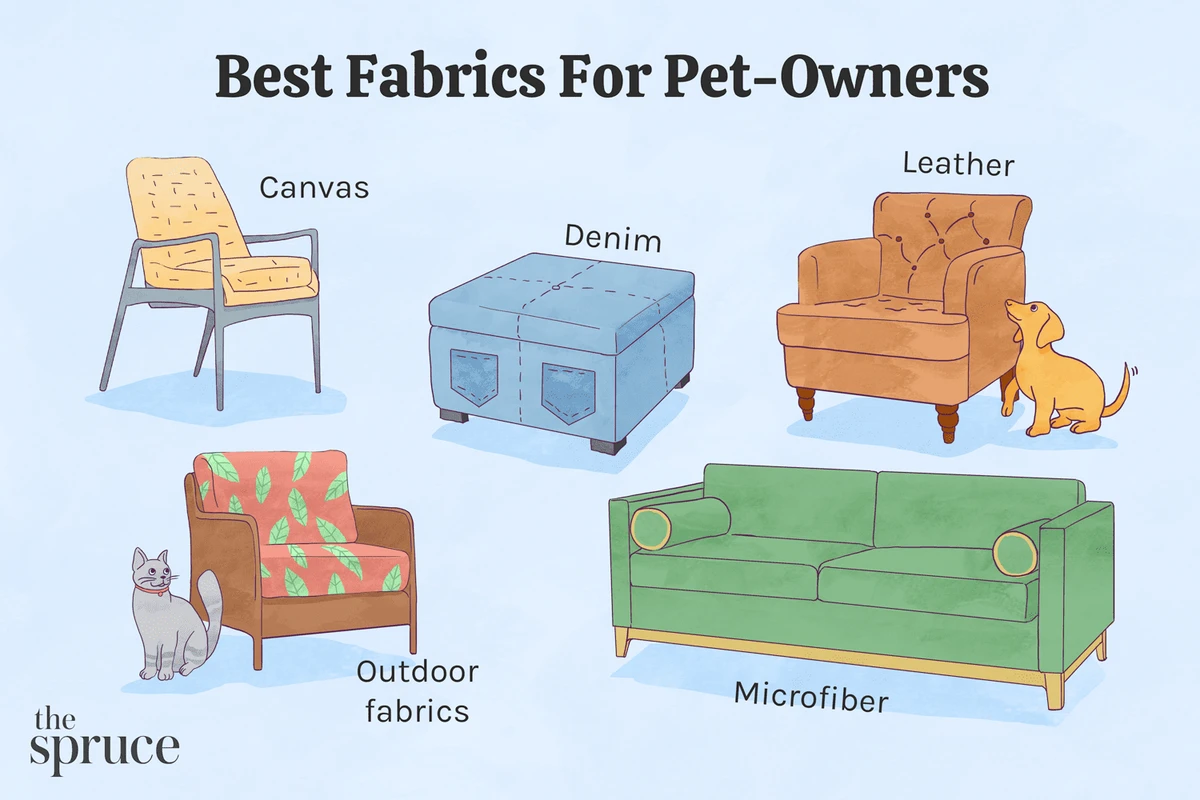
Microfiber remains a leading fabric choice for pet-friendly furniture, prized for its tightly woven structure that offers significant resistance to scratches and pet claws. Its softness enhances comfort for both pets and owners, while its stain resistance supports easy cleaning of pet accidents. However, microfiber can attract static electricity, sometimes leading to increased pet hair adherence, and it may suffer watermarks from spills if not promptly treated. Despite these drawbacks, microfiber furniture is reported to last up to five times longer than standard upholstery when exposed to pets, making it a durable option.
Leather upholstery offers notable advantages in homes with pets. Its smooth surface does not trap pet hair, simplifying routine cleaning, and it allows for easy wiping to remove stains and odors. Leather’s inherent durability supports long-term use, particularly high-quality full-grain varieties. However, leather is susceptible to visible claw marks and punctures from pet scratching, which can result in costly repairs or premature replacement. The higher initial investment cost of leather furniture can be offset by its longevity when maintained properly, but pet owners should weigh this against the likelihood of scratch damage.
Faux leather and high-performance polyester fabrics provide a cost-effective alternative to genuine leather, combining reasonable durability with easier maintenance. These synthetic materials often feature enhanced stain resistance and water repellency, which mitigate the impact of pet accidents. However, they generally lack the natural breathability of leather and may degrade faster under intense scratching. Brands like La-Z-Boy and Bassett have incorporated such fabrics into their pet-friendly lines, emphasizing durability and ease of care.
Canvas and Crypton fabrics represent heavy-duty upholstery options designed specifically with stain and odor resistance in mind. Crypton textiles, treated with proprietary barrier technology, prevent liquids and pet odors from penetrating the fabric, making them highly suitable for pets prone to accidents. Canvas, while less soft than microfiber or velvet, offers affordability and robust wear resistance. Both fabrics tend to resist pet hair accumulation better than plush textiles but may sacrifice some comfort.
Velvet, though luxurious in appearance and texture, poses challenges for pet owners due to its tendency to attract and retain pet hair and its relatively lower resistance to scratching. While velvet upholstery can be treated with protective coatings, its softness makes it prone to damage from claws and rough pet play, limiting its suitability in pet-heavy environments.
Cushion and Upholstery Features Enhancing Pet Friendliness
The choice of cushion filling material significantly affects furniture’s resilience to pet use. High-density foam cushions maintain shape and provide firm support, which helps prevent sagging caused by pets jumping or lounging extensively. In contrast, down-blend cushions offer superior softness but tend to flatten more quickly under pet weight, reducing overall durability.
Removable and machine-washable cushion covers have become increasingly popular among pet owners, facilitating regular cleaning to remove pet hair, odors, and stains. Performance fabrics with removable covers, often treated with stain-resistant coatings, simplify maintenance and extend furniture lifespan. La-Z-Boy and Bassett have incorporated these practical features in their pet-friendly collections, supporting hygiene without compromising design.
Furniture Design Considerations for Pet Owners
Structural integrity is critical in pet-friendly furniture design. Sturdy hardwood frames can withstand the impact of jumping pets and frequent use, reducing wobble and frame damage. Modular sofas offer flexibility by allowing individual sections to be replaced or cleaned separately, extending the usability of the entire piece.
Elevated furniture with raised legs facilitates cleaning underneath, preventing accumulation of fur, dust, and debris. Additionally, designs featuring minimal gaps and crevices reduce areas where pet hair and dirt can collect, simplifying routine maintenance and enhancing furniture longevity.
Impact of Pet Behavior on Furniture Durability
Scratching is a primary cause of damage to upholstery, particularly leather and velvet, where fabric weave and material toughness dictate resistance levels. Microfiber’s tight weave resists punctures more effectively than looser weaves, while Crypton-treated fabrics add a protective barrier that limits damage from claws.
Shedding influences fabric choice through pet hair management. Smooth surfaces like leather repel hair, whereas plush fabrics such as velvet and canvas can trap fur, requiring more frequent vacuuming. Some performance polyester fabrics are engineered to resist fur adhesion, enhancing ease of cleaning.
Licking and chewing pose additional challenges, especially for dogs prone to destructive behavior. Materials that resist moisture absorption, such as Crypton and faux leather, prevent odors and stains associated with saliva. However, no fabric is entirely impervious to chewing damage, so furniture placement and pet training remain essential complementary strategies.
Maintenance and Cleaning Practices for Pet-Friendly Furniture
Stain-resistant treatments and protective coatings significantly enhance upholstery durability against pet-related accidents. Crypton fabrics, for example, incorporate moisture barriers and antimicrobial properties that inhibit odor development and microbial growth, supporting healthier indoor environments.
Routine cleaning varies by material: leather requires gentle wiping with appropriate conditioners to maintain suppleness, microfiber benefits from vacuuming and spot cleaning, and canvas or performance fabrics tolerate machine washing of removable covers. Matching upholstery color and pattern to the pet’s coat can camouflage minor stains and fur accumulation, reducing the visual impact of wear.
Limitations and Realistic Expectations for Pet-Friendly Furniture
Despite advances in fabric technology, no furniture is entirely pet-proof. Pet owners must balance durability, comfort, and style, accepting that some wear is inevitable. High-quality pet-resistant upholstery can extend furniture lifespan by three to five times compared to standard fabrics, but normal wear and tear from claws, shedding, and accidents will occur.
Planning for regular maintenance, investing in protective treatments, and selecting appropriate furniture designs can mitigate damage while maintaining aesthetic appeal. Understanding these trade-offs empowers pet owners to make choices aligned with their lifestyle and home environment.
Frequently Asked Questions

What fabric is best for furniture in homes with pets?
Microfiber and leather are often recommended due to their stain resistance and ease of cleaning. Microfiber offers softness and scratch resistance, while leather repels pet hair and is easy to wipe clean. Performance fabrics treated with stain and odor-resistant coatings also provide durable options.
How does pet behavior affect furniture material choice?
Scratching, shedding, licking, and chewing each impact furniture differently. Fabrics with tight weaves resist claw damage better, smooth surfaces repel pet hair, and moisture-resistant materials prevent stains from saliva and accidents. Understanding your pet’s habits helps select the appropriate upholstery.
Are removable cushion covers necessary for pet-friendly furniture?
Removable, machine-washable covers greatly simplify cleaning and odor control, especially for pets prone to accidents or shedding. They extend furniture life by allowing deeper cleaning without professional services.
Is leather a practical choice for pet owners?
Leather is practical due to its easy maintenance and resistance to pet hair. However, it can show visible scratches and punctures from claws. High-quality leather lasts longer but requires protective measures like regular conditioning and pet nail care.
Can pet hair be prevented from sticking to furniture?
Certain fabrics, such as leather and Crypton-treated textiles, naturally repel pet hair. Microfiber may attract static, increasing hair adhesion, but regular vacuuming and anti-static sprays can reduce this effect. Selecting upholstery material based on pet hair resistance enhances cleanliness.
Pet-friendly furniture materials and design continue evolving to meet the demands of pet owners seeking durability without sacrificing style. Advances in performance fabrics and upholstery treatments promise greater resilience against pet-related wear, supporting longer-lasting, comfortable living spaces that accommodate pets’ behaviors. For pet owners, integrating these insights with proactive maintenance ensures furniture remains functional and attractive in pet-inclusive homes.