
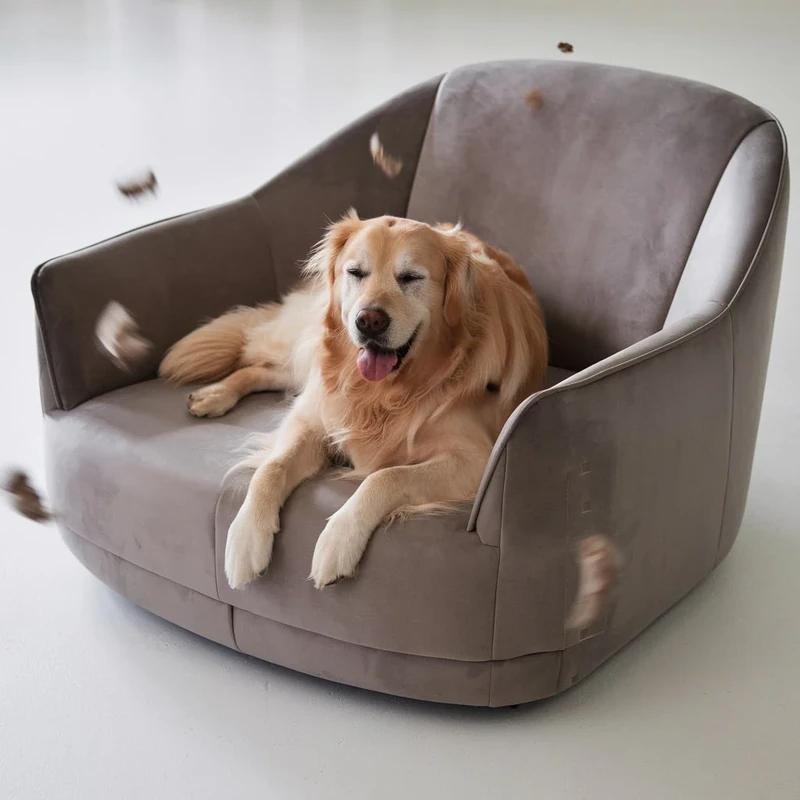
Pet-Friendly Furniture Options: Pros and Cons Explained
PawVerde.com – Pet owners face a unique challenge when selecting furniture that balances durability, comfort, and aesthetics while withstanding the wear and tear caused by pets. Industry data shows that approximately 60% of pet owners experience furniture damage within the first year of pet ownership, underscoring the importance of choosing pet-friendly furniture materials. Durable upholstery fabrics such as microfiber, leather, and high-performance textiles have emerged as preferred choices due to their resistance to stains, scratches, and pet hair accumulation. Understanding the pros and cons of each material, along with design and maintenance considerations, is crucial for making informed furniture investments that endure typical pet behaviors like scratching, shedding, and chewing.
Materials Suitable for Pet-Friendly Furniture
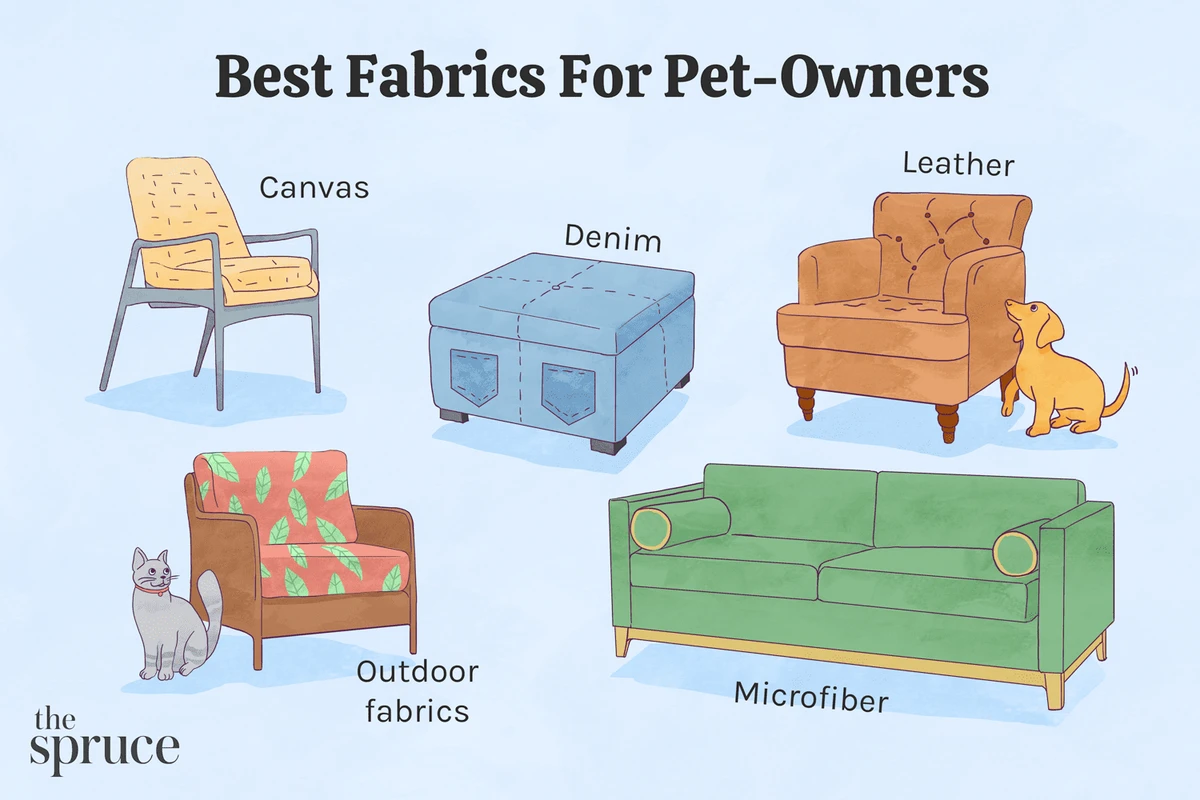
Microfiber remains a leading fabric choice for pet-friendly furniture, prized for its tightly woven structure that offers significant resistance to scratches and pet claws. Its softness enhances comfort for both pets and owners, while its stain resistance supports easy cleaning of pet accidents. However, microfiber can attract static electricity, sometimes leading to increased pet hair adherence, and it may suffer watermarks from spills if not promptly treated. Despite these drawbacks, microfiber furniture is reported to last up to five times longer than standard upholstery when exposed to pets, making it a durable option.
Leather upholstery offers notable advantages in homes with pets. Its smooth surface does not trap pet hair, simplifying routine cleaning, and it allows for easy wiping to remove stains and odors. Leather’s inherent durability supports long-term use, particularly high-quality full-grain varieties. However, leather is susceptible to visible claw marks and punctures from pet scratching, which can result in costly repairs or premature replacement. The higher initial investment cost of leather furniture can be offset by its longevity when maintained properly, but pet owners should weigh this against the likelihood of scratch damage.
Faux leather and high-performance polyester fabrics provide a cost-effective alternative to genuine leather, combining reasonable durability with easier maintenance. These synthetic materials often feature enhanced stain resistance and water repellency, which mitigate the impact of pet accidents. However, they generally lack the natural breathability of leather and may degrade faster under intense scratching. Brands like La-Z-Boy and Bassett have incorporated such fabrics into their pet-friendly lines, emphasizing durability and ease of care.
Canvas and Crypton fabrics represent heavy-duty upholstery options designed specifically with stain and odor resistance in mind. Crypton textiles, treated with proprietary barrier technology, prevent liquids and pet odors from penetrating the fabric, making them highly suitable for pets prone to accidents. Canvas, while less soft than microfiber or velvet, offers affordability and robust wear resistance. Both fabrics tend to resist pet hair accumulation better than plush textiles but may sacrifice some comfort.
Velvet, though luxurious in appearance and texture, poses challenges for pet owners due to its tendency to attract and retain pet hair and its relatively lower resistance to scratching. While velvet upholstery can be treated with protective coatings, its softness makes it prone to damage from claws and rough pet play, limiting its suitability in pet-heavy environments.
Cushion and Upholstery Features Enhancing Pet Friendliness
The choice of cushion filling material significantly affects furniture’s resilience to pet use. High-density foam cushions maintain shape and provide firm support, which helps prevent sagging caused by pets jumping or lounging extensively. In contrast, down-blend cushions offer superior softness but tend to flatten more quickly under pet weight, reducing overall durability.
Removable and machine-washable cushion covers have become increasingly popular among pet owners, facilitating regular cleaning to remove pet hair, odors, and stains. Performance fabrics with removable covers, often treated with stain-resistant coatings, simplify maintenance and extend furniture lifespan. La-Z-Boy and Bassett have incorporated these practical features in their pet-friendly collections, supporting hygiene without compromising design.
Furniture Design Considerations for Pet Owners
Structural integrity is critical in pet-friendly furniture design. Sturdy hardwood frames can withstand the impact of jumping pets and frequent use, reducing wobble and frame damage. Modular sofas offer flexibility by allowing individual sections to be replaced or cleaned separately, extending the usability of the entire piece.
Elevated furniture with raised legs facilitates cleaning underneath, preventing accumulation of fur, dust, and debris. Additionally, designs featuring minimal gaps and crevices reduce areas where pet hair and dirt can collect, simplifying routine maintenance and enhancing furniture longevity.
Impact of Pet Behavior on Furniture Durability
Scratching is a primary cause of damage to upholstery, particularly leather and velvet, where fabric weave and material toughness dictate resistance levels. Microfiber’s tight weave resists punctures more effectively than looser weaves, while Crypton-treated fabrics add a protective barrier that limits damage from claws.
Shedding influences fabric choice through pet hair management. Smooth surfaces like leather repel hair, whereas plush fabrics such as velvet and canvas can trap fur, requiring more frequent vacuuming. Some performance polyester fabrics are engineered to resist fur adhesion, enhancing ease of cleaning.
Licking and chewing pose additional challenges, especially for dogs prone to destructive behavior. Materials that resist moisture absorption, such as Crypton and faux leather, prevent odors and stains associated with saliva. However, no fabric is entirely impervious to chewing damage, so furniture placement and pet training remain essential complementary strategies.
Maintenance and Cleaning Practices for Pet-Friendly Furniture
Stain-resistant treatments and protective coatings significantly enhance upholstery durability against pet-related accidents. Crypton fabrics, for example, incorporate moisture barriers and antimicrobial properties that inhibit odor development and microbial growth, supporting healthier indoor environments.
Routine cleaning varies by material: leather requires gentle wiping with appropriate conditioners to maintain suppleness, microfiber benefits from vacuuming and spot cleaning, and canvas or performance fabrics tolerate machine washing of removable covers. Matching upholstery color and pattern to the pet’s coat can camouflage minor stains and fur accumulation, reducing the visual impact of wear.
Limitations and Realistic Expectations for Pet-Friendly Furniture
Despite advances in fabric technology, no furniture is entirely pet-proof. Pet owners must balance durability, comfort, and style, accepting that some wear is inevitable. High-quality pet-resistant upholstery can extend furniture lifespan by three to five times compared to standard fabrics, but normal wear and tear from claws, shedding, and accidents will occur.
Planning for regular maintenance, investing in protective treatments, and selecting appropriate furniture designs can mitigate damage while maintaining aesthetic appeal. Understanding these trade-offs empowers pet owners to make choices aligned with their lifestyle and home environment.
Frequently Asked Questions

What fabric is best for furniture in homes with pets?
Microfiber and leather are often recommended due to their stain resistance and ease of cleaning. Microfiber offers softness and scratch resistance, while leather repels pet hair and is easy to wipe clean. Performance fabrics treated with stain and odor-resistant coatings also provide durable options.
How does pet behavior affect furniture material choice?
Scratching, shedding, licking, and chewing each impact furniture differently. Fabrics with tight weaves resist claw damage better, smooth surfaces repel pet hair, and moisture-resistant materials prevent stains from saliva and accidents. Understanding your pet’s habits helps select the appropriate upholstery.
Are removable cushion covers necessary for pet-friendly furniture?
Removable, machine-washable covers greatly simplify cleaning and odor control, especially for pets prone to accidents or shedding. They extend furniture life by allowing deeper cleaning without professional services.
Is leather a practical choice for pet owners?
Leather is practical due to its easy maintenance and resistance to pet hair. However, it can show visible scratches and punctures from claws. High-quality leather lasts longer but requires protective measures like regular conditioning and pet nail care.
Can pet hair be prevented from sticking to furniture?
Certain fabrics, such as leather and Crypton-treated textiles, naturally repel pet hair. Microfiber may attract static, increasing hair adhesion, but regular vacuuming and anti-static sprays can reduce this effect. Selecting upholstery material based on pet hair resistance enhances cleanliness.
Pet-friendly furniture materials and design continue evolving to meet the demands of pet owners seeking durability without sacrificing style. Advances in performance fabrics and upholstery treatments promise greater resilience against pet-related wear, supporting longer-lasting, comfortable living spaces that accommodate pets’ behaviors. For pet owners, integrating these insights with proactive maintenance ensures furniture remains functional and attractive in pet-inclusive homes.
Best Colors & Materials for Pet Spaces: Expert Recommendations
PawVerde.com – Pet spaces demand a precise balance of aesthetics, durability, and safety to meet both pet comfort and owner convenience. Selecting optimal colors and materials for feeding stations, beds, furniture, and enclosures requires integrating pet behavior insights, material science, and interior design principles. Durable, easy-to-clean materials such as microfiber, faux leather, and HDPE sheets with antimicrobial properties are increasingly favored for their longevity and hygiene. Simultaneously, color strategies that stimulate pets visually or camouflage hair and stains enhance both pet experience and household maintenance.
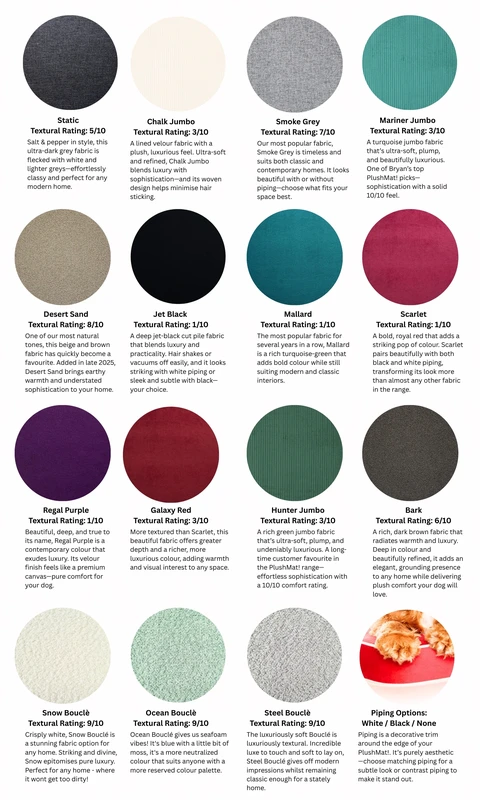
Bold, contrasting colors like blue and yellow are recommended for dog feeding areas to stimulate attention and appetite, while blue and green hues are more effective for cats, according to design experts. Soothing neutrals, mid-tone grays, taupes, and earth tones dominate pet resting zones to create calming environments and mask pet hair accumulation. Patterned fabrics and textured surfaces further assist in reducing visible stains and shedding, offering a practical aesthetic solution. These color choices align with research on pet vision and human maintenance preferences.
Upholstery fabrics specifically engineered for pet households combine durability with ease of cleaning. Microfiber and Crypton fabrics stand out for their stain resistance, abrasion durability, and moisture repellency, making them ideal for high-traffic pet furniture. Sunbrella performance fabrics extend these benefits outdoors, offering UV resistance and odor repellency crucial for patios and enclosures. Faux leather and genuine leather provide smooth, non-porous surfaces that resist fur adherence and simplify cleaning, though leather requires proper conditioning to prevent wear. HDPE sheets, such as those produced by TimberLine, MediGrade, and Marine Board, are favored for pet enclosures and veterinary furniture due to their antimicrobial properties, UV resistance, and moisture impermeability.
Material safety is paramount in pet spaces. Non-toxic paints from ECOS Paints and RMP Finishes ensure no harmful volatile organic compounds (VOCs) compromise pet health. ECOS Paints’ zero-VOC formulations meet stringent environmental and health standards, reducing risks associated with traditional paints. Antimicrobial HDPE grades provide an additional layer of hygiene, preventing bacterial growth in damp environments common in pet areas. Selecting finishes and fabrics certified free from toxic chemicals or allergens safeguards sensitive pets and promotes indoor air quality.
Maintaining pet-friendly spaces requires practical strategies beyond initial material choice. Slipcovers made from washable fabrics allow easy removal and cleaning, extending furniture lifespan. Routine cleaning with pet-safe fabric protectors preserves stain resistance and fabric integrity. Furniture incorporating scratch-resistant materials such as tightly woven synthetic fibers withstands wear from claws and teeth. Accessories designed with durability, such as elevated feeding stations and washable pet beds, complement these efforts by minimizing mess and wear.
Innovations in pet space design emphasize multifunctionality and material advancements. Furniture integrating pet comfort features—such as built-in feeding stations or cozy resting nooks—streamline household organization. Emerging performance fabrics combine antimicrobial action, stain resistance, and UV protection with sustainable manufacturing processes. Pattern and texture variations not only enhance visual appeal but also increase fabric longevity by masking wear and tear, aligning with evolving pet owner preferences for stylish yet practical interiors.
| Material | Key Features | Best Applications | Cleaning & Maintenance | Pet Safety |
|---|---|---|---|---|
| Microfiber | Stain-resistant, durable, moisture-repellent | Upholstery, slipcovers | Spot clean, washable slipcovers recommended | Non-toxic, hypoallergenic options available |
| Crypton Fabric | Antimicrobial, stain-resistant, durable | Pet beds, furniture upholstery | Wipe clean, machine washable options | Certified safe, antimicrobial properties |
| Sunbrella | UV-resistant, moisture repellent, odor resistant | Outdoor pet furniture, enclosures | Hose off, mild detergent wash | Non-toxic, designed for outdoor use |
| Leather / Faux Leather | Easy to clean, fur resistant, durable | Indoor furniture, pet beds | Wipe with damp cloth, condition leather | Non-toxic finishes, avoid harmful dyes |
| HDPE Sheets | Antimicrobial, UV resistant, moisture proof | Pet enclosures, veterinary surfaces | Washable with mild detergent | Non-toxic, antimicrobial grades available |
The table above compares common materials used in pet spaces, highlighting their features, maintenance needs, and safety profiles to guide informed selections.
Color Recommendations for Pet Areas
Scientific insights into pet vision reveal that dogs perceive blue and yellow hues more vividly, suggesting feeding stations painted in bold blue and yellow combinations can increase engagement and appetite. Cats, with their sensitivity to blue and green wavelengths, respond positively to feeding areas using these color contrasts. Beyond stimulation, these bright colors help delineate pet zones within human living spaces, reducing confusion and mess.
For resting areas, designers recommend muted palettes—mid-tone grays, taupes, and earth tones—to foster relaxation and reduce visible pet hair. These shades harmonize with common pet fur colors, camouflaging shedding and stains. Incorporating patterns such as subtle geometrics or textures further obscures wear signs and enhances furniture longevity. Utilizing these color strategies supports both pet wellbeing and aesthetic coherence within the home.
Material Choices for Pet Furniture and Enclosures
Microfiber’s tightly woven synthetic fibers deliver exceptional resistance to claws and spills, making it a mainstay in pet-friendly upholstery. Its low absorbency and stain resistance simplify cleaning, reducing the need for harsh chemicals. Crypton fabric advances this functionality with proprietary treatments that inhibit bacteria and mold growth, offering antimicrobial protection vital in damp or humid environments.
Sunbrella fabrics extend pet-friendly performance outdoors, with resistance to UV fading, mildew, and moisture. Their odor-repellent properties maintain freshness in outdoor pet lounges or enclosures. Leather and faux leather provide sleek surfaces that do not trap pet dander or hair, facilitating quick cleaning. However, genuine leather requires conditioning to avoid cracking from pet activity.
HDPE sheets offer unmatched resilience for enclosures and surfaces exposed to moisture, claws, and chemical cleaners. Their antimicrobial grades actively reduce microbial contamination, making them standard in veterinary clinics and advanced pet housing. UV resistance ensures material stability in sun-exposed areas. Brands like TimberLine and MediGrade provide specialized HDPE products tailored to pet care environments.
Ensuring Safety: Non-Toxic and Antimicrobial Material Options
The health implications of material choices in pet spaces cannot be overstated. ECOS Paints and RMP Finishes lead in producing zero-VOC, non-toxic paints that meet global safety standards. Such formulations eliminate risks of respiratory irritation or long-term toxicity for pets and humans alike. Selecting paints certified by independent agencies adds confidence in safety claims.
Antimicrobial HDPE grades inhibit bacteria and fungi, crucial for spaces prone to moisture and organic waste. These materials reduce odor buildup and infection risk, enhancing sanitary conditions. Fabrics treated with antimicrobial agents, such as Crypton, complement these surfaces by maintaining hygiene on upholstery and bedding. Avoiding materials with heavy metals, formaldehyde, or hazardous dyes is essential to prevent chronic health issues in pets.
Practical Tips for Maintaining Pet-Friendly Spaces
Incorporating washable slipcovers on sofas and pet beds allows easy removal of hair and stains, extending furniture life. Fabric protectors designed for pet use enhance resistance to spills and soiling without compromising breathability. Regular vacuuming and spot cleaning preserve fabric appearance and hygiene.
Selecting furniture with scratch-resistant synthetic fibers or reinforced edges mitigates damage from claws and teeth. Elevated feeding stations with removable trays reduce floor mess and simplify cleaning. Investing in pet beds with removable, machine-washable covers helps maintain freshness and reduces allergen buildup. These practical steps synergize with material choices to create sustainable pet-friendly environments.
Emerging Trends and Innovations in Pet Space Design
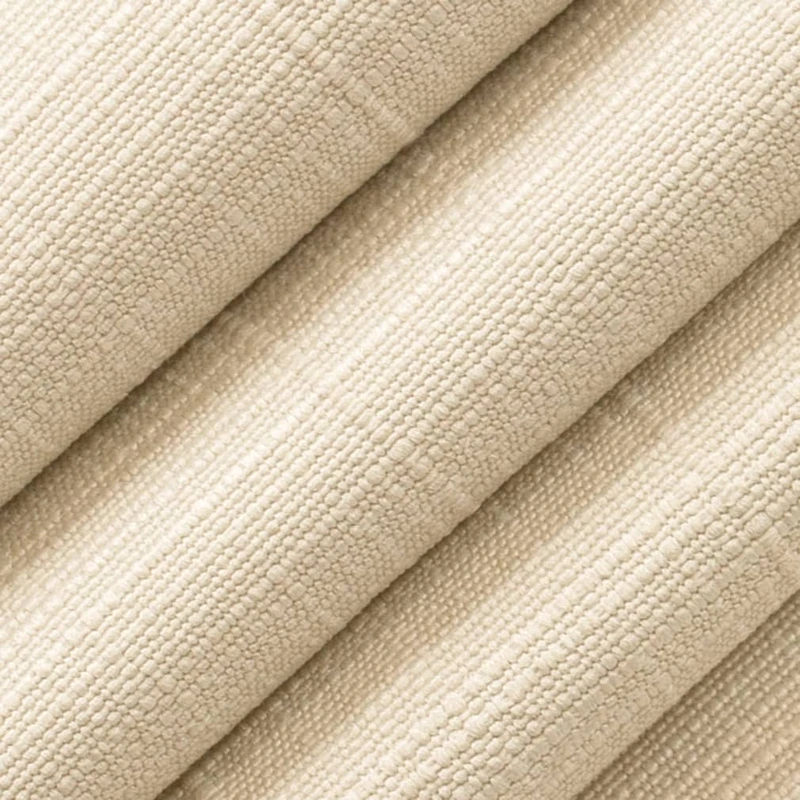
The pet industry increasingly favors multifunctional furniture combining pet comfort with owner utility, such as sofas with integrated pet beds or feeding drawers. Performance fabrics now incorporate sustainable fibers and advanced coatings that balance durability with environmental responsibility. Patterned textiles designed specifically to mask pet hair and stains gain popularity among style-conscious owners.
Advancements in antimicrobial treatments and UV resistance continue to evolve, enhancing material longevity and hygiene. Designers and manufacturers collaborate to create pet spaces that accommodate behavioral needs and aesthetic preferences, reflecting a growing market for pet-centric home design. These innovations signal a future where pet spaces are seamlessly integrated into human living environments with no compromise on style or function.
FAQ
What colors are best for pet feeding stations?
Bold, contrasting colors like blue and yellow for dogs, and blue and green for cats, are recommended to stimulate pets visually during mealtime. These colors enhance engagement and help delineate feeding areas.
Which upholstery fabrics are most durable and easy to clean for pet furniture?
Microfiber and Crypton fabrics are widely regarded for stain resistance, durability, and ease of cleaning. Sunbrella fabrics offer additional UV resistance for outdoor use, while leather and faux leather provide smooth surfaces that repel fur.
Are there pet-safe paint options for indoor pet areas?
Yes, brands like ECOS Paints and RMP Finishes produce zero-VOC, non-toxic paints suitable for pet areas. These paints eliminate harmful chemicals, ensuring pet safety and indoor air quality.
What materials are recommended for pet enclosures?
Antimicrobial HDPE sheets, such as those from TimberLine and MediGrade, are ideal due to their moisture resistance, UV stability, and hygienic properties. They withstand wear and are easy to clean.
How can I maintain upholstery in a home with pets?
Use washable slipcovers, apply pet-safe fabric protectors, and establish regular cleaning routines including vacuuming and spot cleaning. Selecting fabrics with inherent stain and scratch resistance also prolongs furniture life.
Pet spaces that integrate strategic color selection with durable, pet-safe materials offer optimal environments for pets and owners. Embracing innovations in antimicrobial finishes, performance fabrics, and multifunctional furniture will shape the future of pet-friendly interior design, enhancing hygiene, aesthetics, and longevity in homes worldwide.

Non-Toxic Materials for Pet-Friendly Home Design Explained
PawVerde.com – The foundation of a truly pet-friendly home lies in selecting materials that ensure safety, durability, and ease of maintenance while accommodating pets’ natural behaviors. Vinyl and hardwood flooring have emerged as leading choices due to their stain resistance and straightforward cleaning properties, significantly reducing the risks posed by fur buildup and accidents. Upholstery fabrics such as microfiber and leather combine durability with odor resistance, making them practical for homes with active pets. Additionally, furniture constructed from formaldehyde-free medium-density fiberboard (MDF) and solid wood frames, paired with low-VOC and pet-safe paint finishes, minimizes exposure to harmful chemicals. Incorporating non-toxic plants and avoiding common toxic species like lilies and sago palms contribute to a safer indoor environment. Innovative design features such as cat highways and dog washing stations further enhance pet comfort without compromising aesthetic appeal. Sustainable furniture brands that hold GREENGUARD Gold certification exemplify the integration of environmental responsibility with pet safety, setting new standards for future pet-friendly interiors.
Flooring Options Safe for Pets
Vinyl flooring stands out as a premier pet-safe flooring material because of its resistance to stains, scratches, and moisture. Its non-porous surface prevents absorption of pet urine and other stains, facilitating easy cleanup and reducing lingering odors. Recent developments in luxury vinyl plank (LVP) mimic hardwood aesthetics, offering pet owners a stylish yet practical alternative. Hardwood flooring, particularly finished with durable, low-VOC polyurethane coatings, provides a natural, scratch-resistant surface. However, it demands more maintenance to prevent moisture damage from accidents. Porcelain tile offers unparalleled durability and moisture resistance but may present slip hazards for pets unless treated with non-slip finishes.
Carpeting and rugs, while cozy, are generally discouraged in pet-friendly designs due to their propensity to trap fur, dander, and stains. These materials absorb odors and require frequent, intensive cleaning to maintain hygiene. Studies from veterinary behaviorists and interior designers alike emphasize the challenges carpets pose for homes with pets prone to accidents or shedding.
Upholstery and Fabric Choices for Pet Homes
Microfiber fabric is widely recognized for its pet-friendly properties. Its tight weave structure resists claw snags and inhibits fur adhesion, simplifying vacuuming and cleaning. Moreover, microfiber’s synthetic fibers tend to repel odors, an advantage for multi-pet households. Leather upholstery, especially full-grain and top-grain variants, offers natural stain and odor resistance. The smooth surface discourages fur accumulation and is easily wiped clean; however, it may be susceptible to scratches from claws and requires conditioning to prevent cracking.
Comparing synthetic and natural fibers reveals trade-offs: synthetic fibers like polyester blends offer enhanced durability and stain resistance, while natural fibers such as cotton and linen provide breathability but often lack resilience against wear and tear. Fabrics with loose weaves—linen, tweed, and boucle—are less suitable due to their tendency to snag on claws and accumulate dirt, accelerating fabric degradation.
Pet owners are encouraged to select upholstery with stain-resistant finishes and consider removable, washable covers to extend furniture lifespan. Advances in chemical treatments, however, necessitate scrutiny regarding PFAS and other stain guard chemicals, as some have been linked to adverse health effects in pets.
Furniture Construction and Chemical Safety
Formaldehyde-free MDF has gained prominence as a safer alternative to traditional composite wood products that release formaldehyde—a volatile organic compound harmful to both humans and pets. Solid wood frames, particularly those sourced sustainably, provide structural integrity without chemical emissions. Low-VOC paints and pet-safe finishes reduce indoor air pollution and are formulated to withstand cleaning with pet-safe detergents.
Pet owners should be cautious of stain guard chemicals and PFAS (per- and polyfluoroalkyl substances) commonly applied to fabrics for water and stain resistance. Emerging research highlights potential toxicity and bioaccumulation risks associated with PFAS, prompting experts to recommend verifying product certifications such as GREENGUARD Gold, which ensure adherence to strict chemical emission standards.
Non-Toxic Plants and Landscaping for Pets
Indoor and outdoor plant selection plays a crucial role in maintaining a pet-safe environment. Toxic plants like lilies, sago palms, oleander, azaleas, and philodendrons are well-documented by organizations such as the ASPCA for causing severe poisoning in cats and dogs. Conversely, pet-safe plants including spider plants, Boston ferns, and certain succulent varieties provide greenery without the risk.
Maintenance tips encourage avoiding pesticide and chemical fertilizers that can harm pets. For outdoor landscaping, using pet-safe materials like natural fibers and non-toxic mulches reduces ingestion hazards. Designing designated pet zones with durable, easy-to-clean surfaces such as pea gravel or artificial turf enhances safety and hygiene.
Special Features and Design Innovations for Pets
Incorporating pet-specific design elements improves both pet well-being and owner convenience. Cat highways—elevated walkways and wall-mounted shelves—capitalize on felines’ natural climbing instincts while conserving floor space. These structures constructed from scratch-resistant materials integrate seamlessly with interior aesthetics.
Dog washing stations, often installed in mudrooms or garages, provide practical solutions for managing hygiene. Featuring non-porous tiles, handheld sprayers, and ergonomic basins, these stations simplify grooming and reduce mess in living areas.
Additional innovations include pet-proof storage solutions, washable slipcovers, and built-in feeding stations designed with durable, easy-to-clean materials to maintain order and cleanliness.
Sustainable and Certified Pet-Friendly Furniture Brands
Sustainability intersects with pet safety in the growing market of certified furniture brands. GREENGUARD Gold certification, for instance, verifies low chemical emissions, ensuring healthier indoor air quality. Brands such as Sabai Sabai and Medley prioritize sustainability by using natural fibers, formaldehyde-free wood components, and pet-safe fabric treatments.
These companies frequently employ hypoallergenic materials and design with durability in mind, addressing both environmental impact and practical needs of pet owners. Transparency in sourcing and material disclosures fosters consumer trust amid increasing demand for eco-conscious pet-friendly products.
| Material Type | Pet Safety Features | Maintenance Considerations | Typical Certifications |
|---|---|---|---|
| Vinyl Flooring | Stain-resistant, moisture-proof, scratch-resistant | Easy to clean with mild detergents; avoid abrasive tools | GREENGUARD Gold |
| Hardwood Flooring | Durable, low-VOC finishes reduce chemical exposure | Requires sealing, prompt cleaning of spills | FSC Certified, GREENGUARD Gold |
| Microfiber Upholstery | Resists stains, odors, and fur adhesion | Vacuum regularly; spot clean with pet-safe products | OEKO-TEX Standard 100 |
| Leather Upholstery | Natural stain and odor resistance | Wipe clean; condition to prevent cracks | Leather Working Group Certified |
| Formaldehyde-Free MDF | Reduces toxic emissions | Use low-VOC paints; avoid moisture exposure | GREENGUARD Gold |
FAQ
What flooring materials are best for homes with pets?
Vinyl and hardwood flooring are optimal choices for pet-friendly homes due to their stain resistance, durability, and ease of cleaning. Avoid carpets and rugs, which trap fur and odors and require intensive maintenance.
Which upholstery fabrics are safest and most durable for pets?
Microfiber and leather fabrics offer superior stain resistance and durability. Synthetic fibers generally outperform natural fibers in terms of wear, but tightly woven natural fabrics can also be suitable if properly treated.
How can I ensure furniture is free from harmful chemicals for my pets?
Look for furniture made with formaldehyde-free MDF, solid wood frames, and low-VOC finishes. Certifications like GREENGUARD Gold indicate compliance with strict chemical emission standards. Always check product labels and inquire about stain guard chemical use.
Are there common houseplants I should avoid if I have pets?
Yes, toxic plants such as lilies, sago palms, oleander, and azaleas pose serious risks to pets. Opt for pet-safe plants like spider plants and Boston ferns to maintain a safe indoor environment.
What innovative design features can enhance a pet-friendly home?
Features such as cat highways, dog washing stations, and washable slipcovers improve pet comfort and owner convenience. Selecting durable, easy-to-clean materials ensures longevity and hygiene.
The future of pet-friendly home design will increasingly prioritize materials that balance safety, functionality, and sustainability. Advancements in non-toxic, durable surfaces and upholstery, alongside certification programs, provide consumers with transparent choices. Integrating pet-specific design innovations while avoiding toxic substances protects pets’ health and enhances their quality of life, offering a blueprint for harmonious cohabitation between humans and their animal companions.