
Pet Advocacy vs Environmental Groups: Balancing Animal Welfare & Conservation
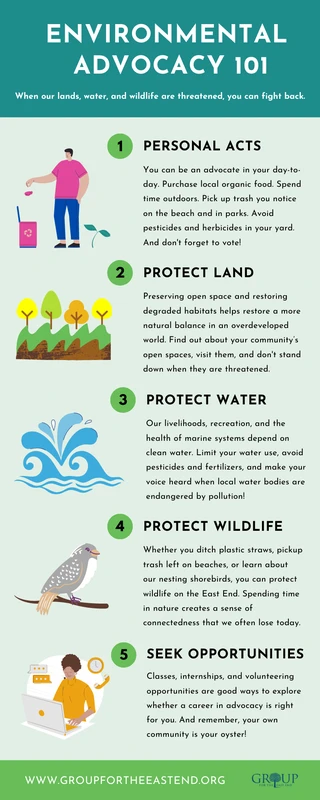
PawVerde.com – Pet advocacy groups and environmental organizations share a fundamental commitment to reducing human-caused harm to wildlife, yet their missions and methods diverge markedly. Pet advocacy centers on the welfare of individual animals, emphasizing protection from suffering and cruelty, often advocating for non-lethal interventions. In contrast, environmental organizations prioritize the conservation of biodiversity and ecosystem integrity, frequently supporting measures like invasive species eradication to maintain ecological balance. These differing priorities have led to conflicts, particularly surrounding invasive species management, but recent developments reveal growing collaboration aimed at integrating animal welfare with ecological conservation.
Pet advocacy groups emerged from concerns about the treatment of companion and captive animals, expanding their remit to include wild animals affected by human activities. Their core mission focuses on preventing suffering and promoting the rights of individual animals, regardless of species. This focus leads to opposition against practices such as culling invasive species, which they argue causes unnecessary harm. Environmental organizations, including conservation biologists and wildlife protection agencies, operate with a systemic perspective. They seek to preserve species diversity, ecosystem functions, and natural habitats, often endorsing rigorous management of species deemed invasive or harmful to native wildlife. Both groups agree on minimizing human impacts but differ sharply in their ethical frameworks and operational tactics.
The divergence between these entities becomes apparent in managing invasive species—a pressing issue in global conservation. Environmental scientists highlight invasive species as one of the leading threats to native biodiversity, often requiring lethal control methods to restore ecological balance. For instance, island ecosystems devastated by invasive rodents have seen recovery following eradication campaigns supported by conservation groups. Conversely, pet advocacy and animal welfare organizations frequently oppose these measures, citing the suffering inflicted on individual invasive animals. They promote non-lethal alternatives such as fertility control, translocation, or habitat modification. This conflict exemplifies the broader tension between animal welfare ethics, which prioritize individual lives, and conservation biology’s emphasis on population and ecosystem health.
Conflicts also arise in the context of hunting and wildlife management. Many environmental organizations recognize regulated hunting as a tool for population control and habitat management, especially where human-wildlife conflict escalates. Hunting communities often collaborate with conservationists to maintain sustainable populations and fund conservation through licensing fees. However, animal rights activists challenge hunting on ethical grounds, arguing it causes unnecessary suffering and undermines intrinsic animal value. These disputes reflect underlying philosophical differences but have also led to nuanced dialogues. Some conservation projects now seek to incorporate welfare standards within hunting regulations, aiming to reduce animal suffering while achieving ecological goals.
Several case studies illustrate both conflict and cooperation between pet advocacy and environmental groups. In New Zealand, eradication of invasive possums and rats on offshore islands sparked protests from animal welfare advocates, but collaborative frameworks emerged to improve transparency and explore humane methods. Similarly, in the United States, partnerships between conservation biologists and animal welfare organizations have developed protocols for trapping and relocating beavers rather than lethal removal, balancing ecosystem restoration with animal welfare concerns. These examples demonstrate the potential for pragmatic solutions when groups engage constructively, sharing expertise and prioritizing both ethical and ecological outcomes.
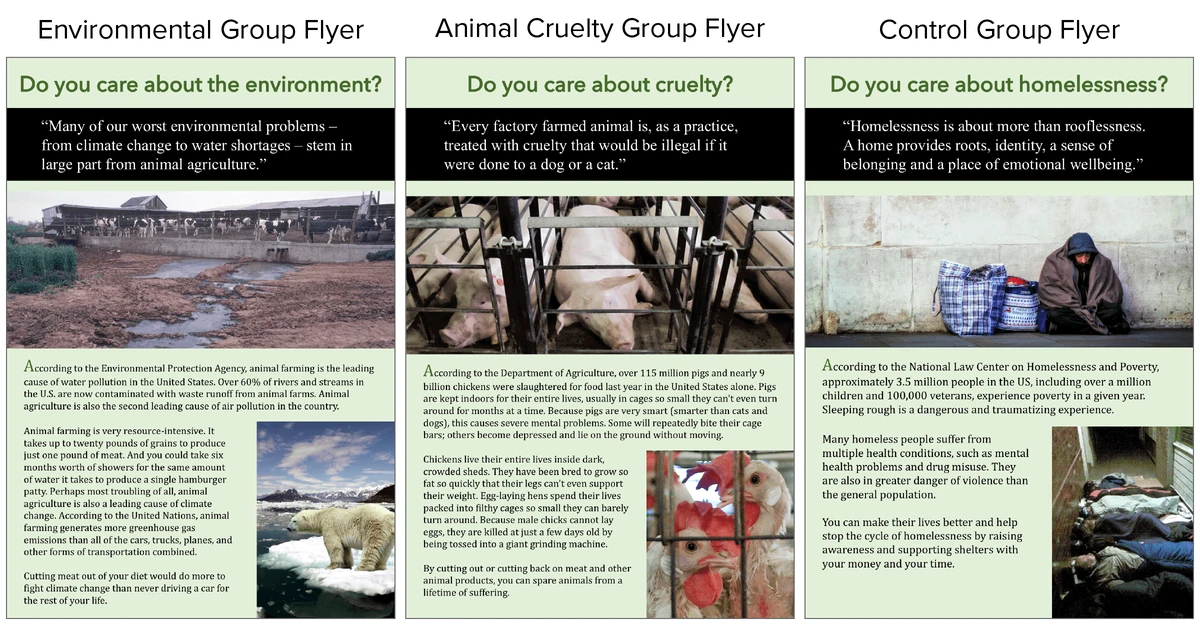
Human activities, particularly animal agriculture, represent a shared concern that bridges some divides between advocacy and conservation entities. Intensive farming practices contribute to habitat loss, pollution, and greenhouse gas emissions, all of which imperil wildlife and ecosystems. Both environmental organizations and animal welfare advocates call for reforms to reduce the ecological footprint of agriculture. While conservationists emphasize landscape preservation and biodiversity corridors, welfare groups focus on the humane treatment of farmed animals and reducing animal suffering. This convergence opens avenues for cross-sector collaboration promoting sustainable agriculture that benefits both ecosystems and animal welfare.
Animal testing remains a contentious issue that simultaneously unites and divides these groups. Pet advocacy and animal rights organizations vigorously oppose animal experimentation on ethical grounds, campaigning for alternatives and stricter regulations. Environmental groups may support limited testing when it advances conservation science or protects endangered species, reflecting a utilitarian approach that weighs individual suffering against species survival. This debate underscores the complex ethical terrain where welfare and conservation goals intersect and sometimes conflict, highlighting the need for transparent, science-based policies that address both concerns.
Emerging trends suggest a growing integration of welfare ethics into conservation science, fostering interdisciplinary approaches that acknowledge the validity of both perspectives. Concepts like compassionate conservation advocate for protecting individual animals within broader ecological frameworks, challenging traditional conservation paradigms that prioritize species and habitats over individuals. Policymakers and practitioners increasingly recognize that balancing these objectives requires stakeholder engagement, transparent decision-making, and adaptive management strategies that accommodate ethical diversity and ecological realities. These developments point toward a future where pet advocacy groups and environmental organizations work collaboratively to design humane and effective conservation interventions.
The policy implications of integrating welfare and conservation are significant. Governments and regulatory bodies face pressure to reconcile competing interests through legislation that supports both biodiversity protection and animal welfare standards. Funding agencies and conservation programs are adopting criteria that assess ethical impacts alongside ecological effectiveness. Invasive species management plans now often include welfare assessments as part of their protocols. This shift demands ongoing dialogue among scientists, advocates, land managers, and affected communities to create inclusive frameworks that reflect evolving societal values about animals and nature.
Introduction to Pet Advocacy and Environmental Organizations
pet advocacy groups primarily focus on the welfare of individual animals, including pets, wildlife, and captive animals. Their efforts center on preventing cruelty, reducing suffering, and promoting humane treatment across various contexts. These organizations often engage in rescue operations, legal advocacy, public education, and policy lobbying to enforce animal protection laws. In contrast, environmental organizations encompass a broader scope, aiming to conserve biodiversity, maintain ecosystem functions, and mitigate environmental degradation caused by human activities. Their strategies include habitat preservation, species recovery programs, pollution control, and sustainable resource management. Despite differing emphases, both groups share the objective of minimizing harm to animals and natural systems.
Divergent Priorities and Approaches
Pet advocacy groups prioritize individual animal welfare, advocating for rights and protections that consider animals as sentient beings deserving ethical treatment. This focus often leads to opposition against lethal methods used in wildlife management, particularly in controlling invasive species. Instead, they promote alternatives such as sterilization, relocation, or exclusion techniques to minimize suffering. Environmental organizations, conversely, prioritize ecological integrity, supporting interventions that may involve lethal control to preserve native species and habitats. For example, in Australia, conservationists have implemented large-scale culling of invasive feral cats to protect endangered marsupials, a practice opposed by animal welfare advocates. These differing approaches reflect foundational ethical distinctions: welfare ethics emphasize the individual, while conservation ethics emphasize species and ecosystems.
Case Studies Highlighting Conflicts and Cooperation
The management of invasive species presents one of the most visible arenas of conflict and collaboration between pet advocacy and environmental groups. In New Zealand, efforts to eradicate invasive possums and rodents have been crucial to restoring native bird populations, yet these campaigns have drawn criticism for animal cruelty. Negotiations led to the adoption of more humane trapping devices and increased monitoring to reduce unnecessary suffering. Similarly, programs in the United States aimed at controlling beaver populations through relocation rather than lethal means illustrate the potential for consensus-driven solutions. Hunting practices also reveal complex dynamics; wildlife agencies incorporate animal welfare considerations into hunting regulations to mitigate suffering while maintaining population control, reflecting a middle ground between conservation and welfare priorities.
Impact of Human Activities on Wildlife: A Shared Concern
Animal agriculture significantly impacts wildlife through habitat destruction, water pollution, and greenhouse gas emissions, contributing to biodiversity loss and climate change. Both pet advocacy and environmental organizations recognize these threats, advocating for reform. Environmental groups promote agroecological practices and habitat connectivity to protect species, while animal welfare groups emphasize humane farming practices and reduced reliance on intensive animal agriculture. The intersection of these concerns fosters potential collaboration in campaigns promoting plant-based diets, sustainable agriculture, and ethical consumerism. Additionally, animal testing controversies highlight divergent views, with welfare advocates demanding cessation of animal experiments and some conservationists supporting their controlled use to advance species protection research.
Future Directions: Bridging Gaps Between Advocacy and Conservation
The future of wildlife and ecosystem protection increasingly depends on integrating animal welfare ethics with conservation science. Emerging frameworks like compassionate conservation seek to harmonize these objectives by emphasizing non-lethal management, consideration of individual animal interests, and ecosystem health. Policymakers are beginning to incorporate welfare assessments into conservation planning, reflecting growing societal concern for ethical treatment across all species. Stakeholder engagement involving pet advocacy groups, environmental organizations, hunting communities, and agricultural sectors is vital for developing balanced policies. Adaptive management strategies that monitor ecological and welfare outcomes provide a pathway to pragmatic, ethically informed conservation practices.
| Aspect | Pet Advocacy Groups | Environmental Organizations |
|---|---|---|
| Primary Focus | Individual animal welfare and rights | Biodiversity and ecosystem conservation |
| Ethical Framework | Animal welfare ethics prioritizing sentient individuals | Conservation ethics prioritizing species and habitats |
| Typical Methods | Non-lethal interventions, rescue, advocacy | Lethal control, habitat restoration, species management |
| View on Invasive Species | Oppose lethal eradication; promote humane alternatives | Support eradication to protect native biodiversity |
| Stance on Hunting | Generally oppose due to animal suffering concerns | Support regulated hunting for population and habitat management |
| Shared Concerns | Reducing human-caused harm, promoting ethical treatment | Minimizing human impacts, restoring natural balance |
FAQ
How do pet advocacy groups and environmental organizations differ in their goals?
Pet advocacy groups focus on promoting the welfare and rights of individual animals, aiming to reduce suffering and prevent cruelty. Environmental organizations prioritize conserving biodiversity and ecosystem health, often supporting population-level interventions that may involve lethal control of invasive species.
Why do pet advocacy groups oppose invasive species eradication?
Pet advocacy groups oppose invasive species eradication primarily because it involves killing individual animals, which they view as causing unnecessary suffering. They advocate for humane, non-lethal alternatives such as sterilization or relocation to manage invasive populations.
Can pet advocacy groups and environmental organizations collaborate effectively?
Yes, collaboration is increasingly possible through frameworks that integrate animal welfare ethics with conservation goals. Examples include using humane trapping methods, relocation programs, and joint policy development to balance ethical concerns with ecological effectiveness.
What role do hunting communities play in conservation efforts?
Hunting communities often collaborate with environmental organizations by participating in regulated hunting programs that manage wildlife populations and generate funding for conservation. However, their role is contested by animal rights advocates concerned about animal suffering.
How do human activities like animal agriculture impact wildlife conservation and welfare?
Animal agriculture contributes to habitat loss, pollution, and greenhouse gas emissions, negatively affecting wildlife and ecosystems. Both pet advocacy and environmental groups advocate for reforms promoting sustainable farming practices and reducing animal suffering to mitigate these impacts.
The evolving relationship between pet advocacy groups and environmental organizations highlights the complexity of balancing individual animal welfare with broader ecological conservation. Continued dialogue, research, and policy innovation are essential to reconcile ethical and scientific perspectives, ensuring effective and humane strategies for protecting wildlife and ecosystems in the face of increasing human pressures.