
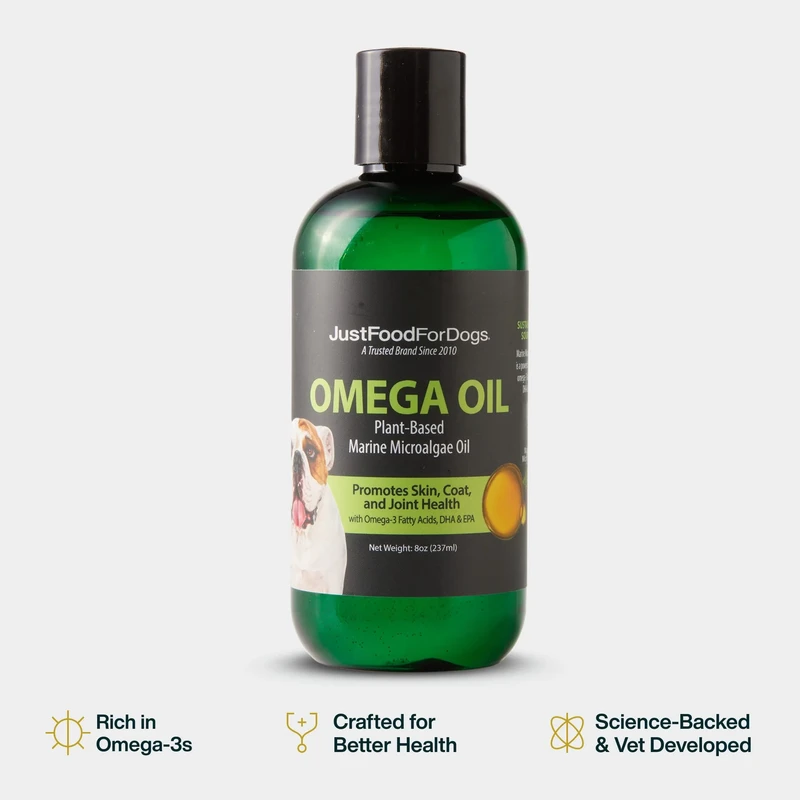
Plant-Based Omega Fatty Acids for Pets: Algae vs. Flax
PawVerde.com – Plant-based omega supplementation for pets relies on bypassing the inefficient conversion of ALA (found in flax/chia) by providing direct sources of EPA and DHA. Marine microalgae oil is the premier vegan alternative, offering high concentrations of these essential long-chain fatty acids without the environmental impact of fish oil.
While flax and chia are common, dogs only convert about 5% of ALA to EPA and a mere 1% to DHA, making them inefficient primary sources for meeting long-chain fatty acid requirements.
The Algae vs. Flax Showdown: Why Not All Plant Omegas Are Equal
Most plant-based omegas like flax and chia contain ALA, which pets must convert into usable EPA and DHA. However, dogs convert only 5% of ALA to EPA and 1% to DHA, while cats cannot convert it at all. Algae oil is superior because it provides preformed EPA and DHA directly.
The ALA Conversion Gap
A common misconception in pet nutrition is that any source of Omega-3 is sufficient. In reality, the metabolic pathway required to transform Alpha-linolenic acid (ALA) into the long-chain fatty acids EPA (Eicosapentaenoic acid) and DHA (Docosahexaenoic acid) is highly inefficient in many domestic animals. While seeds like chia may contain 60-75% omega fatty acids, the biological “bottleneck” occurs during the conversion process inside the animal’s body.
Why Algae Oil is the ‘Real’ Plant-Based Solution
To avoid the conversion failure, practitioners recommend utilizing marine microalgae. As PhytoSmart notes, “Fish was never the source. It was just the middleman.” By targeting the algae directly, pet owners can provide the exact molecular structures—EPA and DHA—that the body requires for immediate use. This bypasses the metabolic struggle entirely, ensuring the nutrients reach the bloodstream and tissues without being lost to inefficient enzymatic processes.
| Fatty Acid Source | Primary Omega Type | Conversion Efficiency | Best Use Case |
|---|---|---|---|
| Flax/Chia Seeds | ALA | Low (5% EPA / 1% DHA in dogs) | General dietary fiber/ALA support |
| Algae Oil | EPA & DHA | High (Directly Bioavailable) | Cognitive, joint, and skin health |
| Corn Oil | Linoleic Acid (Omega-6) | N/A (Essential for membranes) | Skin barrier and cell membrane support |
| Coconut Oil | Saturated Fats | Very Low (0.2/100 cal Linoleic) | Not a substitute for essential omegas |
The table above illustrates why relying on ALA-heavy seeds often fails to provide the therapeutic levels of EPA and DHA needed for specific health interventions. While corn oil provides 5.9 units of linoleic acid per 100 calories, coconut oil provides only 0.2, meaning a pet would need 30x more coconut oil to meet the same linoleic acid requirement.
Label Detective: How to Spot High-Quality Algae Supplements
When selecting a vegan omega supplement, the concentration of active ingredients is the most critical metric. High-quality products, such as those from Fera Pets, specifically offer algae oil where the concentration of EPA and DHA reaches 50%. This high density ensures that a small serving size provides a meaningful dose of long-chain fatty acids.
Use these specific metrics to evaluate product potency:
- Check the “Guaranteed Analysis” section for specific milligram (mg) counts of EPA and DHA, rather than just “Total Omega-3.”
- Look for mentions of Schizochytrium sp., a specific algal strain used by providers to ensure high potency.
- Verify the source of the oil; premium manufacturers utilize marine microalgae to maintain a sustainable, direct-to-source supply chain.
The Cat-Specific Protocol: Navigating Obligate Carnivore Needs
Cats face unique metabolic constraints. According to Tufts Pet Foodology, cats cannot make the conversion from ALA to EPA or DHA at all.
WARNING: Relying solely on flax or chia seeds for a cat’s omega-3 needs is a recipe for nutritional deficiency. Unlike dogs, cats lack the necessary enzymatic efficiency to bridge the gap between plant-based precursors and the long-chain fatty acids required for life. Furthermore, cats have specific needs for AA (Arachidonic Acid), an essential fatty acid that must be present in their diet to support normal physiological functions.
Symptom-to-Source: Mapping Fatty Acids to Pet Health
For skin and coat issues, focus on Omega-6 (Linoleic acid) to support ceramide production. For joint inflammation and osteoarthritis, prioritize EPA. For cognitive function and neurological development in puppies/kittens, DHA is the critical nutrient to ensure through algae-based sources.
Joint Support and Inflammation
Managing joint health often involves modulating inflammatory cytokines. A study by Fritsch et al. in 2010, published in The Journal of Veterinary Internal Medicine, found that dogs with osteoarthritis showed marked improvement after receiving omega-3 supplements. Specifically, using EPA to modulate the enzymes that break down cartilage can provide significant relief for aging pets.
Skin, Coat, and Barrier Function
Skin health depends on specific fatty acid roles. Omega-6s like linoleic acid are vital for the formation of cell membranes and the production of ceramide, which reduces dander. In the right ratio, Omega-3s and certain Omega-6s work in tandem to incite a proper immune response that identifies damage, heals it, and recedes when its job is done.
Brain and Neurological Development
DHA is essential for cognitive function and neurological development. This nutrient plays a critical role in brain health, particularly in the sensitive developmental stages of puppies and kittens. Ensuring direct DHA through algae-based sources is the most reliable way to support long-term neurological integrity.
| Primary Health Goal | Target Fatty Acid | Biological Mechanism | Expected Timeline |
|---|---|---|---|
| Joint Mobility | EPA | Modulates inflammatory cytokines | Variable (often months) |
| Skin/Coat Shine | Linoleic Acid (Omega-6) | Ceramide and membrane production | 30–60 days |
| Cognitive Health | DHA | Neurological/Brain development | Long-term maintenance |
| Immune Balance | Omega-3/6 Ratio | Regulates immune response | Ongoing |
Rancidity and Safety: Protecting Your Pet from Oxidized Fats
Omega oils, particularly liquid algae and fish oils, are highly susceptible to oxidation. When these fats go rancid, they can become harmful rather than helpful. Feeding oxidized fats to a pet can lead to various health complications.
WARNING: Watch for signs of excessive supplementation or rancidity. Excessive intake can cause gastrointestinal signs, such as vomiting or diarrhea. Furthermore, high doses of omega-3s may lead to decreased platelet aggregation and alterations in immune function. Always store liquid oils in a cool, dark place and discard them if they develop a strong, “off” odor.
Dietary Integration: How to Feed Omega Oils Effectively
To maintain a proper ratio of omega-3 to omega-6 fatty acids, pet owners should incorporate supplements systematically. This helps counteract the excess omega-6 often found in commercial pet foods.
Recommended integration methods:
- Direct Dosing: Adding a measured amount of liquid algae oil (like Fera Pets) directly onto wet food or kibble.
- Mixed Feeding: Using specialized products to provide a consistent, pre-measured dose.
- Gradual Introduction: Starting with a very small amount and slowly increasing to the recommended dose to allow the gastrointestinal tract to adjust.
FAQ
Can I just use coconut oil for my dog’s omega needs?
No. Coconut oil is extremely low in linoleic acid (0.2 per 100 cal) compared to corn oil (5.9 per 100 cal), meaning you would need 30x more coconut oil to meet essential requirements for skin and cell membrane health.
Is algae oil better for the environment than fish oil?
Yes. Algae oil is a direct source that bypasses the need for marine extraction, making it more sustainable and avoiding the “middleman” fish, which aligns with broader ocean health and sustainability goals.
What are the signs of too much omega-3 supplementation?
Watch for gastrointestinal distress like vomiting or diarrhea. Additionally, be aware that excessive levels can potentially impact platelet aggregation and alter immune function, so moderation and professional guidance are recommended.