
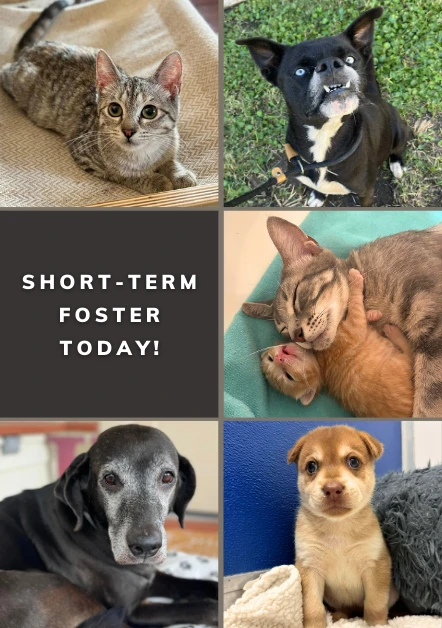
How Fostering Pets Boosts Adoption Success and Welfare in 2026
PawVerde.com – Fostering pets in 2026 has emerged as a pivotal strategy in improving animal welfare, increasing adoption rates, and alleviating shelter overcrowding across the United States. Data from the PEDIGREE Foundation and Maddie’s Fund indicate that over 550 organizations participating in the nationwide Foster 50 campaign have collectively facilitated temporary homes for tens of thousands of animals. These foster-to-adopt programs have proven especially effective, with shelter reports showing that approximately 35% of foster caregivers transition to permanent adopters, significantly enhancing long-term placement success and reducing shelter strain.
Foster-to-adopt initiatives offer a unique pathway for pets and caregivers, allowing animals to acclimate in home environments while potential adopters assess compatibility before committing to adoption. This model has been widely adopted by key animal welfare organizations such as Best Friends Animal Society and Rocket Dog Rescue. Shelter coordinators report that pets in foster care exhibit measurable behavioral improvements, including reduced anxiety and increased socialization, which directly correlate with higher adoption rates. For example, the Animal Welfare League of Alexandria documented a 28% increase in adoption success among fostered dogs compared to those adopted directly from the shelter.
Several foster pet success stories underline the transformative impact of these programs. One notable case involved “Milo,” a medically fragile dog placed in a specialized behavioral foster home through Petco Love’s grant-funded initiative. Over three months, Milo received targeted medical treatment and behavior rehabilitation, enabling his foster family to adopt him permanently. Similar stories from shelters nationwide highlight how fostering provides critical time for pets with medical or behavioral challenges to recover, increasing their chances of finding forever homes. These success narratives also emphasize the emotional bonds formed between foster caregivers and pets, often culminating in “foster fails,” where foster families choose adoption due to strong attachment.
National fostering campaigns continue to expand in scope and influence. The Foster 50 campaign, coordinated by the PEDIGREE Foundation and Petco Love, actively promotes fostering through community outreach, training programs, and financial support for shelters. Over 550 organizations have joined this coalition to boost foster recruitment and retention, addressing a persistent shortage of foster caregivers. Additionally, Maddie’s Fund’s recent grant programs provide shelters with funding to enhance foster support infrastructure, including veterinary care subsidies, behavioral training resources, and caregiver stipends. These investments aim to sustain the growth of foster networks and reduce barriers such as caregiver burnout and financial constraints.
Behavioral and medical rehabilitation success within foster programs has become a critical focus area for shelters and rescue organizations. Fostering environments allow for individualized care plans that shelter settings cannot always accommodate. For instance, Rocket Dog Rescue reported that foster homes helped reduce reactivity and fear-based behaviors in over 60% of their fostered dogs within the first two months. Medical fostering, supported by grants from Petco Love and Best Friends Animal Society, provides essential treatment for chronic conditions, injuries, or post-surgical recovery. This approach not only improves animal welfare outcomes but also reduces shelter euthanasia rates linked to medical complexities.
Foster caregivers play a central role in the success of these programs, often acting as advocates and trainers for foster pets. Interviews with foster families reveal a pattern of deep emotional engagement and satisfaction derived from witnessing pets’ progress. Coordinators at the Animal Welfare League of Alexandria emphasize that ongoing support, including 24/7 access to veterinary consultations and behavior experts, is vital in maintaining caregiver commitment. This networked model of support helps mitigate common fostering challenges such as managing medical emergencies or behavioral setbacks, contributing to higher retention rates within foster programs.
Shelters and rescue organizations have adapted their strategies to maximize fostering benefits while addressing operational challenges. Many have integrated foster recruitment into broader adoption campaigns and community events, leveraging social media and local partnerships to raise awareness. The Animal Welfare League of Alexandria launched a Foster Ambassador program this year, empowering experienced caregivers to mentor newcomers, which has increased foster volunteer retention by 15%. Additionally, shelters are utilizing data-driven approaches to match pets with suitable foster homes based on behavioral profiles and medical needs, optimizing placement success and minimizing returns.
The community-wide impact of fostering is increasingly evident in adoption statistics and shelter capacity metrics. Nationally, shelters involved in the Foster 50 campaign report a combined 22% reduction in shelter populations attributed directly to foster placements. This alleviation of overcrowding allows facilities to improve overall care quality and reduce stress-related health issues among shelter animals. Furthermore, fostering expands access to adoption by enabling off-site events and home-based introductions, broadening the reach to potential adopters hesitant to visit shelters. Funding dedicated to fostering, including grants from the PEDIGREE Foundation and Maddie’s Fund, has been instrumental in sustaining these gains by underwriting medical and training expenses.
Looking ahead, fostering trends in 2026 indicate sustained growth driven by innovative programs and increased community engagement. Agencies like Best Friends Animal Society plan to scale their foster-to-adopt initiatives nationwide, incorporating advanced behavioral assessment tools and telehealth veterinary services to support remote fostering. The Foster 50 coalition aims to recruit an additional 100 organizations this year, focusing on underserved regions with limited shelter resources. Experts predict that the integration of technology, such as AI-driven foster matching platforms, will further streamline caregiver recruitment and pet placement, enhancing efficiency and outcomes.
In sum, fostering pets in 2026 has not only generated numerous success stories but also reshaped shelter operations and adoption frameworks across the U.S. By providing temporary homes that address medical and behavioral needs, fostering improves animal welfare while enabling caregivers to form lasting bonds, often resulting in adoption. National campaigns and grant programs continue to underpin this ecosystem, ensuring that fostering remains a cornerstone of modern animal welfare efforts with measurable benefits for pets, caregivers, and communities alike.