
How Fostering Pets Boosts Adoption Success and Welfare in 2026
PawVerde.com – Fostering pets in 2026 has emerged as a pivotal strategy in improving animal welfare, increasing adoption rates, and alleviating shelter overcrowding across the United States. Data from the PEDIGREE Foundation and Maddie’s Fund indicate that over 550 organizations participating in the nationwide Foster 50 campaign have collectively facilitated temporary homes for tens of thousands of animals. These foster-to-adopt programs have proven especially effective, with shelter reports showing that approximately 35% of foster caregivers transition to permanent adopters, significantly enhancing long-term placement success and reducing shelter strain.
Foster-to-adopt initiatives offer a unique pathway for pets and caregivers, allowing animals to acclimate in home environments while potential adopters assess compatibility before committing to adoption. This model has been widely adopted by key animal welfare organizations such as Best Friends Animal Society and Rocket Dog Rescue. Shelter coordinators report that pets in foster care exhibit measurable behavioral improvements, including reduced anxiety and increased socialization, which directly correlate with higher adoption rates. For example, the Animal Welfare League of Alexandria documented a 28% increase in adoption success among fostered dogs compared to those adopted directly from the shelter.
Several foster pet success stories underline the transformative impact of these programs. One notable case involved “Milo,” a medically fragile dog placed in a specialized behavioral foster home through Petco Love’s grant-funded initiative. Over three months, Milo received targeted medical treatment and behavior rehabilitation, enabling his foster family to adopt him permanently. Similar stories from shelters nationwide highlight how fostering provides critical time for pets with medical or behavioral challenges to recover, increasing their chances of finding forever homes. These success narratives also emphasize the emotional bonds formed between foster caregivers and pets, often culminating in “foster fails,” where foster families choose adoption due to strong attachment.
National fostering campaigns continue to expand in scope and influence. The Foster 50 campaign, coordinated by the PEDIGREE Foundation and Petco Love, actively promotes fostering through community outreach, training programs, and financial support for shelters. Over 550 organizations have joined this coalition to boost foster recruitment and retention, addressing a persistent shortage of foster caregivers. Additionally, Maddie’s Fund’s recent grant programs provide shelters with funding to enhance foster support infrastructure, including veterinary care subsidies, behavioral training resources, and caregiver stipends. These investments aim to sustain the growth of foster networks and reduce barriers such as caregiver burnout and financial constraints.
Behavioral and medical rehabilitation success within foster programs has become a critical focus area for shelters and rescue organizations. Fostering environments allow for individualized care plans that shelter settings cannot always accommodate. For instance, Rocket Dog Rescue reported that foster homes helped reduce reactivity and fear-based behaviors in over 60% of their fostered dogs within the first two months. Medical fostering, supported by grants from Petco Love and Best Friends Animal Society, provides essential treatment for chronic conditions, injuries, or post-surgical recovery. This approach not only improves animal welfare outcomes but also reduces shelter euthanasia rates linked to medical complexities.
Foster caregivers play a central role in the success of these programs, often acting as advocates and trainers for foster pets. Interviews with foster families reveal a pattern of deep emotional engagement and satisfaction derived from witnessing pets’ progress. Coordinators at the Animal Welfare League of Alexandria emphasize that ongoing support, including 24/7 access to veterinary consultations and behavior experts, is vital in maintaining caregiver commitment. This networked model of support helps mitigate common fostering challenges such as managing medical emergencies or behavioral setbacks, contributing to higher retention rates within foster programs.
Shelters and rescue organizations have adapted their strategies to maximize fostering benefits while addressing operational challenges. Many have integrated foster recruitment into broader adoption campaigns and community events, leveraging social media and local partnerships to raise awareness. The Animal Welfare League of Alexandria launched a Foster Ambassador program this year, empowering experienced caregivers to mentor newcomers, which has increased foster volunteer retention by 15%. Additionally, shelters are utilizing data-driven approaches to match pets with suitable foster homes based on behavioral profiles and medical needs, optimizing placement success and minimizing returns.
The community-wide impact of fostering is increasingly evident in adoption statistics and shelter capacity metrics. Nationally, shelters involved in the Foster 50 campaign report a combined 22% reduction in shelter populations attributed directly to foster placements. This alleviation of overcrowding allows facilities to improve overall care quality and reduce stress-related health issues among shelter animals. Furthermore, fostering expands access to adoption by enabling off-site events and home-based introductions, broadening the reach to potential adopters hesitant to visit shelters. Funding dedicated to fostering, including grants from the PEDIGREE Foundation and Maddie’s Fund, has been instrumental in sustaining these gains by underwriting medical and training expenses.
Looking ahead, fostering trends in 2026 indicate sustained growth driven by innovative programs and increased community engagement. Agencies like Best Friends Animal Society plan to scale their foster-to-adopt initiatives nationwide, incorporating advanced behavioral assessment tools and telehealth veterinary services to support remote fostering. The Foster 50 coalition aims to recruit an additional 100 organizations this year, focusing on underserved regions with limited shelter resources. Experts predict that the integration of technology, such as AI-driven foster matching platforms, will further streamline caregiver recruitment and pet placement, enhancing efficiency and outcomes.
In sum, fostering pets in 2026 has not only generated numerous success stories but also reshaped shelter operations and adoption frameworks across the U.S. By providing temporary homes that address medical and behavioral needs, fostering improves animal welfare while enabling caregivers to form lasting bonds, often resulting in adoption. National campaigns and grant programs continue to underpin this ecosystem, ensuring that fostering remains a cornerstone of modern animal welfare efforts with measurable benefits for pets, caregivers, and communities alike.
Difference Between Fostering and Adopting Pets Explained
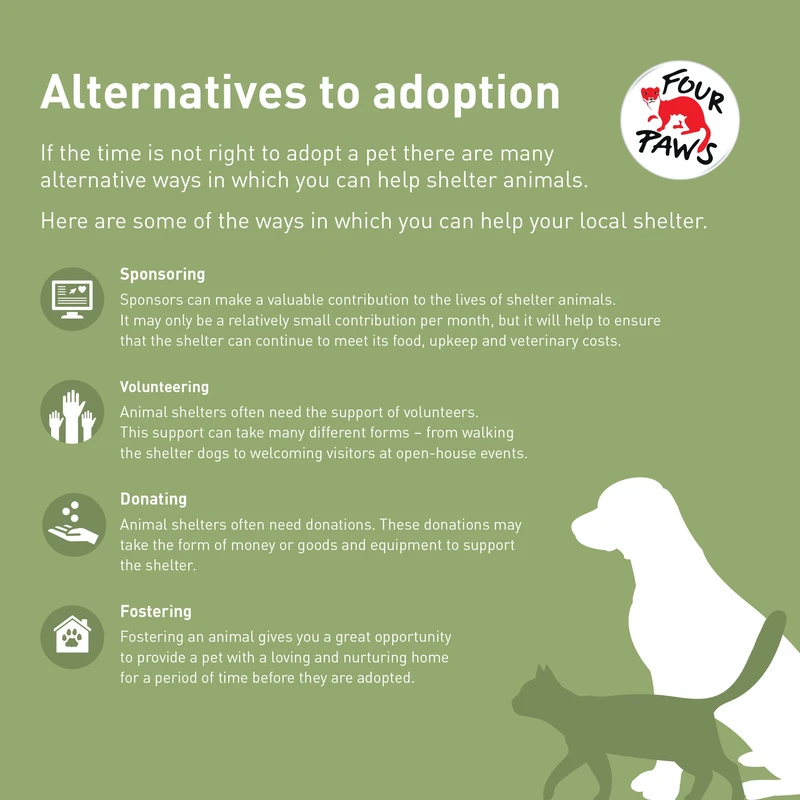
PawVerde.com – Providing temporary care to pets waiting for permanent homes, fostering plays a vital role in animal welfare by helping animals adjust to family environments and relieving shelter overcrowding. In contrast, adopting a pet entails a lifelong commitment where the adopter assumes full legal ownership and responsibility for the animal’s well-being. foster-to-adopt programs have emerged as a transitional solution, allowing prospective owners to trial a pet before finalizing permanent adoption, enhancing compatibility and reducing return rates. This article examines the distinctions between fostering and adopting pets, clarifies the responsibilities involved, and explores the impact of these roles on animal shelters and rescue organizations.
Core Differences Between Fostering and Adopting Pets
Fostering involves providing temporary shelter and care for animals, often ranging from a few days to over a year, depending on the pet’s readiness for adoption. animal shelters and rescues rely on foster caregivers to provide safe environments, socialization, and medical monitoring during this interim period. Legally, foster caregivers do not hold ownership; the shelter or rescue organization maintains custody and oversees the pet’s health and placement decisions. This temporary status allows shelters to alleviate overcrowding and better allocate resources for incoming animals.
Adoption, by contrast, transfers full legal ownership and lifelong responsibility to the adopter. This permanent commitment includes providing food, shelter, veterinary care, training, and emotional support for the duration of the pet’s life. Adopters undergo application and screening processes conducted by animal welfare organizations to ensure suitability and preparedness for this long-term responsibility. adoption fees often cover medical care such as vaccinations, spaying/neutering, and microchipping.
Fostering can be seen as a flexible, short-term role, whereas adoption requires a stable, enduring arrangement. The legal and emotional distinctions are significant: fosters serve as temporary caregivers facilitating transition, while adopters become the pet’s definitive guardians.
The Role and Responsibilities of a Foster Caregiver
Foster caregivers provide more than just shelter; they create nurturing environments tailored to each animal’s needs. Responsibilities include daily feeding, cleaning, socialization, and transportation to veterinary appointments. Fosters often manage medical regimens such as administering medications or overseeing recovery from surgery, working closely with shelter veterinarians or rescue medical teams.
Behavioral management is a critical aspect, with fosters helping pets overcome anxiety, fear, or socialization deficits resulting from shelter confinement or previous trauma. animal welfare organizations like BC SPCA and Kitten Around Cat Rescue provide training and resources to foster families, enabling them to identify and address behavioral issues early.
Fostering types vary: standard fostering involves caring for healthy animals awaiting adoption; hospice fostering provides end-of-life care to terminally ill pets in a compassionate home setting; emergency boarding supports animals displaced by natural disasters or urgent shelter overflow. Each requires specific skills and emotional preparedness, highlighting fostering’s diverse demands.
Communication with shelters is essential for reporting progress, updating medical status, and coordinating adoption events. Foster caregivers also contribute to intake assessments by offering firsthand observations that inform placement decisions.
Adoption as a Lifelong Commitment and Process
Adoption represents a permanent legal and emotional bond between the pet and the owner. The process typically involves submitting an application, undergoing interviews or home inspections, and paying adoption fees that fund shelter operations and veterinary care. Organizations like LA Animal Services emphasize matching pets with suitable homes to reduce return rates and enhance animal welfare.
Adopting an adult pet requires understanding potential behavioral needs and training challenges. Many animals from shelters may have experienced trauma, requiring patience and professional support. Adopters often engage in obedience training, socialization programs, or veterinary behaviorist consultations to establish lasting bonds.
Legal responsibilities extend beyond daily care to include licensing, microchipping, and compliance with local animal control regulations. The permanence of adoption necessitates thorough consideration of lifestyle compatibility, financial capability, and long-term plans.
Foster-to-Adopt Programs: Bridging Temporary and Permanent Care
Foster-to-adopt programs have gained popularity as transitional models combining fostering’s flexibility with adoption’s permanency. These initiatives allow potential adopters to foster a pet for a trial period, typically ranging from weeks to several months, before deciding on permanent adoption. This approach alleviates uncertainties for first-time pet owners and families with existing pets by assessing compatibility in a controlled environment.
Shelters implementing foster-to-adopt programs, such as Best Friends Animal Society, report increased adoption success rates and reduced return incidences. Medical care and supplies during the trial period are usually provided by the shelter, minimizing financial burdens on fosters. Foster-to-adopt arrangements require clear communication regarding responsibilities and contingencies should adoption not proceed.
This model supports animal welfare by providing personalized transition periods, enhancing socialization and easing the pet’s integration into permanent homes.
Benefits of Fostering for Animals and Shelters
Fostering significantly benefits shelter animals by providing individualized care tailored to each pet’s physical and emotional needs. Time spent in foster homes improves socialization, reduces stress-induced behaviors, and prepares animals for adoption environments. Studies from animal welfare organizations indicate that fostered pets have higher adoption rates and better post-adoption adjustment compared to those remaining solely in shelters.
Shelters benefit operationally by reducing overcrowding, enabling them to accept more animals and allocate resources more effectively. Lower shelter populations decrease the risk of euthanasia associated with capacity constraints.
community engagement through fostering fosters empathy and awareness about animal welfare. Foster families often become advocates, assisting in fundraising, education, and volunteer recruitment. Emotional rewards include the fulfillment of directly impacting an animal’s life and contributing to broader rescue efforts.
Considerations for Potential Fosters and Adopters
Prospective fosters and adopters must evaluate their capacity for pet care, including time, finances, and lifestyle compatibility. Fostering demands flexibility and willingness to manage temporary caregiving, while adoption requires preparedness for a lifelong commitment with associated responsibilities.
Introducing foster pets into homes with existing animals requires careful planning to ensure safety and harmony. Shelters often provide guidelines and support for gradual introductions and behavioral management.
Rescue organizations and shelters offer resources such as training workshops, veterinary assistance, and 24/7 support to foster families and adopters. Understanding these supports can alleviate concerns and enhance caregiving success.
Potential foster applicants must complete screening processes to verify suitability, including home visits and reference checks, ensuring the pet’s safety and welfare.
Practical Insights and Case Studies from Foster Families
Experienced foster families emphasize the emotional complexity of temporary caregiving, balancing attachment with the knowledge that pets will eventually move to permanent homes. Hospice fostering, in particular, demands resilience and compassion, providing comfort to terminally ill animals in their final days.
Case studies from Kitten Around Cat Rescue illustrate successful foster-to-adopt transitions where foster caregivers become permanent adopters after trial periods. These stories highlight the mutual benefits: pets find stable homes, and fosters deepen their commitment through firsthand experience.
Such insights underscore the importance of clear expectations and open communication between fosters and shelters to navigate challenges effectively.
Support and Resources Provided by Animal Shelters and Rescues
Leading animal welfare organizations provide comprehensive support to foster and adoptive families, including medical supplies, food, training materials, and behavioral consultation. For example, BC SPCA offers subsidized veterinary care and emergency support to foster caregivers.
Training programs address pet behavior, health care, and emergency procedures, enhancing foster families’ ability to manage diverse animal needs. Some rescues maintain online communities and communication platforms for peer support and knowledge sharing.
Emergency foster programs activate during crises, providing rapid deployment of trained caregivers to accommodate displaced animals. These organized efforts require collaboration between shelters, volunteers, and veterinary professionals.
Future Trends in Pet Fostering and Adoption
Emerging trends in animal welfare emphasize technology integration, such as adoption apps and virtual meet-and-greets, facilitating faster placement and broader outreach. Data analytics help shelters optimize foster-to-adopt matches and monitor animal welfare indicators.
Increased recognition of hospice fostering addresses gaps in end-of-life care, focusing on dignity and quality of life for senior and terminal pets. Expansion of foster networks and community partnerships aims to reduce shelter reliance and enhance individualized care.
Sustainable adoption practices increasingly focus on education and support to ensure long-term success, minimizing returns and promoting responsible pet ownership.
—
Frequently Asked Questions

What is the main difference between fostering and adopting a pet?
Fostering provides temporary care and shelter to animals awaiting permanent homes, without transferring legal ownership, while adopting is a lifelong commitment where the adopter assumes full responsibility and legal rights over the pet.
How long does fostering typically last?
Fostering durations vary widely, from a few days in emergency situations to several months or over a year, depending on the animal’s health, behavior, and shelter placement timelines.
Can I adopt a pet I am fostering?
Many shelters offer foster-to-adopt programs that allow caregivers to trial living with a pet before deciding on permanent adoption. This helps ensure compatibility and reduces return rates.
What support do shelters provide to foster families?
Shelters often supply food, medical care, training resources, and ongoing support to foster caregivers. Some organizations also offer financial assistance for veterinary expenses.
Are there special considerations when adopting senior or hospice pets?
Adopting senior or hospice pets requires awareness of their medical needs, potential behavioral changes, and commitment to providing comfort and specialized care, often supported by foster programs focused on end-of-life care.
—
Adopting or fostering pets represents complementary pathways within animal welfare, each with unique responsibilities and benefits. Potential caregivers should assess their readiness, seek support from credible rescue organizations, and consider foster-to-adopt options to make informed decisions that promote animal well-being and shelter sustainability. As fostering networks and adoption programs evolve, they continue to enhance outcomes for pets and communities alike.

Foster-to-Adopt Programs Boost Pet Adoption Success Rates
PawVerde.com – Foster-to-adopt programs have become pivotal in increasing permanent pet adoptions by enabling prospective caregivers to foster animals with medical or behavioral challenges while receiving comprehensive support from animal shelters. These initiatives not only address shelter overcrowding but also foster deep emotional bonds between animals and foster parents, often resulting in adoption. Data from organizations such as the ASPCA, Best Friends Animal Society, and Pedigree Foundation demonstrate that these programs improve outcomes for hard-to-place pets by combining medical care, behavioral training, and ongoing foster support.
Foster parents frequently transition to adoption due to the strong attachments formed during care, especially when managing pets with special needs. Shelters supply foster families with necessary resources including medical treatments, behavioral guidance, and supplies, alongside regular check-ins from veterinary and foster support teams. This collaborative model enhances the transition from shelter to home, particularly for senior animals or those requiring intensive care, thereby increasing successful adoption rates and reducing shelter stays.
Emotional Bonds and the Foster Fail Phenomenon
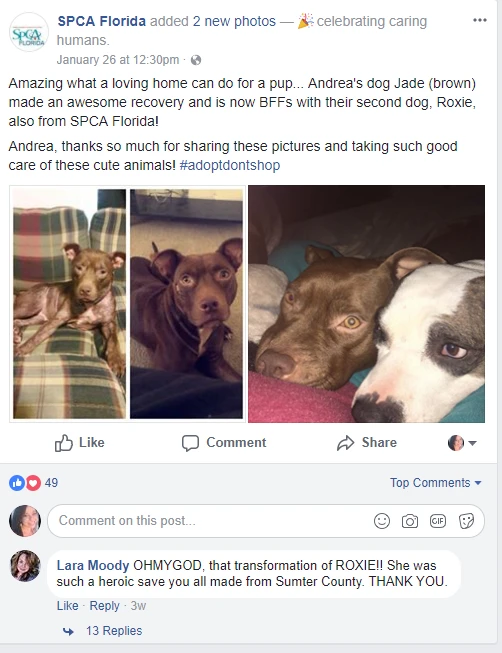
The term “foster fail,” paradoxically a positive outcome, describes foster parents who choose to adopt their foster pets after forming profound emotional connections. This phenomenon reflects the transformative impact fostering can have on both pets and caregivers. Foster parents often recount how consistent, personalized care during the trial period reveals the pet’s personality and compatibility, making adoption a natural progression.
For example, foster families within the Animal Humane Society report that nearly 40% of their foster placements culminate in adoption by the foster parent. This emotional bond is further reinforced in cases involving special needs pets, where foster caregivers witness firsthand the pet’s recovery and growth. Shelters emphasize training programs that prepare fosters for behavioral challenges, enhancing caregiver confidence and attachment. Foster fail cases underscore the dual benefit: pets gain permanent homes while fostering families experience fulfilling companionship.
Case Studies of Successful Foster Adoptions
Several documented foster-to-adopt success stories illustrate the efficacy of these programs:
These cases highlight how foster programs address medical and behavioral complexities, providing individualized care that enhances adoptability.
Shelter Support Systems and Foster Care Best Practices
Effective foster programs rely on comprehensive shelter support systems that provide medical care, supplies, and education tailored to foster needs. animal shelters such as Best Friends Animal Society emphasize structured foster training, covering topics like administering medications, recognizing behavioral cues, and managing emergency situations.
Regular check-ins from shelter veterinary professionals and foster support teams ensure continuity of care and address challenges promptly. Shelters supply foster families with necessary equipment including leashes, crates, and specialized diets, reducing financial burdens and increasing foster retention. Emergency support hotlines are often available to guide fosters through unexpected health or behavior issues, reinforcing caregiver confidence.
Behavioral training for foster pets is integral, with shelters collaborating with trainers to develop customized plans. This approach is particularly critical for pets with anxiety, aggression, or socialization deficits. Best practices also include detailed record-keeping of medical histories and behavior assessments shared between shelters and foster families, facilitating informed adoption decisions.
Collaborative Adoption Initiatives and Funding Impact
Regional networks such as the Pedigree Foundation’s foster recruitment campaigns and Grapevine Animal Services’ collaborative adoption initiatives have significantly improved foster placement efficiency. These networks enable resource sharing, joint events, and centralized foster databases, which streamline matching foster families with pets based on medical and behavioral needs.
Grants and funding play a crucial role in sustaining and expanding foster programs. For example, the Pedigree Foundation allocates funds specifically for behavior-focused foster programs that include training and enrichment activities. Such funding supports adoption campaign marketing, increasing public awareness and engagement.
Financial backing also facilitates shelter veterinary care, reducing the cost barriers for foster families handling pets with complex medical conditions. This funding ecosystem contributes to lowering shelter population stress levels and accelerates the path to permanent homes.
Broader Impacts of Fostering on Animal Welfare Communities

Beyond individual adoptions, fostering serves as a catalyst for community engagement in animal welfare. Foster programs encourage social connection among volunteers, creating networks that support knowledge sharing and emotional encouragement. The social benefits extend to foster families, who often report improved well-being and satisfaction through caregiving roles.
Community outreach through foster programs raises awareness about shelter animals’ needs, thereby attracting new volunteers and donors. Programs that incorporate educational workshops and foster training sessions help demystify pet care challenges, broadening the base of potential foster caregivers.
Increasing foster recruitment is essential for addressing shelter overpopulation and improving animal welfare outcomes. Shelters employing strategic foster outreach have noted measurable increases in adoption rates and reductions in euthanasia statistics, underscoring fostering’s systemic benefits.
FAQ
What is a foster-to-adopt program?
A foster-to-adopt program allows individuals to temporarily care for a shelter pet with the option to adopt after a trial period. These programs provide medical and behavioral support to foster families and help pets transition smoothly from shelter environments to permanent homes.
How do shelters support foster families?
Shelters offer foster families supplies, veterinary care, training on medical and behavioral needs, and regular check-ins. Emergency support and educational resources help foster caregivers manage pets’ challenges effectively.
What types of pets benefit most from foster care?
Senior pets, animals with medical conditions, behavioral challenges, or those requiring socialization benefit significantly from foster care, as they receive personalized attention not always possible in shelter settings.
Why do foster parents often adopt their foster pets?
Foster parents develop strong emotional bonds during caregiving, especially when witnessing a pet’s recovery or behavioral progress. This connection often motivates them to provide permanent homes for their foster animals.
How does funding impact foster programs?
Funding supports medical care, behavioral training, foster recruitment, and adoption campaigns. It reduces financial burdens on shelters and foster families, improving program sustainability and adoption success rates.
Foster-to-adopt programs represent a transformative approach in animal welfare, combining medical care, behavioral support, and emotional bonding to increase permanent adoptions. Their success relies on extensive shelter support systems, collaborative networks, and sustained funding. As these programs evolve, they continue to enhance the lives of shelter pets and foster families alike, offering scalable solutions to challenges faced by animal shelters globally.