

How to Foster a Pet Successfully: Step-by-Step Guide
PawVerde.com – Successfully fostering a pet requires creating a safe and calm environment that allows the animal to decompress and adjust to their new surroundings. This process involves carefully setting up a dedicated space, managing initial introductions with existing pets, and establishing consistent routines to build trust and promote positive behavior. Foster caregivers must combine practical preparation with behavior support strategies while maintaining clear communication with household members and shelter coordinators. This tutorial provides a comprehensive, step-by-step guide on fostering pets, with actionable instructions drawn from experienced shelter staff and veterinary professionals to ensure positive outcomes for both foster animals and caregivers.
1. Preparing Your Home for a Foster Pet
Before your foster pet arrives, prepare a quiet, secure space where they can decompress. This area should be away from high-traffic zones and other pets initially. A spare bedroom, laundry room, or a similarly enclosed space works best.
Choose a room with a door or gate to restrict the foster animal’s access. The space should be quiet, free from hazards, and comfortable. Ensure temperature control to avoid extremes of heat or cold.
Provide a crate sized appropriately for the animal to retreat to. Line it with clean bedding. Include a sturdy food and water bowl, ideally non-slip and easy to clean. Place toys for enrichment, but avoid overstimulation.
Stock up on pet supplies such as pet-safe cleaning products, leash and collar, grooming tools, and behavior training aids (e.g., clickers or treat pouches). Consult your foster program manual for any specialized items.
Thoroughly clean the foster space before arrival using pet-safe disinfectants recommended by shelter or veterinary professionals. This reduces the risk of disease transmission and creates a fresh environment.
Remove any small objects that could be swallowed or pose choking hazards. Secure electrical cords and block off any escape routes like open windows or gaps under doors.
Allow at least a few hours to a day for the space preparation phase, ensuring everything is ready before the foster animal arrives.
2. Managing Initial Arrival and Decompression
The first 3-4 days in fostering are critical for the pet’s adjustment. This decompression period allows them to acclimate without pressure from new stimuli or social demands.
On arrival, keep the foster animal confined to the designated safe space. Minimize direct handling and interactions except for essential feeding and cleaning.
Maintain low noise levels and dim lighting to reduce stress. Some shelters and foster experts recommend playing soft classical or calming music to soothe the animal.
Monitor signs of stress such as trembling, panting, hiding, or excessive vocalization. Record observations to share with foster coordinators and veterinary professionals.
Feed at consistent times, clean litter or potty areas regularly, and avoid sudden changes in environment or activities.
Include familiar scents if available (e.g., a blanket from the shelter) or safe chew toys to promote relaxation.
This decompression step reduces anxiety and helps foster pets transition smoothly into your home.
3. Introducing Foster Pets to Existing Household Animals
Introducing foster animals to resident pets requires a gradual, controlled approach to prevent conflict and stress. Each animal’s temperament and history will influence timing and methods.
Hold off on any face-to-face meetings for at least 3-4 days during decompression. This gives the foster pet time to settle and lowers the risk of territorial aggression.
Begin with introductions through baby gates or cracked doors to allow scent and sight exposure without direct contact.
Arrange initial meetings on neutral ground if possible or in a controlled room with both animals on leashes. Keep sessions short (5-10 minutes) and positive.
Use treats and verbal praise to reinforce relaxed and friendly interactions. Avoid forcing contact or punishing signs of fear or aggression.
Watch for stress signals such as growling, stiff posture, pinned ears, or raised hackles. If observed, separate animals immediately and try again later.
Keep feeding bowls, beds, and toys separate to prevent competition and resource guarding during the adjustment phase.
Over 1-2 weeks, extend supervised interactions based on positive behavior, eventually allowing off-leash supervised time as appropriate.
Patience and careful observation during introductions reduce risks and support positive multi-pet household dynamics.
4. Establishing a Healthy Daily Routine
Consistent routines provide predictability that fosters a sense of security in foster pets, accelerating adjustment and trust-building.
Match the foster pet’s previous diet initially to avoid digestive upset. Feed at the same times daily, typically twice a day for dogs and cats. Use measured portions to prevent overeating.
Set regular potty breaks for dogs, starting with frequent intervals (every 2-3 hours) during the first days. Incorporate daily walks or playtime to expend energy and promote well-being.
Schedule calm social interactions with household members, gradually increasing duration and complexity as comfort improves.
Clean bedding, litter boxes, and food/water dishes daily to maintain hygiene and prevent illness.
Maintain a daily log of feeding times, behavior observations, physical health, and any incidents. Share this information with foster coordinators for ongoing support.
Provide puzzle toys, safe chew items, and training exercises to stimulate mental and physical health.
This predictable structure supports the foster pet’s physical and emotional health throughout the stay.
5. Behavior Support and Training
Effective behavior support is vital for helping foster pets overcome anxiety, fear, or past trauma and prepare for permanent adoption.
Reward desired behaviors such as sitting calmly, using the potty, or gentle play with treats, praise, and affection. This encourages repetition of good behaviors.
Instead of punishment, use distraction or redirection techniques. For example, if the foster dog jumps up, redirect to a sit command and reward compliance.
All household members should use the same commands and behavior expectations to avoid confusing the foster pet.
Identify stressors such as loud noises or certain handling and work to desensitize gently over time under guidance from shelter staff or trainers.
Employ crates, leashes, and calming wraps as aids, but avoid harsh tools or methods that may increase fear or aggression.
Socialize the foster pet with new people and environments gradually. Teach basic commands to enhance adoptability.
Working closely with rescue organizations and veterinary behaviorists ensures that training aligns with best practices for animal welfare.
6. Family Involvement and Communication
Engaging all household members, especially children, promotes a supportive environment that benefits foster pets and caregivers.
Provide age-appropriate information about the foster pet’s needs, behavior signals, and safety rules. Encourage questions and empathy development.
Clarify tasks such as feeding, cleaning, and playtime duties to spread caregiving evenly.
Children should always be supervised when interacting with foster animals to prevent accidental injury or stress.
Hold regular family discussions to share observations and adjust care routines as needed.
Discuss the temporary nature of fostering and the importance of preparing for eventual adoption or transfer.
Family involvement strengthens the foster pet’s socialization and creates a positive caregiving atmosphere.
7. Support from Foster Programs and Organizations
Successful fostering depends on active collaboration with shelter or rescue coordinators who provide guidance, resources, and oversight.
Adhere strictly to the foster manual regarding care standards, reporting, and communication.
Utilize online or in-person training sessions offered by the organization covering behavior management, health care, and emergency procedures.
Submit detailed updates on the foster pet’s health, behavior, and any incidents as required. Prompt communication helps coordinators provide timely support.
Coordinate with veterinary professionals for routine check-ups, vaccination, and health concerns.
Connect with other foster volunteers for advice, encouragement, and shared experiences.
This network of support enhances foster success and animal welfare.
Troubleshooting Common Fostering Challenges
Despite careful preparation, foster caregivers may face difficulties. Addressing these proactively improves outcomes.
Extend decompression time, increase calming aids, and consult with shelter behaviorists.
Revert to separation and slower introduction steps, use professional guidance for behavior modification.
Verify food preferences, try hand feeding, and rule out medical issues with a veterinarian.
Provide additional enrichment and exercise; redirect attention positively.
Increase potty breaks, reinforce training patiently, and rule out health problems.
Consistent monitoring and communication with professionals help resolve most fostering issues effectively.
Common Mistakes to Avoid
Avoiding these errors ensures a smoother fostering experience.
Alternative Methods and Tips
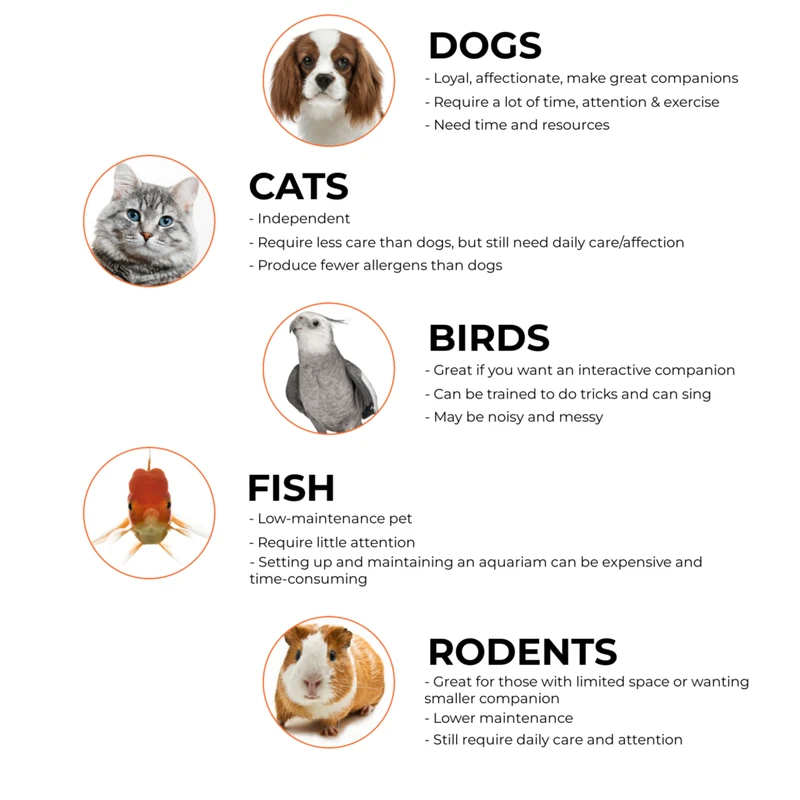
These alternatives tailor fostering to unique home and pet situations.
FAQ

How long should a foster pet stay separated from resident animals?
Typically, a foster pet should remain separated for at least 3-4 days during the decompression phase before any introductions. This reduces stress and helps prevent conflicts.
What are the essential supplies needed for fostering a dog?
Key supplies include a crate, bedding, food and water bowls, leash and collar, appropriate food, toys, grooming supplies, and cleaning products. Check with your foster program for specific requirements.
How can I help a foster pet overcome fear or anxiety?
Maintain a calm, predictable environment, use positive reinforcement training, provide safe spaces, and consider calming aids like music or pheromone diffusers. Consulting shelter behaviorists is recommended for severe anxiety.
What should I do if my foster pet shows aggression towards my other pets?
Immediately separate the animals and slow down the introduction process. Use controlled, gradual meetings and seek guidance from foster coordinators or animal behavior professionals.
Can children be involved in pet fostering?
Yes, children can participate with proper education and supervision. It’s important to teach them how to interact safely and respectfully with foster animals.
—
Fostering a pet requires dedication, patience, and collaboration with animal welfare professionals, but it offers invaluable support to shelter animals awaiting permanent homes. By following evidence-based steps—from home preparation to behavior training and family involvement—foster caregivers can create nurturing environments that promote healing and successful adoption outcomes. Staying engaged with foster programs and continuously adapting care according to the pet’s needs ensures every foster experience contributes positively to animal welfare and community support.

How to Start Fostering Pets for Shelters: Step-by-Step Guide
PawVerde.com – Becoming a foster caregiver for shelter pets involves a structured process that begins with applying through a shelter’s foster program and ends with the successful transition of foster animals into permanent homes. This tutorial provides detailed, actionable steps to guide prospective foster caregivers through every phase—from preparation and daily care to veterinary support and adoption promotion—ensuring both pets and caregivers thrive throughout the fostering experience.
Starting the fostering journey requires selecting a shelter with an active foster program and submitting a comprehensive foster application. Shelters evaluate applicants based on home environment, presence of resident pets, and ability to meet temporary care commitments. Prospective caregivers must prepare a safe, quiet space in their home, separate from other pets if necessary, to reduce stress for foster animals. This preparation is critical for managing behavior and health during the foster period.
Shelters commonly supply foster caregivers with essential items such as collars, food bowls, crates, and toys. Veterinary care—including routine check-ups, vaccinations, and emergency treatments—is covered by the shelter, ensuring foster pets receive timely medical attention without financial burden on caregivers. Many programs assign foster mentors and coordinators who provide ongoing support and training, covering topics like behavior management and adoption marketing.
Daily care of foster pets includes regulated feeding schedules, exercise routines tailored to the animal’s age and health, and consistent monitoring for illness or behavioral changes. Training is especially important for puppies and young dogs, focusing on basic commands and socialization to improve adoptability. Behavioral challenges like anxiety or aggression require specific interventions and communication with shelter professionals to ensure safety and progress.
Introducing foster pets to resident animals and children demands gradual, supervised interactions. Protocols emphasize controlled meetings in neutral spaces, observation for stress signals, and maintaining separate areas for foster animals during initial days. Safety guidelines help prevent conflicts and ensure all household members adapt smoothly to new pets.
The emotional aspect of fostering involves preparing for the eventual adoption and parting with the foster pet. Some shelters offer “foster to adopt” options, allowing caregivers to formally adopt foster animals if mutually agreeable. Recognizing the temporary nature of fostering while celebrating each pet’s progress helps caregivers manage attachment and transition phases.
Promoting foster pets for adoption is a vital responsibility. Caregivers can enhance visibility by taking clear photos, writing engaging biographies, and sharing updates with shelter adoption teams and potential adopters. Effective marketing increases adoption rates and reduces shelter overcrowding.
Beyond fostering, individuals can support shelters through volunteering, donations, and advocacy, expanding their impact on animal welfare.
1. How to Begin Fostering Pets
Starting with the foster application process ensures alignment with shelter policies and expectations. Follow these steps:
Identify shelters with active foster programs by visiting their websites or contacting animal services. Reputable organizations like ASPCA, Maddie’s Fund-affiliated shelters, or regional humane societies often have detailed foster information online.
Applications typically require information about your living situation, experience with pets, and details about existing animals. Some shelters include screening questions about your availability and willingness to comply with medical and behavioral protocols.
Many shelters conduct foster orientations to review program rules, medical care requirements, and emergency procedures. Some provide training on animal behavior, handling, and adoption promotion.
Designate a quiet, comfortable space for the foster animal, equipped with shelter-provided or personal supplies like a crate, bed, and feeding bowls. If you have resident pets, plan for separation areas and safe introductions.
This legally binding document outlines your responsibilities, shelter support details, and commitment duration, which can range from a few weeks to several months depending on the animal’s needs.
2. Shelter Support and Resources for Foster Caregivers
Shelters furnish substantial support to foster caregivers to ensure successful placements:
Shelters often provide kits containing essentials such as collars, leashes, food, bowls, crates, and toys. These items reduce initial out-of-pocket expenses and meet the animal’s immediate needs.
All medical expenses, including vaccinations, spay/neuter surgeries, routine check-ups, and emergency treatments, are covered by the shelter. Caregivers coordinate appointments through shelter veterinary clinics or contracted providers.
Experienced foster volunteers or shelter staff offer guidance on care challenges, behavioral issues, and adoption marketing strategies. Continuous support helps caregivers feel confident managing diverse foster situations.
Foster caregivers maintain regular updates with shelter staff, including health reports and behavior observations, enabling timely intervention if problems arise.
3. Daily Care and Management of Foster Pets
Consistent daily routines promote foster pets’ health and well-being:
Follow shelter-recommended feeding schedules and diets, which may vary by age and medical needs. Regular feeding times help regulate digestion and behavior.
Provide age-appropriate physical activity, such as leash walks for dogs or interactive play for cats. Enrichment with toys and social interaction reduces anxiety and improves adaptability.
Observe for signs of illness—lethargy, appetite changes, coughing, or vomiting—and report symptoms promptly to shelter veterinary staff.
Teach commands like “sit,” “stay,” and “come” for dogs, using positive reinforcement. Socialize foster pets gradually with humans and other animals to build confidence and reduce fear.
Address anxiety, barking, chewing, or aggression with techniques advised by shelter behaviorists or foster mentors. Consistency and patience are key in managing behavioral adjustments.
4. Integrating Foster Pets into Your Household
Introducing foster pets to resident animals and children requires careful planning:
Keep foster animals in separate rooms or crates during the first 24-48 hours to allow acclimation without stress.
Use leashes or barriers for first meetings with resident pets, observing body language for signs of aggression or fear.
Educate children on gentle handling and respect for the foster pet’s space, especially during the adjustment period.
Modify feeding and exercise schedules to accommodate the foster animal without disrupting resident pets’ routines.
5. Emotional Aspects and Transitioning Foster Pets
Fostering involves emotional investment and preparation for parting:
Caregivers often develop strong bonds with foster pets. Recognizing the temporary nature of fostering helps maintain emotional balance.
Shelters facilitate adoption events or online listings. Caregivers may assist by sharing pet updates and participating in meet-and-greet sessions.
Some programs allow foster caregivers to adopt pets permanently if the fit is right, streamlining the transition.
Shelters sometimes provide counseling or peer support groups to help caregivers process emotions after fostering.
6. Promoting Foster Pets for Adoption
Effective marketing increases foster pets’ chances of finding permanent homes:
Use natural light and capture multiple angles. Showcase the pet’s personality through candid shots.
Highlight the animal’s unique traits, energy level, and compatibility with families or other pets.
Share updates and adoption calls on social media channels and the shelter’s website.
Ensure information is accurate and up to date, and participate in adoption fairs or virtual meetups when possible.
7. Additional Ways to Support Shelters Beyond Fostering
Beyond fostering, individuals contribute through:
Assisting with shelter operations, events, or fundraising.
Providing monetary support or supplies like food, bedding, and toys.
Promoting animal welfare policies and public education on responsible pet ownership.
Troubleshooting Common Issues in Pet Fostering
If a foster pet exhibits aggression or anxiety, consult foster mentors and follow shelter behavior protocols. Temporary adjustments in environment or training techniques may be necessary.
Contact shelter veterinary clinics immediately for sudden illness or injury. Keep emergency contact numbers accessible.
Request additional supplies or support from the shelter if needed, as they often maintain reserves for foster caregivers.
Common Mistakes and How to Avoid Them
Avoid starting fostering without a designated safe space and necessary supplies.
Prevent conflicts by following gradual, supervised introduction protocols.
Adhere strictly to medical and behavioral instructions to protect the foster pet and household.
Alternative Fostering Approaches
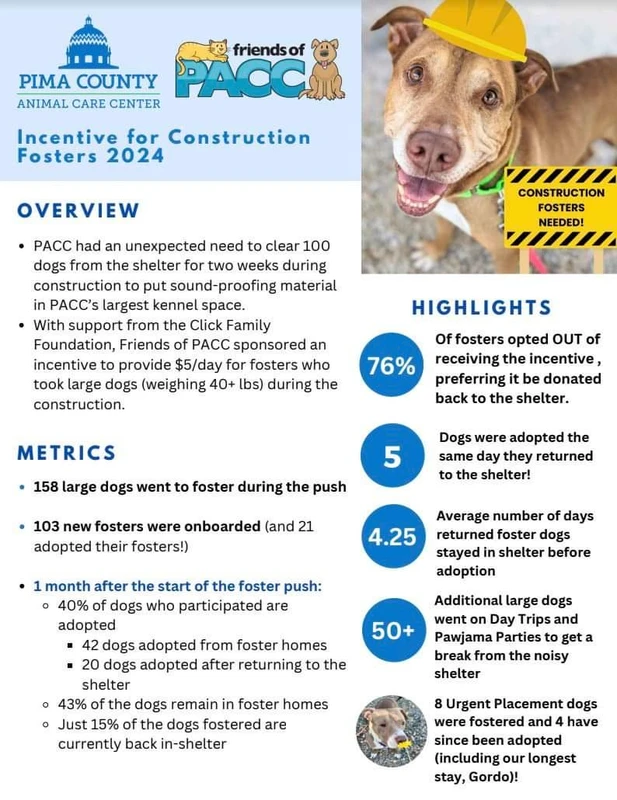
Programs for medical recovery, senior pets, or behavioral rehabilitation.
Providing care during critical periods such as natural disasters or shelter overcrowding.
Allows caregivers to transition from temporary to permanent ownership.
Frequently Asked Questions

What is the typical duration of fostering a pet?
Foster durations usually range from a few weeks to several months, depending on the pet’s age, health, and adoption readiness.
Are veterinary expenses fully covered during fostering?
Yes, reputable shelters cover all veterinary costs, including emergencies, vaccinations, and surgeries for foster pets.
Can I foster if I have resident pets at home?
Many shelters allow fostering with resident pets, provided safe introduction and separation protocols are followed.
Do I need prior experience with pets to become a foster caregiver?
While experience helps, many shelters provide training and mentorship, welcoming first-time foster caregivers committed to learning.
What happens if I want to adopt the foster pet?
Some programs offer foster-to-adopt options, allowing caregivers to adopt their foster pet after evaluation and approval.
This comprehensive guide equips prospective foster caregivers with the knowledge and steps necessary to support shelter animals effectively, ensuring a rewarding fostering experience that benefits pets, caregivers, and the wider community.