
Pros and Cons of Grain-Free Dog Food for Allergies Explained
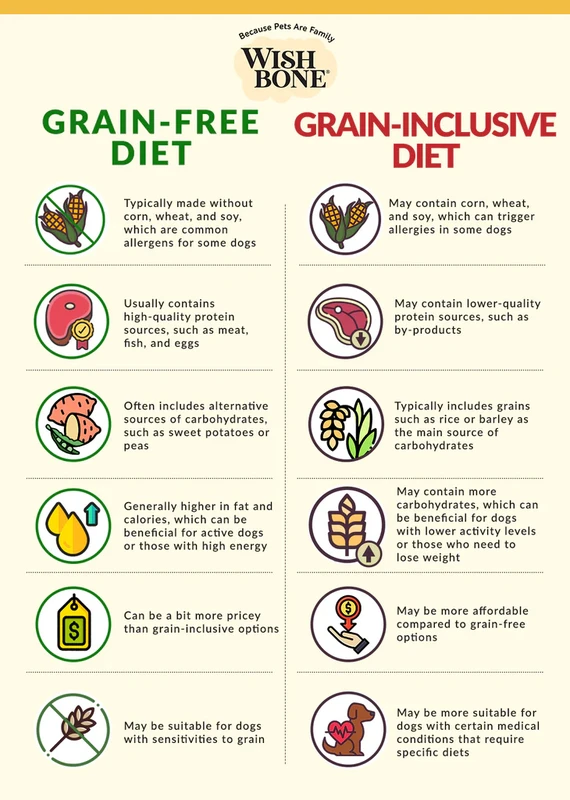
PawVerde.com – Grain-free dog food has surged in popularity as a dietary option touted for alleviating allergies and improving canine health. Designed by excluding cereal grains such as wheat, corn, rice, barley, oats, and soy, these diets substitute alternative carbohydrate sources like peas, lentils, potatoes, and sweet potatoes. While grain-free formulations can benefit the small subset of dogs with confirmed grain allergies, less than 1% of the canine population, veterinary nutritionists caution that most food allergies in dogs stem from proteins rather than grains. The growing debate around grain-free diets also involves concerns about canine dilated cardiomyopathy (DCM), a serious heart condition possibly linked to certain grain-free ingredients, underscoring the importance of veterinary oversight in diet selection.
Dogs with food allergies often display symptoms such as itching, chronic ear infections, gastrointestinal upset, and poor coat condition. Veterinary diagnosis typically involves elimination trials, where suspected allergens are removed to identify triggers. Grain allergies are comparatively rare in dogs; protein allergens from beef, chicken, dairy, or novel proteins tend to be the primary culprits. Grain-free dog food can reduce exposure to cereal grains and potential mycotoxins, which are fungal contaminants affecting grain quality. Alternative carbohydrates like legumes and tubers not only enhance palatability but may also improve digestion for certain dogs. However, these ingredients introduce their own nutritional complexities, including higher legume content that has drawn scrutiny amid FDA investigations into DCM.
The FDA’s ongoing inquiry into a potential association between grain-free dog foods and increased canine DCM cases highlights a critical risk factor. Many implicated diets are rich in legumes and pulses such as peas and lentils, which may affect taurine metabolism or nutrient absorption, although conclusive causality has not been established. Grain-free diets are not inherently low in carbohydrates; substitutes like potatoes contain substantial starch, which can lead to weight gain if portion sizes are not properly managed. Additionally, some grain-free formulations emphasize higher protein and fat content, which may impose metabolic burdens in dogs with specific health conditions. Unsupervised transitions to grain-free diets risk nutritional imbalances if formulations lack veterinary input or comprehensive nutrient testing.
Veterinary nutritionists advocate for precise allergy diagnosis before dietary changes, recommending elimination diets designed with limited ingredients and novel proteins to isolate allergens effectively. Hypoallergenic prescription diets remain the gold standard for managing canine food allergies, ensuring balanced nutrition while minimizing allergenic components. Grain-free diets may be medically justified for dogs with confirmed grain hypersensitivity but are often adopted without such evidence, driven by consumer perception rather than clinical necessity. Regular monitoring and bloodwork, including taurine levels in at-risk breeds, are advised when feeding grain-free foods, particularly those with high legume content.
Limited ingredient and hypoallergenic diets typically exclude multiple common allergens and rely on novel proteins like venison, duck, or turkey, which have lower cross-reactivity. These therapeutic diets are formulated under veterinary guidance to maintain essential nutrient balance and mitigate allergy symptoms. In contrast, grain-free dog foods vary widely in ingredient quality and nutritional adequacy, as some commercial products target the mainstream market without rigorous vet oversight. Pet food manufacturers such as Purina and Blue Buffalo offer grain-free lines that are formulated with veterinary nutrition input, aiming to balance palatability and nutrient profiles while addressing allergy concerns.
The role of alternative carbohydrates in grain-free foods is multifaceted. Legumes provide fiber and protein but contain anti-nutritional factors that may interfere with mineral absorption. Tubers like sweet potatoes offer digestible carbohydrates and antioxidants but contribute to a higher glycemic load. Balancing these ingredients requires precise formulation to avoid unintended consequences such as obesity or micronutrient deficiencies. Veterinary nutritionists emphasize that grain exclusion alone does not guarantee hypoallergenicity or improved health outcomes; comprehensive diet evaluation and individualized plans remain essential.
| Aspect | Grain-Free Dog Food | Limited Ingredient/Hypoallergenic Diets |
|---|---|---|
| Primary Purpose | Exclude cereal grains; alternative carbs used | Reduce number of ingredients to isolate allergens |
| Common Ingredients | Legumes (peas, lentils), tubers (potatoes, sweet potatoes) | Novel proteins (venison, duck, turkey), minimal carbs |
| Allergy Focus | Targets grain allergies (rare) | Targets protein and multiple allergens (common) |
| Veterinary Oversight | Varies; often consumer-driven | Typically prescribed and monitored |
| Risks | Potential DCM link, nutrient imbalance | Lower risk; balanced nutrition |
Veterinary experts, including Dr. Alex Miller and Dr. Lisa Venator, emphasize that while grain-free diets can offer symptomatic relief for dogs with identified grain allergies, the majority of food sensitivities relate to proteins. Clinical experience supports the use of controlled elimination diets followed by gradual reintroduction to pinpoint offending allergens. Reports of improved skin and coat health, reduced itching, and better stool consistency in dogs switched to grain-free diets are common but not universal. These benefits often stem from removing allergenic proteins or additives rather than the absence of grains per se.
The economic aspect of grain-free dog food also merits attention. These diets often carry a premium price compared to traditional grain-inclusive formulas, which can limit accessibility for some owners. Moreover, the variability in ingredient sourcing and formulation standards among brands necessitates scrutiny to ensure nutrient adequacy and safety. Veterinary nutritionists advise owners to consult professionals prior to switching diets, particularly for dogs with pre-existing health conditions or breeds predisposed to DCM.
Looking ahead, ongoing research aims to clarify the pathophysiological mechanisms linking grain-free diets and DCM. Advances in veterinary diagnostics and nutrigenomics may enable personalized dietary recommendations tailored to genetic and metabolic profiles. Integration of comprehensive allergy testing with diet formulation offers the potential for more precise management of canine food sensitivities, balancing efficacy with safety.
What Constitutes Grain-Free Dog Food?
grain-free dog food is defined by the deliberate exclusion of cereal grains such as wheat, corn, rice, barley, oats, and soy. These diets instead incorporate alternative carbohydrate sources, including legumes like peas and lentils, as well as tubers such as potatoes and sweet potatoes. The distinction between grain-free and gluten-free dog foods is critical; gluten-free diets specifically avoid gluten-containing grains like wheat and barley, whereas grain-free diets exclude all cereal grains regardless of gluten content. Grain-free formulations aim to reduce potential grain allergens and may appeal to owners seeking novel dietary options for their pets.
The composition of grain-free dog food varies widely but commonly features higher protein and fat concentrations to compensate for the reduced carbohydrate content from grains. Manufacturers often utilize proteins from beef, chicken, lamb, or novel sources such as venison and duck to diversify amino acid profiles. Some formulas also incorporate dairy derivatives, although these may pose allergenic risks for lactose-intolerant dogs. The inclusion of legumes and tubers not only replaces carbohydrate calories but also contributes dietary fiber and micronutrients, influencing digestibility and palatability.
Food Allergies in Dogs: Grain Versus Protein Sensitivities
Food allergies affect an estimated 1-2% of dogs, with protein allergens representing the majority of cases. Common protein allergens include beef, chicken, dairy, and eggs. In contrast, true grain allergies—sensitivity to wheat, corn, rice, or other cereal grains—are rare, accounting for less than 1% of canine food allergies. Clinical signs of food allergies in dogs encompass pruritus (itchiness), recurrent ear infections, gastrointestinal disturbances such as vomiting and diarrhea, and dermatological issues including redness and hair loss.
Veterinary diagnosis relies on elimination diets combined with careful monitoring of clinical response. Skin testing and serum allergy tests have limited reliability for food allergens, reinforcing the prominence of dietary trials. Grain allergies, when present, can be conclusively identified through exclusion of grains and subsequent symptom improvement. Due to the predominance of protein allergies, diets focusing solely on grain exclusion may fail to resolve allergic manifestations if proteins remain unchanged.
Advantages of Grain-Free Diets in Allergic Dogs
For dogs with confirmed grain allergies, grain-free dog foods provide a direct dietary intervention by eliminating cereal grains that trigger immune responses. Beyond allergen avoidance, grain-free diets reduce exposure to mycotoxins—fungal contaminants commonly found in stored grains—that can adversely affect canine health. Alternative carbohydrate sources such as peas and potatoes enhance palatability and may improve gastrointestinal tolerance in sensitive dogs.
Clinical observations report notable benefits in dogs transitioned to grain-free diets, including reduction in skin inflammation, improved coat shine, increased energy levels, and normalization of stool consistency. These outcomes suggest that grain exclusion, coupled with high-quality protein sources and digestible carbohydrates, can mitigate some allergic and digestive symptoms. However, these benefits hinge on appropriate diet formulation and veterinary supervision to ensure nutrient completeness.
Risks and Controversies Surrounding Grain-Free Diets
The most significant concern associated with grain-free diets is the potential link to canine dilated cardiomyopathy (DCM), a disease characterized by heart muscle weakening and reduced cardiac output. Since the FDA initiated investigations, cases of DCM have been reported in dogs consuming grain-free diets high in legumes and pulses. While a definitive causal relationship remains unproven, hypotheses include interference with taurine bioavailability and imbalanced nutrient profiles.
Grain-free diets are often misconstrued as low-carbohydrate; however, alternative ingredients like potatoes contribute comparable or higher carbohydrate content. Excess carbohydrate intake can predispose dogs to obesity and metabolic disorders if caloric intake exceeds energy expenditure. Additionally, elevated protein and fat levels in some grain-free foods may overwhelm metabolic pathways, especially in dogs with pre-existing organ dysfunction.
Nutritional imbalances may arise if grain-free formulations lack veterinary oversight or fail to meet Association of American Feed Control Officials (AAFCO) standards. The higher cost and variable availability of grain-free diets also present practical challenges for owners. Cost-sensitive consumers may opt for cheaper grain-inclusive diets while seeking veterinary guidance to manage allergies effectively.
Veterinary Guidance and Alternative Dietary Strategies
Veterinary nutritionists emphasize the importance of thorough allergy assessment prior to diet selection. Elimination diets with limited ingredients and novel protein sources remain the cornerstone of food allergy management. Prescription hypoallergenic diets formulated with hydrolyzed proteins or uncommon proteins such as venison, duck, or turkey minimize cross-reactivity and provide balanced nutrition.
Grain-free diets may be appropriate for dogs with confirmed grain hypersensitivity but should not be adopted indiscriminately. Veterinary professionals recommend monitoring taurine levels and cardiac health in breeds predisposed to DCM when feeding grain-free formulas. Collaboration between pet owners, veterinarians, and pet food manufacturers ensures diets meet individual health requirements.
The distinction between therapeutic and commercial grain-free diets is critical. Therapeutic diets undergo rigorous testing and formulation standards, whereas many commercial grain-free products target consumer trends without sufficient nutritional validation. Owners are advised to consult veterinary nutritionists for tailored diet plans, particularly for dogs exhibiting chronic allergic or cardiac symptoms.
Future Directions in Canine Allergy and Nutrition Research
Emerging research focuses on unraveling the complex interactions between diet composition, genetics, and canine health outcomes. Advances in nutrigenomics may enable precision nutrition, optimizing diets based on individual metabolic profiles and allergy predispositions. Longitudinal studies investigating the impact of legumes and alternative carbohydrates on taurine metabolism and cardiac function are underway.
Development of standardized protocols for food allergy diagnosis and diet trials will enhance clinical accuracy. Integration of novel diagnostic tools such as metabolomics and microbiome analysis offers potential for improved allergy management. The pet food industry’s responsiveness to scientific findings will shape future formulations, balancing consumer demand with evidence-based health considerations.
—
Frequently Asked Questions
Is grain-free dog food better for dogs with allergies?
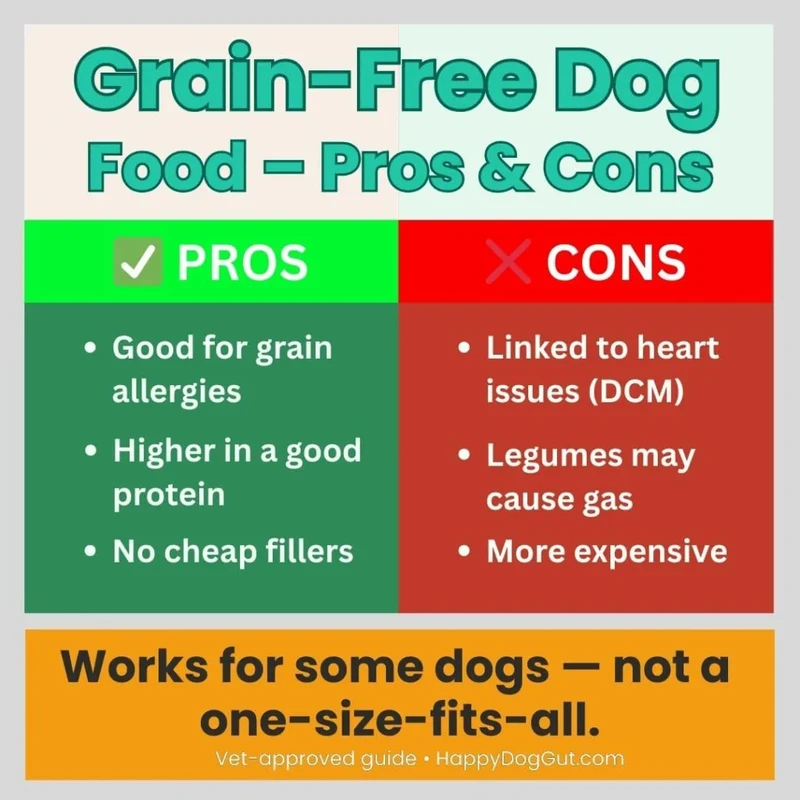
Grain-free dog food benefits dogs with confirmed grain allergies by eliminating cereal grains, but since grain allergies are rare, most allergic dogs require diets that address protein sensitivities. Limited ingredient or hypoallergenic diets with novel proteins are often more effective for managing food allergies.
Can grain-free diets cause heart problems in dogs?
Some grain-free diets high in legumes have been linked to cases of canine dilated cardiomyopathy (DCM), but a direct causal relationship remains unconfirmed. Veterinary monitoring is recommended, especially for breeds prone to DCM, when feeding grain-free diets.
What are common signs of food allergies in dogs?
Common signs include itching, chronic ear infections, gastrointestinal upset, hair loss, and skin redness. Diagnosis requires veterinary-guided elimination diets since symptoms overlap with other conditions.
Are grain-free diets always low in carbohydrates?
No. Grain-free diets often contain alternative carbohydrates like potatoes and peas, which can contribute significant starch and calories. These diets are not inherently low-carb and should be managed accordingly.
How do limited ingredient diets differ from grain-free diets?
limited ingredient diets reduce the number of protein and carbohydrate sources to isolate allergens and are typically prescribed for allergy management. Grain-free diets exclude cereal grains but may contain multiple protein sources and are not necessarily designed for allergy diagnosis.
—
Grain-free dog food offers targeted benefits for a minority of dogs with specific grain allergies but carries risks that necessitate veterinary guidance. The evolving understanding of food allergies and diet-related cardiac health underscores the need for individualized nutrition plans. Pet owners and veterinary professionals must collaborate to balance dietary benefits with potential risks, ensuring safe and effective management of canine allergies.

How to Foster a Pet Successfully: Step-by-Step Guide
PawVerde.com – Successfully fostering a pet requires creating a safe and calm environment that allows the animal to decompress and adjust to their new surroundings. This process involves carefully setting up a dedicated space, managing initial introductions with existing pets, and establishing consistent routines to build trust and promote positive behavior. Foster caregivers must combine practical preparation with behavior support strategies while maintaining clear communication with household members and shelter coordinators. This tutorial provides a comprehensive, step-by-step guide on fostering pets, with actionable instructions drawn from experienced shelter staff and veterinary professionals to ensure positive outcomes for both foster animals and caregivers.
1. Preparing Your Home for a Foster Pet
Before your foster pet arrives, prepare a quiet, secure space where they can decompress. This area should be away from high-traffic zones and other pets initially. A spare bedroom, laundry room, or a similarly enclosed space works best.
Choose a room with a door or gate to restrict the foster animal’s access. The space should be quiet, free from hazards, and comfortable. Ensure temperature control to avoid extremes of heat or cold.
Provide a crate sized appropriately for the animal to retreat to. Line it with clean bedding. Include a sturdy food and water bowl, ideally non-slip and easy to clean. Place toys for enrichment, but avoid overstimulation.
Stock up on pet supplies such as pet-safe cleaning products, leash and collar, grooming tools, and behavior training aids (e.g., clickers or treat pouches). Consult your foster program manual for any specialized items.
Thoroughly clean the foster space before arrival using pet-safe disinfectants recommended by shelter or veterinary professionals. This reduces the risk of disease transmission and creates a fresh environment.
Remove any small objects that could be swallowed or pose choking hazards. Secure electrical cords and block off any escape routes like open windows or gaps under doors.
Allow at least a few hours to a day for the space preparation phase, ensuring everything is ready before the foster animal arrives.
2. Managing Initial Arrival and Decompression
The first 3-4 days in fostering are critical for the pet’s adjustment. This decompression period allows them to acclimate without pressure from new stimuli or social demands.
On arrival, keep the foster animal confined to the designated safe space. Minimize direct handling and interactions except for essential feeding and cleaning.
Maintain low noise levels and dim lighting to reduce stress. Some shelters and foster experts recommend playing soft classical or calming music to soothe the animal.
Monitor signs of stress such as trembling, panting, hiding, or excessive vocalization. Record observations to share with foster coordinators and veterinary professionals.
Feed at consistent times, clean litter or potty areas regularly, and avoid sudden changes in environment or activities.
Include familiar scents if available (e.g., a blanket from the shelter) or safe chew toys to promote relaxation.
This decompression step reduces anxiety and helps foster pets transition smoothly into your home.
3. Introducing Foster Pets to Existing Household Animals
Introducing foster animals to resident pets requires a gradual, controlled approach to prevent conflict and stress. Each animal’s temperament and history will influence timing and methods.
Hold off on any face-to-face meetings for at least 3-4 days during decompression. This gives the foster pet time to settle and lowers the risk of territorial aggression.
Begin with introductions through baby gates or cracked doors to allow scent and sight exposure without direct contact.
Arrange initial meetings on neutral ground if possible or in a controlled room with both animals on leashes. Keep sessions short (5-10 minutes) and positive.
Use treats and verbal praise to reinforce relaxed and friendly interactions. Avoid forcing contact or punishing signs of fear or aggression.
Watch for stress signals such as growling, stiff posture, pinned ears, or raised hackles. If observed, separate animals immediately and try again later.
Keep feeding bowls, beds, and toys separate to prevent competition and resource guarding during the adjustment phase.
Over 1-2 weeks, extend supervised interactions based on positive behavior, eventually allowing off-leash supervised time as appropriate.
Patience and careful observation during introductions reduce risks and support positive multi-pet household dynamics.
4. Establishing a Healthy Daily Routine
Consistent routines provide predictability that fosters a sense of security in foster pets, accelerating adjustment and trust-building.
Match the foster pet’s previous diet initially to avoid digestive upset. Feed at the same times daily, typically twice a day for dogs and cats. Use measured portions to prevent overeating.
Set regular potty breaks for dogs, starting with frequent intervals (every 2-3 hours) during the first days. Incorporate daily walks or playtime to expend energy and promote well-being.
Schedule calm social interactions with household members, gradually increasing duration and complexity as comfort improves.
Clean bedding, litter boxes, and food/water dishes daily to maintain hygiene and prevent illness.
Maintain a daily log of feeding times, behavior observations, physical health, and any incidents. Share this information with foster coordinators for ongoing support.
Provide puzzle toys, safe chew items, and training exercises to stimulate mental and physical health.
This predictable structure supports the foster pet’s physical and emotional health throughout the stay.
5. Behavior Support and Training
Effective behavior support is vital for helping foster pets overcome anxiety, fear, or past trauma and prepare for permanent adoption.
Reward desired behaviors such as sitting calmly, using the potty, or gentle play with treats, praise, and affection. This encourages repetition of good behaviors.
Instead of punishment, use distraction or redirection techniques. For example, if the foster dog jumps up, redirect to a sit command and reward compliance.
All household members should use the same commands and behavior expectations to avoid confusing the foster pet.
Identify stressors such as loud noises or certain handling and work to desensitize gently over time under guidance from shelter staff or trainers.
Employ crates, leashes, and calming wraps as aids, but avoid harsh tools or methods that may increase fear or aggression.
Socialize the foster pet with new people and environments gradually. Teach basic commands to enhance adoptability.
Working closely with rescue organizations and veterinary behaviorists ensures that training aligns with best practices for animal welfare.
6. Family Involvement and Communication
Engaging all household members, especially children, promotes a supportive environment that benefits foster pets and caregivers.
Provide age-appropriate information about the foster pet’s needs, behavior signals, and safety rules. Encourage questions and empathy development.
Clarify tasks such as feeding, cleaning, and playtime duties to spread caregiving evenly.
Children should always be supervised when interacting with foster animals to prevent accidental injury or stress.
Hold regular family discussions to share observations and adjust care routines as needed.
Discuss the temporary nature of fostering and the importance of preparing for eventual adoption or transfer.
Family involvement strengthens the foster pet’s socialization and creates a positive caregiving atmosphere.
7. Support from Foster Programs and Organizations
Successful fostering depends on active collaboration with shelter or rescue coordinators who provide guidance, resources, and oversight.
Adhere strictly to the foster manual regarding care standards, reporting, and communication.
Utilize online or in-person training sessions offered by the organization covering behavior management, health care, and emergency procedures.
Submit detailed updates on the foster pet’s health, behavior, and any incidents as required. Prompt communication helps coordinators provide timely support.
Coordinate with veterinary professionals for routine check-ups, vaccination, and health concerns.
Connect with other foster volunteers for advice, encouragement, and shared experiences.
This network of support enhances foster success and animal welfare.
Troubleshooting Common Fostering Challenges
Despite careful preparation, foster caregivers may face difficulties. Addressing these proactively improves outcomes.
Extend decompression time, increase calming aids, and consult with shelter behaviorists.
Revert to separation and slower introduction steps, use professional guidance for behavior modification.
Verify food preferences, try hand feeding, and rule out medical issues with a veterinarian.
Provide additional enrichment and exercise; redirect attention positively.
Increase potty breaks, reinforce training patiently, and rule out health problems.
Consistent monitoring and communication with professionals help resolve most fostering issues effectively.
Common Mistakes to Avoid
Avoiding these errors ensures a smoother fostering experience.
Alternative Methods and Tips
These alternatives tailor fostering to unique home and pet situations.
FAQ

How long should a foster pet stay separated from resident animals?
Typically, a foster pet should remain separated for at least 3-4 days during the decompression phase before any introductions. This reduces stress and helps prevent conflicts.
What are the essential supplies needed for fostering a dog?
Key supplies include a crate, bedding, food and water bowls, leash and collar, appropriate food, toys, grooming supplies, and cleaning products. Check with your foster program for specific requirements.
How can I help a foster pet overcome fear or anxiety?
Maintain a calm, predictable environment, use positive reinforcement training, provide safe spaces, and consider calming aids like music or pheromone diffusers. Consulting shelter behaviorists is recommended for severe anxiety.
What should I do if my foster pet shows aggression towards my other pets?
Immediately separate the animals and slow down the introduction process. Use controlled, gradual meetings and seek guidance from foster coordinators or animal behavior professionals.
Can children be involved in pet fostering?
Yes, children can participate with proper education and supervision. It’s important to teach them how to interact safely and respectfully with foster animals.
—
Fostering a pet requires dedication, patience, and collaboration with animal welfare professionals, but it offers invaluable support to shelter animals awaiting permanent homes. By following evidence-based steps—from home preparation to behavior training and family involvement—foster caregivers can create nurturing environments that promote healing and successful adoption outcomes. Staying engaged with foster programs and continuously adapting care according to the pet’s needs ensures every foster experience contributes positively to animal welfare and community support.