
Are Organic Cotton Pet Toys Worth It for Dogs? Key Benefits Explained
PawVerde.com – Organic cotton pet toys have gained prominence as safer, chemical-free alternatives to conventional dog toys, appealing to pet owners who prioritize health and environmental responsibility. These toys, crafted from cotton grown without synthetic pesticides or fertilizers, minimize chemical exposure risks for dogs, particularly those with allergies or sensitive skin. While organic cotton toys tend to be softer and better suited for gentle chewers, their eco-friendly production methods and certifications such as GOTS (Global Organic Textile Standard) reinforce their sustainability credentials. Despite a higher price point, the combination of health benefits and environmental impact reduction positions organic cotton pet toys as a valuable investment for conscientious dog owners.
Safety and Health Benefits of Organic Cotton Pet Toys
Conventional pet toys often expose dogs to harmful chemicals including pesticide residues, synthetic dyes, and toxic additives that may cause skin irritation, digestive issues, or allergies. Organic cotton pet toys eliminate these risks by utilizing fibers cultivated through sustainable farming practices that avoid hazardous chemical inputs. The absence of synthetic fertilizers and pesticides in organic cotton reduces the likelihood of chemical residues lingering on toys, which can otherwise be ingested or absorbed through a dog’s skin.
For dogs with sensitivities or allergies, organic cotton toys offer non-toxic alternatives that help alleviate symptoms. The natural fibers are breathable and soft, reducing friction and irritation on sensitive skin. Additionally, many organic cotton toys incorporate natural filling materials such as coconut fiber or wool, which further reduce exposure to synthetic materials that could trigger allergic reactions. Brands like Aurora Paws and EcoFurBall emphasize chemical-free manufacturing processes, catering to pets with heightened health concerns.
Environmental Impact and Sustainability of Organic Cotton Pet Toys
Organic cotton farming significantly lowers environmental footprint compared to conventional cotton agriculture, which relies heavily on water, pesticides, and synthetic fertilizers. Organic cultivation uses crop rotation, natural pest management, and non-GMO seeds, sustaining soil health and biodiversity while conserving water resources. This approach contrasts with the intensive resource consumption and pollution associated with standard cotton farming.
When compared to alternative materials like hemp and natural rubber, organic cotton offers certain sustainability advantages but also limitations. Hemp requires less water and grows faster, making it more durable and eco-friendly for heavy chewers, while natural rubber is biodegradable but can involve complex extraction processes. However, organic cotton’s softness and renewable nature make it a preferred material for gentle play and mental stimulation toys.
Certification schemes such as GOTS and OEKO-TEX provide rigorous validation of organic cotton’s sustainable production, ensuring compliance with environmental and social standards. Brands such as West Paw, P.L.A.Y., and The Kind Pet Marketplace leverage these certifications to demonstrate their commitment to eco-conscious pet product manufacturing. These certifications also prohibit the use of toxic dyes and chemical finishes, reinforcing the safety profile of organic cotton toys.
Durability and Suitability for Different Chewing Behaviors
The durability of organic cotton pet toys varies widely depending on toy construction and the individual dog’s chewing habits. Organic cotton fibers are naturally softer and less abrasion-resistant than hemp or synthetic materials, making them optimal for gentle chewers and dogs that favor mental stimulation over aggressive biting. However, power chewers may cause rapid fraying and destruction of organic cotton rope toys, potentially leading to ingestion of loose fibers.
Hemp toys, by comparison, offer superior tensile strength and resistance to wear, suitable for dogs that exhibit destructive chewing behavior. Natural rubber chew toys provide another durable option, combining toughness with biodegradability. Pet owners should assess their dog’s chewing style when selecting toys, balancing safety with longevity.
Experts advise regular inspection of organic cotton toys to monitor wear and tear, emphasizing timely removal of damaged toys to prevent ingestion hazards. Some brands integrate reinforced stitching and natural fiber blends to enhance durability without compromising eco-friendly attributes. For example, Planet Dog and Goughnuts produce hybrid toys that merge organic cotton with tougher materials for extended lifespan.
Practical Considerations and Maintenance of Organic Cotton Dog Toys
Maintaining organic cotton pet toys requires consistent cleaning and care to prolong usability and prevent bacterial buildup. Most organic cotton toys are machine washable or can be hand-cleaned with mild, non-toxic detergents. Avoiding harsh chemicals during cleaning preserves the natural fibers and reduces irritation risks for pets.
Rotation of toys and regular inspection are critical for managing wear and maintaining safety. Organic cotton toys should be replaced promptly upon signs of excessive fraying or damage. Though initial costs for organic cotton toys tend to be higher than conventional options, their durability with proper care and enhanced safety profile offer long-term value.
Cost considerations also include the environmental benefits, as eco-friendly manufacturing reduces waste and resource depletion. Brands like SodaPup and PetAssure provide a range of organic cotton toys with varied price points, making sustainable pet toy ownership accessible to a broader audience.
Market Availability and Brand Examples of Organic Cotton Pet Toys
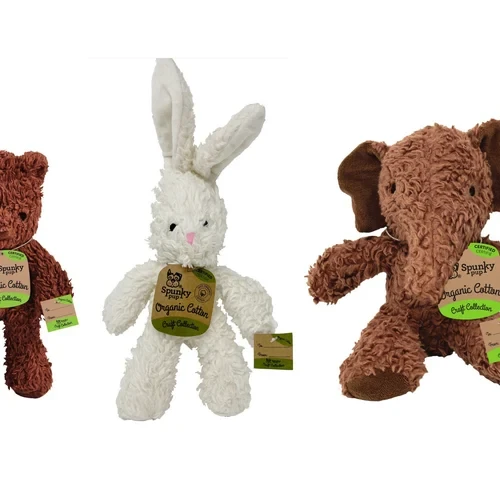
Several reputable brands have established themselves in the organic cotton pet toy market, offering a diverse array of products including plush toys, ropes, and chewables. Our Green House and EcoFurBall specialize in chemical-free plush toys made from certified organic cotton, while Aurora Paws focuses on eco-friendly ropes and interactive toys.
Innovations in this sector include treat-dispensing and puzzle toys designed to stimulate dogs mentally while adhering to eco-conscious principles. For example, P.L.A.Y. and West Paw incorporate organic cotton in their interactive toy lines, combining sustainability with functional enrichment.
The market also features hybrid toys that merge organic cotton with hemp or natural rubber, addressing durability concerns for more aggressive chewers. Brands such as Goughnuts and Planet Dog excel in this niche, promoting safety with chemically inert materials and durable construction.
| Material | Durability | Environmental Impact | Suitability | Certification Availability |
|---|---|---|---|---|
| Organic Cotton | Moderate (best for gentle chewers) | Low (sustainable farming, water-saving) | Sensitive dogs, soft toys | GOTS, OEKO-TEX |
| Hemp | High (resistant to heavy chewing) | Very Low (fast-growing, low water use) | Power chewers, durable toys | GOTS (less common) |
| Natural Rubber | High (durable, tough) | Moderate (biodegradable but extraction impact) | Chewers, chew toys | Varies by brand |
FAQ
FAQ
Are organic cotton pet toys safer for dogs with allergies?
organic cotton pet toys reduce exposure to pesticides, synthetic dyes, and toxic additives, making them safer for dogs with allergies or sensitive skin. Their natural fibers and chemical-free fillings minimize irritation and allergic reactions.
How do organic cotton toys compare in durability to hemp or rubber toys?
organic cotton toys are softer and less durable than hemp and natural rubber, making them ideal for gentle chewers. Hemp toys offer greater resistance to heavy chewing, while rubber toys provide toughness and longevity.
What certifications ensure the sustainability of organic cotton pet toys?
The Global Organic Textile Standard (GOTS) and OEKO-TEX certifications verify sustainable farming practices, chemical-free processing, and social compliance in organic cotton pet toys.
How should I clean and maintain organic cotton dog toys?
Organic cotton toys should be washed regularly with mild, non-toxic detergents, either by hand or machine. Regular inspection and prompt replacement of damaged toys are essential to maintain safety and hygiene.
Are organic cotton pet toys worth the higher cost?
While organic cotton toys often cost more upfront, their health benefits, reduced environmental impact, and suitability for sensitive dogs justify the investment for responsible pet owners prioritizing safety and sustainability.
Organic cotton pet toys represent a meaningful advancement in pet care, merging health-conscious design with environmental stewardship. As demand for sustainable pet products grows, innovations in material blends and certifications will likely enhance durability and accessibility, offering dog owners more options to align playtime with ethical values. Careful selection based on chewing behavior and maintenance practices will maximize the benefits of these eco-friendly options, shaping the future of responsible pet ownership.