
Low Carbon Dog Diets: How to Switch to Sustainable Protein
PawVerde.com – Reducing a dog’s carbon footprint involves transitioning from high-impact proteins like beef to lower-emission alternatives like pea protein, insect-based ingredients, or plant-based formulas. While beef produces 35.0 kg CO2eq per 100g, pea protein produces just 0.4 kg, offering a massive reduction in environmental pressure.
A global shift to vegan dog food alone could eliminate more greenhouse gas emissions than the total annual emissions from the United Kingdom and New Zealand combined, according to industry reports.
A successful transition relies on a controlled ratio increase. Practitioners suggest the following schedule to mitigate the risk of digestive upset:- 75% current diet + 25% new low-carbon protein.
- 50% current diet + 50% new low-carbon protein.
- 25% current diet + 75% new low-carbon protein.
- 100% new low-carbon protein.
When implementing Alternative Protein Integration, owners should monitor stool consistency daily. If a dog shows signs of sensitivity, the transition should be paused at the current ratio before proceeding. Sustainable Ingredient Selection also involves looking for non-synthetic, GMO-free, and locally sourced components, a practice recommended by Nature’s Logic to reduce individual environmental footprints.
While daily meals receive the most attention, the carbon cost of high-protein treats is disproportionately high. A single 100g portion of beef protein generates 35.0 kg CO2eq, whereas 100g of pea protein generates only 0.4 kg CO2eq. This massive discrepancy means that replacing a beef-based jerky treat with a vegetable or pea-based alternative can slash the “pawprint” of a single snack session by nearly 90%.
Small, frequent rewards can accumulate a significant environmental debt. To perform a treat audit, check ingredient labels for beef, lamb, or venison and swap them for plant-based or insect-derived options.
Plant-based diets are significantly more efficient than meat-based diets. For every 1,000 kcal, plant-based diets require only 2.73 square meters of land, whereas beef-based diets require 102.15 square meters and lamb-based diets require 111.47 square meters.
Resource requirements vary widely by protein source. The following data illustrates the divergence in land use and emissions between common dietary archetypes.
| Diet Type | Land Use (m² / 1,000 kcal) | GHG Emissions (kg CO2eq / 1,000 kcal) |
|---|---|---|
| Plant-based | 2.73 | 2.82 |
| Poultry-based | Not specified | 4.68 |
| Beef-based | 102.15 | 31.47 |
| Lamb-based | 111.47 | 12.85 |
This comparison highlights why moving away from ruminant animals is the most effective lever for pet owners. The data shows that a beef-based diet requires over 37 times more land than a plant-based diet to provide the same caloric energy.
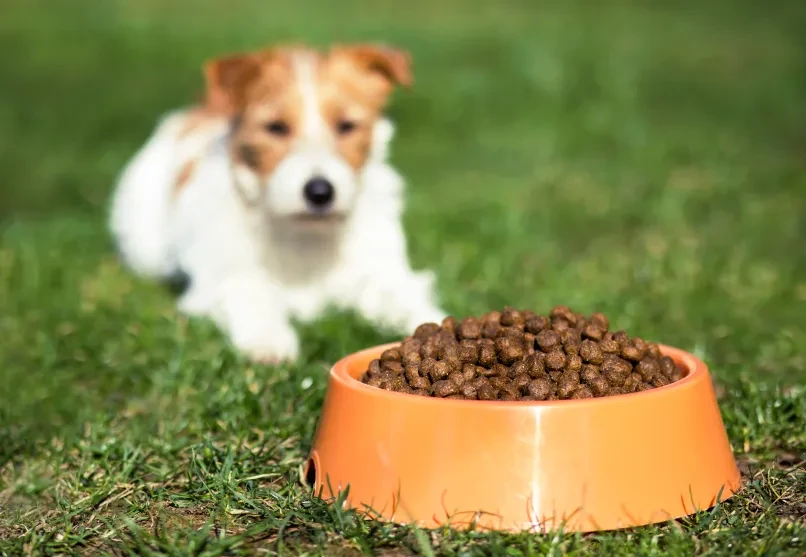
The physical form of pet food significantly influences its total carbon impact. Research indicates that dry pet foods generally have a lower environmental impact per 1,000 kcal compared to their wet counterparts. Specifically, wet food can reach emission rates of 33.56 kg CO2eq/1,000 kcal, while dry food sits much lower at 4.25 kg CO2eq/1,000 kcal.
Wet food emissions are significantly higher than dry food, which sits at 4.25 kg CO2eq/1,000 kcal. This gap exists because wet food reaches rates as high as 33.56 kg CO2eq/1,000 kcal.
Nutritional balance is the primary concern for long-term health. While shifting to lower-impact proteins is beneficial, biological requirements must be met.
WARNING: Transitioning to a vegan or highly alternative diet without professional guidance can lead to nutritional imbalances. Always consult a veterinarian before making radical dietary changes, especially for dogs with existing medical conditions.
For dogs managing chronic conditions like kidney disease, protein quality and phosphorus levels are critical. While meat-based diets are traditional, the focus should be on highly digestible proteins that minimize metabolic waste. In these cases, the goal is not just “low carbon” but “low metabolic stress.”
Insects can serve as a sustainable novel protein source. To ensure a low-carbon profile, these ingredients should be raised on waste-based or low-impact organic matter rather than conventional grain.Reducing waste is a core pillar of a circular economy in pet nutrition. The “Whole-Animal Feeding” method involves incorporating bones, connective tissue, and organs—often referred to as companion-grade ingredients—to maximize the utility of each animal. This approach mirrors natural prey models and reduces the waste associated with only using muscle meat.
Manufacturers can utilize animal by-products (ABP) to create more sustainable foods. Using by-products that lack other alternative uses helps maximize the utility of each animal.