
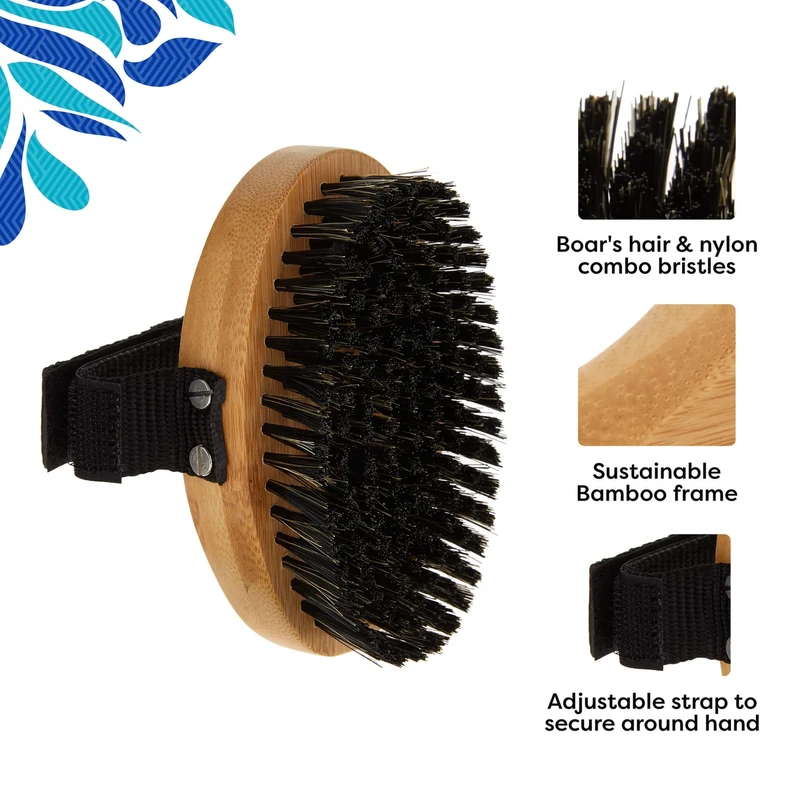
Sustainable Bamboo Pet Brushes: Why Bamboo Beats Plastic
PawVerde.com – Sustainable bamboo pet brushes offer a high-performance, low-impact alternative to plastic and rubber grooming tools. By utilizing rapidly renewable bamboo and natural bristles, these brushes minimize carbon footprints (as low as 0.4 kg CO₂e/unit) while preventing the microplastic shedding and static buildup common in synthetic grooming equipment.
Certified bamboo brushes can have a carbon footprint as low as 0.4–0.7 kg CO₂e/unit, which is significantly lower than the 1.2–2.1 kg CO₂e/unit found in recycled plastic alternatives. This distinction is critical for pet owners aiming to reduce their household’s total environmental impact through informed purchasing decisions.
The Material Science: Why Bamboo Outperforms Rubber and Plastic
Bamboo is functionally superior to rubber because it is calibrated to keratin’s surface energy, preventing the electrostatic buildup and microplastic shedding seen in synthetic tools. Unlike rubber mitts, which can act as temporary adhesives and generate static, bamboo brushes provide a clean lift for undercoats without damaging the skin barrier.
Biomechanical advantages over rubber
Material choice dictates biomechanical outcome—not just ethics. Dr. Lena Cho, a Textile Biophysicist & Pet Dermatology Consultant, explains:
“Material choice dictates biomechanical outcome—not just ethics. Bamboo isn’t ‘nicer’; it’s functionally calibrated to keratin’s surface energy and tensile behavior. Rubber, by contrast, behaves like a temporary adhesive: effective until it isn’t—and then it’s actively counterproductive.”
This means that while a rubber mitt might feel effective by grabbing hair, it often creates an electrostatic environment that makes grooming difficult. Bamboo provides a neutral surface that interacts more predictably with animal hair.
The microplastic problem in synthetic grooming
Synthetic grooming tools present a hidden environmental and health risk through polymer degradation. Rubber mitts, even “natural” latex variants, generate static when rubbed against dry fur and shed microscopic polymer particles during washing, according to Alibaba LifeTips. This shedding contributes to microplastic accumulation in domestic environments. In contrast, bamboo is a natural resource that grows rapidly without the need for pesticides, offering a way to avoid these microscopic pollutants entirely.
The Greenwashing Checklist: How to Spot Truly Sustainable Brushes
According to Alibaba LifeTips, switching to bamboo does not automatically reduce environmental impact. Sustainability depends on specific material choices throughout the product lifecycle.
Avoiding formaldehyde-based resins
Manufacturers may use toxic binders to increase durability. To ensure a tool is truly sustainable, consumers should verify that bamboo is not harvested from cleared rainforests or treated with formaldehyde-based resins.
The hybrid brush trap: Nylon and PP risks
Watch for these specific indicators of greenwashing in hybrid models:
- Bristle Composition: Many hybrid “Bamboo” brushes use nylon or PP (polypropylene) bristles, which carry a high microplastic shedding risk.
- Functional Lifespan: Hybrid models often have a shorter functional lifespan of only 3–8 months, compared to the 3–5 years expected from a pure bamboo brush.
- carbon footprint: While a certified bamboo brush sits at 0.4–0.7 kg CO₂e/unit, a hybrid bamboo brush can see a footprint as high as 1.8–2.9 kg CO₂e/unit.
Longevity and Maintenance: Preventing Bamboo Swelling and Warping
Bamboo is an organic, porous material. Unlike injection-molded plastic, it requires specific handling to prevent structural failure.
Warning: Avoid storing bamboo brushes in humid bathrooms. Bamboo is a natural material that can swell and warp if it becomes saturated with moisture or stored in high-humidity environments.
The humidity danger zone
Moisture absorption is a primary failure mode. If a brush is left in a damp environment, the wood fibers expand, which can lead to warping or even cracking. To maximize the 3–5 year expected lifespan of a high-quality bamboo brush, it must be kept in a dry, well-ventilated area.
Step-by-step cleaning protocol
Following these steps from the Bamboo Brush Maintenance techniques ensures the tool remains hygienic and structurally sound:
- Remove fur from the brush after each use.
- Wipe the handle and bristles with a damp cloth.
- Allow the tool to air dry completely in a low-humidity zone before storage.
For optimal grooming results, perform light head-to-tail strokes for 60 seconds. It is also recommended to brush 1–2 hours after your pet has rested to ensure the skin is relaxed and fur is at optimal moisture equilibrium.
The Coat-to-Brush Matrix: Matching Tools to Your Pet
Selecting the right bamboo brush depends on coat type: use sisal and steel pin combinations for thick undercoats to lift fur without static, and natural boar bristles for short-haired breeds to distribute skin oils and increase shine. Avoid rubber-based tools for long-haired breeds to prevent microplastic contamination.
| Coat Type | Recommended Bamboo Tool | Primary Benefit |
|---|---|---|
| Thick/Double Coat | Sisal & Steel Pin Brush | Effective undercoat removal without static |
| Short/Smooth Coat | Natural Boar Bristle Brush | Distributes oils and increases shine |
| Long/Fine Hair | Fine-tooth Bamboo Comb | Tangle prevention and debris removal |
Double coats and deshedding tools
For breeds with heavy undercoats, tools like those from Smile Boutiques that feature sisal and steel bristles are highly effective. These combinations provide the mechanical strength needed to lift loose fur cleanly. Unlike rubber mitts, these tools do not generate the electrostatic buildup that can cause hair to stick to the skin rather than being lifted away.
Short hair and oil distribution
Natural boar bristles promote skin health by distributing oils throughout the coat. This method creates a natural shine and avoids the static electricity generated by synthetic bristles.
End-of-Life: A Circularity Guide for Bamboo Tools
Because bamboo brushes are biodegradable, they offer a significant advantage over plastic tools that persist in landfills for centuries.
Separating metal from wood
Hybrid brushes often face issues with bristle detachment. To manage disposal, users should separate metal pins or steel bristles from the bamboo handle.
Composting vs. Recycling
Pure, untreated bamboo handles can be composted. However, if the brush contains non-removable plastic components, it must be treated as general waste.
Comparison of Eco-Friendly Grooming Lifespans
Pet owners can compare the following expected lifespans to evaluate long-term value:
| Grooming Tool | Expected Lifespan | Sustainability Profile |
|---|---|---|
| Bamboo Brush | 3–5 years | High (Biodegradable) |
| Grooming Gloves | 2–4 years | Variable (Depends on material) |
| Self-Cleaning Brush | 5–10 years | Moderate (Often contains plastic) |
| Deshedding Tool | 5–10 years | Moderate (High durability) |
| Stainless Steel Comb | Lifetime | Very High (Recyclable) |
| Nail Clippers | Lifetime | Very High (Recyclable) |
FAQ
How often should I use a bamboo pet brush?
For optimal results on dry coats, use the brush 2–3x weekly. Ensure you brush 1–2 hours after your pet has rested to allow skin relaxation and moisture equilibrium.
Can I store my bamboo brush in the bathroom?
Avoid humid bathrooms. Bamboo is a natural material that can swell and warp if it becomes saturated with moisture.
Are hybrid bamboo brushes actually eco-friendly?
Not necessarily. Many hybrid brushes use nylon or PP (polypropylene) bristles, which carry a high microplastic shedding risk and a shorter functional lifespan (3-8 months) compared to pure bamboo options.