
Sustainable Pet Travel: How to Reduce Your Carbon Pawprint
PawVerde.com – Sustainable pet travel is evolving as owners face new 2024 US importation rules and rising awareness of pet-related emissions. From choosing long-haul flights over short hops to swapping plastic waste bags for compostable alternatives, travelers can significantly reduce their ‘carbon pawprint’ while maintaining pet safety and regulatory compliance.
An average-sized dog generates approximately 770 kilogrammes of carbon dioxide annually, according to the Natural History Museum.
Material Science: Why Silicone and Hemp Win
To reduce environmental impact, owners can select products made from natural or renewable materials. Effective alternatives include:
- Toys manufactured from hemp or organic cotton.
- Durable leads and collars designed for longevity.
- Collapsible silicone bowls for Sustainable Travel Packing.
Environmental impact can be minimized by choosing specific materials. For example, switching to lower-carbon protein sources like chicken or fish can significantly cut emissions compared to beef or lamb, as noted by scientist Natalie Cooper.
The Dangers of Disposable Hygiene Products
Disposable hygiene products contribute to non-biodegradable waste during transit. Travelers can mitigate this by replacing single-use items with durable versions, such as using cloth wipes instead of disposable ones.
New 2024 Regulations and Compliance for US Travel
New importation rules for dogs entering or returning to the U.S. became effective in August 2024. These regulations require strict adherence to the standards set by the USDA Animal and Plant Health Inspection Service.
One critical requirement is the minimum age for dogs; animals must be at least 6 months old to enter or return to the United States. Failure to meet these age requirements or documentation standards can result in significant delays or denied entry at the border. Travelers should verify all health certifications through official USDA channels to ensure seamless compliance with these updated mandates.
Comparing Carbon Intensity: Flight vs. Rail vs. Road
For the lowest carbon footprint, international rail (Eurostar) emits only 6g of CO2 per passenger km, far outperforming driving alone or short hops. While long flights (150g CO2/km) are more efficient than short flights (255g CO2/km) due to take-off energy, carpooling remains a vital way to halve driving emissions.
Take-off uses much more energy than the ‘cruise’ phase of a flight. This makes short-range flights more carbon-intensive than long-haul options.
| Transport Mode | CO2e per Passenger km | Sustainability Winner |
|---|---|---|
| Eurostar (International Rail) | 6g | Primary Winner |
| Long Flight | 150g | Secondary Option |
| Medium Gasoline Car | 192g | Requires Carpooling |
| Short Flight | 255g | Least Efficient |
The data shows that choosing rail at 6g of CO2e per passenger km over a short flight at 255g provides a substantial reduction in emissions.
The Sustainability vs. Convenience Decision Matrix
Driving alone is one of the most carbon-intensive travel methods. However, adding just one passenger to a vehicle can cut the per-person emissions in half through carpooling.
While rail offers the lowest emissions, pet owners may need to consider travel needs such as the recommendation for car rides to include breaks every 2 to 3 hours. In these instances, a medium gasoline car with carpooling provides a different balance of utility and emissions.
Avoiding Common Travel Pitfalls for Pet Wellbeing
Travelers must account for biological needs to prevent physical distress. Mismanaging energy or nutrition can lead to stress during the journey.
Dr. Shecter notes that “one common misconception is that the best way to prepare a dog for travel is to completely exhaust them beforehand.” Furthermore, full days of sightseeing, including crowded restaurants and hot pavement, can be physically and mentally exhausting for pets. To ensure comfort, practitioners recommend Strategic Meal Timing: feed pets once they arrive at their destination rather than right before travel to prevent nausea and motion sickness.
FAQ
As of August 1, 2024, new importation rules are in effect. Ensure dogs are at least 6 months old and comply with USDA Animal and Plant Health Inspection Service requirements.
Difference Between Biodegradable and Plastic Pet Toys Explained
PawVerde.com – biodegradable pet toys represent a growing segment in sustainable pet care, designed to mitigate the environmental burden caused by conventional plastic pet toys. Annually, millions of plastic pet toys accumulate in landfills worldwide, persisting for centuries due to their synthetic compositions such as nylon and polyester. This persistence contributes to escalating plastic pollution and microplastic contamination, raising concerns for ecosystems and pet health alike. In contrast, biodegradable pet toys primarily utilize natural fibers and sustainably sourced materials that degrade under appropriate conditions, offering a pathway to reduce landfill waste and associated ecological impacts.
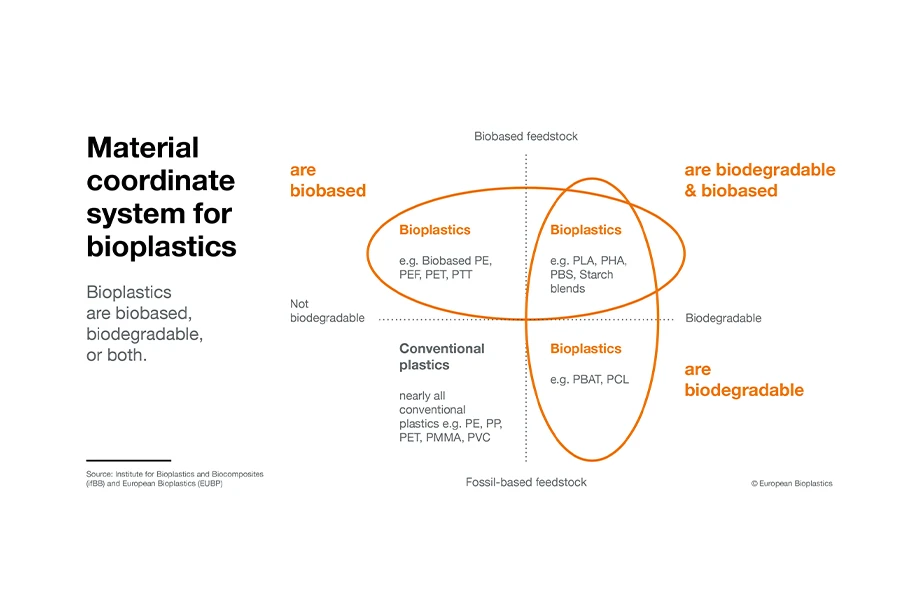
The distinction between biodegradable and plastic pet toys extends beyond mere material composition to encompass environmental persistence, health safety, and lifecycle management. Biodegradable pet toys incorporate fibers like hemp, organic cotton, and jute, along with sustainably harvested rubber and recycled fabrics, formulated to break down naturally through microbial activity. However, biodegradation rates depend heavily on environmental conditions, often requiring industrial composting facilities to complete decomposition effectively. Conversely, plastic pet toys made from synthetic polymers withstand natural degradation for decades or longer, fragmenting into microplastics that infiltrate soil and waterways. The term “biodegradable” is frequently misapplied to certain plastics that only partially degrade or require specific conditions rarely met in typical waste streams, complicating consumer understanding.
Natural materials used in biodegradable pet toys provide not only environmental advantages but also health benefits for pets. Hemp, organic cotton, and wool offer durable fibers that resist wear while remaining non-toxic and free from harmful additives common in synthetic plastics. Sustainably harvested rubber and hardwood components contribute elasticity and robustness without introducing chemical contaminants. Manufacturing processes increasingly emphasize non-toxic dyes and adhesives, aligning with certifications such as Global Organic Textile Standard (GOTS), Ecocert, and B Corp, which verify environmental and social responsibility. Pet owners benefit from reduced exposure to toxins such as phthalates and BPA, which are prevalent in many plastic pet toys and linked to adverse health effects.
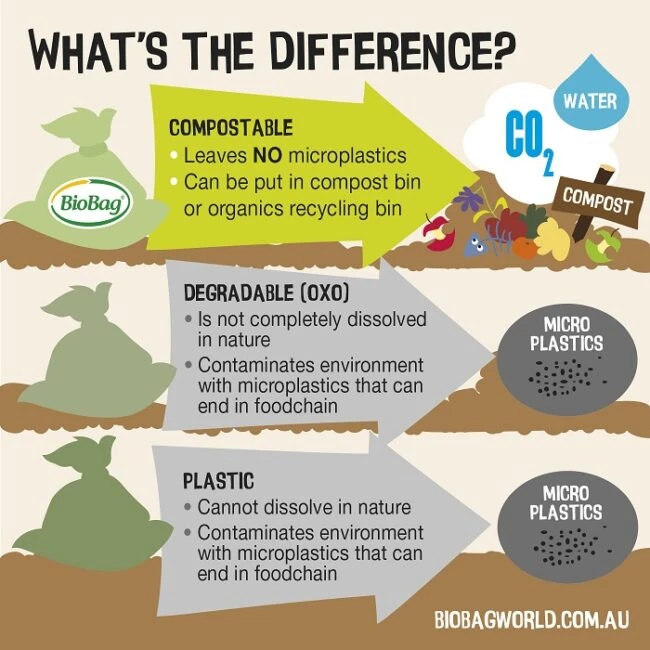
The environmental advantages of biodegradable pet toys include significant reductions in plastic pollution and the prevention of microplastic generation. While biodegradable plastics can fragment into microplastics if disposed of improperly, natural fiber-based toys decompose more completely, returning organic matter to the soil without residual contamination. Compostable dog waste bags exemplify this benefit, decomposing swiftly under industrial composting conditions and avoiding the microplastic residues common with conventional plastic bags. Additionally, biodegradable toys often exhibit enhanced durability relative to cheaper plastic alternatives, extending product lifespan and decreasing replacement frequency, which cumulatively reduces overall environmental impact.
Despite these benefits, biodegradable pet toys face limitations that require consumer awareness. Effective biodegradation generally necessitates specific conditions—such as elevated temperatures, moisture, and microbial presence—found in industrial composting but lacking in typical landfill environments, where many biodegradable items may persist similarly to plastics. Moreover, certain biodegradable plastics labeled as such may only partially decompose or fragment into microplastics, undermining environmental goals. The presence of certifications like B Corp or GOTS serves as a critical guidepost for buyers, ensuring products meet rigorous sustainability and safety standards. Pet owners should evaluate disposal options and local composting infrastructure to maximize environmental benefits.
Plastic pet toys continue to dominate the market due to low production costs and material versatility, but their environmental and health risks are substantial. Synthetic plastics such as nylon and polyester resist degradation, accumulating in landfills and natural habitats for centuries. This persistence contributes to the global plastic pollution crisis, with microplastic particles infiltrating ecosystems and the food chain. Chemical additives in plastic toys can leach toxins, posing risks to pet health through ingestion or prolonged contact. The durability of plastic toys often leads to prolonged presence in waste streams, exacerbating environmental contamination and complicating waste management efforts.
Pet owners seeking sustainable alternatives can adopt several strategies to minimize environmental impact while ensuring pet safety. Prioritizing toys made from natural, certified materials such as hemp, organic cotton, and sustainably harvested rubber supports ecological balance and reduces chemical exposure risks. Additionally, engaging in DIY pet toy creation using household materials or repurposing old toys extends product lifespans and diverts waste from landfills. Proper disposal practices, including the use of compostable dog waste bags and participation in local composting programs, enhance the biodegradation of pet-related products. Awareness of product certifications and manufacturer transparency further empowers consumers to make informed purchasing decisions grounded in environmental responsibility.
Innovation in sustainable pet toy manufacturing continues to evolve, driven by advances in low-waste production methods and ethical sourcing. Industry initiatives increasingly incorporate recycled fabrics and sustainably harvested raw materials to reduce carbon pawprints. Emerging technologies focus on developing truly compostable and non-toxic materials that maintain durability without compromising biodegradability. Market trends reveal growing consumer demand for eco-certified pet products, prompting manufacturers to pursue certifications such as Ecocert and B Corp to validate sustainability claims. This trajectory suggests a future where sustainable pet accessories become mainstream, aligning pet care with broader environmental stewardship.
Defining Biodegradable Versus Plastic Pet Toys
Biodegradable pet toys are crafted from materials that can naturally decompose through microbial activity, returning to the environment as water, carbon dioxide, and biomass. These materials often include natural fibers like hemp, organic cotton, wool, and jute, as well as sustainably harvested rubber and hardwood components. The biodegradation process requires optimal conditions such as moisture, oxygen, and temperature, typically found in industrial composting facilities rather than conventional landfills. This distinction is critical because many products labeled “biodegradable” are composed of plastics that degrade slowly or fragment into microplastics, misleading consumers regarding their environmental impact.
plastic pet toys primarily consist of synthetic polymers such as nylon, polyester, and polypropylene. These materials are engineered for durability, resistance to wear, and cost-efficiency but exhibit extreme environmental persistence. Plastic polymers resist microbial degradation, often remaining intact in landfill environments for hundreds of years. Over time, exposure to sunlight and mechanical abrasion can fragment plastic toys into microplastics, which pose ecological hazards by entering marine and terrestrial food chains. The term “biodegradable” is sometimes applied to certain plastics designed to break down under specific lab conditions but failing to do so in real-world waste systems, complicating the environmental narrative.
Materials Used in Biodegradable Pet Toys
Natural fibers such as hemp and organic cotton are prominent in biodegradable pet toys due to their renewability, strength, and biodegradability. Hemp offers superior durability and resistance to mold and bacteria, making it ideal for chew toys and ropes. Organic cotton is favored for its softness and non-toxicity, suitable for plush toys and fabric components. Wool and jute provide additional biodegradable options with distinct textures and robustness. These fibers are often processed with non-toxic dyes and adhesives to maintain safety standards for pets.
Sustainably harvested rubber, derived from natural latex trees, adds elasticity and resilience while remaining biodegradable under appropriate conditions. Hardwood elements contribute structural integrity for toys requiring rigidity or chew resistance. Recycled fabrics, sourced from repurposed textiles, reduce waste by converting materials such as denim or canvas into pet toy components. These materials align with environmental certifications like GOTS, which requires organic fiber sourcing and sustainable manufacturing, and B Corp, which assesses social and environmental performance.
Environmental and Health Benefits of Biodegradable Pet Toys
Biodegradable pet toys reduce plastic pollution by decomposing into natural elements rather than persisting as waste. This reduces the volume of landfill waste and minimizes microplastic contamination, which has been linked with disruptions in soil microbiomes and aquatic ecosystems. For pets, toys made from natural materials eliminate exposure to phthalates, BPA, and other synthetic additives found in plastic toys, decreasing risks of allergic reactions, endocrine disruption, and ingestion of toxic substances.
Durability is another advantage; although some biodegradable materials may initially appear less resilient than plastics, many natural fibers and sustainably harvested rubbers provide long-lasting performance. This durability reduces the frequency of toy replacements, lowering resource consumption and waste generation. Additionally, biodegradable toys often exhibit superior breathability and reduced microbial growth, contributing to pet hygiene and health.
Limitations and Considerations of Biodegradable Pet Toys
The biodegradability of pet toys depends heavily on disposal conditions. Industrial composting facilities provide the heat, moisture, and microbial activity necessary for full decomposition within months, whereas landfill environments are often anaerobic and dry, slowing or preventing breakdown. Consequently, biodegradable materials discarded in landfills may persist similarly to conventional plastics, undermining environmental benefits.
Moreover, some biodegradable plastics require specific enzymatic actions or temperature thresholds absent in natural environments, leading to partial decomposition or fragmentation into microplastics. This highlights the importance of certifications like Ecocert and B Corp, which validate claims of sustainability and provide transparency regarding material sourcing and degradation profiles. Consumers must also consider the lifecycle carbon footprint and potential trade-offs such as water usage in natural fiber production.
Comparing Plastic Pet Toys: Impact and Risks
Plastic pet toys’ resilience translates into extensive environmental persistence, with decomposition timelines often exceeding centuries. These toys contribute significantly to landfill mass and global plastic pollution. The leaching of chemical additives such as phthalates and BPA presents documented health hazards for pets, including endocrine disruption, behavioral changes, and increased cancer risk. Fragmentation into microplastics exacerbates pollution by infiltrating water bodies and soils, threatening biodiversity.
Manufacturers often produce plastic toys at low cost, ensuring widespread availability but at the expense of environmental sustainability and pet health. The global scale of plastic pet toy production amplifies these risks, underscoring the urgency for sustainable alternatives and consumer awareness.
How Pet Owners Can Choose and Manage Sustainable Toys
Pet owners can prioritize toys made from certified natural materials such as hemp, organic cotton, and sustainably harvested rubber to ensure safety and environmental responsibility. Evaluating certifications like GOTS, Ecocert, and B Corp provides assurance of ethical sourcing and manufacturing. Incorporating DIY pet toys using repurposed household items or fabric scraps extends toy lifespans and reduces waste streams.
Proper disposal is essential; compostable dog waste bags complement biodegradable toys by decomposing rapidly under industrial composting, eliminating microplastic residues prevalent in conventional plastic bags. Participation in local composting programs or specialized pet product recycling initiatives further enhances sustainability efforts. Educating oneself about product materials and disposal practices empowers pet owners to reduce their carbon pawprint effectively.
Future Trends: Innovation in Sustainable Pet Toy Manufacturing
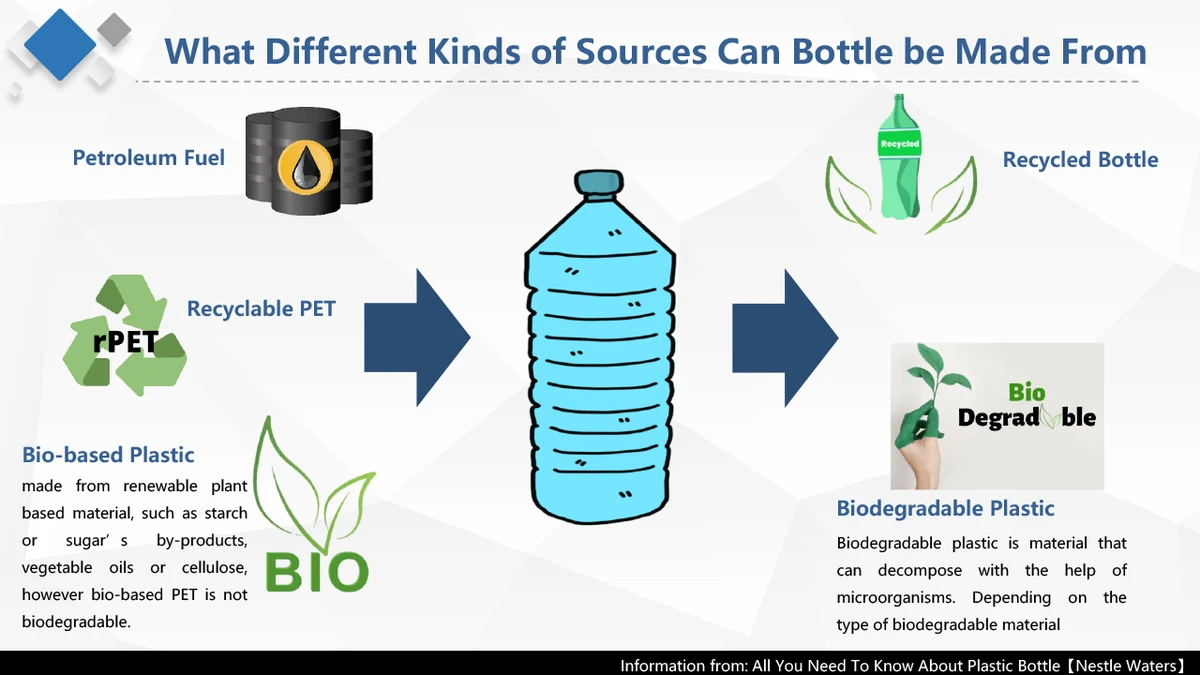
The pet product industry is witnessing increased innovation centered on sustainability. Advances in low-waste manufacturing methods reduce resource consumption and emissions. Emerging materials such as bio-based polymers derived from algae, mycelium, or agricultural byproducts offer promising biodegradable and compostable alternatives with improved durability.
Ethical manufacturing practices are gaining traction, with companies emphasizing fair labor, supply chain transparency, and reduced environmental footprints. Market data indicate rising consumer demand for eco-certified pet products, prompting wider availability of sustainably produced toys. Integration of circular economy principles—such as product take-back schemes and upcycling—may further transform pet toy life cycles in the coming years.
| Aspect | Biodegradable Pet Toys | Plastic Pet Toys |
|---|---|---|
| Material Composition | Natural fibers (hemp, organic cotton), sustainably harvested rubber, recycled fabrics | Synthetic polymers such as nylon, polyester, polypropylene |
| Decomposition Requirements | Industrial composting conditions (heat, moisture, microbes) | Minimal natural degradation; persists for centuries |
| Environmental Impact | Reduced landfill waste, minimal microplastic formation | Contributes to plastic pollution, microplastic contamination |
| Health & Safety | Non-toxic, free from harmful additives | May contain phthalates, BPA; potential chemical exposure |
| Durability | High, with longer-lasting natural fibers and rubber | High; designed for toughness but environmentally persistent |
| Certifications | GOTS, Ecocert, B Corp | Rarely certified for environmental safety |
Frequently Asked Questions
What materials are commonly used in biodegradable pet toys?
Biodegradable pet toys commonly feature natural fibers such as hemp, organic cotton, wool, and jute, alongside sustainably harvested rubber and recycled fabrics. These materials are chosen for their renewability, durability, and ability to decompose under industrial composting conditions.
How do biodegradable pet toys differ from compostable pet products?
While both terms imply environmental breakdown, compostable pet products specifically degrade into non-toxic components within a defined time frame and under industrial composting conditions. Biodegradable items may degrade more slowly or under less defined conditions, sometimes only partially breaking down.
Are biodegradable pet toys safer for pets than plastic toys?
Yes, biodegradable pet toys made from natural fibers and non-toxic materials generally pose fewer health risks compared to plastic toys, which may contain harmful chemicals such as phthalates and BPA that can affect pet health.
Can biodegradable pet toys break down in a regular landfill?
Typically, no. Landfill conditions are often anaerobic and dry, impeding microbial activity required for biodegradation. Most biodegradable pet toys require industrial composting environments to decompose fully.
How can pet owners dispose of biodegradable pet toys responsibly?
Pet owners should dispose of biodegradable pet toys through industrial composting facilities when available. If such facilities are inaccessible, recycling or repurposing options are preferable to landfill disposal. Additionally, pairing biodegradable toys with compostable pet waste bags enhances overall sustainability.
—
As awareness of environmental impacts deepens among pet owners and manufacturers, the shift toward biodegradable and eco-friendly pet toys is poised to accelerate. Continued innovation in materials science and sustainable manufacturing, coupled with consumer education and certification transparency, will be critical to advancing sustainable pet care practices. Pet owners can play an active role by selecting certified products, adopting responsible disposal methods, and supporting industry initiatives focused on reducing the carbon pawprint of pet accessories.