
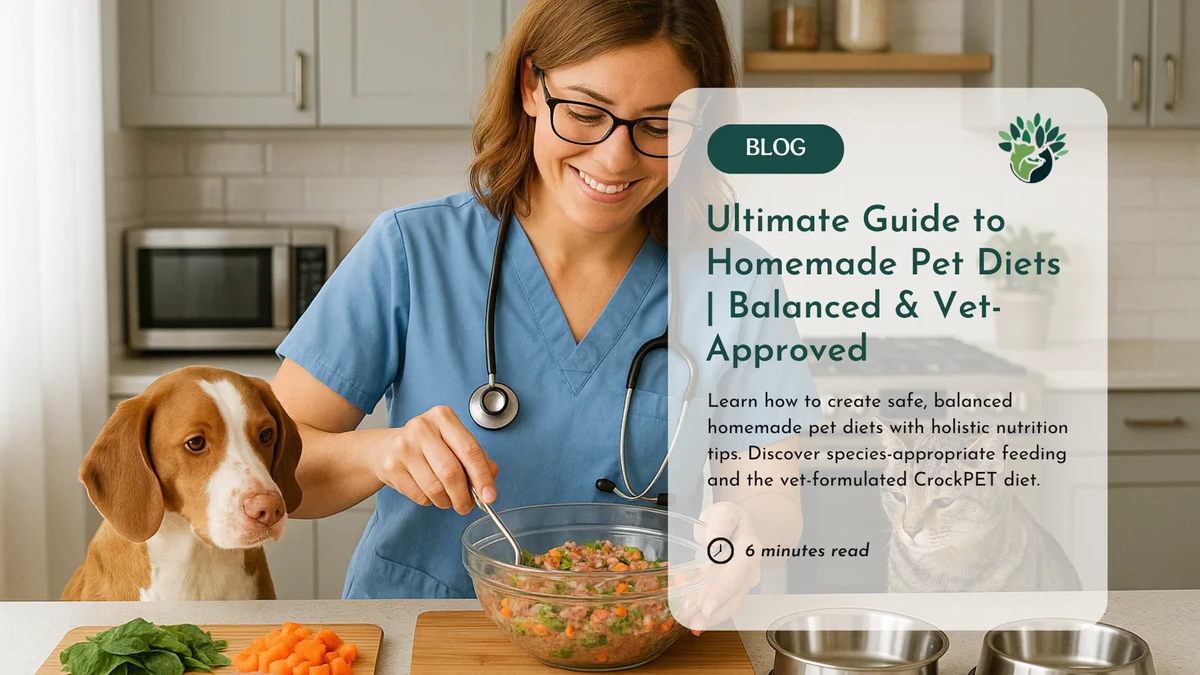
How to Ensure Balanced Nutrition in Natural Pet Diets Expert Guide
PawVerde.com – Veterinary nutritionists emphasize that balanced nutrition in natural pet diets demands meticulous formulation tailored to each animal’s specific energy and nutrient requirements. Recent surveys reveal that nearly 90% of homemade diets in the U.S. fail to meet nutritional adequacy, underscoring the critical role of expert guidance. Achieving nutritional completeness involves integrating diverse protein sources such as chicken, turkey, cod, and veal with appropriate carbohydrates like rice, pumpkin, and barley, complemented by healthy fats including salmon and sunflower seed oils. Essential vitamin-mineral supplements designed by veterinary experts, such as BalanceIT, help prevent trace nutrient deficiencies that commonly arise in homemade feeding. Fresh whole foods contribute valuable fiber, enzymes, and antioxidants, enhancing digestion and immune resilience. Veterinary nutritionists utilize advanced formulation software like PetDiet Pro to customize diets based on individual pet profiles, ensuring alignment with AAFCO guidelines and life stage nutrient needs.
Understanding Essential Nutritional Requirements for Dogs and Cats
Pets require six fundamental nutrient groups for optimal health: proteins, fats, carbohydrates, vitamins, minerals, and water. Protein supplies amino acids crucial for tissue repair and immune function, with quality sources including chicken, turkey, pork, cod, and veal, each varying in digestibility and amino acid profiles. Fats, sourced from salmon oil or sunflower seed oil, provide concentrated energy and essential fatty acids like omega-3 and omega-6, instrumental in skin health and cognitive function. Carbohydrates such as rice, potatoes, barley, and pumpkin serve as energy sources and aid gastrointestinal motility. Vitamins and minerals regulate metabolic pathways and prevent deficiency syndromes; for example, calcium and phosphorus balance bone formation, while antioxidants from fresh vegetables support immune defense.
Nutrient requirements fluctuate significantly by species, life stage, activity level, and health status. Puppies and kittens have elevated demands for protein and energy to support growth, whereas senior animals may require modified nutrient profiles to manage chronic conditions. Energy needs depend on factors such as breed size and activity; active working dogs require substantially more calories than sedentary indoor pets. Veterinary nutritionists calculate these parameters to tailor diets that maintain ideal body condition and support physiological functions.
Common Ingredients and Their Nutritional Contributions
Homemade pet diets incorporate a variety of whole foods, each contributing specific nutrients essential for balance:
Selecting ingredients based on their nutrient profiles and digestibility ensures a foundation for balanced homemade formulations.
The Role of Veterinary Nutritionists and Formulation Software
Veterinary nutritionists play a pivotal role in formulating homemade diets that meet or exceed standards set by organizations such as the Association of American Feed Control Officials (AAFCO). Board-certified specialists assess pets’ medical histories, breed-specific needs, and owner preferences to design personalized diets. They employ advanced diet formulation software like PetDiet Pro, which calculates nutrient profiles by integrating ingredient nutrient databases and pet-specific parameters. This technology helps avoid common pitfalls such as imbalanced calcium-to-phosphorus ratios or insufficient levels of trace minerals.
These professionals also monitor pets longitudinally, adjusting diets in response to health changes or life stage transitions, ensuring ongoing nutritional adequacy. Collaboration between pet owners, veterinarians, and nutritionists enhances safety and efficacy in homemade feeding regimens.
Vitamin and Mineral Supplementation: Preventing Nutrient Deficiencies
Homemade diets often lack sufficient trace nutrients unless carefully supplemented. Deficiencies in minerals such as zinc, copper, or iodine can precipitate dermatological, neurological, or metabolic disorders. Vitamins A, D, E, and B-complex are critical in numerous biochemical pathways, and their absence can impair vision, bone health, and energy metabolism.
Veterinary nutritionists commonly recommend commercial supplements like BalanceIT, which are formulated to supply precise amounts of essential vitamins and minerals tailored to homemade diet compositions. Proper measurement and administration protocols are crucial to avoid toxicity or under-supplementation. For example, overdosing vitamin D can cause hypercalcemia, while insufficient calcium leads to skeletal abnormalities.
The use of scientifically grounded supplements alongside whole foods mitigates risks inherent in unbalanced homemade feeding.
Practical Guidelines for Pet Owners Formulating Homemade Diets
Pet owners are advised to avoid unsupervised ingredient substitutions, as altering protein or carbohydrate sources can disrupt the nutrient balance carefully established in veterinary-formulated recipes. Gradual diet transitions over a 7- to 14-day period reduce gastrointestinal disturbances and facilitate palatability acceptance.
Regular veterinary check-ups are essential to monitor body condition scores, blood nutrient levels, and overall health status. Diagnostic tests such as serum biochemistry and complete blood counts can detect subclinical deficiencies early, allowing timely dietary adjustments.
Owners should maintain detailed feeding logs and communicate changes in appetite, stool quality, or behavior to their veterinary team. This collaborative approach ensures pets receive optimal nutrition while minimizing risks.
Benefits of Incorporating Fresh Whole Foods into Pet Diets
Fresh whole foods contribute live enzymes that support digestive processes, antioxidants that neutralize free radicals, and dietary fiber that promotes healthy gut microbiota composition. These components collectively enhance nutrient absorption, immune competence, and gastrointestinal motility.
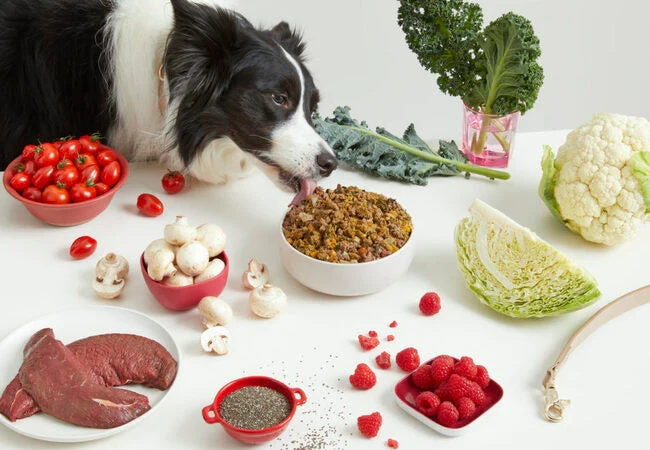
Examples of beneficial fresh ingredients include:
Veterinary nutritionists recommend integrating these foods within balanced formulations to leverage their health-promoting properties without risking nutrient imbalances.
Risks and Challenges Associated with Homemade Diets
Studies indicate a high prevalence of nutritional inadequacies in homemade diets, with common deficiencies in calcium, phosphorus, taurine, and vitamin D. Such imbalances can lead to metabolic bone disease, cardiomyopathies, or immune dysfunction. Excesses, particularly of fat or certain vitamins, pose risks of pancreatitis or hypervitaminosis.
Unsupervised homemade feeding may also lack pathogen control measures inherent in commercial manufacturing, increasing risks of bacterial contamination. Moreover, inadequate knowledge of pet-specific nutrient bioavailability and interactions can result in suboptimal health outcomes.
Evidence-based recipes developed by veterinary nutritionists, combined with professional oversight, are essential to mitigate these concerns.
Advancing Homemade Pet Diets: Practical Next Steps

To optimize homemade feeding practices, pet owners should prioritize veterinary collaboration and utilize formulation tools validated by scientific research. Routine assessments of nutrient status and body condition facilitate early identification of dietary gaps.
Emerging technologies integrating AI-driven nutrient analysis and personalized health data offer promising avenues for refining diet precision. Continued research on nutrient bioavailability and the long-term impacts of homemade diets will further inform best practices.
Pet owners committed to natural feeding can enhance pet wellbeing by adhering to evidence-based formulations, supplementing appropriately, and maintaining vigilant veterinary supervision.
Frequently Asked Questions
How can I ensure my homemade pet diet is nutritionally balanced?
Consulting a board-certified veterinary nutritionist is critical. They can formulate diets using software like PetDiet Pro, ensuring inclusion of essential proteins, fats, carbohydrates, vitamins, and minerals tailored to your pet’s life stage and health status.
Are vitamin-mineral supplements necessary for homemade diets?
Yes. Homemade diets often lack trace nutrients vital for health. Supplements like BalanceIT provide these in precise amounts to prevent deficiencies or toxicities, maintaining nutrient adequacy.
What are the risks of feeding homemade diets without professional guidance?
Common risks include nutritional deficiencies (e.g., calcium, taurine), nutrient excesses, gastrointestinal upset, and increased exposure to pathogens. These can lead to serious health problems such as metabolic bone disease or heart conditions.
Can fresh whole foods improve my pet’s health?
Fresh whole foods add fiber, antioxidants, and enzymes that support digestion and immune function. When integrated into balanced diets, they can enhance overall nutrient bioavailability and promote wellness.
How should I transition my pet from commercial to homemade food?
Transition gradually over one to two weeks, mixing increasing amounts of homemade food with commercial diets to minimize digestive disturbances and encourage acceptance.
—
This comprehensive overview integrates scientific insights, veterinary expertise, and practical guidance to support pet owners in safely adopting homemade natural diets. Collaborating with veterinary nutritionists and using validated tools ensures pets receive balanced nutrition vital for longevity and vitality.