
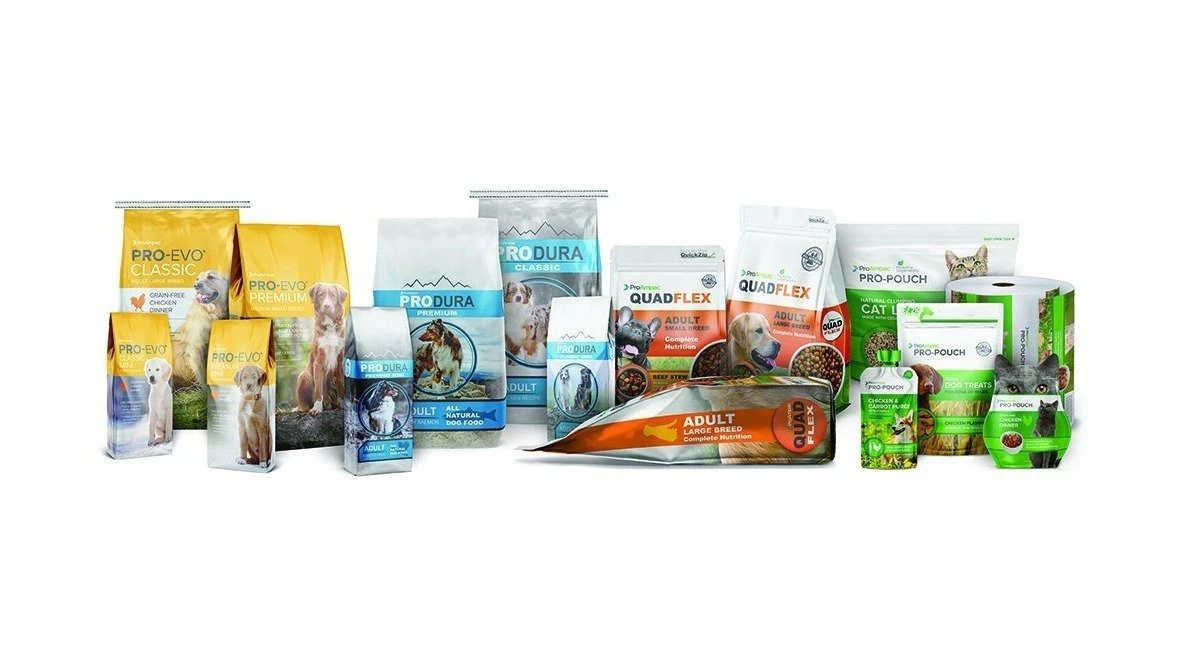
Nestlé Purina & Greiner Lead 2026 Shift to Recyclable Pet Packaging
PawVerde.com – Pet product packaging in 2026 is rapidly evolving with a strong shift toward mono-material recyclable solutions, biodegradable and compostable alternatives, and refillable systems. Industry leaders including Nestlé Purina, Greiner Packaging, and Weruva are spearheading innovations that improve recyclability and reduce environmental impact, driven by tighter regulations such as the US Extended Producer Responsibility (EPR) framework and growing consumer demand for sustainable pet care products. Chemical recycling of PET is expanding at an annual growth rate of 8-10%, complementing mechanical recycling to enable food-grade material recovery and circularity.
Mono-material packaging has emerged as the dominant trend in recyclable pet product packaging due to its simplified material composition that facilitates more efficient recycling. Greiner Packaging, for instance, has introduced dry pet food cups and lids made entirely from polypropylene, eliminating multilayer films that complicate sorting and processing. Nestlé Purina’s rollout of recyclable treat packaging and Saga Nutrition’s recyclable dry food bags further demonstrate the industry’s commitment to mono-material formats. Innovations extend to wet food packaging, where rPET trays combined with Coveris’s MonoFlex metallised polyethylene bags offer barrier performance while maintaining recyclability and compliance with emerging PFAS-free mandates. These solutions help brands meet regulatory requirements while responding to consumer preferences for transparency and sustainability.
Biodegradable and compostable packaging alternatives are gaining traction as secondary packaging and pouches for treats. Materials derived from mycelium, bamboo, and plant starches are being applied to create compostable outer cartons and flexible pouches certified under ASTM D6400 standards. These materials break down in industrial composting conditions, offering an end-of-life solution that reduces landfill waste. While still limited in application compared to mono-material packaging, biodegradable options address a niche in sustainable packaging where recyclability alone does not suffice. The American Association of Feed Control Officials (AAFCO) has begun exploring guidelines for such materials in pet food packaging, signaling regulatory interest in expanding sustainable packaging standards.
Advances in PET recycling technologies are critical to closing the loop on pet product packaging. Mechanical recycling, the conventional process, faces challenges with multilayer films and contamination, limiting the percentage of post-consumer recycled (PCR) content in food-grade PET. Chemical recycling is expanding rapidly, growing at 8-10% annually worldwide, as it enables depolymerization of PET waste into monomers that can be repolymerized into virgin-quality PET. Companies like Bobine, a division of Saint-Gobain, are investing in chemical recycling innovations that enhance purity and scalability for packaging applications. This technological progress is essential for meeting ambitious PCR content targets set by packaging manufacturers and brands aiming for carbon footprint reductions and circular economy goals.
The regulatory landscape is a major driver shaping pet product packaging redesigns. The US Extended Producer Responsibility (EPR) laws effective this year impose legal obligations on pet product manufacturers to manage packaging waste, incentivizing the shift to recyclable and reduced-plastic formats. Similarly, the European Packaging and Packaging Waste Regulation (PPWR) mandates higher recyclability thresholds and limits on hazardous substances, impacting design and material choices globally. Industry players such as Printpack have aligned their sustainability targets with the Science Based Targets initiative (SBTi), committing to measurable reductions in carbon emissions and increased use of recycled content. These frameworks compel brands to integrate sustainability into packaging R&D, supply chain practices, and communication strategies.
Circular economy initiatives are becoming embedded in pet product packaging strategies. Weruva’s Werucycle program has recycled nearly 300,000 pieces of pet food packaging into new plastic products, demonstrating effective waste diversion and material reuse. West Paw’s “Join the Loop” program focuses on infinite recyclability for pet toys and beds, offering a closed-loop system that reduces landfill contributions. Additionally, refillable and reusable container systems are gaining attention as zero-waste solutions, allowing consumers to reduce single-use packaging by refilling pet food and treat containers at retail or home. These programs not only contribute to environmental goals but also engage consumers seeking responsible pet care options.
Consumer trends strongly support the shift toward sustainable pet packaging. Surveys indicate that 67% of pet owners aged 18–34 prefer brands with environmentally responsible practices, reflecting the influence of Millennials and Gen Z demographics who prioritize ethical sourcing, transparency, and clear packaging claims. This demand is fueling product launches with explicit sustainability messaging and certifications, driving innovation in packaging design and material sourcing. The rise of eco-conscious consumers is also influencing retailers to stock more sustainable pet care products, creating market incentives for brands to invest in recyclable and biodegradable packaging solutions.
Sustainable packaging also offers tangible environmental and logistical advantages. Lightweight mono-material bags, such as Coveris MonoFlexE Opti, reduce material use and comply with PFAS-free mandates, significantly lowering carbon emissions related to transport and manufacturing. Material reduction not only cuts CO₂ footprints but also optimizes supply chain efficiency by decreasing packaging weight and volume. These benefits translate into cost savings and potential tax advantages under packaging-related environmental policies, reinforcing the business case for sustainable packaging adoption.
| Packaging Type | Material Example | Key Features | Brand/Company | Regulatory Compliance |
|---|---|---|---|---|
| Mono-Material Rigid Packaging | Polypropylene (PP) | Fully recyclable, simplifies sorting | Greiner Packaging (dry food cups) | US EPR, PPWR |
| Mono-Material Flexible Packaging | Metallised PE (MonoFlex) | Lightweight, barrier properties, recyclable | Coveris | PFAS-free mandates, EPR |
| Biodegradable Secondary Packaging | Mycelium, Bamboo-based cartons | Industrial compostable, ASTM D6400 certified | Various emerging suppliers | ASTM D6400, AAFCO guidelines |
| Recycled PET (rPET) Trays | Post-consumer recycled PET | Food-grade, supports circular economy | Bobine (Saint-Gobain) | SBTi targets, EPR |
| Refillable Containers | Durable plastic or glass | Zero waste, reusable | West Paw (“Join the Loop” program) | EPR incentivized |
The pet product packaging sector in 2026 is clearly aligned with broader sustainability and circular economy objectives, blending material innovation, regulatory compliance, and consumer engagement. As chemical recycling technology matures and EPR regulations tighten, brands are expected to accelerate adoption of mono-material and biodegradable packaging formats while expanding circular initiatives such as refillable systems and take-back programs. This trajectory promises to reduce environmental impact significantly and reshape the pet care market landscape toward responsible and transparent packaging solutions.