
Top Vet-Recommended Pet Joint Supplements Improving Mobility
PawVerde.com – Pet joint health remains a critical concern for aging and large-breed dogs and cats in 2026, with osteoarthritis and hip dysplasia among the most prevalent conditions impairing mobility. Veterinary experts increasingly emphasize the role of targeted nutritional supplements alongside conventional treatments to manage inflammation, support cartilage repair, and maintain joint function. Consistent use of clinically validated joint supplements has become a cornerstone in comprehensive pet care, offering measurable improvements in mobility and quality of life.
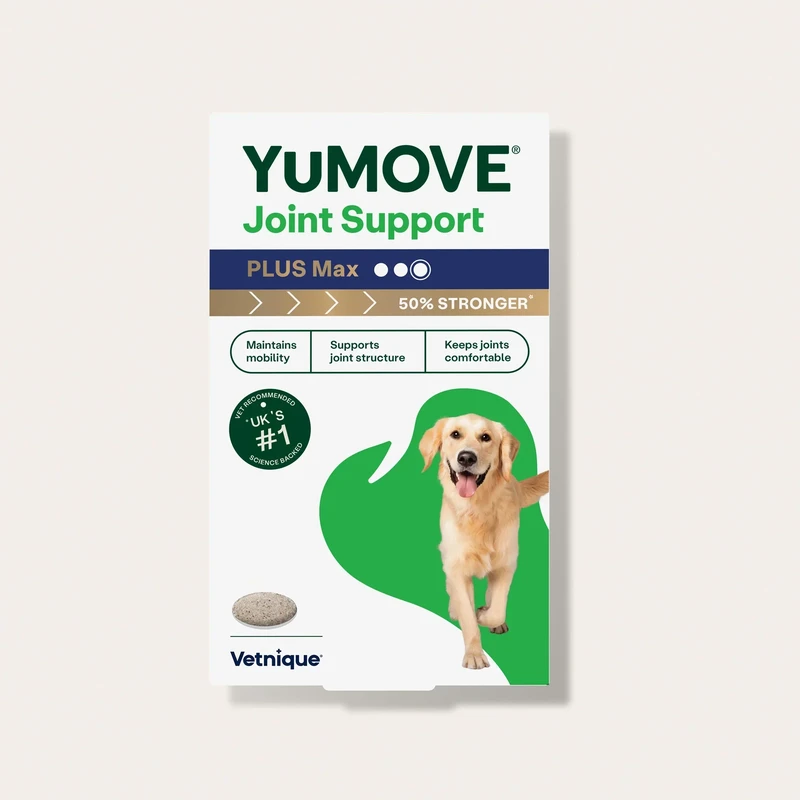
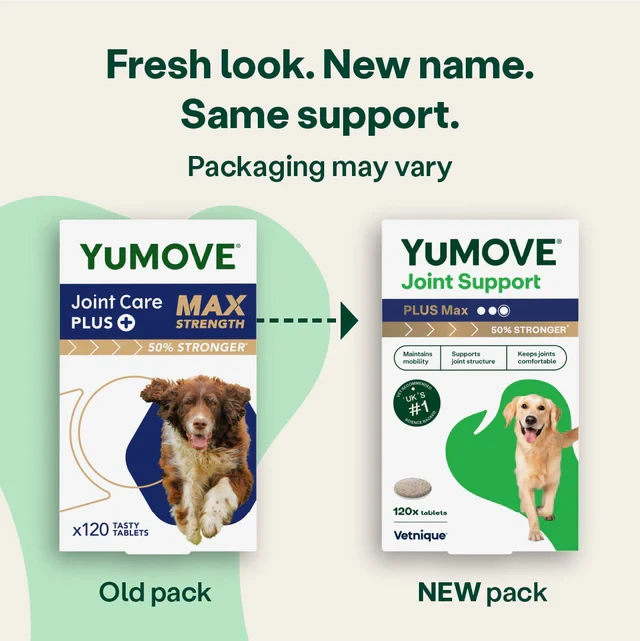
Leading veterinary recommendations for joint supplements in 2026 highlight products such as Pet Honesty Omega-3 Fish Oil, Vetoquinol Flexadin chews, YuMOVE Joint Care, Dasuquin, Cosequin, and Nutramax Welactin. These formulations are frequently endorsed by veterinary panels including PetMD and clinical researchers from institutions like the Royal Veterinary College, based on their ingredient profiles and demonstrated efficacy. Emerging supplements incorporating novel natural compounds, such as ElleVet CBD Mobility Oil and Ruff Greens VitaSmart, are gaining traction for their complementary anti-inflammatory and analgesic properties, expanding options for pet owners seeking holistic joint support.
Top Vet-Recommended Joint Supplements for Dogs and Cats
Pet Honesty Omega-3 Fish Oil remains a top recommendation due to its high EPA/DHA content, critical omega-3 fatty acids that modulate inflammatory pathways linked to joint discomfort. Vetoquinol Flexadin chews combine glucosamine, chondroitin, and green-lipped mussel extract, offering a synergistic approach to cartilage protection and joint lubrication. YuMOVE Joint Care distinguishes itself with personalized formulations that include avocado/soybean unsaponifiables (ASU), proven to enhance cartilage regeneration.
Dasuquin and Cosequin, both Nutramax brands, continue to dominate the market with robust clinical data supporting their glucosamine, chondroitin, and MSM blends that reduce joint pain and improve mobility. Nutramax Welactin complements these by providing concentrated omega-3 fatty acids in easy-to-administer softgel form. Products like VetriScience GlycoFlex and Zesty Paws Mobility Bites emphasize palatability and ease of administration, increasing compliance in finicky pets.
Newer entrants such as ElleVet Mobility Oil leverage CBD’s emerging evidence for joint pain relief, while Ruff Greens VitaSmart focuses on plant-based formulations combining turmeric and green-lipped mussel for natural anti-inflammatory effects. Fera Pets Hip & Joint Support and Pooch & Mutt Joint Tablets offer affordable alternatives with balanced ingredient profiles, including MSM and hyaluronic acid. Pawable Collar-gen and Winston & Porter supplements target convenience through novel delivery formats like collars and powders.
Key Ingredients and Their Roles in Joint Health
Glucosamine is fundamental for cartilage maintenance, acting as a substrate for glycosaminoglycan synthesis, which preserves the extracellular matrix and joint fluid viscosity. Clinical studies confirm glucosamine’s ability to slow cartilage degradation in osteoarthritic pets. chondroitin sulfate complements this by inhibiting cartilage-degrading enzymes and enhancing the cartilage’s resistance to compression forces, crucial for weight-bearing joints.
MSM (Methylsulfonylmethane) provides sulfur, a building block for connective tissue repair, while exerting anti-inflammatory effects that reduce swelling and pain. Green-lipped mussel extract, unique to marine sources, contains omega-3 fatty acids and glycosaminoglycans that modulate immune response and promote cartilage regeneration. Omega-3 fatty acids EPA and DHA inhibit pro-inflammatory cytokines, diminishing joint inflammation and improving comfort.
Hyaluronic acid, present in synovial fluid, supports joint lubrication and shock absorption, with supplementation shown to restore fluid viscosity in arthritic joints. ASU (Avocado/Soybean Unsaponifiables) stimulates collagen synthesis and reduces inflammatory mediators, enhancing cartilage repair. Turmeric’s active curcumin compound possesses potent antioxidant and anti-inflammatory properties, offering adjunctive benefits.
CBD (Cannabidiol) is increasingly recognized for its analgesic and anti-inflammatory potential, acting through the endocannabinoid system to alleviate joint pain and improve mobility. While clinical data in pets is still emerging, early studies and veterinary reports indicate promising results when used as part of a multimodal joint health strategy.
Supplement Formats and Palatability Considerations
Joint supplements are available in diverse formats including soft chews, tablets, oils, powders, and treats, each with implications for absorption, ease of administration, and pet acceptance. Soft chews like Vetoquinol Flexadin and Zesty Paws Mobility Bites are favored for their palatability, particularly in dogs reluctant to take tablets. Oils such as Pet Honesty Omega-3 Fish Oil and ElleVet Mobility Oil provide concentrated doses with high bioavailability but may require careful dosing and refrigeration.
Tablets, commonly used for glucosamine and chondroitin blends, offer precise dosing but can pose challenges for cats and finicky dogs. Powders and collars, exemplified by Pawable Collar-gen, present novel delivery methods that enhance compliance, especially for pets resistant to oral supplements. Palatability is critical; products with strong odors or flavors may encounter higher refusal rates, necessitating trial or veterinary guidance.
Clinical Evidence and User Experiences
Veterinary panel reviews consistently endorse products containing glucosamine, chondroitin, MSM, green-lipped mussel, and omega-3 fatty acids, citing randomized controlled trials that demonstrate reductions in lameness scores and improvements in joint function over 6–8 weeks. Independent studies from the Royal Veterinary College confirm that consistent supplement administration facilitates cartilage repair and decreases synovial inflammation.
User case studies report enhanced mobility and reduced stiffness within 3 to 6 weeks, with some pets showing significant improvement by week 8. Rehabilitation specialists note that supplements are most effective when combined with weight management and physical therapy. However, limitations include variability in individual responses and occasional adverse effects such as gastrointestinal upset or aversion to strong-smelling fish oils.
Veterinarians caution that supplements are adjuncts, not replacements, for medical interventions in advanced osteoarthritis or hip dysplasia. Balanced perspectives acknowledge that while many pets benefit, some may require dosage adjustments or alternative formulations based on tolerance and clinical progression.
Usage Guidelines and Expected Results Timeline
Optimal joint health results rely on daily, consistent dosing as per veterinary recommendations, typically spanning 6 to 8 weeks to observe measurable benefits. Initial improvements in joint comfort and activity levels often appear within the first 2 to 4 weeks, with progressive cartilage repair and sustained anti-inflammatory effects manifesting thereafter.
Dosage depends on pet size, severity of joint disease, and specific product formulations, underscoring the importance of veterinary supervision. Observing signs such as increased willingness to exercise, reduced stiffness after rest, and improved gait can indicate positive responses. Lack of improvement or adverse reactions should prompt veterinary reassessment.
Veterinarians emphasize the need to integrate supplements into a broader management plan, including exercise modification, weight control, and pain management, to maximize joint health outcomes.
Choosing the Right Supplement for Your Pet
Selecting an appropriate joint supplement requires considering factors such as pet species, age, breed predispositions, the severity of joint disease, and any ingredient sensitivities or allergies. Large-breed dogs with hip dysplasia may benefit from formulations emphasizing cartilage repair ingredients like ASU and green-lipped mussel, while older cats often require palatable, easy-to-administer options like oils or soft chews.
Veterinary consultation is essential to tailor supplement choice and dosage, assess potential drug interactions, and monitor clinical response. Pet owners should prioritize products with transparent ingredient sourcing, clinical validation, and positive veterinary endorsements. Cost, ease of administration, and pet preference are practical considerations influencing compliance and long-term success.
—
Frequently Asked Questions
What are the most effective ingredients in pet joint supplements?
The most effective ingredients include glucosamine, chondroitin, MSM, green-lipped mussel, and omega-3 fatty acids (EPA/DHA). These compounds work synergistically to reduce inflammation, protect cartilage, and improve joint lubrication, supported by clinical research and veterinary endorsements.
How long does it take to see results from joint supplements in pets?
Visible improvements in mobility and joint comfort typically emerge within 3 to 6 weeks of daily supplementation, with more substantial benefits developing over 6 to 8 weeks. Consistency and proper dosing are crucial to achieving these outcomes.
Are joint supplements safe for all dog and cat breeds?
Most joint supplements are safe when used as directed, but breed-specific factors, age, existing health conditions, and sensitivities should be evaluated by a veterinarian to ensure safety and efficacy.
Can CBD be combined with traditional joint supplements for pets?
CBD is increasingly used alongside traditional supplements for its anti-inflammatory and analgesic properties. While early evidence is promising, pet owners should consult veterinarians to determine appropriate use and dosing.
What supplement format is best for picky pets?
Soft chews and flavored treats generally have higher acceptance in picky dogs, while oils can be mixed with food for cats. Tablets may be challenging for some pets, making palatability and administration ease key factors in supplement selection.
—
As the pet healthcare landscape evolves in 2026, integrating vet-recommended joint supplements with proven active ingredients offers a dynamic approach to managing joint health challenges. Continued advancements in formulation, personalized care, and clinical validation will further empower veterinarians and pet owners to optimize mobility and quality of life for dogs and cats affected by joint conditions.