
Pet-Friendly Outdoor Spaces Blend Safety and Comfort in 2026
PawVerde.com – Pet-friendly outdoor spaces in 2026 emphasize a seamless blend of safety, enrichment, and comfort, responding to a growing trend where 87% of gardeners now consider pets integral family members. These spaces integrate agility courses modeled after dog parks, non-toxic and resilient plants such as rosemary and lavender, ample shaded areas for heat protection, and innovative hydration solutions like pet water fountains and wash stations. Designers focus on durable groundcovers and sustainable materials that withstand pet activity while maintaining garden aesthetics, ensuring environments that benefit both pets and their owners.
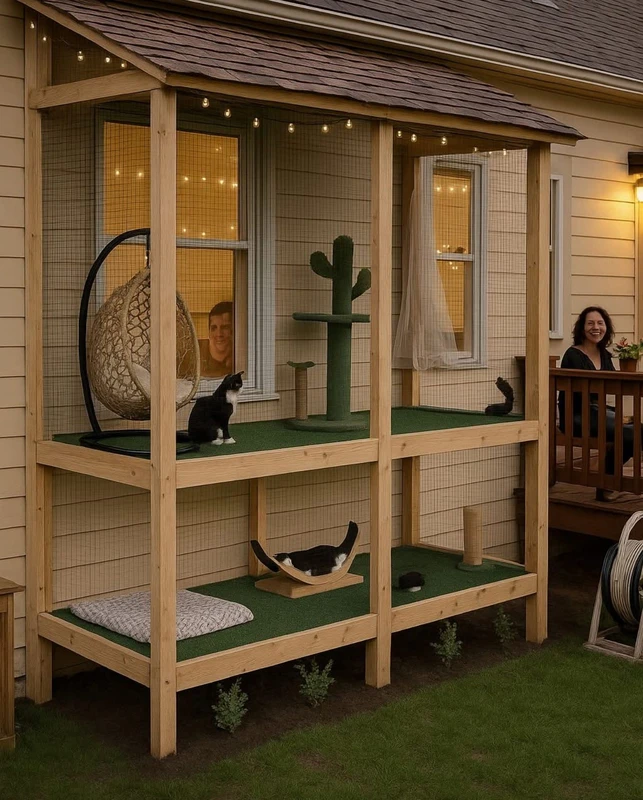
Practical installations range from professionally designed agility courses to DIY pet patios, incorporating barkitecture elements such as catios and feeding stations. Landscape architects and garden designers increasingly prioritize climate-adapted plants and zero-waste approaches, aligning pet safety with environmental sustainability. Social media influencers like TheIdeaDad and Nicola_The_Greyhound highlight these trends, promoting pet-centric garden design that balances human usability with pet enrichment.
Key Design Elements for Pet-Centric Gardens
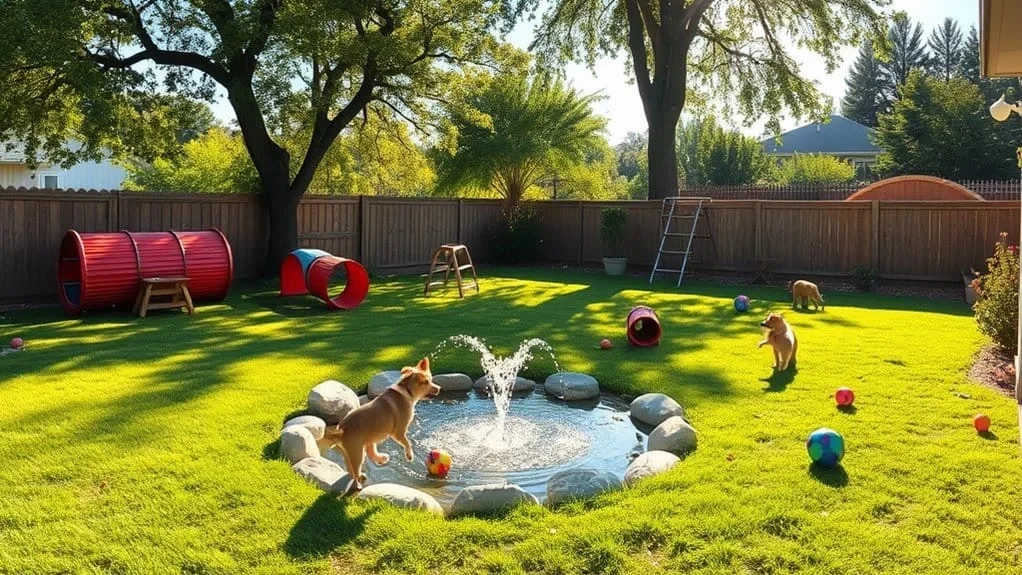
agility courses have become a cornerstone of modern pet-friendly outdoor spaces, offering physical exercise and mental stimulation. These installations vary from simple DIY obstacle paths to professionally engineered dog parks featuring tunnels, weave poles, and jumps. Landscape architect Ollie Dixon notes that agility courses designed with durable, non-slip materials promote safety and longevity. Soft mulch paths, incorporating pet-safe, stain-resistant indoor-outdoor rugs, provide comfortable surfaces for pets while protecting underlying soil.
Shaded areas are essential for pet comfort, especially in warmer climates where heat exposure risks increase. Southern Living Plant Collection emphasizes integrating pergolas, large trees, and retractable awnings to create cool retreats. Poynter Landscape Architecture advocates for multi-functional shade structures that serve pets and humans alike, ensuring outdoor enjoyment during peak sun hours. Weather-resistant shelters, including barkitecture-inspired pet patios and enclosed catios, offer protection from elements while encouraging outdoor exploration.
Plant Selection for Pet Safety and Garden Resilience
Choosing non-toxic, hardy plants is critical to prevent accidental poisoning and maintain garden durability under pet traffic. Recommended species include aromatic herbs like rosemary, sage, basil, and creeping thyme, which are both safe and drought-tolerant. Ornamental grasses and coral bells withstand rough play and add textural variety without compromising pet safety. Mollie Carmichael from design firm Zonda highlights lavender’s dual role as a fragrant, calming plant that deters pests while being safe for dogs and cats.
Climate-adapted landscaping prioritizes drought resistance and minimal maintenance, aligning with sustainability goals. Plants selected for pet gardens must tolerate frequent trampling and variable moisture levels. Heather Wright of Builderonline stresses the importance of native plant species combined with low-water-use cultivars to reduce irrigation needs and create resilient, eco-friendly pet gardens.
Water Features and Hydration Solutions for Pets
Hydration is a top priority in pet-friendly outdoor designs, with water features evolving beyond aesthetic value to functional pet amenities. Outdoor drinking stations equipped with filtered water fountains encourage regular hydration, reducing heat stress. Innovative dog wash stations, inspired by commercial pet grooming setups, provide convenient hygiene options for muddy or sandy pets, enhancing cleanliness and reducing indoor mess.
Cooling features such as shallow streams, splash pads, and sprinkler systems serve dual purposes: play enrichment and temperature regulation. Renee Claremont of Second Nature Designs integrates interactive water elements that stimulate pets while maintaining garden aesthetics. These features often incorporate recirculating systems to conserve water, aligning with zero-waste principles promoted by organizations like the Zero Waste Store.
Barkitecture and Integration of Pet Spaces
Barkitecture—the architectural design of pet-specific outdoor structures—has gained momentum as part of holistic garden planning. Pet patios, catios, and enclosed play areas create secure environments where pets can safely experience fresh air and natural stimuli. Feeding stations designed with weather-resistant materials reduce contamination risks and facilitate outdoor dining routines.
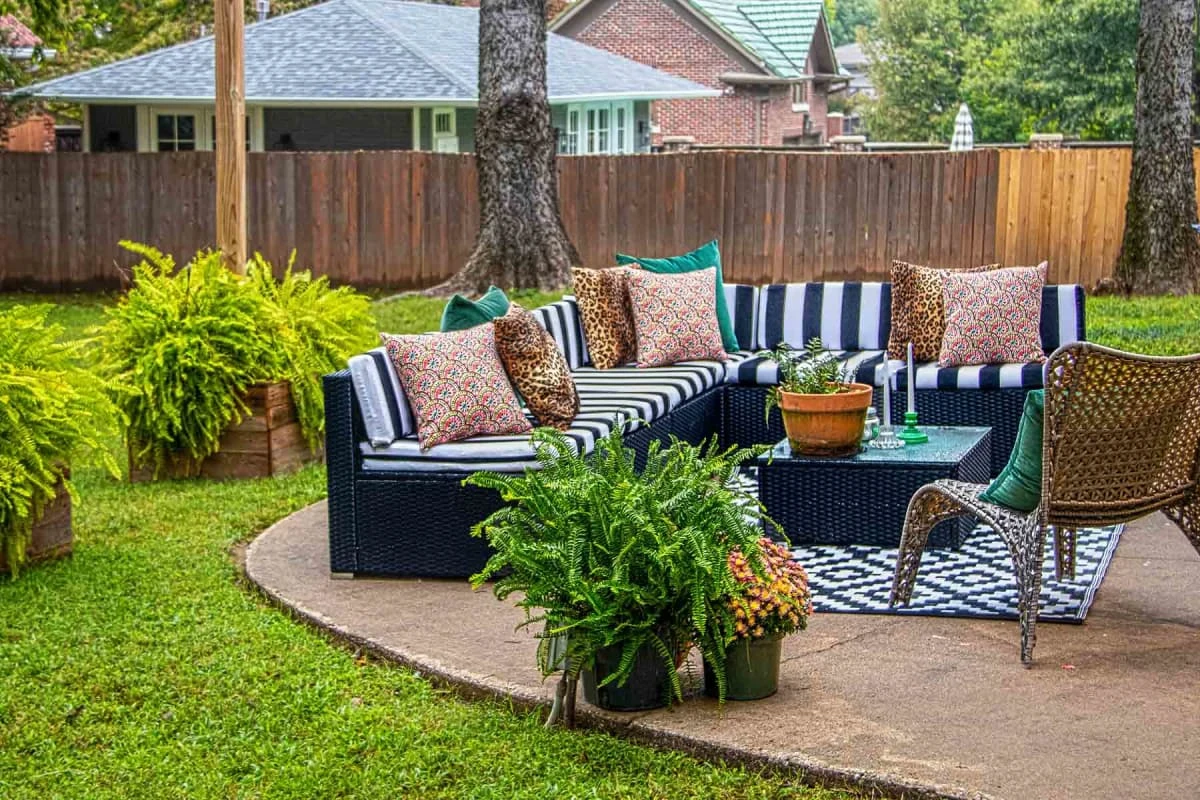
Technology integration is increasingly common, with pet cameras and monitoring devices allowing remote supervision of outdoor pet activities. These tools enhance safety and provide peace of mind for pet owners. Durable, stain-resistant rugs and groundcovers improve usability and maintenance in pet patios and feeding zones, combining comfort with practicality.
Balancing Human and Pet Needs in Outdoor Design
Designing outdoor spaces that accommodate both pets and humans requires a nuanced approach. Small-scale installations suit urban backyards or balconies, featuring compact agility courses and vertical gardens with pet-safe plants. Larger properties can incorporate extensive pet play zones alongside leisure areas for owners, blending functionality with relaxation.
Sustainability remains a critical consideration. Zero-waste landscaping techniques, including composting organic pet waste and using recycled materials for installations, reduce environmental impact. TheIdeaDad, an Instagram influencer, advocates for DIY projects that repurpose household items into pet play features, promoting creativity and eco-consciousness.
Case Examples and Emerging Trends
Several landscape architecture firms and garden designers have pioneered pet-inclusive outdoor spaces reflecting these trends. Poynter Landscape Architecture’s recent projects showcase climate-adapted pet gardens featuring native plants and integrated water stations. Southern Living Plant Collection collaborates with designers to promote pet-safe horticulture tailored to regional climates.
Social media influencers such as Nicola_The_Greyhound highlight real-world applications, showcasing how pet patios and agility courses enhance pet well-being. Mollie Carmichael’s designs for Zonda illustrate how barkitecture elements can be seamlessly incorporated into family gardens without compromising aesthetic appeal. The growing demand for these features reflects a shift toward recognizing pets as central to household outdoor living.
Frequently Asked Questions About Pet-Friendly Outdoor Spaces
What are the safest plants to include in a pet-friendly garden?
non-toxic plants like rosemary, lavender, sage, basil, creeping thyme, coral bells, and ornamental grasses are safe choices. These species tolerate pet activity and are drought-resistant, reducing maintenance and risks of plant poisoning.
How can I create a shaded area that keeps pets comfortable outdoors?
Use pergolas, large native trees, or retractable awnings to provide ample shade. Incorporating weather-resistant pet shelters or enclosed patios offers additional protection during extreme heat or rain.
What are the benefits of including an agility course in a pet garden?
Agility courses promote physical exercise, mental stimulation, and behavioral enrichment. They can be tailored to space availability and made from durable, non-slip materials for safety.
How do outdoor pet wash stations improve hygiene?
Wash stations allow owners to clean pets after outdoor play, reducing indoor dirt and odors. They provide convenient access to water and cleaning supplies, improving pet health and household cleanliness.
What sustainable materials are recommended for pet-friendly landscaping?
recycled rubber mulch, permeable pavers, reclaimed wood, and drought-tolerant native plants support sustainability. Zero-waste principles include composting pet waste and minimizing chemical use for environmental health.
Pet-friendly outdoor spaces in 2026 reflect a comprehensive approach to design that prioritizes pet safety, enrichment, and comfort while integrating sustainable practices and aesthetic appeal. As demand for pet-centric gardens grows, innovative installations combining barkitecture, durable groundcovers, and hydration solutions set new standards for outdoor living environments. Future developments are likely to emphasize technology integration, climate adaptability, and zero-waste landscaping, offering even more sophisticated options for pet owners seeking harmonious, functional gardens.