
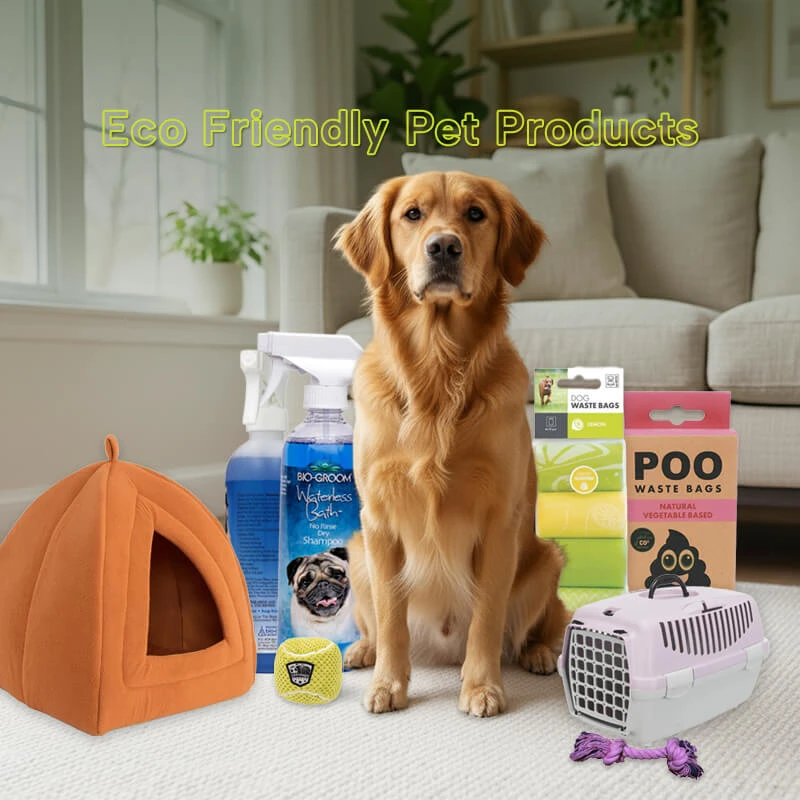
Sustainable Pet Grooming: How to Choose Eco-Friendly Products
PawVerde.com – To groom your pet sustainably, transition from single-use plastics to durable tools like bamboo brushes and stainless steel clippers, swap liquid shampoos for plastic-free shampoo bars, and implement water-saving techniques such as shorter baths and targeted rinsing to reduce your pet’s environmental footprint.
A single grooming session can waste between 10 to 20 gallons of water if not managed efficiently.
How to Audit Your Current Grooming Kit for Greenwashing
To identify greenwashing, look past ‘natural’ labels and scrutinize ingredient lists for sulfates, parabens, and synthetic fragrances. Verify if packaging is truly compostable or just recyclable, and check if ‘eco-friendly’ tools contain hidden microplastics or non-removable metal components that prevent true biodegradability.
Most commercial shampoos and conditioners contain sulfates, parabens, and synthetic fragrances. These chemicals do not just irritate sensitive skin; they also wash down the drain and pollute waterways.
The Ingredient Red-Flag List
When reviewing a product label, a common failure mode is assuming a “botanical” or “natural” label guarantees safety or sustainability. Many products use these terms to mask a core of harsh synthetics. Practitioners recommend checking the fine print for the following:
- Sulfates (often used for lathering but harsh on skin)
- Parabens (preservatives that can disrupt hormones)
- Synthetic fragrances (major sources of waterway pollution)
The Compostability Audit: Bamboo vs. Hybrid Waste
A counterintuitive reality in sustainable shopping is that a bamboo handle does not always equal a zero-waste tool. While bamboo brushes are more sustainable than plastic versions, many “eco-friendly” brushes are actually hybrid waste. For example, a brush might feature a bamboo handle but utilize synthetic nylon bristles that cannot be separated for composting. This creates a product that is impossible to fully biodegrade, ultimately landing in a landfill despite its “green” appearance.
Step 1: Upgrade to Durable, Low-Impact Tools
Replacing items like plastic combs or low-grade brushes is essential because these tools often break during frequent use. Experts suggest that switching to high-quality hardware helps break the cycle of immediate disposal.
| Product Type | Conventional Option | Sustainable Alternative | Primary Eco-Benefit |
|---|---|---|---|
| Brushes | Plastic handles/bristles | Bamboo with natural bristles | Biodegradability & longevity |
| Clippers | Disposable/Cheap plastic | Stainless steel | Extreme durability |
| Shampoo | Liquid in plastic bottles | Solid shampoo bars | Zero plastic packaging |
| Wipes | Single-use wipes | Washable cotton/microfiber | Eliminates landfill waste |
By choosing these alternatives, you avoid the environmental cost of manufacturing and transporting new plastic items every few months.
Investing in Longevity: Stainless Steel vs. Plastic
Durable stainless steel clippers provide a sustainable alternative to cheap plastic tools. While the initial investment differs, these clippers keep nails short for years without the need for repeated replacements, preventing the waste common with low-cost items.
The Microplastic Deep Dive: Avoiding Synthetic Bristles
Bamboo handles paired with natural bristles last longer than plastic versions. Beyond durability, natural bristles provide a gentler experience for your dog’s skin. It is a mistake to prioritize the handle material alone; always inspect the bristles. Synthetic bristles shed microplastics into the water supply during every wash, whereas natural fibers integrate back into the environment more safely.
Step 2: Master Sustainable Bathing and Water Conservation
Conserve water by using a handheld shower head to target specific areas, turning off the tap between rinses, and keeping baths short. To further reduce impact, bathe your pet outdoors or use a bucket to catch excess water for your garden plants.
To mitigate the 10 to 20 gallons of water wasted during typical grooming sessions, prioritize efficient rinsing. Regular brushing also serves as a primary tool for conservation by keeping your dog cleaner and reducing the frequency of necessary baths.
Shortcut: To minimize waste, always keep a dedicated bucket nearby to catch runoff, which can be reused for garden irrigation.
The ‘Brush More, Bathe Less’ Strategy
Regular brushing removes dirt and loose hair to reduce the frequency of necessary baths. This simple change protects sensitive skin and significantly lowers water consumption.
Optimizing Water Use with Handheld Attachments
If bathing indoors, use a handheld shower head. This allows you to target specific areas—like paws or soiled fur—without running a high-volume stream over the entire body. Another failure mode is leaving the tap running while applying shampoo; always turn the water off during the lathering phase to prevent unnecessary waste.
Step 3: Select pH-Balanced, Plant-Based Cleansers
Using vegan dog shampoos can reduce demand on animal agriculture, which is a major global contributor to greenhouse gas emissions. These plant-based options provide a way to manage environmental impact through ingredient selection.
Warning: Always verify that any cleanser matches the typical canine skin pH of 6.2 to 7.4. Using products designed for humans can strip the skin’s protective barrier, leading to irritation and infection.
Why pH Matters: Protecting the Skin Barrier
Canine skin is biologically different from human skin. While humans lean toward a more acidic profile, dogs require a specific range of 6.2 to 7.4 pH. Using the wrong cleanser is a common mistake that leads to dermatological issues, often requiring more frequent (and water-intensive) medicated baths to correct.
The Benefits of Solid Shampoo Bars
Shampoo bars made specifically for pets are a premier alternative for reducing plastic. These bars last longer than liquid bottles and often come wrapped in recyclable paper rather than plastic, eliminating the waste that accumulates with traditional liquid shampoos.
Step 4: Implement Safe DIY Grooming Recipes
Creating your own grooming supplies can reduce reliance on commercial packaging. However, safety must remain the priority when mixing ingredients at home.
Deodorizing and Ear Care
You can utilize these specific DIY techniques for routine maintenance:
- DIY Natural Deodorizer: Rub a small amount of baking soda into the dog’s coat and brush it out to neutralize odors.
- DIY Ear Cleaning: Use a simple solution of white vinegar and water to gently clean ears.
Warning: When using DIY ear solutions, use a precise ratio of white vinegar and water to maintain a safe pH. Never use undiluted vinegar or essential oils that may be toxic to specific breeds.
Cleaning Accidents with Enzyme Solutions
Homemade enzyme cleaners are highly effective for managing pet accidents. These cleaners work by breaking down urine at a molecular level, which neutralizes both odors and stains. To make one, combine citrus peels, brown sugar, and water to create a potent, eco-friendly solution.
Sustainable Grooming on a Budget: A Tiered Approach
You can manage the shift to eco-friendly care through a tiered system of upgrades. This allows for a gradual transition rather than an immediate overhaul.
- Zero Cost: Implement the “Brush More, Bathe Less” strategy and reuse old towels or T-shirts as wipes.
- Low Cost: Create DIY enzyme cleaners or ear solutions using household staples like vinegar and citrus.
- Investment: Replace aging plastic tools with high-quality stainless steel clippers and bamboo brushes.
By upgrading these essentials, you save money over time and reduce the endless cycle of single-use products.
FAQ
Is it safe to use DIY vinegar solutions for my dog’s ears?
Use a precise ratio of white vinegar and water to maintain a safe pH. Avoid using undiluted vinegar or essential oils that may be toxic to specific breeds. Always consult a professional if your pet shows signs of ear irritation.
Can I compost my pet’s hair after grooming?
Yes, pet hair can be responsibly disposed of by composting it or using it as mulch in your garden. This turns a grooming byproduct into a nutrient-rich resource for your soil.
How do shampoo bars compare to liquid bottles?
Shampoo bars last longer and typically come in recyclable paper packaging, eliminating the plastic bottle waste associated with liquid versions. They are a highly efficient, concentrated alternative for zero-waste pet care.