
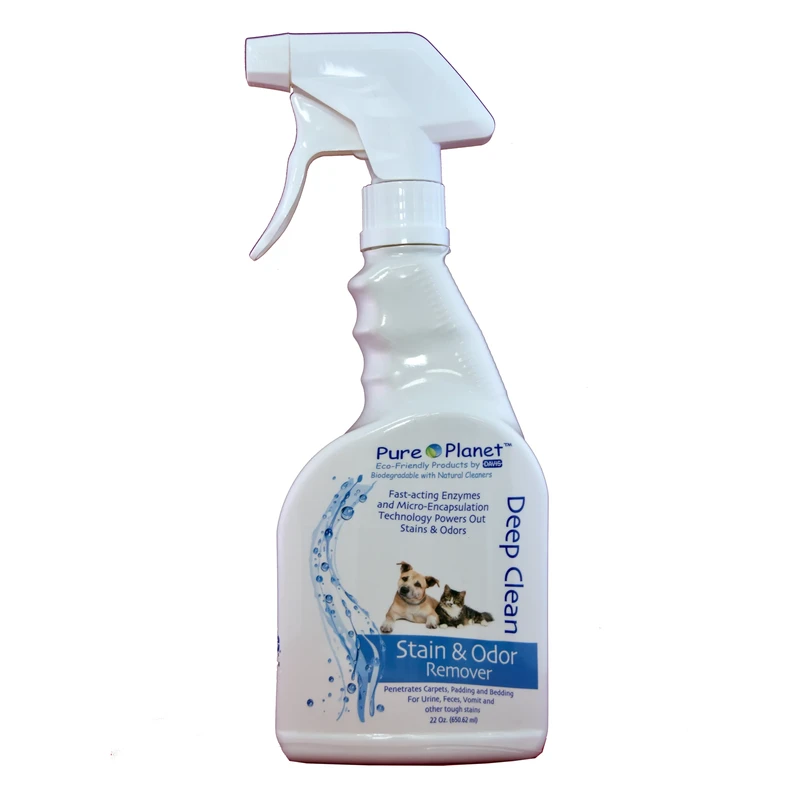
How to Choose Safe Eco-Friendly Pet Cleaning Products
PawVerde.com – Choosing eco-friendly pet cleaning products requires looking beyond ‘natural’ labels to identify true non-toxic solutions. The most effective brands use enzymatic technology to break down biological waste or plant-based surfactants that avoid common irritants like ammonia, bleach, and synthetic fragrances, ensuring safety for your pet’s skin and respiratory system.
With 85 million households owning at least one pet, the demand for sustainable home solutions has reached a critical point, with 92% of homeowners now seeking eco-friendly options.
The Greenwashing Audit: How to Spot Fake ‘Pet-Safe’ Labels
To identify greenwashing, ignore vague terms like ‘natural’ or ‘eco-friendly’ and instead look for third-party certifications like Ecogea or EPA Safer Choice. Always check for a full INCI ingredient list; if a brand uses the term ‘fragrance’ without disclosing specific components, it may hide undisclosed irritants or allergens.
Greenwashing is prevalent in the pet care industry, according to Doglyness. Until more strict regulations are in place, manufacturers may use marketing buzzwords to create an illusion of safety without undergoing rigorous third-party verification.
The ‘Fragrance’ Trap
A common failure mode in pet product labeling occurs when companies use the term “fragrance” to mask a complex mixture of synthetic chemicals. Gryme notes that “If it’s not safe and transparent, it’s not going in our products — period.” This lack of transparency can lead to skin irritation or respiratory distress in sensitive animals. Practitioners recommend looking for specific botanical identifiers rather than generic scent descriptors.
The Plastic Packaging Paradox
Sustainability extends beyond the liquid inside the bottle. Doglyness highlights a significant environmental concern: plastic packaging with any form of residue is not recyclable. Even if a brand claims its formula is organic, a product packaged in non-recyclable plastic with residue fails the true eco-friendly test. This creates a paradox where the “green” liquid contributes to long-term waste accumulation.
The Essential Oil Paradox: Scents that Can Harm Your Pet
While many pet owners associate essential oils with “natural” cleanliness, these botanical extracts can be problematic. ECOS notes that traditional cleaning products often contain synthetic fragrances that can cause skin irritation, respiratory issues, and even impact water quality.
Why ‘Natural’ Scent Isn’t Always Safe
Exposure to essential oils or undisclosed fragrance blends can cause allergic reactions in pets, as documented by Gryme. A scent that smells pleasant to a human can be overwhelming or even toxic to a dog or cat due to their heightened olfactory sensitivity. This is a counterintuitive reality for many; a “natural” lavender or citrus scent is not inherently safer than a synthetic one if the concentration is poorly managed.
Identifying High-Risk Botanical Extracts
Not all plant-based scents are created equal. While Mrs. Meyer’s Clean Day is recognized as an earth-friendly brand that does not test on animals, consumers must still remain vigilant regarding specific botanical ingredients. The goal is to find products that utilize mild surfactants and avoid the heavy use of essential oils that might trigger a reaction during or after the cleaning process.
Enzymatic vs. Plant-Based: Solving the Odor Problem
enzymatic cleaners use live enzyme cultures to biologically break down organic compounds in pet urine and feces, whereas plant-based surfactants typically clean surfaces without eliminating the underlying odor source. For heavy biological accidents, enzymatic solutions are significantly more effective than conventional or simple plant-based cleaners.
The distinction between these two methods is critical for long-term home maintenance. Green Planet Cleaning reports that live enzyme cultures genuinely break down organic compounds rather than masking odors. This biological breakdown is particularly noticeable on pet urine, where conventional cleaners often fail to eliminate the scent entirely, leading to repeat accidents in the same location.
How Enzymes Target Biological Waste
When a pet has an accident, the odor is caused by organic matter trapped in fibers or porous surfaces. Enzymatic cleaners, such as those produced by Rocco & Roxie Supply Co., work by:
- Targeting specific protein structures in urine and feces.
- Using live cultures to digest the source of the smell.
- Preventing the “scent ghost” that attracts pets back to the same spot.
Nature’s Miracle (Spectrum Brands) also focuses heavily on these specialized pet stain and odor removers to address these specific biological challenges.
When to Use Surface-Specific Cleaners
While enzymes are superior for biological waste, they may not be the first choice for all scenarios. For general dusting or non-biological grime, simple plant-based surfactants are often sufficient and less intensive.
Market Leaders and Specialist Brands
The pet-safe cleaning market is diverse, ranging from massive household names to highly specialized grooming brands.
| Brand | Primary Focus | Key Differentiation | Market Position |
|---|---|---|---|
| The Honest Company, Inc. | Home & Pet Cleaning | Natural, fragrance-free options | 18-22% Market Share |
| Seventh Generation, Inc. | Eco-conscious Home Care | Plant-based, pet-friendly formulas | 14-18% Market Share |
| Puracy | Biodegradable Solutions | Naturally derived specialists | 12-16% Market Share |
| ECOS | Non-toxic/Vegan Cleaning | Vegan-certified, non-toxic | 10-14% Market Share |
| Nature’s Miracle | Stain & Odor Removal | Enzymatic specialization | 8-12% Market Share |
The market is segmented by both specialization and scale.
The Big Players: Market Share Breakdown
The Honest Company, Inc. leads the pet-safe cleaners market, providing a wide array of natural and chemical-free products. Following closely are Seventh Generation, Inc. and Puracy, both of which offer robust, plant-based alternatives for general household maintenance. ECOS (Earth Friendly Products) maintains a strong presence with its vegan-certified, non-toxic line, driven by a mission to “Protect the health and wellness of people, pets, and the planet by creating the most authentic, sustainable and affordable eco-conscious cleaning products for all…”
Niche Specialists: Grooming vs. Home Cleaning
For tasks that go beyond floor and upholstery cleaning, specialized brands are required. Earthbath focuses on cleaning the pets themselves and their specific items. In the premium segment, the Italian brand Yuup! specializes in human-grade pet grooming solutions. This distinction is vital: a cleaner safe for a hardwood floor may not be suitable for a pet’s coat.
The Safety Protocol: Drying Times and Application
Applying a green cleaner is only the first step; the way it is applied and the time allowed for it to settle determines the actual safety level for your pet.
Green Planet Cleaning utilizes a 24-hour timeframe for their Greentified™ re-clean guarantee, emphasizing the importance of thoroughness in the cleaning process.
The ‘Drying Time’ Rule for Paw Safety
A common mistake is allowing pets to walk on freshly cleaned surfaces before they are completely dry. To maintain a safe environment, follow these protocols:
- Always allow surfaces to air-dry completely before permitting pet access.
- For high-traffic areas, use a microfiber cloth to remove excess moisture.
- Avoid using “quick-dry” synthetic sprays that may leave behind a tacky, irritating film.
This prevents pets from licking cleaning agents off their paws, which is a primary route of ingestion.
Safe Sanitization with HOCl
When disinfection is necessary, Hypochlorous Acid (HOCl) serves as an excellent alternative to harsh chemicals. Maids of Movher identifies HOCl as a safe, non-corrosive sanitizer that is completely gentle on sensitive skin and paws. Unlike traditional bleach, which can cause respiratory and skin issues, HOCl provides effective sanitization without the toxic footprint. For everyday hygiene, such as cleaning pet dishes, Mrs. Meyer’s Clean Day offers products that are 100% pet-safe.
FAQ
Is ‘natural’ scent always safe for dogs and cats?
Not necessarily. Many natural scents come from essential oils that can cause respiratory irritation or allergic reactions in pets. Always check for full ingredient lists to ensure no toxic botanical extracts are present in the product you choose.
How do enzymatic cleaners differ from regular cleaners?
Regular cleaners often mask odors with fragrances, while enzymatic cleaners use live cultures to break down the organic compounds in urine and feces, eliminating the smell at the source rather than just covering it up.
Can I use dish soap to clean pet bowls safely?
Yes, provided the soap is non-toxic and free from harsh chemicals like ammonia or synthetic fragrances. Brands like Mrs. Meyer’s offer pet-safe options for dish cleaning that are gentle enough for food-contact surfaces.
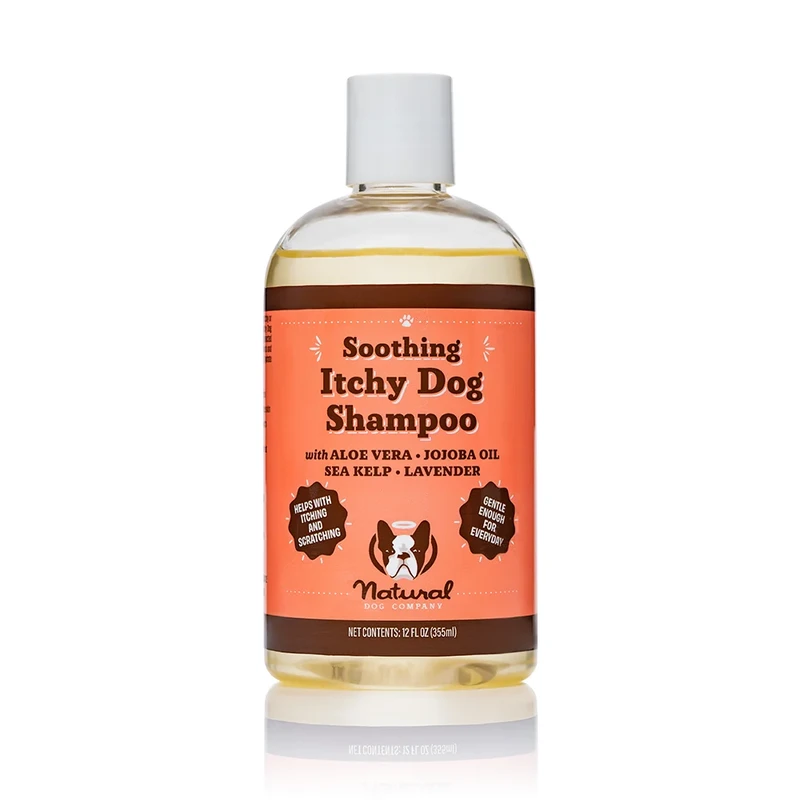
Best Organic Pet Shampoos for Itchy Skin: 2026 Guide
PawVerde.com – The best organic pet shampoos for itchy skin prioritize ingredients like colloidal oatmeal, aloe vera, and neem to soothe irritation without disrupting the skin’s natural pH. For maximum efficacy, look for USDA Certified Organic labels to avoid ‘greenwashed’ products containing hidden sulfates, artificial fragrances, or harsh alcohols.
Colloidal oatmeal was officially approved by the FDA as a skin protectant agent in 2003, making it a clinically recognized gold standard for soothing irritation. This recognition stems from its ability to form a protective moisture barrier on the skin, which helps lock in hydration and prevent water loss.
The Organic Label Decoder: Spotting Greenwashing in Pet Care
To verify if a pet shampoo is truly organic, look for ‘USDA Certified Organic’ seals rather than vague terms like ‘natural-inspired’ or ‘botanical extracts.’ True organic products must meet strict regulatory standards, whereas ‘natural’ labels often hide synthetic sulfates, artificial fragrances, and alcohols that can disrupt a dog’s skin pH.
The ‘Natural’ vs. ‘Certified Organic’ distinction
Many manufacturers use “greenwashing” tactics to imply a product is safer than it actually is. A common failure mode occurs when owners purchase products labeled “botanical” or “natural” only to find that the formula contains harsh surfactants. In 2003, Vermont Soap introduced the first USDA Certified Organic Pet Shampoo, setting a benchmark for what true organic certification requires. Unlike generic “natural” claims, USDA certification ensures that ingredients are grown and processed without synthetic pesticides or prohibited substances.
Red-flag ingredients to avoid
To protect the skin barrier, avoid shampoos made for people or those containing fragrances, alcohol, or essential oils. According to Vetster, these specific ingredients can disrupt a dog’s natural skin pH and worsen existing irritation.
- Sulfates: These create a rich lather but strip the skin of its natural protective oils.
- Artificial Fragrances: Often the primary cause of contact dermatitis in sensitive pets.
- Harsh Alcohols: These can lead to excessive dryness and flakiness.
Symptom-to-Ingredient Matrix: Matching Botanicals to Itch Types
Effective treatment requires matching the ingredient to the specific biological cause of the irritation. For example, using an antimicrobial agent for simple dryness may result in ineffective relief.
| Skin Condition | Primary Biological Cause | Target Ingredient | Action |
|---|---|---|---|
| Bacterial Overgrowth | Staphylococcus pseudintermedius | Antimicrobial agents | Reduces bacterial load |
| Yeast Infection | Malassezia yeast | Antifungal agents | Controls yeast proliferation |
| Inflammatory Redness | Skin inflammation | Hydrocortisone | Reduces localized swelling |
| Acute Itching | Nerve irritation | Pramoxine | Topical anesthetic effect |
| Dryness/Flakiness | Moisture loss | Colloidal Oatmeal | Forms protective barrier |
The table above compares how different organic and medicated components address specific dermatological needs. For example, while antimicrobial shampoos are useful for allergies that lead to bacterial overgrowth, they serve a different purpose than antifungal agents, which help control yeast overgrowth in allergic dogs.
Yeast and Bacterial Overgrowth
When skin irritation leads to secondary infections, specialized agents are required. Antifungal agents like miconazole or ketoconazole are helpful in controlling yeast (Malassezia) overgrowth that can intensify itching, odor, and inflammation in allergic dogs. If the irritation is bacterial, antimicrobial shampoos can help manage the situation.
Dryness and Flakiness
For dogs suffering from simple dryness, moisture retention is the priority. Colloidal oatmeal remains a leading choice because it forms a protective barrier on the skin. Clinical studies show that colloidal oatmeal can improve itch scores by 40% within one week by forming a protective moisture barrier.
Inflammatory Redness
To address red and swollen skin, use ingredients like hydrocortisone to control inflammation. Alternatively, pramoxine can be used as a topical anesthetic to reduce the sensation of itching during acute flare-ups.
Top Organic Recommendations for Itchy Skin
Product selection should consider both the severity of the symptoms and the required frequency of use. Availability and ingredient profiles vary across different brands.
Best for Daily Soothing: Earthbath Oatmeal & Aloe
Earthbath Oatmeal & Aloe Itch Relief is a reliable option for routine maintenance. This formula utilizes oatmeal to soothe the skin and aloe vera to provide hydration. It is particularly effective for dogs that need consistent moisture without heavy medicinal intervention.
Best for Intensive Itch Relief: 4-Legger REVITALIZE (Neem-based)
For dogs facing significant irritation, the 4-Legger REVITALIZE organic neem dog shampoo is a high-potency option. Priced at $23.50, this formula leverages the properties of neem to target persistent issues. It is a more intensive treatment compared to standard oatmeal washes.
Best for Budget Organic Option: 4-Legger Organic Oatmeal
If you require a regular, cost-effective solution for mild dryness, the 4-Legger Organic Oatmeal Dog Shampoo is an excellent choice. At a price of $5.25, it provides an organic baseline for maintaining skin health without a high per-wash cost.
Best for Certified Purity: Vermont Soap
For owners who prioritize strict regulatory compliance, Vermont Soap offers a high standard of purity. They were pioneers in the industry, having introduced the first USDA Certified Organic Pet Shampoo in 2003.
The Bath-Time Protocol: Maximizing Botanical Contact Time
To allow organic botanicals to penetrate the epidermal barrier, the shampoo must remain in contact with the skin. Immediate rinsing prevents these ingredients from working effectively.
Shortcut: To maximize ingredient absorption, always allow the shampoo to sit on the dog for 10-15 minutes before rinsing.
The Importance of the 10-Minute Soak
The efficacy of organic ingredients like colloidal oatmeal depends on contact time. For maximum benefit, soak the affected areas for 10-15 minutes. This allows the oatmeal to form its protective moisture barrier and absorb into the skin layers.
DIY Rinse: The Apple Cider Vinegar Method
For a natural post-bath rinse that helps balance pH, you can use apple cider vinegar. This method helps maintain a healthy skin environment after the shampooing process is complete.
- Mix one part vinegar with three parts water.
- Apply the mixture gently over the coat after rinsing out the shampoo.
- Let it sit briefly before a final light rinse if necessary.
Safety Precautions and Treatment Compatibility
While organic ingredients are generally safer, owners must monitor for individual sensitivities. Always watch for allergic reactions when introducing new organic components.
Warning: Always monitor your pet for allergic reactions to new organic ingredients. Additionally, avoid using colloidal oatmeal if the individual has an oat allergy or celiac disease due to the presence of avenin protein.
Layering Organic Shampoos with Medicated Creams
When managing severe dermatological issues, you may need to use organic shampoos alongside vet-prescribed treatments. It is important to note that baths are great for larger areas, while creams and lotions are perfect for targeted relief. Always ensure the skin is completely dry before applying medicated creams to prevent trapping moisture in a way that could encourage fungal growth.
The Risk of Essential Oil Toxicity
Be cautious with products containing essential oils, as Vetster notes these can be toxic to certain breeds if used in high concentrations. Additionally, avoid over-bathing; most itchy dogs benefit from a bathing frequency of every 3-4 weeks to avoid stripping natural oils.
FAQ
How often should I bathe an itchy dog?
Most itchy dogs benefit from a bathing frequency of every 3-4 weeks to avoid stripping natural oils while managing irritants.
Can I use human oatmeal shampoo on my dog?
No, human shampoos often contain fragrances, alcohols, or pH levels that can disrupt a dog’s natural skin barrier and worsen irritation.
Does colloidal oatmeal actually work?
Yes, clinical studies show colloidal oatmeal can improve itch scores by 40% within one week by forming a protective moisture barrier.

Eco-Friendly Pet Dental Care: Sustainable Oral Health Tips
PawVerde.com – Eco-friendly pet dental care focuses on reducing environmental impact through biodegradable tools, sustainable packaging, and non-toxic ingredients while maintaining clinical efficacy. To achieve a truly green routine, owners should transition from disposable plastic wipes to reusable silicone brushes and bamboo tools, ensuring products are free from harmful synthetics and greenwashed marketing. Over 80% of dogs over age 3 suffer from active dental disease, making effective oral hygiene a critical health necessity.
How to Spot Greenwashing in Pet Dental Products
To avoid greenwashing, look beyond vague ‘natural’ or ‘plant-based’ labels. Check for specific certifications like Leaping Bunny or USDA Organic, and scrutinize ingredient lists for hidden petrochemicals. A truly eco-friendly product will clearly list its biodegradable components rather than using ‘green’ imagery to mask synthetic ingredients.
The ‘Natural’ Label Trap
It is easy to fall for greenwashed marketing. 4-Legger notes that when only two or three natural ingredients are featured, but the rest are petrochemical-based, it is not truly green. It is simply deceptive marketing.
Red Flag Ingredients to Avoid
True sustainability requires looking past the front of the packaging and into the chemical composition. When auditing a product, watch for these specific failure modes:
- Vague “plant-based” claims that do not specify the source or percentage of botanical content.
- The presence of hidden petrochemicals used as binders or surfactants in toothpaste.
- Excessive use of single-use plastics in secondary packaging, even if the primary product is “natural.”
- Products that claim to be “eco-friendly” but lack third-party certifications to verify their claims.
The Zero-Waste Dental Routine: From Plastic to Circular
Moving toward a sustainable routine involves replacing single-use items with durable alternatives. A circular approach prioritizes tools that can be reused, composted, or recycled indefinitely.
Replacing Disposable Wipes
Dental wipes are not eco-friendly because they are disposable. It has been noted that “While any dental care is better than no dental care, it’s best to use wipes as a supplement to brushing.” These single-use items should not replace more robust cleaning methods.
The Lifecycle of Bamboo Brushes
Bamboo has become a staple in sustainable oral care due to its rapid regrowth and biodegradability. Unlike plastic toothbrushes that persist in landfills for centuries, bamboo handles can often be composted. However, users must ensure the bristles are removable or made of bio-based materials to avoid leaving nylon behind.
Compostable vs. Recyclable Options
When evaluating waste management, consider these specific tool types:
- Silicone Finger Brushes: These are highly reusable and dishwasher safe, making them a superior earth-friendly alternative to disposable wipes.
- Water Additives: These provide a low-waste way to supplement cleaning without the need for constant plastic tube replenishment.
- Certified Packaging: Brands with certified eco-friendly packaging have seen 12% higher repeat purchase rates, indicating a growing consumer preference for responsible waste management.
Clinical Efficacy vs. Environmental Impact
Mechanical brushing remains the primary method for effective hygiene. While bamboo brushes and water additives reduce waste, cleaning must reach the subgingival space—the area beneath the gumline—to be effective.
The Subgingival Gap Problem
Hard kibble or certain chew toys are insufficient for comprehensive hygiene. While certain textures can provide mild mechanical scraping, they rarely reach the subgingival space where the most destructive bacteria reside.
Mechanical Scraping vs. Chemical Cleaning
The following table compares the most common dental care methods used by pet owners today.
| Method | Environmental Impact | Cleaning Efficacy | Best Use Case |
|---|---|---|---|
| Dental Wipes | High (Single-use plastic) | Low (Surface only) | Quick touch-ups |
| Silicone Finger Brush | Low (Reusable) | Moderate (Good tactile control) | Daily maintenance |
| Traditional Toothbrush | Moderate (Plastic waste) | High (Mechanical precision) | Deep cleaning |
| Water Additives | Low (Concentrated) | Low to Moderate (Chemical/Enzymatic) | Supplementing brushing |
The environmental impact of pet dental care depends heavily on whether the chosen tool is a single-use disposable or a reusable device.
The Science of the Oral Microbiome: Probiotics and Prebiotics
Modern dental science focuses on managing the oral microbiome rather than simply eliminating all bacteria. This approach aims to support a resilient environment within the mouth.
Nourishing Good Bacteria
Prebiotics act as a food source for existing beneficial bacteria. Strengthening these levels of good bacteria makes it harder for cavity-causing bacteria to thrive.
Adding Probiotic Solutions
Probiotics introduce beneficial bacterial strains directly into the oral cavity to balance the microbiome. While prebiotics provide the “fuel,” probiotics add the “workers,” such as those found in certain probiotic solutions.
- Probiotics: Introduce beneficial live bacteria.
- Prebiotics: Provide nourishment for existing good bacteria (e.g., Revitin).
Practical Application: The 5-Second Tooth Cleaning Technique
Efficient dental care can be achieved through specific, timed techniques. Proper application ensures biofilm removal without unnecessary stress.
Shortcut: For a quick and effective application, use the “pea-sized” rule. Squeeze an amount of toothpaste the size of a pea (adjusting slightly for larger pets) directly onto a silicone finger brush or a soft toothbrush.
Step-by-Step Brushing Guide
- Apply a pea-sized amount of pet-safe, fluoride-free toothpaste to your tool.
- Gently lift the lip to expose the teeth and gums.
- Clean each tooth and the gumline using small, circular motions.
- Spend approximately 5-10 seconds scrubbing each individual tooth to ensure biofilm removal.
- Allow the pet to lick off any remaining paste once finished.
The Systemic Connection: Why Dental Care Matters for Longevity
Oral health is a gateway to overall systemic health. Because the gums are highly vascularized, bacteria from the mouth can enter the bloodstream. This can lead to the seeding of bacteria in critical organs, including the liver, kidneys, or heart valves. Following the guidelines and product standards set by organizations like the Veterinary Oral Health Council (VOHC) can help ensure that the products you choose are clinically effective at reducing plaque and tartar.
Future Trends: AI and Digital Dental Monitoring
The landscape of pet healthcare is rapidly digitizing. As of May 2025, advancements in AI-powered health tracking are becoming more accessible to the average consumer. For example, Mars, Incorporated has developed suites of AI-powered digital solutions to help pet owners monitor various aspects of pet health, including dental hygiene. One emerging trend involves using smartphone-based applications to take photographs of a pet’s teeth and gums. These images can then be processed by AI models—trained on datasets containing upwards of 53,000 photographs—to provide a preliminary dental assessment, allowing owners to catch issues before they require invasive veterinary intervention.
FAQ
Are dental wipes eco-friendly?
No. Oxyfresh notes that because they are disposable, they contribute to single-use plastic waste. Reusable silicone finger brushes are a more sustainable alternative.
Can I just use hard kibble for dental cleaning?
Kibble provides only mild mechanical scraping. It rarely reaches the subgingival space—the area beneath the gumline where the most destructive bacteria reside.
What is the difference between oral probiotics and prebiotics?
Probiotics introduce beneficial bacteria directly to the mouth. Prebiotics provide the nourishment needed for existing good bacteria to thrive.
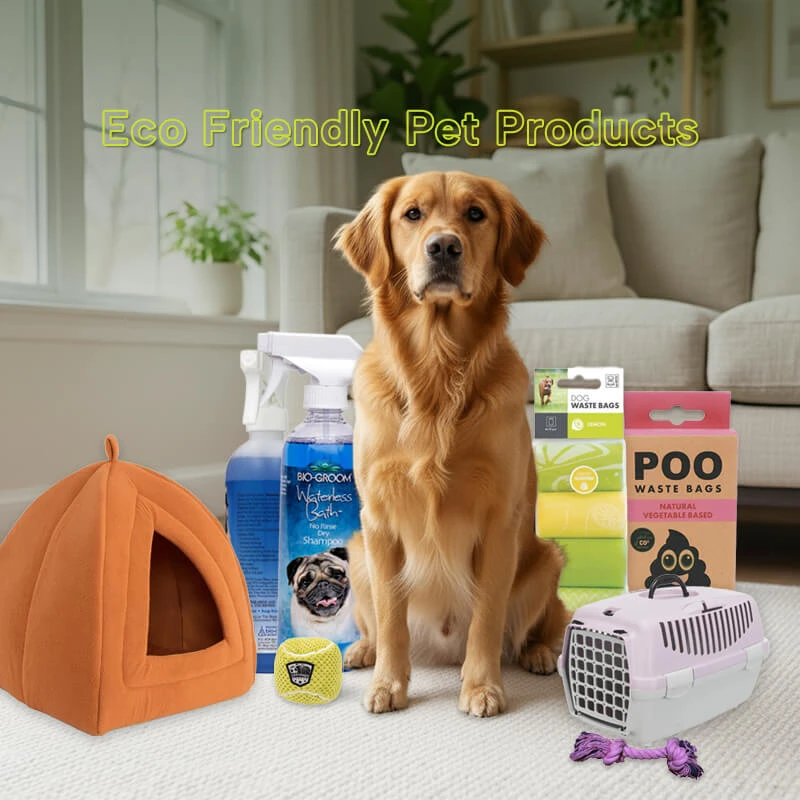
Sustainable Pet Grooming: How to Choose Eco-Friendly Products
PawVerde.com – To groom your pet sustainably, transition from single-use plastics to durable tools like bamboo brushes and stainless steel clippers, swap liquid shampoos for plastic-free shampoo bars, and implement water-saving techniques such as shorter baths and targeted rinsing to reduce your pet’s environmental footprint.
A single grooming session can waste between 10 to 20 gallons of water if not managed efficiently.
How to Audit Your Current Grooming Kit for Greenwashing
To identify greenwashing, look past ‘natural’ labels and scrutinize ingredient lists for sulfates, parabens, and synthetic fragrances. Verify if packaging is truly compostable or just recyclable, and check if ‘eco-friendly’ tools contain hidden microplastics or non-removable metal components that prevent true biodegradability.
Most commercial shampoos and conditioners contain sulfates, parabens, and synthetic fragrances. These chemicals do not just irritate sensitive skin; they also wash down the drain and pollute waterways.
The Ingredient Red-Flag List
When reviewing a product label, a common failure mode is assuming a “botanical” or “natural” label guarantees safety or sustainability. Many products use these terms to mask a core of harsh synthetics. Practitioners recommend checking the fine print for the following:
- Sulfates (often used for lathering but harsh on skin)
- Parabens (preservatives that can disrupt hormones)
- Synthetic fragrances (major sources of waterway pollution)
The Compostability Audit: Bamboo vs. Hybrid Waste
A counterintuitive reality in sustainable shopping is that a bamboo handle does not always equal a zero-waste tool. While bamboo brushes are more sustainable than plastic versions, many “eco-friendly” brushes are actually hybrid waste. For example, a brush might feature a bamboo handle but utilize synthetic nylon bristles that cannot be separated for composting. This creates a product that is impossible to fully biodegrade, ultimately landing in a landfill despite its “green” appearance.
Step 1: Upgrade to Durable, Low-Impact Tools
Replacing items like plastic combs or low-grade brushes is essential because these tools often break during frequent use. Experts suggest that switching to high-quality hardware helps break the cycle of immediate disposal.
| Product Type | Conventional Option | Sustainable Alternative | Primary Eco-Benefit |
|---|---|---|---|
| Brushes | Plastic handles/bristles | Bamboo with natural bristles | Biodegradability & longevity |
| Clippers | Disposable/Cheap plastic | Stainless steel | Extreme durability |
| Shampoo | Liquid in plastic bottles | Solid shampoo bars | Zero plastic packaging |
| Wipes | Single-use wipes | Washable cotton/microfiber | Eliminates landfill waste |
By choosing these alternatives, you avoid the environmental cost of manufacturing and transporting new plastic items every few months.
Investing in Longevity: Stainless Steel vs. Plastic
Durable stainless steel clippers provide a sustainable alternative to cheap plastic tools. While the initial investment differs, these clippers keep nails short for years without the need for repeated replacements, preventing the waste common with low-cost items.
The Microplastic Deep Dive: Avoiding Synthetic Bristles
Bamboo handles paired with natural bristles last longer than plastic versions. Beyond durability, natural bristles provide a gentler experience for your dog’s skin. It is a mistake to prioritize the handle material alone; always inspect the bristles. Synthetic bristles shed microplastics into the water supply during every wash, whereas natural fibers integrate back into the environment more safely.
Step 2: Master Sustainable Bathing and Water Conservation
Conserve water by using a handheld shower head to target specific areas, turning off the tap between rinses, and keeping baths short. To further reduce impact, bathe your pet outdoors or use a bucket to catch excess water for your garden plants.
To mitigate the 10 to 20 gallons of water wasted during typical grooming sessions, prioritize efficient rinsing. Regular brushing also serves as a primary tool for conservation by keeping your dog cleaner and reducing the frequency of necessary baths.
Shortcut: To minimize waste, always keep a dedicated bucket nearby to catch runoff, which can be reused for garden irrigation.
The ‘Brush More, Bathe Less’ Strategy
Regular brushing removes dirt and loose hair to reduce the frequency of necessary baths. This simple change protects sensitive skin and significantly lowers water consumption.
Optimizing Water Use with Handheld Attachments
If bathing indoors, use a handheld shower head. This allows you to target specific areas—like paws or soiled fur—without running a high-volume stream over the entire body. Another failure mode is leaving the tap running while applying shampoo; always turn the water off during the lathering phase to prevent unnecessary waste.
Step 3: Select pH-Balanced, Plant-Based Cleansers
Using vegan dog shampoos can reduce demand on animal agriculture, which is a major global contributor to greenhouse gas emissions. These plant-based options provide a way to manage environmental impact through ingredient selection.
Warning: Always verify that any cleanser matches the typical canine skin pH of 6.2 to 7.4. Using products designed for humans can strip the skin’s protective barrier, leading to irritation and infection.
Why pH Matters: Protecting the Skin Barrier
Canine skin is biologically different from human skin. While humans lean toward a more acidic profile, dogs require a specific range of 6.2 to 7.4 pH. Using the wrong cleanser is a common mistake that leads to dermatological issues, often requiring more frequent (and water-intensive) medicated baths to correct.
The Benefits of Solid Shampoo Bars
Shampoo bars made specifically for pets are a premier alternative for reducing plastic. These bars last longer than liquid bottles and often come wrapped in recyclable paper rather than plastic, eliminating the waste that accumulates with traditional liquid shampoos.
Step 4: Implement Safe DIY Grooming Recipes
Creating your own grooming supplies can reduce reliance on commercial packaging. However, safety must remain the priority when mixing ingredients at home.
Deodorizing and Ear Care
You can utilize these specific DIY techniques for routine maintenance:
- DIY Natural Deodorizer: Rub a small amount of baking soda into the dog’s coat and brush it out to neutralize odors.
- DIY Ear Cleaning: Use a simple solution of white vinegar and water to gently clean ears.
Warning: When using DIY ear solutions, use a precise ratio of white vinegar and water to maintain a safe pH. Never use undiluted vinegar or essential oils that may be toxic to specific breeds.
Cleaning Accidents with Enzyme Solutions
Homemade enzyme cleaners are highly effective for managing pet accidents. These cleaners work by breaking down urine at a molecular level, which neutralizes both odors and stains. To make one, combine citrus peels, brown sugar, and water to create a potent, eco-friendly solution.
Sustainable Grooming on a Budget: A Tiered Approach
You can manage the shift to eco-friendly care through a tiered system of upgrades. This allows for a gradual transition rather than an immediate overhaul.
- Zero Cost: Implement the “Brush More, Bathe Less” strategy and reuse old towels or T-shirts as wipes.
- Low Cost: Create DIY enzyme cleaners or ear solutions using household staples like vinegar and citrus.
- Investment: Replace aging plastic tools with high-quality stainless steel clippers and bamboo brushes.
By upgrading these essentials, you save money over time and reduce the endless cycle of single-use products.
FAQ
Is it safe to use DIY vinegar solutions for my dog’s ears?
Use a precise ratio of white vinegar and water to maintain a safe pH. Avoid using undiluted vinegar or essential oils that may be toxic to specific breeds. Always consult a professional if your pet shows signs of ear irritation.
Can I compost my pet’s hair after grooming?
Yes, pet hair can be responsibly disposed of by composting it or using it as mulch in your garden. This turns a grooming byproduct into a nutrient-rich resource for your soil.
How do shampoo bars compare to liquid bottles?
Shampoo bars last longer and typically come in recyclable paper packaging, eliminating the plastic bottle waste associated with liquid versions. They are a highly efficient, concentrated alternative for zero-waste pet care.