
How to Choose Eco-Friendly Pet Dental Care Effectively
PawVerde.com – To choose eco-friendly pet dental care, prioritize products with verified efficacy (look for the VOHC seal), sustainable ingredient sources like insect protein or fermented seaweed, and minimal plastic waste through biodegradable handles or zero-waste packaging. Always balance environmental impact with clinical effectiveness to ensure your pet’s oral health is not compromised.
The US pet food industry produces approximately 300 million pounds of plastic every year, much of which contributes to the waste generated by routine dental care products.
The Greenwashing Audit: How to Spot Truly Sustainable Dental Products
To avoid greenwashing, look beyond vague ‘natural’ labels. Verify products using the VOHC seal for clinical efficacy, check for certified organic ingredients like those in RADIUS toothpaste, and prioritize brands offering zero-waste or biodegradable components, such as bamboo floss or plant-derived bristle brushes, rather than just recyclable plastic.
VOHC Certification vs. Marketing Buzzwords
Marketing departments often use the word “natural” to imply environmental safety, but this term lacks strict regulatory oversight in the pet care sector. A common failure mode occurs when owners purchase a “natural” dental chew that lacks clinical proof of plaque reduction, leaving the pet vulnerable to periodontal disease. To ensure a product actually works, look for the Veterinary Oral Health Council (VOHC) seal. This certification signifies that the product has undergone rigorous testing to prove it effectively reduces plaque and tartar. Relying solely on buzzwords can result in a “green gap,” where a product appears environmentally friendly but fails to prevent the 80% of dogs that develop dental disease by age three.
Analyzing Packaging: Zero-Waste vs. Recyclable
Many brands claim sustainability by using “recyclable” plastic, yet most household recycling streams cannot process small, contaminated items like dental wipes or used toothbrushes. True sustainability requires moving toward zero-waste or biodegradable models. When auditing your pet’s dental kit, evaluate these specific criteria:
- Material Composition: Prioritize bamboo or plant-derived bristles over nylon.
- Packaging Type: Seek out compostable wraps or refillable containers rather than single-use plastic tubes.
- Certifications: Look for USDA Organic labels on toothpastes, such as those produced by RADIUS, to ensure ingredient integrity.
Sustainability vs. Efficacy: Selecting the Right Ingredients
Choosing ingredients involves a delicate balance between reducing the carbon footprint of pet food production and maintaining high digestibility. While traditional meat-based proteins require significant land and water resources, some eco-friendly alternatives may present different nutritional challenges if not formulated correctly.
The Rise of Insect Protein in Dental Chews
Insect protein has emerged as a primary solution for reducing the environmental impact of pet dental treats. Manufacturers like Jiminy’s utilize insect protein because it is an eco-friendly and digestible protein source that is gentle on both the gut and the planet. As Jiminy’s notes:
“Our dental chews aren’t just innovative because of what they do for your dog’s teeth; they’re groundbreaking because of what they don’t do to the planet.”
This approach mitigates the massive resource requirements of traditional livestock. However, users must remain vigilant against low-quality chews that use synthetic additives to artificially extend shelf life, which can compromise digestibility.
Functional Seaweed and Quinoa: Beyond Nutrition
Beyond protein, specific functional ingredients are being integrated into dental formulations to provide mechanical and biological benefits. Scoular supplies key ingredients like quinoa and fermented seaweed to the pet food industry to enhance oral health. Seaweed is particularly valuable because it is nutrient-rich and can aid skin, coat, gut, and dental health. The following table compares common eco-friendly dental tools and ingredients based on their impact and utility:
| Ingredient/Tool | Eco-Impact | Clinical Efficacy | Best For |
|---|---|---|---|
| Insect Protein Chews | Very Low | Moderate (Daily Support) | Sustainable daily treats |
| Fermented Seaweed | Low | High (Biological Support) | Gut and dental health |
| Bamboo Brushes | Low (Compostable) | High (Mechanical) | Routine brushing |
| Water Additives | Moderate (Plastic Bottle) | Moderate (Backup) | Resistant pets |
While these ingredients offer significant advantages, it is a misconception that eco-friendly ingredients are inherently “weaker” than synthetic ones; when formulated correctly, they provide robust dental support.
Step-by-Step: Implementing a Low-Waste Dental Routine
Start by training your pet through mouth handling for 15-30 seconds daily. Transition to brushing 3-4 times a week using pet-safe, organic toothpaste and a biodegradable brush. For resistant pets, integrate dental wipes or water additives as a sustainable backup to traditional brushing.
Phase 1: Mouth Handling Training
Successful dental care begins with desensitization rather than immediate brushing. According to Dr. Peter Dobias, owners should start by handling and opening the pet’s mouth daily to build comfort. Use the following training sequence:
- Initial Contact: Gently lift the lips without any tools.
- Tactile Stimulation: Use tasty food on your fingers to rub the teeth and gums.
- Duration: Aim to hold the mouth open for 15-30 seconds at a time.
- Positive Reinforcement: Reward the pet with a high-value treat for staying still.
Shortcut: If your pet is highly reactive, use a “lick mat” with organic peanut butter (ensuring it is aflatoxin-free) to distract them while you perform gentle gum inspections.
Phase 2: The Brushing Technique
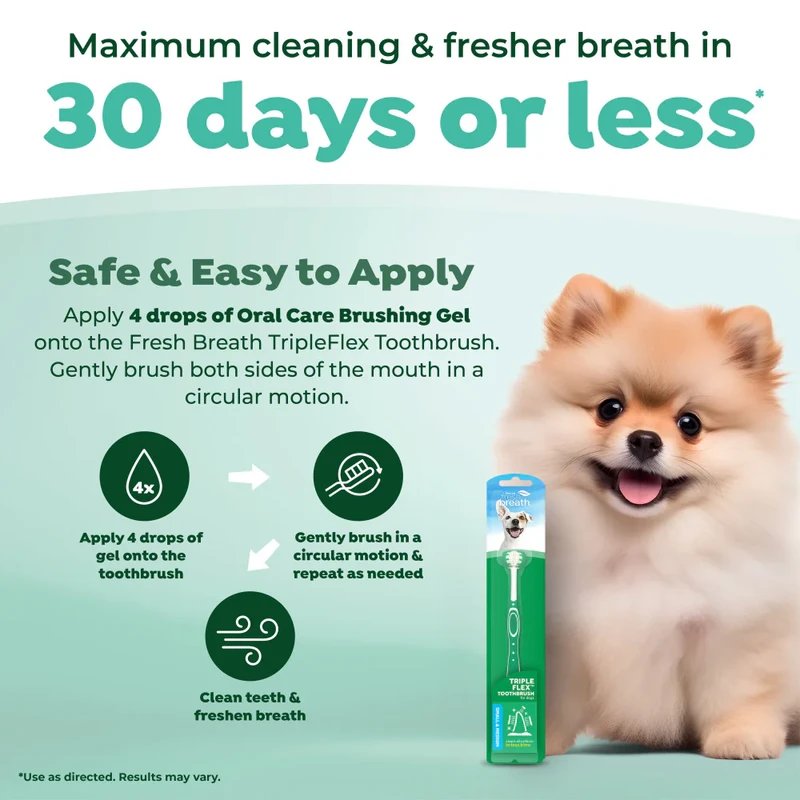
Once the pet is comfortable, move to active brushing. For maximum efficacy, veterinary experts recommend brushing 3-4 times a week. Use a soft-bristled, biodegradable brush and pet-specific toothpaste. To clean effectively, brush in small, gentle circles along the gumline. While electric toothbrushes can provide superior cleaning efficacy compared to manual versions, owners should consider the lifecycle of the electronic device versus a compostable bamboo brush when choosing their method.
Phase 3: Low-Impact Alternatives for Difficult Pets
If a pet refuses a toothbrush, do not force the issue, as this can cause stress and dental trauma. Instead, utilize these sustainable alternatives:
- Dental Wipes: These are effective for pets who tolerate mouth contact but resist the physical presence of a brush. Gently lift the lips and wipe along the gumline once a day.
- Water Additives: If brushing remains impossible, adding odorless and tasteless solutions to drinking water can help reduce plaque and control bacteria.
Avoiding Critical Health and Environmental Pitfalls
The most significant risk in at-home dental care is the accidental use of products designed for humans. PetMD and Country Creek Animal Hospital both emphasize that human toothpaste should never be used on pets due to the risk of toxicity.
The Danger of Human Toothpaste
Human toothpastes often contain xylitol or high concentrations of fluoride, both of which can be life-threatening for dogs and cats. Always ensure your toothpaste is specifically formulated for pets, ideally using organic components like coconut oil, which Dr. Peter Dobias describes as a “clear, safe, and side-effect-free winner!”
Nutritional Risks: Aflatoxins and Synthetic Fillers
When selecting eco-friendly dental chews, avoid those that rely on peanut-based fillers to save costs. Peanuts are not a natural item in the canine diet and can frequently contain aflatoxins, which pose serious health risks. Additionally, beware of “natural” chews that use synthetic preservatives to maintain stability; these can decrease digestibility and increase the pet’s environmental footprint through increased waste.
The End-of-Life Guide: Disposing of Eco-Friendly Dental Tools
Sustainability does not end when the product is empty; it ends when the packaging and tools are correctly processed. As the pet oral care market continues to grow through the 2025-2035 forecast period, the volume of “eco-friendly” waste will also increase, making proper disposal essential.
Composting vs. Landfilling Biodegradables
A common mistake is assuming all “biodegradable” items can be tossed into a backyard compost bin. Most bamboo toothbrushes or plant-derived bristles require industrial composting facilities to break down effectively. If you place them in a standard landfill, they may remain intact for years, negating their environmental benefits. Terra & Co. notes:
“A product’s cost to the planet does not directly translate into its price for the consumer.”
This includes the “cost” of improper disposal.
Managing Plastic-Free Dental Wipes
When using dental wipes, check the material composition. If they are made of compostable fibers, they should be disposed of according to the manufacturer’s instructions—often in organic waste bins. If they are merely “plastic-free” but not compostable, they must be treated as standard waste to avoid contaminating recycling streams with organic residue.
FAQ
Can I use my own toothpaste on my pet to save money and waste?
No. Human toothpaste is unsafe for pets and can lead to serious health issues. Always use pet-specific, organic, or natural formulations to avoid toxic ingredients like xylitol.
Are dental chews as effective as brushing?
While dental chews provide daily support, they do not replace the thorough cleaning achieved by brushing 3-4 times a week or professional veterinary cleanings. They are a supplement, not a total replacement.
How do I know if a dental treat is actually eco-friendly?
Look for low-impact proteins like insect protein and avoid products with heavy plastic packaging or synthetic additives that compromise digestibility and environmental safety.