
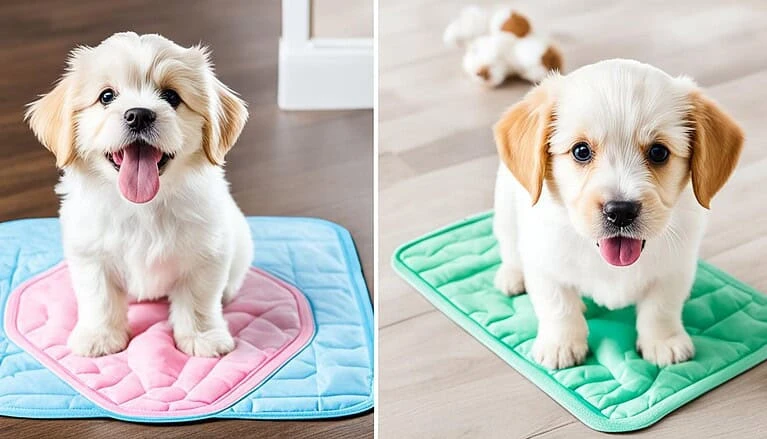
Reusable vs Disposable Pet Products: Cost & Eco Impact
PawVerde.com – Choosing between reusable and disposable pet products requires balancing immediate convenience against long-term environmental impact and total cost of ownership. While disposables offer ease of use, reusables like washable pee pads and stainless steel bowls significantly reduce the massive volume of pet-related plastic waste entering landfills.
The scale of waste is immense. According to the pet sustainability Coalition, 99% of all pet food and treat packaging goes to the landfill each year.
The True Lifecycle: Total Cost of Ownership vs. Upfront Price
| Product Category | Disposable Option | Reusable Alternative | Primary Environmental Trade-off |
|---|---|---|---|
| Pee Pads | Single-use absorbent pads | Washable fabric pads | Waste reduction vs. laundry energy |
| Diapers | Disposable diapers | Washable diapers | Landfill volume vs. water usage |
| Feeding Bowls | Single-use plastic bowls | Stainless steel or ceramic | Immediate waste vs. manufacturing footprint |
The data provided by Petmagasin suggests that a single reusable diaper can replace hundreds of disposables, drastically reducing landfill waste and saving money. While the initial purchase of a high-quality fabric diaper carries a higher price tag than a single pack of disposables, the long-term savings are substantial. However, owners must factor in the “hidden costs” of reusables, such as water, energy, and detergent used during frequent cleaning cycles.
The math behind the ‘one-time purchase’ myth
Purchasing a single item often creates a false sense of economy. While a disposable item costs cents per use, the cumulative expenditure over a pet’s lifespan can exceed the cost of premium reusable gear. For example, a pet requiring daily diaper changes could consume over 300 disposables in a single year. A single reusable diaper can replace hundreds of disposables, drastically reducing landfill waste and saving you money.
Hidden expenses: Water, energy, and detergent
The economics of reusables extend beyond the initial purchase. Owners must weigh the utility costs of frequent laundering against the expense of single-use items. If a pet requires daily washing of bedding or pads, the electricity and water consumption becomes a significant factor in the total cost.
Sustainability in pet care involves monitoring what enters our water systems. Beyond reducing landfill volume, owners must consider the environmental footprint of synthetic materials used in high-performance gear.
Synthetic fleece and nylon are common in durable pet gear. While these materials are incredibly tough, they are prone to shedding during laundry cycles. Every time a synthetic fleece bed is washed, tiny microplastic fibers are released into the wastewater. This shedding problem is a significant concern for aquatic ecosystems.
Mitigation: Using microplastic filters and natural fibers
To mitigate this, owners can utilize microplastic filters in their washing machines or opt for natural fiber reusables. Choosing organic cotton or hemp for pet bedding can significantly reduce the microplastic footprint. If synthetic materials are necessary for durability, using a specialized laundry bag designed to catch microfibers can prevent these particles from entering the water system.
- Use high-temperature water cycles to kill common pathogens.
- Apply pet-safe, unscented detergents to avoid skin irritation.
- Ensure items are dried completely in a well-ventilated area or a high-heat dryer.
- Inspect fabrics regularly for signs of wear or biological staining.
Compostable poop bags face a significant failure mode in traditional waste systems. According to Friends of the Earth, these bags require oxygen and light to break down effectively. In a landfill, where waste is tightly packed and devoid of light, these bags often remain intact for years.
Material selection should be based on specific pet behaviors to prevent premature product failure. Assessing how a pet interacts with its gear ensures longevity and reduces waste.
The Heavy Chewer’s Guide to Reusables focuses on high-density materials. For pets that tend to chew on toys or bedding, heavy-duty canvas or reinforced nylon is preferable over delicate fleece. While these materials are more expensive, they withstand the mechanical stress of chewing, preventing the need for frequent replacements.
Senior pets may require different solutions due to incontinence or decreased mobility. In these instances, the priority shifts toward the immediate sanitation and convenience provided by highly absorbent products.
They require access to oxygen and light to decompose; in a landfill, they often remain intact for years.
Yes. They are highly durable, reusable, and avoid the microplastic shedding associated with single-use plastic.