
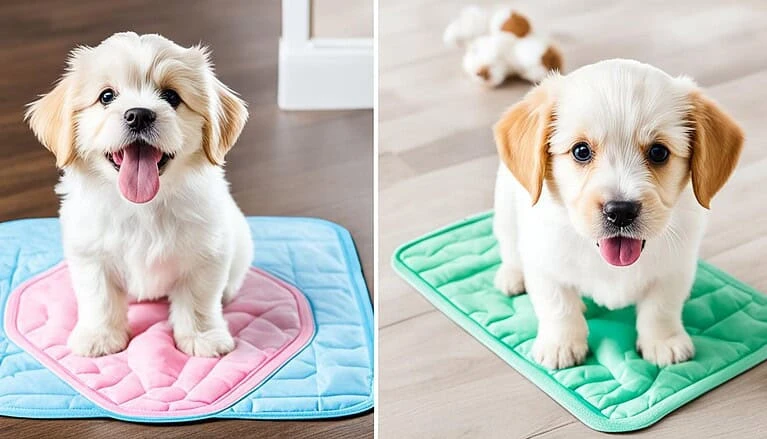
Reusable vs Disposable Pet Products: Cost & Eco Impact
PawVerde.com – Choosing between reusable and disposable pet products requires balancing immediate convenience against long-term environmental impact and total cost of ownership. While disposables offer ease of use, reusables like washable pee pads and stainless steel bowls significantly reduce the massive volume of pet-related plastic waste entering landfills.
The scale of waste is immense. According to the pet sustainability Coalition, 99% of all pet food and treat packaging goes to the landfill each year.
The True Lifecycle: Total Cost of Ownership vs. Upfront Price
| Product Category | Disposable Option | Reusable Alternative | Primary Environmental Trade-off |
|---|---|---|---|
| Pee Pads | Single-use absorbent pads | Washable fabric pads | Waste reduction vs. laundry energy |
| Diapers | Disposable diapers | Washable diapers | Landfill volume vs. water usage |
| Feeding Bowls | Single-use plastic bowls | Stainless steel or ceramic | Immediate waste vs. manufacturing footprint |
The data provided by Petmagasin suggests that a single reusable diaper can replace hundreds of disposables, drastically reducing landfill waste and saving money. While the initial purchase of a high-quality fabric diaper carries a higher price tag than a single pack of disposables, the long-term savings are substantial. However, owners must factor in the “hidden costs” of reusables, such as water, energy, and detergent used during frequent cleaning cycles.
The math behind the ‘one-time purchase’ myth
Purchasing a single item often creates a false sense of economy. While a disposable item costs cents per use, the cumulative expenditure over a pet’s lifespan can exceed the cost of premium reusable gear. For example, a pet requiring daily diaper changes could consume over 300 disposables in a single year. A single reusable diaper can replace hundreds of disposables, drastically reducing landfill waste and saving you money.
Hidden expenses: Water, energy, and detergent
The economics of reusables extend beyond the initial purchase. Owners must weigh the utility costs of frequent laundering against the expense of single-use items. If a pet requires daily washing of bedding or pads, the electricity and water consumption becomes a significant factor in the total cost.
Sustainability in pet care involves monitoring what enters our water systems. Beyond reducing landfill volume, owners must consider the environmental footprint of synthetic materials used in high-performance gear.
Synthetic fleece and nylon are common in durable pet gear. While these materials are incredibly tough, they are prone to shedding during laundry cycles. Every time a synthetic fleece bed is washed, tiny microplastic fibers are released into the wastewater. This shedding problem is a significant concern for aquatic ecosystems.
Mitigation: Using microplastic filters and natural fibers
To mitigate this, owners can utilize microplastic filters in their washing machines or opt for natural fiber reusables. Choosing organic cotton or hemp for pet bedding can significantly reduce the microplastic footprint. If synthetic materials are necessary for durability, using a specialized laundry bag designed to catch microfibers can prevent these particles from entering the water system.
- Use high-temperature water cycles to kill common pathogens.
- Apply pet-safe, unscented detergents to avoid skin irritation.
- Ensure items are dried completely in a well-ventilated area or a high-heat dryer.
- Inspect fabrics regularly for signs of wear or biological staining.
Compostable poop bags face a significant failure mode in traditional waste systems. According to Friends of the Earth, these bags require oxygen and light to break down effectively. In a landfill, where waste is tightly packed and devoid of light, these bags often remain intact for years.
Material selection should be based on specific pet behaviors to prevent premature product failure. Assessing how a pet interacts with its gear ensures longevity and reduces waste.
The Heavy Chewer’s Guide to Reusables focuses on high-density materials. For pets that tend to chew on toys or bedding, heavy-duty canvas or reinforced nylon is preferable over delicate fleece. While these materials are more expensive, they withstand the mechanical stress of chewing, preventing the need for frequent replacements.
Senior pets may require different solutions due to incontinence or decreased mobility. In these instances, the priority shifts toward the immediate sanitation and convenience provided by highly absorbent products.
They require access to oxygen and light to decompose; in a landfill, they often remain intact for years.
Yes. They are highly durable, reusable, and avoid the microplastic shedding associated with single-use plastic.
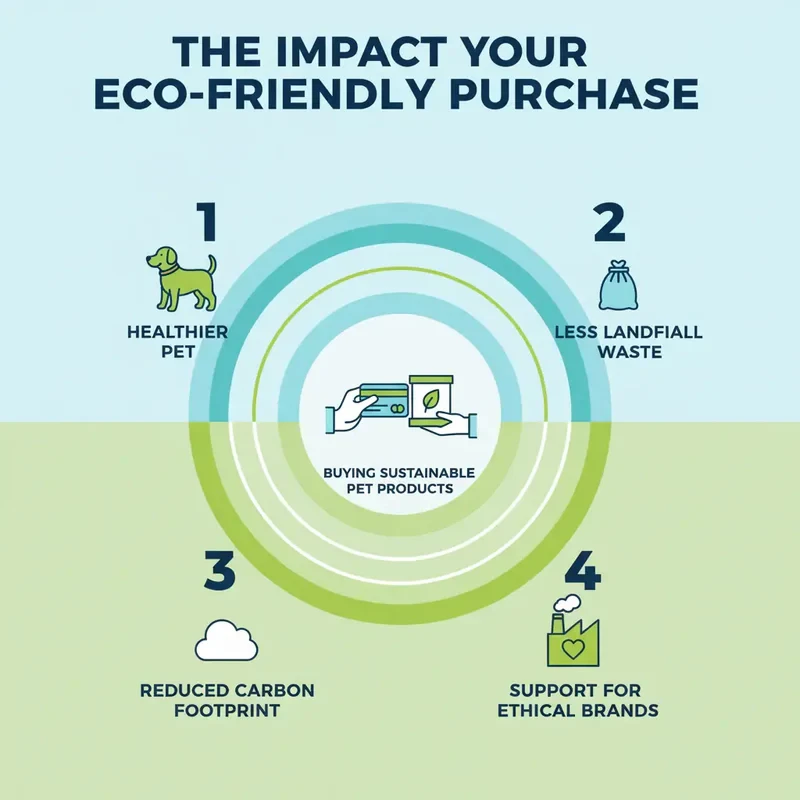
How to Minimize Your Pet’s Carbon Footprint: 4 Key Steps
PawVerde.com – Minimizing your pet’s carbon footprint requires a multi-pronged approach: transitioning to lower-impact proteins (like fish or insect-based diets), choosing durable gear over disposable items, and managing waste through compostable materials. Addressing these key areas can significantly reduce the 64 million tons of CO2 emissions generated annually by pet meat consumption in the US.
If America’s 163 million dogs and cats were a separate country, they would rank fifth in global meat consumption, according to Gregory Okin. This massive scale of consumption drives a significant portion of the environmental impact associated with pet ownership.
The Pet Sustainability Audit: Assessing Your ‘Pawprint’
To audit your pet’s carbon footprint, evaluate four key pillars: Diet (protein source and portion control), Waste (litter type and bag biodegradability), Gear (durability vs. disposability), and Medical/Maintenance (grooming water use and dental care). Scoring these areas helps identify whether your impact stems from high-emission meats or high-waste lifestyle habits.
A thorough audit prevents the failure mode of “performative sustainability,” where an owner buys expensive organic toys while maintaining a diet heavy in high-emission red meats. For a large dog, the emissions can reach as high as 2,500 kg of CO2e, whereas an average-sized dog generates approximately 770 kg of CO2e. Understanding these baseline numbers is the first step toward meaningful reduction.
The Four Pillars of Pet Impact
- Diet: Analyzing the protein source (beef vs. fish vs. insect) and checking for overfeeding, which increases both cost and emissions.
- Waste: Evaluating the carbon intensity of litter types and the biodegradability of waste bags.
- Gear: Assessing the lifecycle of products, specifically whether a “biodegradable” item lasts long enough to outperform a durable one.
- Maintenance: Measuring resource use during grooming and the frequency of veterinary interventions.
Dietary Shifts: From Red Meat to Sustainable Proteins
The most effective way to reduce pet emissions is switching from red meat to fish or insect-based proteins. Producing 1kg of red meat generates 50-750kg of CO2, whereas catching 1kg of fish produces only 1-5kg. Additionally, plant-based diets can reduce pet allergies while lowering the environmental load.
Research from the Institute for Marine and Antarctic Studies at the University of Tasmania highlights the stark contrast between terrestrial livestock and marine protein sources. While beef and lamb are highly carbon-intensive, shifting toward marine-based proteins or alternative sources like those developed by Wild Earth can drastically lower a pet’s individual footprint.
| Protein Source | CO2e per kg (approx) | Sustainability Rank |
|---|---|---|
| Red Meat (Beef/Lamb) | 50 – 750 kg | Low |
| Fish | 1 – 5 kg | High |
| Insects | Minimal | Very High |
The protein data shows that while producing a kilogram of red meat can release up to 750 kg of CO2, catching a kilogram of fish emits as little as 1 kg. This disparity makes protein selection a primary lever for reducing emissions.
The Protein Hierarchy
Owners should prioritize proteins with the lowest lifecycle emissions. Insect-based pet food is a rapidly growing sector because the overall carbon footprint is much smaller than that of traditional livestock. Furthermore, utilizing by-products from the human food chain can prevent the disposal of healthy ingredients, making the entire food system more efficient.
The Overfeeding Trap
A common misconception is that more food equals a healthier pet. In reality, many pets are overfed, which is not only unhealthy for the animal but also increases food waste, costs, and total emissions. Precise portion control is a direct way to minimize the environmental load without changing the specific brand of food used.
Decoding the Greenwashing Trap in Pet Supplies
Marketing often highlights “organic cotton” because studies show it is less water- and energy-intensive than conventional cotton. However, a single product choice does not guarantee total sustainability.
Warning: Avoid the trap of prioritizing “biodegradable” labels on high-use items. A durable product, such as a high-quality rubber toy, used for several years may be significantly more sustainable than multiple biodegradable replacements that break down too quickly and require frequent repurchasing.
The European Commission has worked on initiatives like “Building the Single Market for Green Products” to address these complexities, but consumers must remain vigilant. The goal should be longevity; a product that stays out of a landfill for five years is often better than a “green” product that ends up there in five months.
Waste Management: The Hidden Cost of Litter and Poop Bags
Cat owners face a significant choice in waste materials. Silica-gel-based litter has an exceptionally high carbon footprint because manufacturing just one ton of silica gel requires approximately 5 tons of coal.
Warning: Silica-gel litter can exert ten times the carbon dioxide pressure of other litter types. Switching to more natural alternatives is a high-impact change for cat owners.
Reducing environmental impact also involves managing dog waste. Moving toward compostable options helps mitigate the long-term presence of single-use plastics in the environment.
Home and Grooming: Protecting Resources and Longevity
Pet maintenance directly affects household resource use. For example, failing to manage dog nails can lead to the need for refinishing hardwood floors every 3 to 5 years, a process that can cost upwards of $4,500.
To minimize the impact of grooming, consider these methods:
- Water Conservation during Grooming: Install a pet shower sprayer with a shut-off nozzle to prevent continuous water flow.
- Alternative Bathing: Use animal-safe dry shampoos to reduce water usage between full baths.
- Outdoor Bathing: If appropriate, bathe pets in lawn areas that already require watering to combine resource uses.
The Medical and Socialization Paradox
Effective pet care requires balancing environmental concerns with essential health needs. Veterinary professionals emphasize that certain preventative measures are non-negotiable for long-term animal wellness.
Warning: Do not skip essential veterinary care in the name of sustainability. For example, dental health is critical; Dr. Osborne notes that “chewing bones does not keep your pet’s teeth clean. There are different products that they cleverly market as chews, but they don’t work.” Neglecting professional dental cleanings, which may be needed 1 to 2 times per year, can lead to more intensive medical issues later.
Socialization is another area where timing is critical for the pet’s well-being. Experts suggest that the window for effective socialization is between 3 and 12 weeks of age. While the medical and social needs of a pet are paramount, being an informed owner means understanding how to manage these needs with the least possible environmental friction.
FAQ
Is plant-based pet food safe?
Plant-based foods, such as those using yeast and chickpeas, can be highly successful in reducing pet allergies and lowering environmental impact, though owners should consult a vet for nutritional balance.
Why is silica-gel litter bad for the environment?
Silica-gel-based litter has a high carbon footprint because manufacturing just one ton of silica gel requires approximately five tons of coal.
Should I buy biodegradable toys?
Durability is a key factor in sustainability. A high-quality rubber toy used for several years often prevents more waste than frequent replacements of biodegradable items that break down too quickly.