

How to Choose Eco-Friendly Pet Toys for Health & Sustainability
PawVerde.com – Choosing eco-friendly pet toys that prioritize your pet’s health while minimizing environmental impact requires understanding sustainable materials, certifications, and brand practices. This tutorial provides detailed, step-by-step guidance for selecting, maintaining, and even creating eco-friendly toys for dogs and cats, ensuring responsible consumer choices aligned with current sustainability standards.
Eco-friendly pet toys utilize organic cotton, recycled polyester, bamboo, natural rubber, hemp, and wool—materials known for biodegradability, low toxicity, and circular economy compatibility. Trusted certifications such as USDA Organic and other eco-labels verify product claims, while minimal and recyclable packaging further reduces waste. Sustainable brands like West Paw, Simply Fido, ModernBeast, and The Kind Pet lead in transparent, low-impact manufacturing and circular reuse of materials. Beyond purchasing, making DIY toys from recycled household items offers economical and eco-conscious alternatives.
This guide will help you identify safe and sustainable pet toys, detail material benefits, introduce reputable brands, explain DIY options, and provide maintenance tips to extend toy lifespan. By following these steps, you reduce your pet’s carbon paw print and support sustainable pet product economies.
Key Criteria for Selecting Eco-Friendly Pet Toys
Selecting safe, sustainable pet toys begins with evaluating materials, certifications, and packaging. Follow these criteria to ensure your choices align with environmental and pet health priorities.
- Prefer toys made from organic cotton, hemp, bamboo, natural rubber, recycled polyester, and wool. These materials are biodegradable or recyclable and avoid synthetic fibers linked to environmental harm.
- Organic cotton and hemp are pesticide-free, reducing chemical exposure for pets and ecosystems.
- Bamboo and sustainably harvested wood provide durable, renewable chew toys that support dental health.
- Recycled polyester, such as IntelliLoft® stuffing made from plastic bottles, diverts plastic waste from landfills.
- Avoid toys with chemical coatings, synthetic dyes, or plasticizers that may harm pets or the environment.
- Certifications like USDA Organic confirm that materials meet stringent organic farming and processing standards.
- Additional eco-certifications to watch for include Global Organic Textile Standard (GOTS), Oeko-Tex Standard 100 (for non-toxic textiles), and FSC (Forest Stewardship Council) certification for wood products.
- Brands providing transparent information on sourcing, manufacturing, and packaging improve trustworthiness.
- Sustainable pet toy packaging avoids plastic wrapping and uses recyclable or compostable materials such as recycled cardboard or paper.
- Minimalist packaging reduces waste volume and environmental footprint during transportation.
- Brands committed to zero-waste packaging often highlight this in product descriptions.
- Steer clear of toys containing PVC, BPA, phthalates, or non-food-grade plastics. These substances can leach toxins affecting pet health.
- Non-toxic, natural dyes derived from plants or minerals are preferable to synthetic chemical dyes.
Popular Sustainable Materials and Their Benefits
Understanding the properties of common eco-friendly materials helps you make informed choices aligned with sustainability and pet safety.
- IntelliLoft® is a proprietary recycled polyester insulation made from post-consumer plastic bottles.
- Using this stuffing diverts plastic waste from landfills and reduces virgin polyester production energy use by approximately 70%.
- Toys stuffed with IntelliLoft® maintain softness and durability while supporting circular economy principles.
- Bamboo grows rapidly without pesticides or herbicides, making it a highly renewable resource.
- Wood toys crafted from FSC-certified forests ensure responsible forestry practices.
- Both materials provide natural textures beneficial for chewing and dental hygiene.
- They biodegrade at end-of-life, unlike plastic alternatives.
- Organic cotton avoids synthetic pesticides and fertilizers, reducing soil and water contamination.
- Hemp is a highly sustainable crop requiring minimal water and replenishing soil nutrients.
- Both fibers biodegrade naturally and are gentle on sensitive pet skin.
- Wool used in pet toys often comes from offcuts or recycled sources, reducing waste.
- Naturally fire-resistant and moisture-wicking, wool toys provide durability and comfort.
- Wool biodegrades readily and requires no chemical treatments when certified organic.
Trusted Eco-Friendly Pet Toy Brands and Their Sustainable Practices
Choosing reputable brands ensures your pet toys meet eco-friendly and safety standards. Below are examples of leading sustainable pet toy manufacturers.
- Uses recycled materials such as plastic bottles and post-industrial scraps.
- Implements circular economy by accepting used toys back for recycling into new products.
- Manufactures in the USA with strict non-toxic standards and minimal waste policies.
- Focuses on low-impact dyeing processes using natural cotton and recycled polyester blends.
- Supports sustainable packaging and transparent ingredient disclosure.
- Offers a range of toys certified free from harmful chemicals.
- Operates a zero-waste manufacturing process, repurposing discards into new toys.
- Functions as a nonprofit, donating proceeds to animal welfare organizations.
- Emphasizes sustainable sourcing and community impact.
- Committed to plastic-free, zero waste toy packaging.
- Uses carbon-neutral shipping methods to reduce environmental impact.
- Selects sustainable fibers and supports fair labor practices.
DIY Eco-Friendly Pet Toys: Step-by-Step Instructions
Making your own pet toys from recycled or natural materials reduces waste and allows customization to your pet’s preferences. Follow these step-by-step tutorials for simple, sustainable DIY toys.
_Materials:_ Strips of durable cotton fabric or old T-shirts; scissors
_Steps:_
1. Cut fabric into 1-inch wide strips, approximately 12-18 inches long.
2. Gather three strips and knot one end tightly.
3. Braid strips together firmly to create a sturdy rope.
4. Tie a knot at the opposite end to secure the braid.
5. Trim excess fabric for a clean finish.
_Time:_ 15-20 minutes
_Materials:_ Clean PVC pipe (3-4 inches diameter), end caps, drill, pet-safe paint (optional)
_Steps:_
1. Drill several holes sized for treats to fall through but not all at once.
2. Cap one end securely, leaving the other open for treats.
3. Paint with non-toxic paint if desired; allow to dry completely.
4. Insert treats and close the pipe.
5. Supervise pet during play.
_Time:_ 30-40 minutes plus drying
_Materials:_ Empty plastic water bottle, old sock
_Steps:_
1. Remove cap and plastic ring from the bottle.
2. Insert bottle into sock, leaving the bottle base near the sock opening.
3. Tie a secure knot at the sock opening.
4. Supervise pet during play to avoid ingestion of plastic pieces.
_Time:_ 5 minutes
_Materials:_ Clean cardboard boxes, scissors, non-toxic markers or paint
_Steps:_
1. Cut holes and flaps in boxes to create tunnels and hiding spots.
2. Decorate with pet-safe colors if desired.
3. Stack or arrange boxes to form a play structure.
_Time:_ 30 minutes
DIY toys provide environmental benefits by reusing materials and avoiding new resource consumption. Always monitor for wear and replace when damaged to prevent hazards.
Caring for and Maintaining Eco-Friendly Pet Toys
Proper cleaning and maintenance extend the life of sustainable toys, reducing waste and ensuring pet safety.
- Wash organic cotton, hemp, or wool toys in cold water with pet-safe detergent to avoid chemical residues.
- Spot clean bamboo and wood toys with mild soap and water; avoid soaking to prevent warping.
- Machine wash recycled polyester toys on gentle cycles, air drying to maintain stuffing integrity.
- Regularly inspect toys for wear, tears, or loose parts to prevent choking hazards.
- Avoid harsh chemical cleaners or bleach that can leave toxic residues.
- Use natural disinfectants like diluted vinegar for odor control without compromising safety.
- Dry toys thoroughly before returning them to pets to prevent mold growth.
- Rotate toys to prevent overuse of a single item.
- Repair minor damage promptly using pet-safe threads or glue.
- Recycle or donate toys that are still usable but no longer suitable for your pet.
Environmental and Health Impacts of Choosing Eco-Friendly Pet Toys
Selecting sustainable pet toys contributes positively to environmental and animal welfare goals.
Eco-friendly materials require less energy and water in production and reduce landfill waste, lowering carbon emissions linked to pet product manufacturing.
Brands implementing take-back or recycling programs keep materials in use longer, minimizing resource extraction and pollution.
Non-toxic, natural materials reduce exposure to harmful chemicals linked to allergies, skin irritations, and ingestion risks.
Demand for sustainable pet products is growing, encouraging industry-wide improvements in material sourcing and ethical manufacturing.
These impacts illustrate the broader benefits of eco-conscious pet toy purchasing decisions beyond individual pet care.
Troubleshooting Common Issues with Eco-Friendly Pet Toys
- Ensure toys are appropriate for your pet’s size and chewing strength.
- Consider tougher natural materials like hemp or rubber for heavy chewers.
- Check for organic certifications to avoid pesticide residues.
- Introduce new toys gradually and monitor for skin irritation or behavioral changes.
- Search for brands with transparent sourcing and manufacturing details.
- Contact customer service to verify certifications and materials.
- Avoid small detachable parts that pets could swallow.
- Use only clean, non-toxic materials and supervise playtime.
Common Mistakes to Avoid When Choosing Eco-Friendly Pet Toys
Always verify material sources and certifications rather than assuming a product is sustainable based on marketing claims.
Eco-friendly toys with excessive plastic packaging negate environmental benefits.
A sustainable toy must also be safe and suitable for your pet’s size, chewing habits, and play style.
Failing to clean and inspect toys regularly reduces lifespan and can pose health risks.
Alternative Methods for Sustainable Pet Play
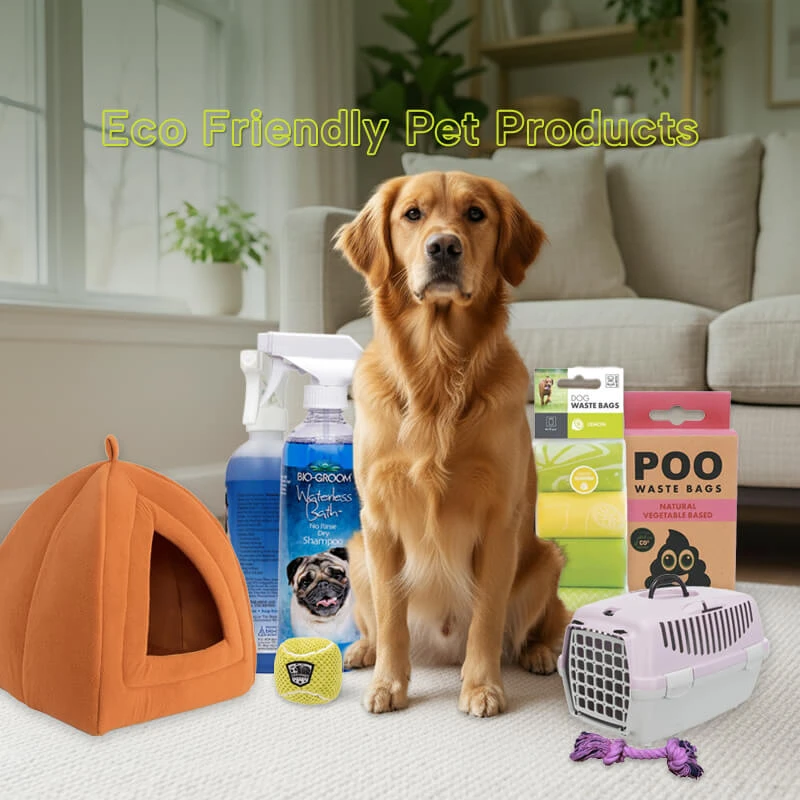
Complement sustainable toys with grooming items made from natural fibers and biodegradable ingredients.
Integrate a holistic eco-conscious pet care approach by selecting organic or sustainably sourced pet foods.
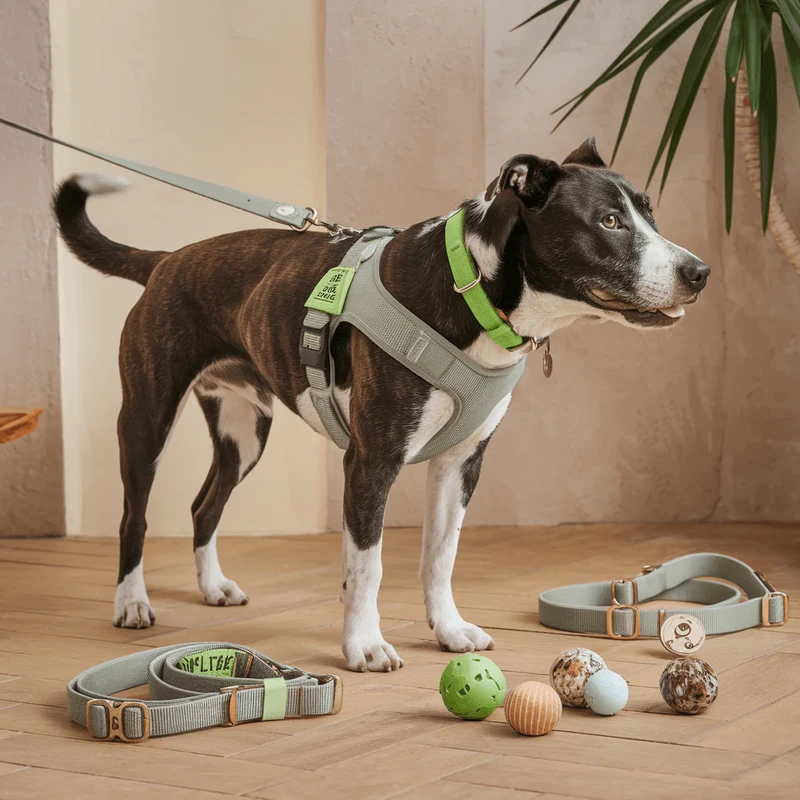
Some brands offer eco-friendly pet toy subscription boxes that rotate toys made from recycled or natural materials.
These alternatives enhance overall pet health and environmental responsibility.
FAQ
What materials should I avoid when buying pet toys?
Avoid PVC, BPA, phthalates, synthetic fibers, and toys with chemical coatings or toxic dyes, as these can harm your pet and the environment.
How do I verify if a pet toy is truly eco-friendly?
Look for certifications like USDA Organic, GOTS, FSC, and transparent brand information on sourcing and manufacturing. Minimal, recyclable packaging is also an indicator.
Can I safely make my own eco-friendly pet toys at home?
Yes, using clean, non-toxic materials such as old cotton fabrics, cardboard, and untreated wood. Always supervise your pet to avoid choking hazards.
How often should I clean and replace eco-friendly pet toys?
Clean toys regularly according to material guidelines, and replace them when signs of damage or wear appear to maintain safety.
Are bamboo and wood toys safe for aggressive chewers?
They can be suitable for moderate chewers, but very aggressive chewers may break pieces off, posing risks. Choose tougher materials like natural rubber for heavy chewers.
—
Adopting eco-friendly pet toys requires attention to materials, certifications, and brand ethics. By applying the steps and knowledge in this tutorial, pet owners can ensure safer playtime for their animals while actively contributing to environmental sustainability. Continuing to support circular economy initiatives and embracing DIY alternatives further enhance responsible pet care in 2026 and beyond.