
Key Differences Between Vegan and Vegetarian Pet Foods Explained
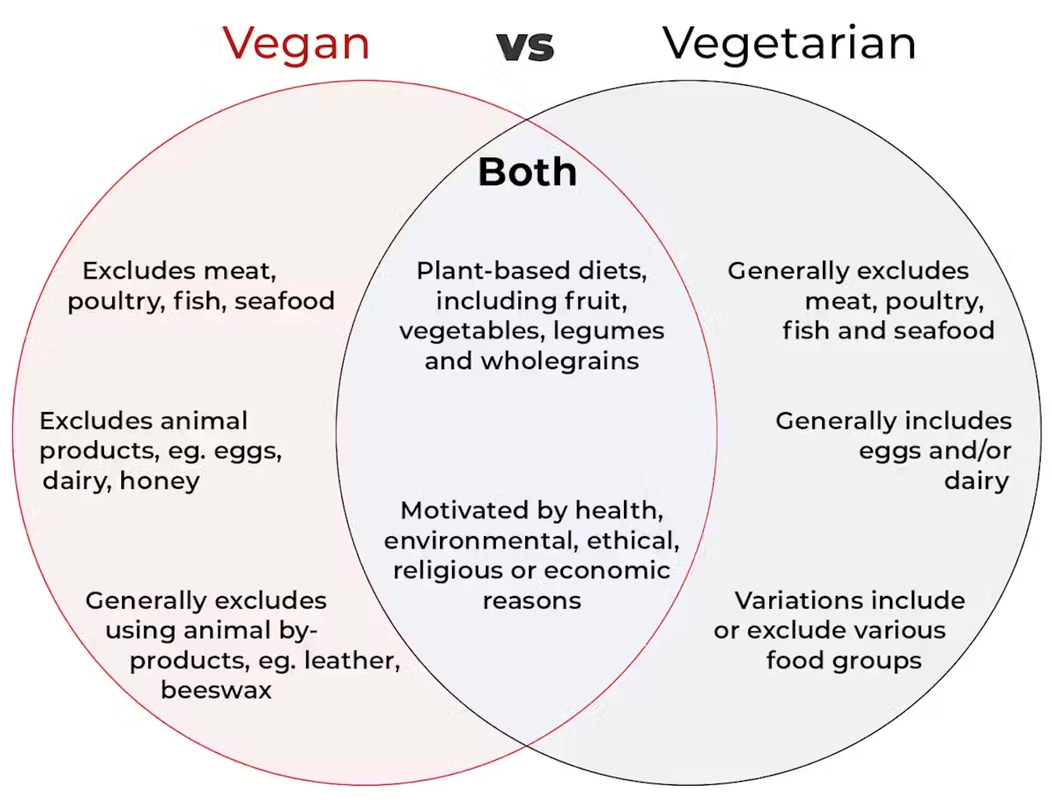
PawVerde.com – Vegan and vegetarian pet foods offer alternative dietary options for dogs and cats, distinguished primarily by their inclusion or exclusion of animal-derived ingredients. Vegan pet food eliminates all animal products, relying solely on plant-based components, whereas vegetarian pet food excludes meat but may incorporate eggs or dairy. This distinction is critical given the differing nutritional needs of dogs and cats, particularly concerning essential nutrients such as arachidonic acid, vitamin B12, taurine, and preformed vitamin A, which are naturally abundant in animal tissues. Understanding these differences is vital for pet owners seeking to adopt plant-based diets for their companions without compromising health.
Dogs, classified as facultative omnivores, possess metabolic pathways enabling them to digest and assimilate nutrients from both animal and plant sources. This adaptability allows dogs to survive and even thrive on carefully formulated vegan or vegetarian diets, provided these diets meet established nutritional standards such as those outlined by the Association of American Feed Control Officials (AAFCO). In contrast, cats are obligate carnivores with strict dietary requirements for nutrients typically absent or insufficient in plant-based foods. For example, cats require preformed vitamin A because they lack the enzymatic capacity to convert beta-carotene from plants into active vitamin A. Additionally, arachidonic acid, a polyunsaturated fatty acid critical for feline health, cannot be synthesized by cats and must be obtained from animal fats. Taurine, an amino sulfonic acid essential for cardiac and retinal function, is also predominantly found in animal tissues. Deficiencies in these nutrients can lead to severe health issues such as retinal degeneration, cardiomyopathy, and impaired immune function.
Recent veterinary research has illuminated the health outcomes associated with vegan and vegetarian diets in dogs, revealing nuanced effects on metabolism and disease risk. Studies conducted by Professor Andrew Knight and colleagues at Winchester University analyzed blood metabolites and clinical health markers in dogs maintained on vegan diets compared to those on conventional meat-based diets. Their findings indicated that dogs on vegan diets exhibited lower serum triglyceride and cholesterol levels, potentially reducing the risk of cardiovascular disease. Additionally, alterations in the gut microbiome were observed, with potential benefits for digestive health and immune modulation. Despite these findings, veterinary nutritionists emphasize the necessity of rigorous diet formulation and supplementation to ensure complete amino acid profiles and micronutrient adequacy. The AAFCO provides nutrient profiles that guide commercial pet food formulations, and brands such as Halo, V-dog, and Natural Balance have developed certified vegan and vegetarian products adhering to these standards. However, these products often require synthetic supplementation of vitamin B12 and taurine to prevent deficiencies.
Formulating nutritionally complete vegan or vegetarian pet foods presents significant challenges due to the limited bioavailability of certain nutrients in plant sources. For instance, vitamin B12 is naturally synthesized by microorganisms and is predominantly obtained from animal tissues in conventional diets. Synthetic supplementation is therefore necessary in plant-based formulations to meet minimum dietary requirements. Similarly, arachidonic acid is absent in plants and must be supplemented, often through algal or fungal sources, although the bioequivalence and long-term safety of these alternatives remain under investigation. The stability and bioavailability of synthetic taurine and vitamin A analogs also require careful consideration during manufacturing and storage. Veterinary consultation is crucial for pet owners who intend to transition their animals to vegan or vegetarian diets, as individualized assessment and monitoring can mitigate risks of nutrient deficiencies and related health disorders.
Safety considerations further differentiate plant-based and meat-based pet foods. Meat-based products have a documented history of contamination outbreaks involving pathogens such as Salmonella and Listeria monocytogenes, resulting in widespread recalls and posing zoonotic risks to both pets and owners. Recall data analyzed over the past decade indicate that meat-containing pet foods account for a disproportionately higher number of safety alerts compared to plant-based alternatives. Conversely, vegan formulations inherently eliminate risks associated with animal-borne pathogens, contributing to improved food safety profiles. Environmental and ethical concerns also motivate the growing demand for plant-based pet diets. The pet food industry significantly contributes to greenhouse gas emissions, land use, and water consumption, with animal agriculture representing a substantial proportion. Transitioning to plant-based ingredients can reduce environmental footprints, aligning pet ownership with broader sustainability goals.
Veterinary perspectives on vegan and vegetarian pet diets remain cautious yet open to evolving evidence. The American Veterinary Medical Association (AVMA) acknowledges the potential for nutritionally adequate vegetarian diets in dogs but advises against such diets for cats unless under strict veterinary supervision. Ongoing research efforts, including longitudinal clinical studies and nutrient bioavailability assessments, aim to clarify the long-term health impacts and optimal formulation strategies for plant-based pet foods. Veterinary nutritionists advocate for routine blood work and clinical evaluations to monitor pets on alternative diets, ensuring early detection of nutritional imbalances. Practical advice for pet owners includes gradual dietary transitions, adherence to commercially available nutritionally complete products, and avoidance of homemade recipes lacking professional formulation.
Market trends underscore the rapid expansion of plant-based pet food products worldwide. According to industry reports, the global plant-based pet food market has experienced double-digit growth rates annually, driven by increased consumer awareness of animal welfare and environmental sustainability. Brands such as Halo, V-dog, and Natural Balance have expanded their product lines to include vegan and vegetarian options certified by AAFCO nutrient profiles. However, challenges persist in terms of ingredient sourcing, palatability, and price competitiveness. Plant-based pet foods often command premium pricing due to the cost of specialized ingredients and synthetic supplements. Accessibility remains a concern in certain regions, highlighting the need for broader distribution networks and consumer education.
| Aspect | Vegan Pet Food | Vegetarian Pet Food | Meat-based Pet Food |
|---|---|---|---|
| Animal-derived ingredients | None | Eggs, dairy permitted; no meat | Includes meat, organs, animal fats |
| Essential nutrient sources | Fully synthetic supplements required for B12, taurine, ARA, vitamin A | Partial natural sources from eggs/dairy; supplementation still often necessary | Natural animal sources; less reliance on synthetic supplements |
| Suitability for dogs | Possible with balanced formulation and supplementation | Generally suitable with supplementation | Standard diet |
| Suitability for cats | Generally not recommended; high risk of deficiencies | Not recommended without veterinary oversight | Preferred diet; meets obligate carnivore needs |
| Recall/contamination risk | Lower risk; no animal pathogens | Lower risk; limited animal products | Higher risk; documented pathogen outbreaks |
| Environmental impact | Lowest footprint | Low footprint | Higher footprint |
| Market availability | Growing but limited | More options available | Widely available |
This table summarizes key distinctions among vegan, vegetarian, and meat-based pet foods, highlighting differences in ingredient composition, nutrient sourcing, suitability for different species, safety profiles, environmental impacts, and market presence.
Veterinary practitioners and researchers continue to call for rigorous, peer-reviewed clinical trials to better understand the long-term effects of plant-based diets on pet health, especially in cats. Until conclusive evidence emerges, professional guidelines recommend prioritizing nutritional completeness verified by AAFCO or equivalent standards and individualized veterinary monitoring. Pet owners considering transitions to vegan or vegetarian diets should seek expertise from board-certified veterinary nutritionists to tailor diets to their pets’ specific needs and health statuses.
The plant-based pet food sector’s trajectory suggests increasing innovation in ingredient technology and supplement bioavailability, potentially overcoming current formulation challenges. Emerging research into microbial synthesis of essential nutrients and algal sources of arachidonic acid may offer safer and more natural supplementation options in future products. Meanwhile, environmental imperatives and consumer demand continue to drive investment in this niche, with the potential to reshape conventional pet nutrition paradigms.
Frequently Asked Questions
What is the difference between vegan and vegetarian pet food?
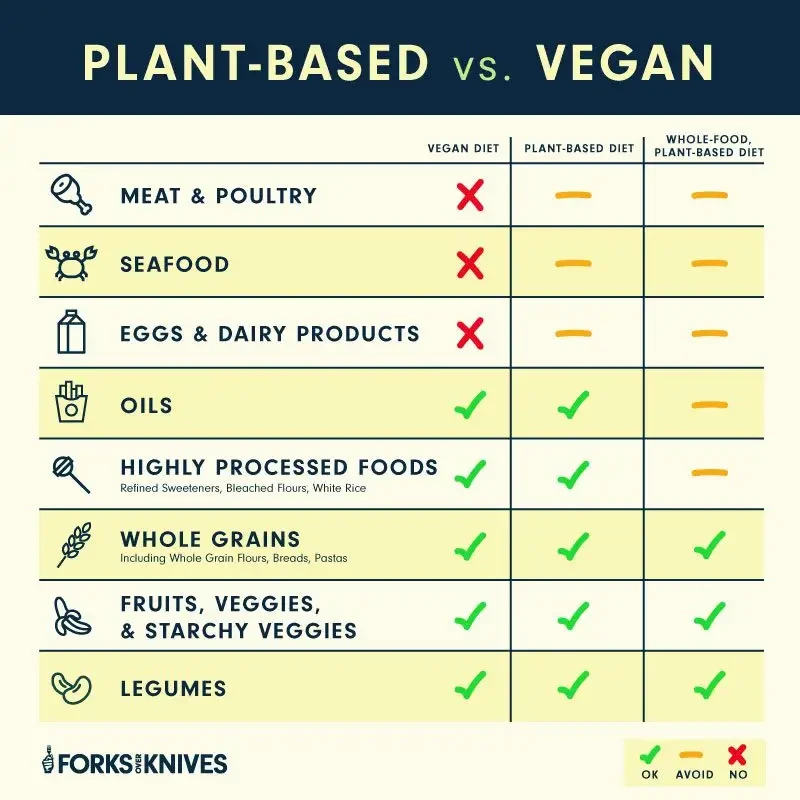
vegan pet food contains no animal-derived ingredients, relying entirely on plant-based components and synthetic supplements. vegetarian pet food excludes meat but may include animal byproducts such as eggs and dairy. This distinction impacts nutrient availability and diet formulation.
Can dogs thrive on a vegan or vegetarian diet?
Dogs, being omnivores, can adapt to well-balanced vegan or vegetarian diets if these meet all nutritional requirements, often through supplementation of essential nutrients like vitamin B12 and taurine. veterinary guidance is essential to ensure diet adequacy.
Why are vegan or vegetarian diets not recommended for cats?
Cats are obligate carnivores requiring nutrients such as arachidonic acid, preformed vitamin A, and taurine, which are naturally present only in animal tissues. Plant-based diets typically lack sufficient quantities of these nutrients, posing significant health risks.
Are plant-based pet foods safer than meat-based foods?
Plant-based pet foods generally have lower risks of contamination from pathogens like Salmonella, which are commonly associated with meat-based foods. This contributes to fewer recalls and enhanced food safety profiles for vegan and vegetarian products.
What are the environmental benefits of plant-based pet diets?
Plant-based pet foods typically have a smaller environmental footprint, requiring less land, water, and producing fewer greenhouse gas emissions compared to meat-based diets. This aligns with sustainability goals and ethical considerations in pet ownership.
The evolving landscape of vegan and vegetarian pet foods reflects a complex interplay of nutritional science, veterinary expertise, consumer values, and market dynamics. While dogs may benefit from carefully formulated plant-based diets, cats’ unique physiological needs currently limit such options. Continued research, veterinary oversight, and technological innovation will be pivotal in shaping the role of plant-based nutrition in companion animal health going forward.