
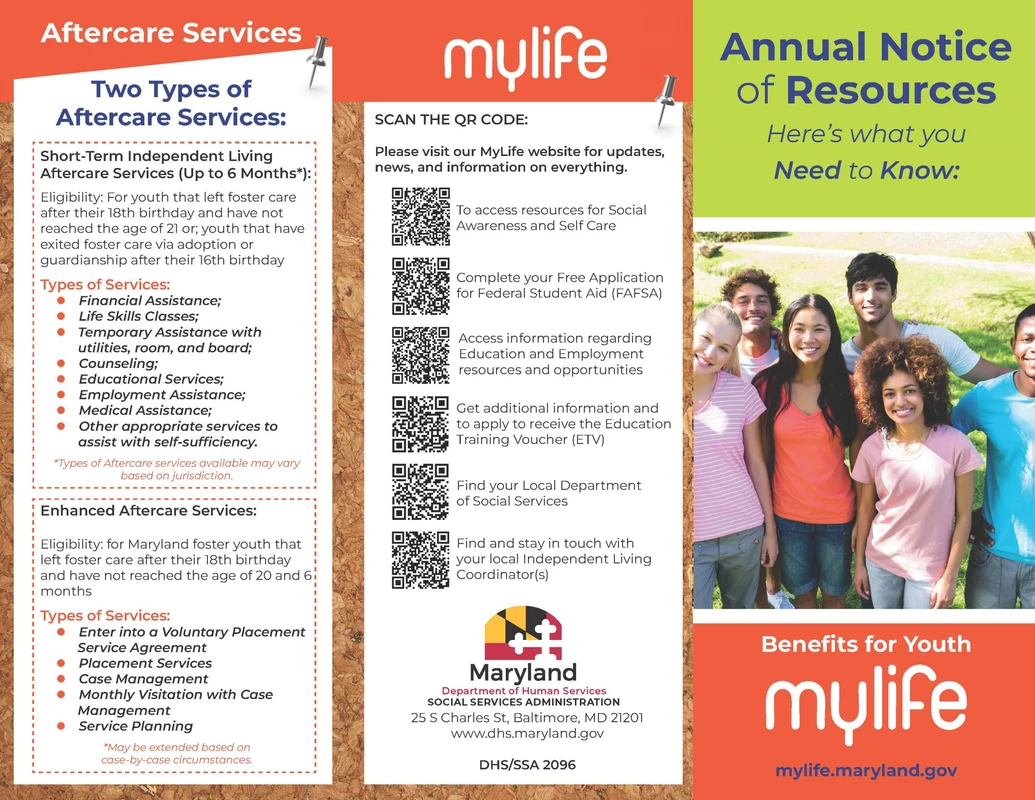
PawVerde.com – Foster care programs in the United States represent a significant component of child welfare services, involving complex financial structures that impact state budgets, nonprofit funding, and family support systems. Recent data from state agencies such as the Michigan Department of Health and Human Services (MDHHS) and nonprofit organizations like Bethany and Foster Adopt Minnesota reveal evolving financial trends in fostering, adoption, and post-adoption support. This analysis examines the economic footprint of foster care programs, the fiscal implications of licensing and training foster parents, and the allocation of resources toward volunteer and specialized foster care initiatives. It also evaluates financial assistance programs, advocacy-driven funding, and the operational costs borne by foster care agencies nationwide.
The latest data indicate that foster care expenditures are increasing steadily, driven by rising numbers of children entering the system and enhanced support services. According to MDHHS reports, Michigan’s foster care budget expanded by approximately 7.5% in the past fiscal year, reaching $400 million allocated for recruitment, licensing, and family support programs. Nationwide, state child placement agencies collectively spent over $10 billion in foster care maintenance and administrative costs in the most recent reporting period. These expenditures cover direct financial assistance to foster families, training costs, case management, and post-adoption services offered by organizations such as AdoptUSKids and the National Foster Parent Association.
State and local foster care agencies emphasize licensing and training as critical investment areas. Licensing costs typically range from $1,500 to $3,000 per prospective foster family, incorporating background checks, home studies, and initial training. Foster Adopt Minnesota reports that its licensing and training programs have facilitated over 1,200 new foster parent certifications this year, supported by grants and state funding totaling $4.2 million. Similarly, the Michigan Foster Care Navigator Program, funded through state and federal channels, has allocated $5 million toward streamlined licensing processes and ongoing caregiver education. These investments correlate with improved foster parent retention and child welfare outcomes, evidencing a direct financial return on investment.
Volunteer foster programs contribute both economic and social value, often operated by nonprofits such as the ASPCA in New York City and Safe Families for Children nationally. Volunteer fostering programs reduce state expenditures by providing short-term care solutions without long-term financial commitments. The ASPCA’s foster program reported placing over 3,000 animals in volunteer homes last year, translating to an estimated $2.1 million in savings on sheltering costs. In human foster care, volunteer roles typically involve respite care or emergency placements, supported by initiatives like Treehouse for Kids and CO4Kids, which utilize funding from community grants and private donations. These programs often operate with budgets under $1 million annually but significantly alleviate pressure on state systems.
Financial assistance and support services for foster families constitute a substantial portion of foster care budgets. Post Adoption Resource Centers (PARCs) and the HELP Program in Minnesota provide counseling, financial aid, and respite care to families, funded through a combination of state allocations and nonprofit partnerships. The National Foster Parent Association estimates that foster families receive an average monthly stipend of $800 to $1,200 depending on the child’s needs, with specialized care for children with disabilities or behavioral challenges costing upwards of $1,800 monthly. These figures underscore the fiscal complexities of foster care and the necessity for robust funding streams.
The financial landscape of foster care is further complicated by efforts to address inclusion and equity. Programs targeting BIPOC, LGBTQIA2S+, and immigrant children often require tailored funding models to ensure culturally sensitive care. Foster Adopt Minnesota and The Foster Alliance have reported increased funding requests specifically earmarked for training foster parents in cultural competence and supporting diverse family structures. According to recent budget data, approximately 12% of foster care funding in Minnesota is dedicated to equity-focused initiatives, a trend mirrored in other states with sizable minority populations. These targeted investments are critical for improving placement stability and long-term outcomes.
Operational costs for foster care agencies include administrative overhead, recruitment campaigns, and community engagement efforts. Bethany’s annual report details expenditures of $2.5 million on recruitment and outreach alone, involving digital campaigns, informational meetings, and community events designed to attract new foster parents and volunteers. Digital platforms have become integral, with online intake forms and virtual training modules reducing costs and expanding reach. The Michigan Department of Health and Human Services recently invested $750,000 in upgrading its digital foster care navigator tools, streamlining inquiries and improving applicant tracking.
The following table compares key financial metrics across select foster care organizations and government programs, highlighting budget allocations, licensing costs, and support service expenditures:
| Organization/Program | Annual Budget (Latest Data) | Licensing & Training Costs | Support Services Funding | Volunteer Program Budget |
|---|---|---|---|---|
| Michigan Department of Health and Human Services (MDHHS) | $400 million | $2,500 avg. per family | $120 million (incl. PARC & Navigator) | $3 million |
| Foster Adopt Minnesota | $15 million | $2,800 avg. per family | $5 million (post-adoption & training) | $1 million |
| Bethany | $30 million | $3,000 avg. per family | $8 million (counseling & financial aid) | $2.5 million (recruitment & volunteer) |
| ASPCA Foster Program (NYC) | $8 million | N/A (animal foster care) | $1 million (community support) | $2.1 million (sheltering cost savings) |
| National Foster Parent Association | $12 million | $1,500-$2,500 per family | $3 million (training & advocacy) | $800,000 |
Financial data also highlight the risk factors inherent in foster care funding. Fluctuations in state budgets driven by economic cycles, federal policy changes, and shifting demographics can jeopardize service continuity. For example, cuts in federal Title IV-E funding, which covers a significant share of foster care costs, would necessitate state budget reallocations or reduced service availability. Agencies mitigate these risks by diversifying funding sources, including grants, private donations, and partnerships with advocacy groups like The Foster Alliance and Child Welfare Information Gateway. Developing sustainable financial models remains a strategic priority.
In addition to cost management, foster care programs face financial challenges related to the recruitment and retention of foster parents. High turnover rates compel agencies to invest heavily in recruitment campaigns and ongoing training. Analysis of retention data from Foster Care Navigator Programs in Michigan shows that families who receive continuous financial support and access to respite care services remain active 35% longer than those without such support. This retention translates to reduced rehiring and training costs, saving agencies an estimated $1,000 to $2,000 per family annually.
Market implications extend to the adoption process from foster care, which involves additional financial considerations. Adoption finalization fees, legal costs, and post-adoption support services require budgetary planning. Foster Adopt Minnesota reports that adoption subsidies average $500 monthly per child, reflecting medical, educational, and therapeutic needs. These subsidies are critical to ensuring permanency and stability but increase fiscal responsibility for agencies and state programs. Nonprofits such as Treehouse for Kids facilitate fundraising and donor engagement to supplement governmental funding.
The integration of technology in foster care financial management streamlines processes and reduces administrative costs. Digital intake platforms, data analytics for placement optimization, and virtual training modules contribute to operational efficiencies. Michigan’s recent $750,000 investment in a Foster Care Navigator App has decreased application processing times by 40%, allowing quicker placements and reduced caseworker workload. Such innovations are increasingly vital as foster care agencies manage growing caseloads amid constrained budgets.
Looking ahead, financial strategies in foster care will focus on expanding support for special populations, enhancing volunteer foster programs, and improving data-driven decision making. The incorporation of equity-focused funding, increased volunteer engagement, and stronger post-adoption financial support will require coordinated budget planning. Agencies must balance immediate care costs with long-term investments in family stability and child well-being, ensuring fiscal sustainability and effective resource utilization.
The future of foster care financing depends on adaptive funding models that integrate government support, nonprofit contributions, and community involvement. Emphasizing transparency, accountability, and targeted investments will strengthen financial resilience. Prospective foster parents and volunteers benefit from clear information about licensing costs, support programs, and financial assistance, empowering informed participation in the foster care ecosystem.
In conclusion, foster care represents a complex financial system with multifaceted funding streams involving state budgets, nonprofit allocations, and volunteer contributions. The economic impact of licensing, training, support services, and adoption subsidies shapes service delivery and child welfare outcomes. Continuous financial analysis, innovative funding approaches, and inclusive program design are essential for sustaining foster care systems that meet the diverse needs of children and families across the United States.