

PawVerde.com – Choosing the right dietary supplements for dogs requires a nuanced understanding of pet-specific health needs, ingredient quality, and regulatory standards. Nearly half of dogs in the United States receive dietary supplements such as probiotics or fish oil to support joint health, cognitive function, or immune resilience. However, the unregulated nature of the pet supplement market poses risks including inaccurate labeling, harmful additives, and ineffective formulations. Ensuring supplement safety and efficacy involves verifying ingredient provenance, clinical testing for absorption, and selecting products certified by recognized bodies like the National Animal Supplement Council (NASC). Consulting veterinarians remains essential to tailor supplementation appropriately and avoid toxic ingredients such as xylitol.
Assessing Your Dog’s Specific Supplement Needs
Determining the appropriate dietary supplements begins with evaluating your dog’s unique health profile, including age, breed predispositions, lifestyle, and existing medical conditions. Senior dogs or breeds prone to joint disorders may benefit from glucosamine and chondroitin supplements to support cartilage health. Conversely, active working dogs might require omega-3 fatty acids and antioxidants to manage inflammation and cognitive demands. Veterinary consultation is critical in this assessment, as veterinary nutritionists can provide evidence-based recommendations aligned with your dog’s physiological and metabolic status.
Veterinarians utilize diagnostic tools and clinical history to identify nutritional gaps or chronic conditions that supplements can address effectively. For example, dogs with gastrointestinal issues may need probiotics and prebiotics to restore gut microbiota balance, while those with immune deficiencies could benefit from targeted vitamins and minerals. Without professional guidance, owners risk administering inappropriate supplements or dosages that may cause adverse effects or interact with medications.
Core Criteria for Selecting High-Quality Dog Supplements
Quality dog supplements share several identifiable characteristics that influence their safety and effectiveness. First, ingredient provenance must be transparent and rooted in natural, clinically studied substances. High-grade fish oil sourced from cold-water fatty fish like anchovies or sardines offers superior omega-3 fatty acid profiles compared to generic or synthetic alternatives. Similarly, probiotic supplements should specify the strains used and their colony-forming units (CFUs), ensuring sufficient viability to confer gut health benefits.
Clinical testing for absorption and purity is another essential benchmark. Studies verifying bioavailability demonstrate that the active compounds reach systemic circulation in effective concentrations. For example, glucosamine sulfate has documented improved absorption compared to glucosamine hydrochloride, which impacts therapeutic outcomes in arthritis management. Third-party laboratory analysis verifying absence of contaminants such as heavy metals, pesticides, or microbial pathogens further validates supplement safety.
Supplements must also be free from harmful additives. Artificial colors, flavors, and sweeteners like xylitol—a known canine toxin—are red flags indicating poor manufacturing standards. Accurate dosage information and clear administration guidelines are indispensable. Overdosing on fat-soluble vitamins or minerals can induce toxicity, while underdosing reduces efficacy. Products delivering consistent potency per serving, backed by batch testing, minimize such risks.
Recognized Certifications and Quality Seals in Pet Supplements
The NASC quality seal stands as the gold standard certification within the pet supplement industry. NASC-certified products comply with stringent quality control protocols encompassing ingredient sourcing, manufacturing practices, labeling accuracy, and adverse event reporting. This certification reassures consumers of the product’s integrity and manufacturer accountability.
Other reputable certification programs include those endorsed by the United States Pharmacopeia (USP) and ConsumerLab.com, which independently evaluate supplement purity and potency. These certifications differentiate premium pet supplements from unregulated or counterfeit products prevalent online. Research from Tufts University’s Petfoodology highlights that supplements bearing recognized seals consistently demonstrate higher compliance with ingredient claims and safety standards.
Common Dog Supplement Types and Their Health Benefits
dog dietary supplements target diverse physiological systems, with formulations tailored to specific health outcomes:
Evaluating Supplement Brands and Manufacturers
Reputable supplement manufacturers distinguish themselves through transparency, scientific backing, and rigorous quality assurance. Brands like Embark and Swedencare invest in research and development, publishing clinical data supporting their product claims. They disclose ingredient sourcing, provide Certificates of Analysis (CoAs), and actively engage veterinary professionals for product validation.
Conversely, many pet supplements on the market lack such transparency, relying on undisclosed proprietary blends that obscure ingredient quantities and quality. Consumer watchdogs and veterinary institutions like VCA Hospitals advise owners to scrutinize manufacturer credentials and seek products tested by third-party laboratories.
Safety Considerations and the Role of Veterinary Guidance
Safety risks associated with dog supplements include toxic ingredient exposure, adverse interactions with medications, and incorrect dosages. Xylitol, a sweetener common in human supplements and foods, is highly toxic to dogs, causing rapid hypoglycemia and liver failure. Avoiding human-grade supplements unless explicitly approved by veterinarians is essential.
Veterinary supervision ensures dosing aligns with your dog’s weight, age, and health status, minimizing overdose risks. Monitoring for adverse reactions—such as gastrointestinal upset, allergic responses, or behavioral changes—is vital when initiating new supplements. Ongoing veterinary evaluations can adjust supplementation regimens based on clinical response and emerging health needs.
Future Directions: Enhancing Supplement Safety and Efficacy
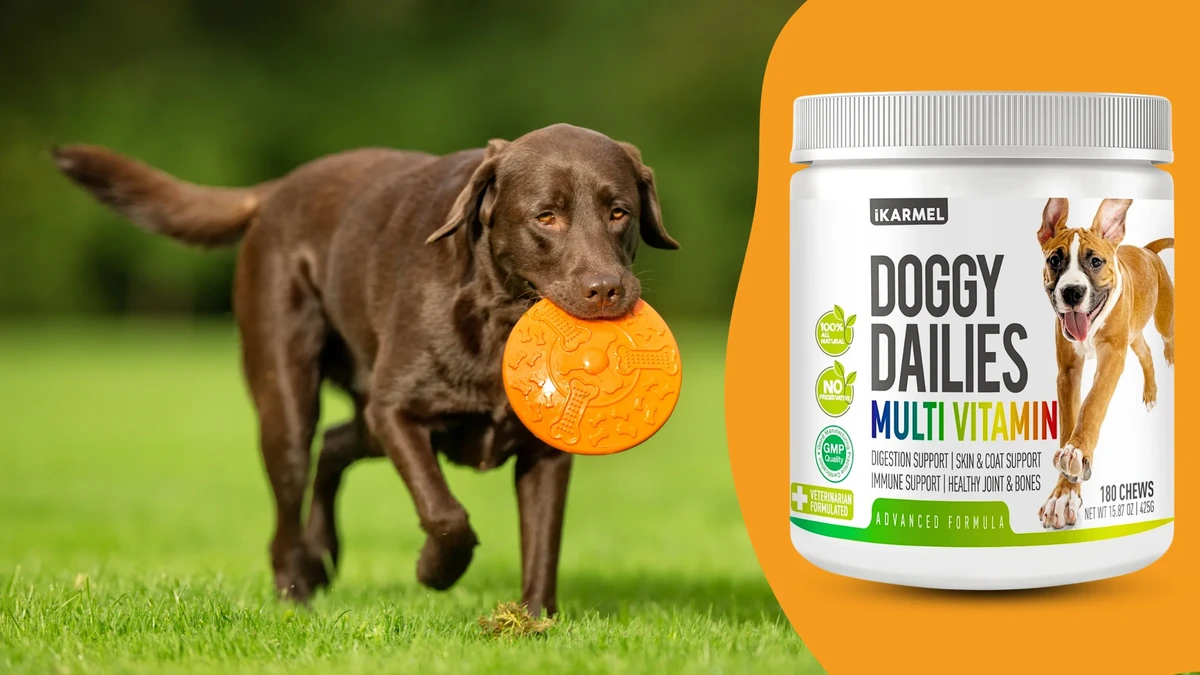
Industry trends point toward increasing regulatory oversight and scientific validation of pet dietary supplements. Collaborative efforts between pet nutritionists, veterinary researchers, and regulatory bodies aim to elevate product standards and consumer protection. Emerging technologies in ingredient traceability and biomarker-driven dosing personalization promise more targeted and effective supplementation strategies.
Pet owners are encouraged to maintain a proactive partnership with their veterinarians, leveraging advances in veterinary nutrition to optimize their dogs’ health across life stages.
| Supplement Type | Common Ingredients | Primary Benefits | Clinical Evidence |
|---|---|---|---|
| Joint Health | Glucosamine, Chondroitin | Cartilage repair, inflammation reduction, improved mobility | Multiple randomized controlled trials demonstrating symptom relief in canine arthritis |
| Cognitive Support | Omega-3 Fatty Acids (DHA), Antioxidants, B Vitamins | Enhanced memory, reduced oxidative stress, improved neuronal function | Clinical studies show improved cognitive scores in aging dogs |
| Immune Support | Vitamins A, C, E; Zinc; Selenium; Probiotics | Strengthened immune response, infection resistance | Research supports immune modulation via micronutrient supplementation |
| Gut Health | Probiotics, Prebiotics, Digestive Enzymes | Improved digestion, balanced microbiota, enhanced nutrient absorption | Studies confirm probiotic efficacy in managing gastrointestinal disorders |
FAQ
How can I verify if a dog supplement is safe and effective?
Look for NASC certification or third-party testing seals, check for transparent ingredient lists with clinically studied components, and consult your veterinarian to ensure the product suits your dog’s health needs.
Are fish oil supplements beneficial for all dogs?
Fish oil rich in omega-3 fatty acids supports joint, heart, and cognitive health but should be dosed carefully, especially in dogs with bleeding disorders. Veterinary guidance is recommended before starting supplementation.
Can probiotics help dogs with digestive issues?
Yes, probiotics can restore gut flora balance, improve digestion, and reduce symptoms of diarrhea or inflammatory bowel disease. The efficacy depends on strain specificity and probiotic viability.
What ingredients should I avoid in dog supplements?
Avoid supplements containing artificial colors, flavors, sweeteners like xylitol, and undisclosed proprietary blends. These can be harmful or decrease supplement reliability.
Is it safe to give human dietary supplements to dogs?
Human supplements often contain ingredients or dosages unsuitable or toxic for dogs. Always consult a veterinarian before administering human supplements to pets.
Selecting dietary supplements for dogs demands careful consideration of ingredient quality, clinical validation, and regulatory certification. By partnering with veterinary professionals and choosing products from reputable manufacturers, pet owners can enhance their dogs’ health while mitigating safety risks. Ongoing research and evolving industry standards will further improve the availability of effective, safe canine supplements in the future.