

Are Omega Fatty Acids Worth It for Pets? Key Health Benefits
PawVerde.com – omega fatty acids, primarily omega-3s like EPA (eicosapentaenoic acid) and DHA (docosahexaenoic acid), are indispensable nutrients that pets such as dogs and cats cannot synthesize endogenously. These essential fatty acids play critical roles in maintaining skin and coat health, supporting brain function, modulating inflammation, and promoting cardiovascular wellness. Veterinary research, including studies supported by institutions and pet food manufacturers like Merrick Pet Care and QRILL Pet, has demonstrated the tangible benefits of omega fatty acid supplementation and enriched diets. While marine-based sources such as fish and krill oils provide highly bioavailable forms of omega-3, plant-based options like flaxseed oil offer alpha-linolenic acid (ALA), a precursor fatty acid requiring conversion that is often inefficient in pets. Understanding the complex interplay between omega-3, omega-6, and omega-9 fatty acids, alongside appropriate dosage and formulation, remains pivotal for optimizing pet health.
Biological Role of Omega Fatty Acids in Pets
Omega fatty acids contribute fundamentally to cellular membrane integrity and energy metabolism in pets. EPA and DHA, two long-chain omega-3 polyunsaturated fatty acids (PUFAs), are integral to neural tissue composition, influencing cognitive development, memory retention, and behavior in both dogs and cats. Clinical studies have linked higher dietary levels of EPA and DHA with improvements in canine cognitive dysfunction syndrome, a dementia-like condition affecting aging dogs. These fatty acids also exhibit potent anti-inflammatory properties by modulating eicosanoid pathways, thereby reducing chronic inflammation associated with arthritis, autoimmune diseases, and cardiovascular disorders.
omega-6 fatty acids, including linoleic acid, are essential for maintaining skin barrier function and coat condition. Deficiencies can result in seborrhea and other dermatological disorders. However, an optimal balance between omega-6 and omega-3 fatty acids is critical, as excessive omega-6 relative to omega-3 can exacerbate inflammatory responses. Omega-9 fatty acids, while not essential, function as monounsaturated fats that can provide supplemental energy and influence lipid profiles.
Sources of Omega Fatty Acids for Pets
Pet dietary omega fatty acids derive from a spectrum of natural sources. Marine oils, such as fish oil and krill oil, are rich in bioavailable EPA and DHA, making them preferred for supplementation. Krill oil, in particular, contains omega-3s bound to phospholipids, enhancing absorption and efficacy in reducing inflammation. Plant-based sources like flaxseed oil supply ALA, which pets convert inefficiently to EPA and DHA, limiting their standalone effectiveness in addressing neurological or cardiovascular needs.
Pet food manufacturers increasingly incorporate omega fatty acids into formulations. For instance, Merrick Pet Care offers products enriched with fish oil and flaxseed, aiming to replicate ancestral dietary fatty acid profiles. QRILL Pet provides specialized krill oil supplements targeting inflammation and coat health. Comparative studies emphasize that marine-based omega-3 supplementation results in more pronounced clinical benefits than plant-based sources, though plant oils remain valuable for their omega-6 and omega-9 content.
Supplementation: Benefits and Challenges
Clinical research underscores multiple health benefits associated with omega fatty acid supplementation in pets. Controlled trials have demonstrated reductions in joint pain and stiffness in dogs with osteoarthritis following EPA and DHA supplementation. Similarly, improvements in skin conditions such as atopic dermatitis and seborrhea have been documented, correlating with enhanced epidermal barrier function. Cognitive function studies reveal that enriched omega-3 intake supports neural plasticity and delays progression of age-related cognitive decline.
Despite these benefits, supplementation presents challenges. The ideal omega-6 to omega-3 ratio for pets remains under investigation, with many experts recommending a range between 5:1 and 10:1 to balance pro- and anti-inflammatory effects. Dosage complexities arise due to variations in individual pet metabolism, size, and health status. Over-supplementation risks include gastrointestinal upset and potential blood thinning, necessitating veterinary oversight. Safety profiles of fish and krill oil supplements are generally favorable, but quality control and purity are paramount to avoid contaminants such as heavy metals.
Veterinarians advocate for personalized supplementation plans based on clinical assessment and existing diet. Integration of omega fatty acids through commercial pet foods enriched with these fats offers a practical approach, especially for pets with chronic health issues that may benefit from ongoing support.
Current Research and Emerging Trends
Ongoing veterinary research continues to elucidate the role of omega fatty acids in managing specific diseases. Studies at veterinary research institutions have linked omega-3 supplementation with improved outcomes in autoimmune disorders, renal diseases, and certain cardiovascular conditions in pets. Quantitative research aims to establish precise daily requirements for EPA and DHA tailored to species, age, and health condition.
Emerging trends point toward personalized pet nutrition, leveraging genetic and metabolic profiling to optimize fatty acid intake. Novel delivery systems, including microencapsulation and phospholipid-bound omega-3s, are under evaluation to enhance bioavailability and reduce dosing frequency. The pet nutrition industry is also exploring sustainable marine sources to balance efficacy with environmental considerations.
Practical Guidance for Pet Owners
Selecting appropriate omega fatty acid supplements or enriched pet foods requires informed decision-making. Pet owners should prioritize products with verified EPA and DHA concentrations and transparent sourcing credentials. Marine-based oils, particularly high-quality fish oil or krill oil, are generally more effective than plant-based alternatives for cognitive and cardiovascular benefits.
Administering omega fatty acids can be achieved through daily oil supplements or integration into regular meals via fortified kibble or wet food. Consistency and adherence to recommended dosages are essential for observing health improvements. Consulting a veterinarian ensures supplementation aligns with the pet’s overall health status and dietary needs, particularly when managing chronic conditions requiring tailored nutrient profiles.
FAQ
Are omega fatty acids essential for all pets?
Yes, omega fatty acids, especially omega-3s EPA and DHA, are essential nutrients that dogs and cats cannot synthesize and must obtain through diet or supplementation to support vital physiological functions.
What are the health benefits of omega-3 supplementation in pets?
Omega-3 fatty acids contribute to improved skin and coat health, reduced inflammation, enhanced cognitive function, and support heart health. Clinical studies have demonstrated benefits in managing arthritis, seborrhea, and age-related cognitive decline.
Is fish oil better than flaxseed oil for pet supplementation?
Fish oil provides direct sources of EPA and DHA, which are more bioavailable and effective for pets than the ALA found in flaxseed oil, which requires conversion that is often inefficient in dogs and cats.
How should omega fatty acids be dosed for pets?
Dosage depends on the pet’s size, health status, and dietary intake. Veterinary guidelines typically recommend maintaining an omega-6 to omega-3 ratio between 5:1 and 10:1, with specific EPA and DHA amounts adjusted accordingly. Professional consultation is advised for precise dosing.
Can omega fatty acid supplementation cause side effects in pets?
When administered properly, omega fatty acid supplements are generally safe. Over-supplementation may cause gastrointestinal upset or interfere with blood clotting. Selecting high-quality products and veterinary guidance mitigates these risks.
Omega fatty acids remain a cornerstone of optimal pet nutrition, with ongoing research poised to refine supplementation strategies further. Pet owners and veterinarians must collaborate to ensure balanced fatty acid intake tailored to individual health requirements, leveraging advances in veterinary science and nutrition technology.

How Air Quality Impacts Pet Health and Home Safety
PawVerde.com – Maintaining optimal indoor air quality is critical for safeguarding the respiratory and immune health of pets, including dogs, cats, and birds. Scientific data links poor air quality in homes to a range of health issues in pets, from chronic respiratory diseases to immune system impairment and even cancer. Airborne pollutants such as particulate matter (PM2.5), volatile organic compounds (VOCs), and pet dander create a hazardous environment in enclosed spaces where pets spend most of their time. Veterinary professionals and environmental health experts emphasize the importance of active air quality management—including the use of HEPA-filter air purifiers, regular HVAC system maintenance, and vigilant monitoring of air pollution levels—to minimize pets’ exposure to harmful contaminants and allergens.
Pets are particularly vulnerable to indoor pollution due to their breathing zones being closer to the floor, where particulate matter and pet dander accumulate. Research from veterinary clinics such as Everhart Veterinary Medicine reveals that pets exposed to elevated levels of PM2.5 and VOCs exhibit higher incidences of respiratory issues like asthma, bronchitis, and chronic obstructive pulmonary disease. Young animals, seniors, and pets with pre-existing conditions such as heart disease or allergies are at heightened risk. The environmental protection Agency (EPA) Air Quality Index (AQI) serves as a valuable reference for pet owners to gauge outdoor air safety and take preventive measures when pollution levels reach hazardous thresholds.
Health Risks of Poor Air Quality for Pets
Scientific studies demonstrate that exposure to indoor pollutants exacerbates respiratory and immune system disorders in pets. Dogs and cats inhaling particulate matter and airborne allergens face increased risks of chronic bronchitis, allergic rhinitis, and even lung cancer. Birds, with their highly sensitive respiratory systems, are susceptible to toxin-induced respiratory distress and immune suppression. Veterinary research highlights that persistent inhalation of VOCs—common in household cleaners, paints, and scented products—can lead to systemic toxicity and chronic inflammation in pets.
Certain populations are especially vulnerable. Puppies and kittens, whose developing immune and respiratory systems cannot efficiently filter pollutants, suffer from increased susceptibility to infections and asthma-like symptoms. Senior pets experience diminished respiratory capacity and weakened immune defenses, compounding the effects of poor air quality. Additionally, pets with pre-existing conditions such as asthma, heart disease, or chronic allergies require heightened vigilance, as air pollutants can trigger severe exacerbations.
Signs indicating poor indoor air quality affecting pets include persistent coughing, sneezing, nasal discharge, lethargy, wheezing, and difficulty breathing. Behavioral changes such as reduced activity or decreased appetite may also signal respiratory distress related to environmental factors. Veterinary professionals recommend prompt evaluation when these symptoms arise, especially in homes with known air quality challenges.
Sources of Indoor Air Pollution in Pet Homes
Indoor air quality degradation in pet homes results from a complex interplay of natural and anthropogenic sources. Pet dander and hair are primary contributors to airborne allergens, often exacerbated by tracked-in dirt, pollen, and dust. These particulate allergens accumulate in carpets, upholstery, and HVAC ducts, circulating continuously in the breathing zones of pets.
Household chemicals including cleaning agents, air fresheners, and paints release VOCs that contribute to indoor pollution. Combustion byproducts from smoking, cooking, and heating appliances add particulate matter and toxic gases to the indoor environment. Wildfire smoke, increasingly frequent in many regions, introduces high concentrations of PM2.5 that infiltrate homes, posing acute risks to pet respiratory health.
HVAC systems, while essential in climate control, can inadvertently circulate pollutants if filters are not properly maintained. Dirty or low-quality HVAC filters fail to capture pet dander, dust mites, and particulate matter, allowing contaminants to recirculate. Furthermore, poorly maintained ductwork harbors allergens and microbial growth, further degrading air quality.
Monitoring and Assessing Air Quality in Homes with Pets
Accurate monitoring of indoor air quality is crucial for timely identification and mitigation of pollution sources affecting pet health. Modern air quality monitoring devices capable of detecting PM2.5 and VOC concentrations provide valuable data within the specific breathing zones of pets. These portable or fixed sensors enable pet owners to assess pollutant levels in real-time and correlate symptoms with environmental factors.
The EPA’s Air Quality Index (AQI) offers standardized metrics to understand outdoor air pollution severity. AQI values above 100 indicate unhealthy air conditions, triggering recommendations to limit outdoor activity for pets. During wildfire events or pollution spikes, adhering to AQI advisories is essential to reduce pets’ exposure to hazardous particulates.
Combining indoor sensors with AQI data empowers pet owners to create safer environments by adjusting ventilation, limiting outdoor exposure, and deploying air purification technologies proactively.
Effective Strategies to Improve Air Quality for Pets
Utilizing air purifiers equipped with High-Efficiency Particulate Air (HEPA) filters is among the most effective interventions to reduce airborne pet allergens and harmful particulates. HEPA filters capture at least 99.97% of particles as small as 0.3 microns, including PM2.5, pet dander, and dust mites. Placement of air purifiers in common pet areas—living rooms, bedrooms, and near sleeping quarters—maximizes pollutant removal within pets’ breathing zones.
Complementing air purifiers, HVAC systems fitted with Minimum Efficiency Reporting Value (MERV) rated filters—preferably MERV 11 or higher—significantly reduce circulating allergens and particulate matter. Veterinary and environmental health guidelines recommend replacing HVAC filters every one to three months in homes with pets to maintain filtration efficacy. Neglecting timely filter changes leads to filter clogging and decreased air circulation, compounding indoor pollution problems.
Regular professional duct cleaning every 12 to 18 months further diminishes allergen buildup within HVAC systems, preventing redistribution of dust, pet hair, and microbial contaminants. Combining these measures creates a layered defense against airborne pollutants in pet environments.
Managing Outdoor Air Quality Risks
During periods of elevated outdoor pollution—such as wildfire smoke events or urban smog episodes—protective measures for pets are imperative. Keeping pets indoors with windows and doors securely closed limits infiltration of hazardous particulates. Using air conditioning in recirculation mode and deploying portable air cleaners indoors further improves air safety.
Limiting outdoor exercise and avoiding high-traffic or industrial areas during high AQI days reduces pets’ exposure to toxic particulates and gases. Veterinary experts advise monitoring AQI reports daily and adjusting pet activity accordingly to prevent respiratory distress and exacerbation of chronic conditions.
In regions prone to wildfire smoke, installing air purification systems capable of filtering ultrafine particles and VOCs becomes a vital component of pet health management.
Veterinary Perspectives and Recommendations
Veterinary professionals increasingly recognize indoor air quality as a critical factor in pet health. Insights from veterinary clinics, including Everhart Veterinary Medicine, highlight that environmental management—alongside nutrition and preventive care—is essential in mitigating respiratory and allergic diseases in pets. Veterinarians recommend routine screening for respiratory symptoms during wellness visits, especially in pets living in high-pollution areas or exposed to smoke events.
Prompt veterinary consultation is advised when pets exhibit persistent coughing, wheezing, nasal discharge, or lethargy that may relate to air pollution exposure. Diagnostic tools such as chest radiographs, bronchial cytology, and allergy testing assist in identifying pollutant-induced conditions. Treatment plans frequently incorporate environmental modifications alongside pharmacological interventions.
Veterinarians also emphasize the importance of educating pet owners on pollutant sources and mitigation strategies to foster healthier indoor environments.
Forward-Looking Analysis: Enhancing Pet Health Through Air Quality Innovation
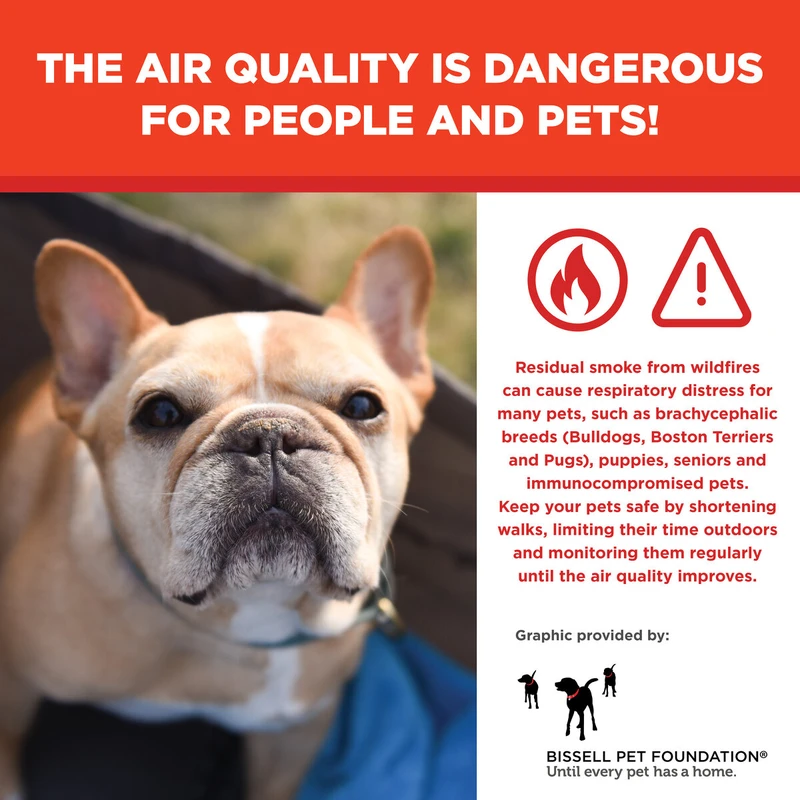
Emerging technologies in air quality monitoring and purification promise to revolutionize pet health management. Integration of smart sensors with HVAC and air purifier systems enables automated pollutant detection and responsive filtration adjustments tailored to pet activity and environmental conditions. Advances in filter media targeting VOCs and ultrafine particles offer enhanced protection against chemical pollutants.
Environmental health research continues to refine AQI guidelines specific to vulnerable populations, including pets, facilitating more precise risk communication. Collaborative efforts across veterinary medicine, environmental science, and technology sectors will drive development of comprehensive air quality solutions for pet owners.
Proactive adoption of these innovations, combined with established best practices, will be instrumental in reducing the burden of air pollution-related diseases in pets, ultimately improving their quality of life and longevity.
| Air Quality Measure | Recommended Action | Relevance to Pets |
|---|---|---|
| HEPA Air Purifiers | Use in main living areas and pet sleeping zones | Removes 99.97% of PM2.5, pet dander, and allergens |
| MERV 11+ HVAC Filters | Replace every 1-3 months in pet homes | Reduces circulating pet hair, dust, and allergens |
| Air Quality Index (AQI) | Monitor daily; restrict outdoor activity when AQI > 100 | Prevents exposure to hazardous outdoor pollutants |
| Air Quality Monitors | Use indoor sensors to track PM2.5 and VOC levels | Enables early detection of poor indoor air quality |
| Ventilation & Duct Cleaning | Professional duct cleaning every 12-18 months | Reduces allergen buildup and microbial contaminants |
FAQ

Why is indoor air quality particularly important for pets?
Indoor air quality directly affects pets’ respiratory and immune health because pets inhale pollutants concentrated near the floor, including pet dander, dust, and particulate matter. Poor air quality increases risks of asthma, allergies, and chronic respiratory diseases in pets.
How often should HVAC filters be replaced in homes with pets?
HVAC filters in pet homes should be replaced every one to three months to ensure effective removal of pet hair, dander, dust, and other airborne allergens, maintaining optimal air circulation and filtration.
What types of air purifiers are most effective for pet homes?
Air purifiers equipped with HEPA filters are the most effective, capturing 99.97% of particles as small as 0.3 microns, including PM2.5, pet dander, and allergens. Selecting units sized appropriately for room dimensions and placing them near pet areas enhances effectiveness.
How can pet owners protect their animals during wildfire smoke events?
Pet owners should keep pets indoors with windows and doors closed, use air conditioning in recirculation mode, deploy portable air purifiers indoors, and limit outdoor exercise during periods of poor outdoor air quality indicated by high AQI values.
When should I consult a veterinarian regarding air quality-related symptoms in my pet?
Consult a veterinarian if your pet exhibits persistent coughing, wheezing, nasal discharge, lethargy, or breathing difficulties, especially if symptoms correlate with exposure to smoke, dust, or household pollutants.
—
Addressing the multifaceted challenge of indoor air pollution in pet environments requires informed, proactive strategies combining technology, veterinary insight, and environmental awareness. As air quality monitoring and filtration technologies evolve, pet owners are better equipped to create safe, healthy living spaces that support the long-term respiratory and immune health of their companion animals.

How to Choose Quality Dietary Supplements for Dogs Safely
PawVerde.com – Choosing the right dietary supplements for dogs requires a nuanced understanding of pet-specific health needs, ingredient quality, and regulatory standards. Nearly half of dogs in the United States receive dietary supplements such as probiotics or fish oil to support joint health, cognitive function, or immune resilience. However, the unregulated nature of the pet supplement market poses risks including inaccurate labeling, harmful additives, and ineffective formulations. Ensuring supplement safety and efficacy involves verifying ingredient provenance, clinical testing for absorption, and selecting products certified by recognized bodies like the National Animal Supplement Council (NASC). Consulting veterinarians remains essential to tailor supplementation appropriately and avoid toxic ingredients such as xylitol.
Assessing Your Dog’s Specific Supplement Needs
Determining the appropriate dietary supplements begins with evaluating your dog’s unique health profile, including age, breed predispositions, lifestyle, and existing medical conditions. Senior dogs or breeds prone to joint disorders may benefit from glucosamine and chondroitin supplements to support cartilage health. Conversely, active working dogs might require omega-3 fatty acids and antioxidants to manage inflammation and cognitive demands. Veterinary consultation is critical in this assessment, as veterinary nutritionists can provide evidence-based recommendations aligned with your dog’s physiological and metabolic status.
Veterinarians utilize diagnostic tools and clinical history to identify nutritional gaps or chronic conditions that supplements can address effectively. For example, dogs with gastrointestinal issues may need probiotics and prebiotics to restore gut microbiota balance, while those with immune deficiencies could benefit from targeted vitamins and minerals. Without professional guidance, owners risk administering inappropriate supplements or dosages that may cause adverse effects or interact with medications.
Core Criteria for Selecting High-Quality Dog Supplements
Quality dog supplements share several identifiable characteristics that influence their safety and effectiveness. First, ingredient provenance must be transparent and rooted in natural, clinically studied substances. High-grade fish oil sourced from cold-water fatty fish like anchovies or sardines offers superior omega-3 fatty acid profiles compared to generic or synthetic alternatives. Similarly, probiotic supplements should specify the strains used and their colony-forming units (CFUs), ensuring sufficient viability to confer gut health benefits.
Clinical testing for absorption and purity is another essential benchmark. Studies verifying bioavailability demonstrate that the active compounds reach systemic circulation in effective concentrations. For example, glucosamine sulfate has documented improved absorption compared to glucosamine hydrochloride, which impacts therapeutic outcomes in arthritis management. Third-party laboratory analysis verifying absence of contaminants such as heavy metals, pesticides, or microbial pathogens further validates supplement safety.
Supplements must also be free from harmful additives. Artificial colors, flavors, and sweeteners like xylitol—a known canine toxin—are red flags indicating poor manufacturing standards. Accurate dosage information and clear administration guidelines are indispensable. Overdosing on fat-soluble vitamins or minerals can induce toxicity, while underdosing reduces efficacy. Products delivering consistent potency per serving, backed by batch testing, minimize such risks.
Recognized Certifications and Quality Seals in Pet Supplements
The NASC quality seal stands as the gold standard certification within the pet supplement industry. NASC-certified products comply with stringent quality control protocols encompassing ingredient sourcing, manufacturing practices, labeling accuracy, and adverse event reporting. This certification reassures consumers of the product’s integrity and manufacturer accountability.
Other reputable certification programs include those endorsed by the United States Pharmacopeia (USP) and ConsumerLab.com, which independently evaluate supplement purity and potency. These certifications differentiate premium pet supplements from unregulated or counterfeit products prevalent online. Research from Tufts University’s Petfoodology highlights that supplements bearing recognized seals consistently demonstrate higher compliance with ingredient claims and safety standards.
Common Dog Supplement Types and Their Health Benefits
dog dietary supplements target diverse physiological systems, with formulations tailored to specific health outcomes:
Evaluating Supplement Brands and Manufacturers
Reputable supplement manufacturers distinguish themselves through transparency, scientific backing, and rigorous quality assurance. Brands like Embark and Swedencare invest in research and development, publishing clinical data supporting their product claims. They disclose ingredient sourcing, provide Certificates of Analysis (CoAs), and actively engage veterinary professionals for product validation.
Conversely, many pet supplements on the market lack such transparency, relying on undisclosed proprietary blends that obscure ingredient quantities and quality. Consumer watchdogs and veterinary institutions like VCA Hospitals advise owners to scrutinize manufacturer credentials and seek products tested by third-party laboratories.
Safety Considerations and the Role of Veterinary Guidance
Safety risks associated with dog supplements include toxic ingredient exposure, adverse interactions with medications, and incorrect dosages. Xylitol, a sweetener common in human supplements and foods, is highly toxic to dogs, causing rapid hypoglycemia and liver failure. Avoiding human-grade supplements unless explicitly approved by veterinarians is essential.
Veterinary supervision ensures dosing aligns with your dog’s weight, age, and health status, minimizing overdose risks. Monitoring for adverse reactions—such as gastrointestinal upset, allergic responses, or behavioral changes—is vital when initiating new supplements. Ongoing veterinary evaluations can adjust supplementation regimens based on clinical response and emerging health needs.
Future Directions: Enhancing Supplement Safety and Efficacy
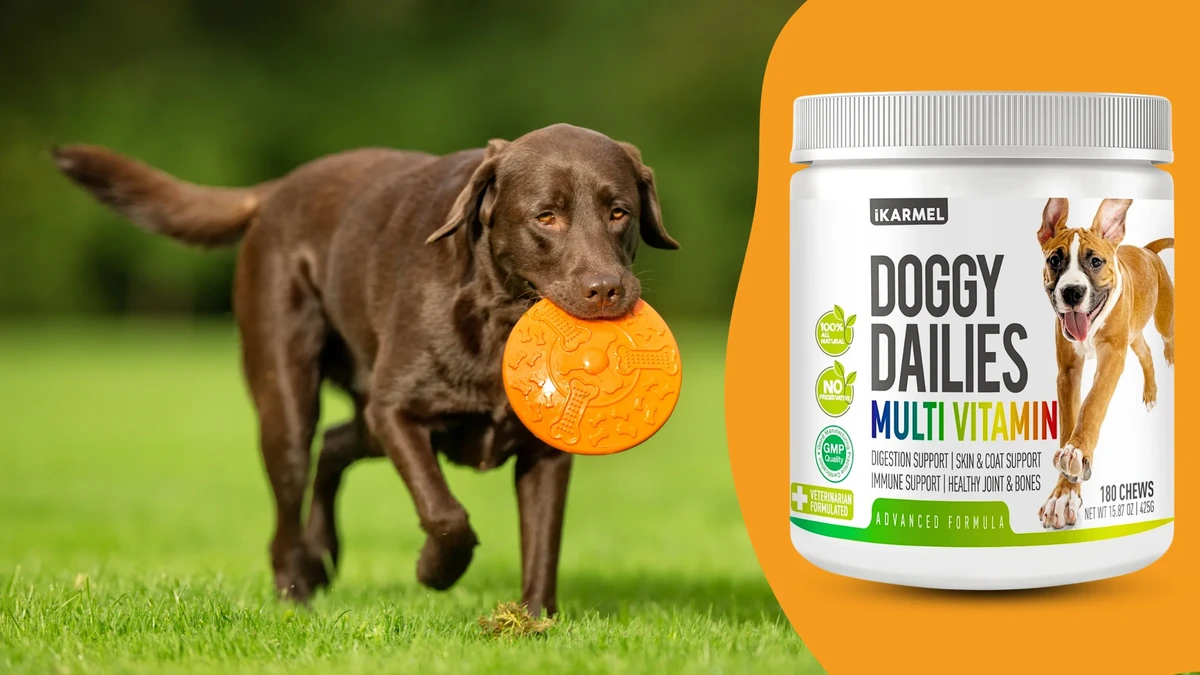
Industry trends point toward increasing regulatory oversight and scientific validation of pet dietary supplements. Collaborative efforts between pet nutritionists, veterinary researchers, and regulatory bodies aim to elevate product standards and consumer protection. Emerging technologies in ingredient traceability and biomarker-driven dosing personalization promise more targeted and effective supplementation strategies.
Pet owners are encouraged to maintain a proactive partnership with their veterinarians, leveraging advances in veterinary nutrition to optimize their dogs’ health across life stages.
| Supplement Type | Common Ingredients | Primary Benefits | Clinical Evidence |
|---|---|---|---|
| Joint Health | Glucosamine, Chondroitin | Cartilage repair, inflammation reduction, improved mobility | Multiple randomized controlled trials demonstrating symptom relief in canine arthritis |
| Cognitive Support | Omega-3 Fatty Acids (DHA), Antioxidants, B Vitamins | Enhanced memory, reduced oxidative stress, improved neuronal function | Clinical studies show improved cognitive scores in aging dogs |
| Immune Support | Vitamins A, C, E; Zinc; Selenium; Probiotics | Strengthened immune response, infection resistance | Research supports immune modulation via micronutrient supplementation |
| Gut Health | Probiotics, Prebiotics, Digestive Enzymes | Improved digestion, balanced microbiota, enhanced nutrient absorption | Studies confirm probiotic efficacy in managing gastrointestinal disorders |
FAQ
How can I verify if a dog supplement is safe and effective?
Look for NASC certification or third-party testing seals, check for transparent ingredient lists with clinically studied components, and consult your veterinarian to ensure the product suits your dog’s health needs.
Are fish oil supplements beneficial for all dogs?
Fish oil rich in omega-3 fatty acids supports joint, heart, and cognitive health but should be dosed carefully, especially in dogs with bleeding disorders. Veterinary guidance is recommended before starting supplementation.
Can probiotics help dogs with digestive issues?
Yes, probiotics can restore gut flora balance, improve digestion, and reduce symptoms of diarrhea or inflammatory bowel disease. The efficacy depends on strain specificity and probiotic viability.
What ingredients should I avoid in dog supplements?
Avoid supplements containing artificial colors, flavors, sweeteners like xylitol, and undisclosed proprietary blends. These can be harmful or decrease supplement reliability.
Is it safe to give human dietary supplements to dogs?
Human supplements often contain ingredients or dosages unsuitable or toxic for dogs. Always consult a veterinarian before administering human supplements to pets.
Selecting dietary supplements for dogs demands careful consideration of ingredient quality, clinical validation, and regulatory certification. By partnering with veterinary professionals and choosing products from reputable manufacturers, pet owners can enhance their dogs’ health while mitigating safety risks. Ongoing research and evolving industry standards will further improve the availability of effective, safe canine supplements in the future.