
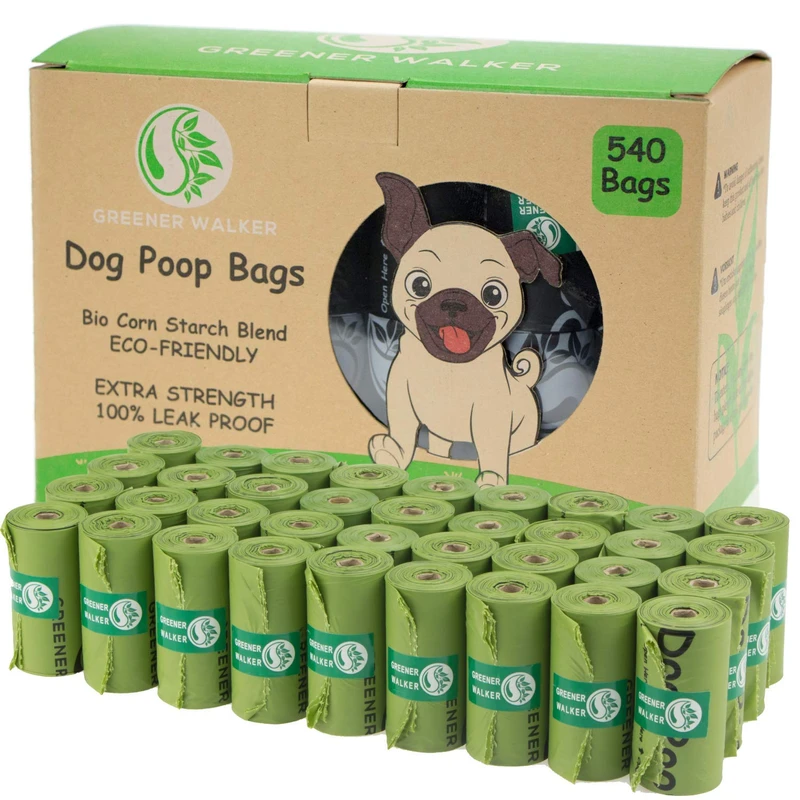
PawVerde.com – Eco-friendly dog waste bags are sustainable alternatives to traditional plastic, primarily made from plant-based materials like cornstarch, PLA, and PBAT. They are designed to decompose into non-toxic compounds, significantly reducing the 415 billion bags used annually that would otherwise take up to 500 years to break down in landfills.
According to the Poop Bags Guide, a single-use plastic poop bag can outlive you, your dog, and many generations to come.
The Disposal Decision Tree: Choosing the Right Bag for Your Infrastructure
To choose the right bag, match the product to your local waste system: use ‘Home Compostable’ certified bags for backyard bins, ‘Industrial Compostable’ (EN13432) for municipal green bins, and ‘Landfill-friendly’ bags (using additives like Plasgreen) if you only have access to standard trash disposal.
Effective disposal requires matching the material to the environment. Most compostable bags require specific conditions to break down efficiently: high temperatures, plenty of oxygen, and microbial activity. Without these specific environmental triggers, a bag intended for the earth may simply sit unchanged for years.
Backyard Composting: The Home Setup
Only a small fraction of users actually compost at home. Data indicates that only 5% of owners use compostable poo bags in a backyard setting, while only 10% of people can effectively manage home composting. If you do manage a backyard pile, you must ensure it reaches the necessary thermal levels to process plant-based polymers.
Municipal Green Bins: Industrial Standards
Most “compostable” labels refer to industrial-grade processing. These facilities utilize controlled heat and aeration to ensure bags turn into humus. If your city provides a green bin service, look for bags specifically designed for these high-heat environments.
The Trash Reality: Landfill-Friendly Alternatives
A common misconception is that all eco-friendly bags are suitable for the trash. In reality, if you throw a compostable bag into regular trash, it will end up trapped in a landfill where those ideal conditions are absent. For those without access to composting, specialized options like those from Doggy Do Good® use organic additives like Plasgreen to attract microbes, allowing the plastic to be consumed much faster than conventional bags—potentially decomposing in 5 years rather than 500 years.
- Backyard Bin: Requires “Home Compostable” certification.
- Municipal Green Bin: Requires “Industrial Compostable” certification.
- Standard Trash: Requires “Landfill-friendly” technology.
The Certification Decoder: What EN13432 and Other Labels Actually Mean
Certification is the only way to verify that a product will not leave behind microplastics or toxic chemical residues. The EN13432 standard is a critical benchmark in the industry. According to Torise Biomaterials, this certification helps ensure the product will break down safely without leaving harmful residues in the soil.
The “biodegradable” label often lacks the strict requirements of the EN13432 standard. While EN13432 mandates the production of non-toxic humus, generic biodegradable claims may result in the material fragmenting into smaller particles. Without these specific standards, a bag might technically “disappear” from sight while actually polluting the ecosystem with microplastics.
Material Integrity: PBAT, Cornstarch, and PLA Breakdown
Most eco-friendly bags rely on a blend of materials: typically 60-80% PBAT for flexibility, 15-30% cornstarch for structure, and 5-10% PLA. This specific ratio ensures the bag is strong enough for use while remaining capable of decomposing into non-toxic humus.
The bag’s performance relies on its 60-80% PBAT content for elasticity and 15-30% cornstarch for rigidity. If the cornstarch content is too high, the bag becomes brittle and prone to tearing. Conversely, insufficient PBAT makes the bag lose the stretch required to hold waste securely.
| Material Component | Typical Percentage | Primary Function |
|---|---|---|
| PBAT | 60-80% | Flexibility and strength |
| Cornstarch | 15-30% | Structural rigidity |
| PLA | 5-10% | Shape retention and barrier |
This material blend allows the bag to function like a traditional plastic bag during use but behave like organic matter during disposal. The breakdown process is a chemical transition where the plant-based polymers are metabolized by microorganisms.
The Role of PBAT in Bag Strength
Polybutylene Adipate Terephthalate (PBAT) provides the “stretch” that prevents a bag from snapping under the weight of pet waste. It acts as the primary carrier for the other organic materials, ensuring the bag remains intact even in varying weather conditions.
Cornstarch and PLA: The Plant-Based Foundation
As Pet Impact notes, “The plants have been polymerised (i.e. chemically changed) to become plastic, and in many cases the final product is functionally and chemically the same as plastic.” Cornstarch provides the bulk, while polylactic acid (PLA) helps the bag maintain its form, preventing it from becoming a shapeless mass before it is even used.
The Buyer’s Troubleshooting Guide: Avoiding Premature Degradation
Plant-based polymers are more sensitive to environmental factors than petroleum-based plastics. Improper storage can trigger the decomposition process before the bag is even used.
High-heat or high-moisture environments are primary causes of failure. For example, leaving a roll of bags in a hot car trunk during summer months can trigger the breakdown of the polymers, leading to bags that are thin or sticky. Similarly, storing bags in a damp garage can introduce enough moisture to initiate degradation prematurely.
Warning: To maintain integrity, store bags in a cool, dry place. Avoid direct sunlight or containers that trap moisture, as these conditions can compromise the bag’s structure before use.
Contamination Alert: The High Cost of ‘Wish-Cycling’
A critical error made by many environmentally conscious pet owners is “wish-cycling”—the act of placing compostable bags into standard plastic recycling bins in the hope that they will be recycled. This is a mistake that can compromise entire recycling streams. Because compostable bags are designed to break down, they act as contaminants in a plastic recycling facility, potentially ruining batches of high-quality recycled polyethylene.
Furthermore, while many consumers believe compostable bags prevent plastic from ending up in landfills, Pet Impact points out that this depends entirely on the end-user’s behavior and available disposal routes. If a bag is labeled compostable but the user lacks access to an industrial composting facility, the bag ends up in a landfill where it may not decompose as intended. The environmental benefit is only realized when the disposal route matches the material’s certification.
Market Leaders and Product Profiles
The global market for compostable and biodegradable dog poop bags is expanding rapidly. Valued at $1.8 billion in 2025, the market is projected to reach $3.9 billion by 2034, growing at a compound annual growth rate (CAGR) of 8.9% between 2026 and 2034. This growth is driven by a global dog population that surpassed 470 million in 2025.
| Brand | Primary Focus | Notable Feature |
|---|---|---|
| Doggy Do Good® | Landfill-friendly | Uses Plasgreen technology |
| Earth Rated | Compostable | Widely available consumer brand |
| OrangeBio | Compostable | Specialized pet waste solutions |
| Unni Pet Waste Bags | Compostable | Plant-based material focus |
The market is divided between brands focusing on high-performance composting and those addressing the reality of landfill disposal.
Specialized Compostable Brands
Companies like Greener Walker, Unni pet waste bags, Zola Zola, and Moonygreen focus heavily on the compostable segment. These products are ideal for owners who have access to municipal green bins or managed home compost systems. Brands like OrangeBio also provide specialized solutions for those seeking strict adherence to plant-based material standards.
The Landfill-Friendly Niche
Recognizing that many owners only have access to standard trash disposal, brands like Doggy Do Good® have carved out a niche. Their products are designed to decompose much faster in a landfill environment than traditional plastic, offering a middle ground for those who cannot access specialized composting infrastructure.
FAQ
Can I put compostable poop bags in my regular recycling bin?
No. Compostable bags act as contaminants in plastic recycling streams. To prevent ruining the recycling process for other plastics, send them to organic waste/green bins or trash, depending on their specific certification.
Why won’t my compostable bag break down in my backyard bin?
Backyard piles often lack the necessary industrial conditions: high temperatures, high oxygen, and specific microbial activity. Without these environmental triggers, the decomposition process will be significantly delayed or may not happen at all.
Are scented eco-friendly bags safe for soil?
While many are plant-based, users should check for EN13432 certification to ensure chemical additives or scents do not leave harmful residues in the resulting humus. This certification guarantees that the final decomposed material is safe for use in gardens.