
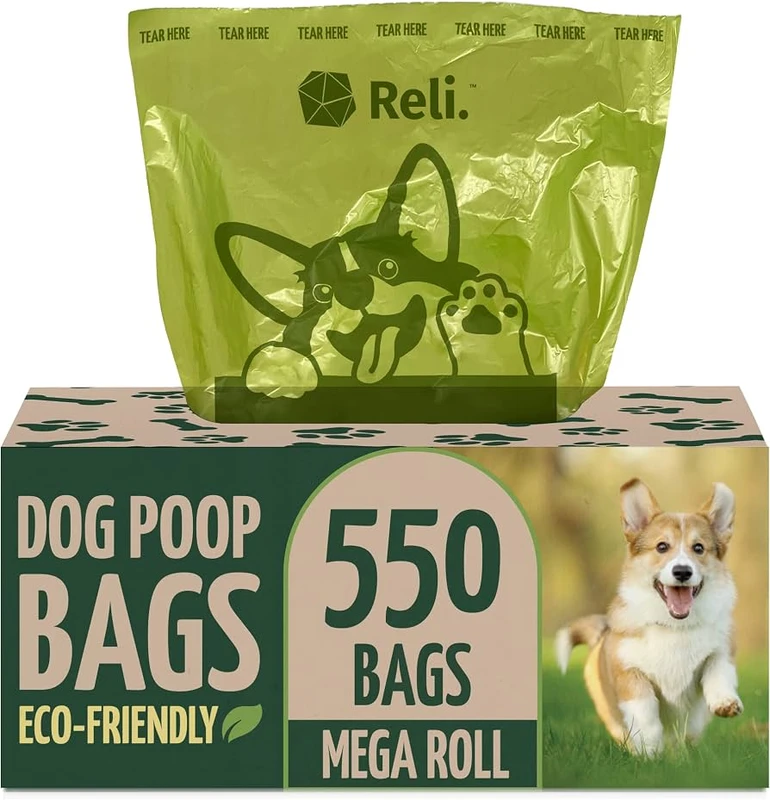
PawVerde.com – Eco-friendly pet waste bags come in three primary forms: compostable bags (which break down in specialized facilities or home bins), landfill-friendly bags (engineered to decompose faster in trash environments), and recycled plastic bags (which reduce petroleum use). Choosing the right one depends on your local disposal infrastructure and living situation.
Dog owners worldwide use over 415 billion poop bags annually, contributing nearly a million tons of single-use plastic to the environment. This massive volume of waste necessitates a shift toward materials that do not persist in ecosystems for centuries.
The Disposal Decision Matrix: Choosing a Bag for Your Living Situation
Select your bag based on your disposal access: If you have a backyard and a dedicated pet waste digester, choose ‘Home Compostable’ bags. If you live in an apartment with only trash access, ‘Landfill-Friendly’ or ‘Recycled Plastic’ bags are better. If you have access to municipal green bins, use ‘Certified Compostable’ bags.
A common failure mode in eco-conscious pet ownership occurs when users purchase certified compostable bags but dispose of them in standard trash bins. Because compostable polymers do not break down as effectively without the commercial composting processes, these bags often end up sitting in landfills for years, negating their environmental purpose.
The Apartment Dweller’s Strategy
For those in high-rise buildings or urban centers, access to specialized composting is rare. In these environments, recycled plastic bags or “Landfill-Friendly” options are the most pragmatic choice. Using a bag with 50% post-consumer recycled plastic content reduces the demand for new petroleum-based plastics without requiring a specialized disposal infrastructure that likely does not exist in your building’s waste management system.
The Suburban Homeowner’s Strategy
Suburban living often provides the luxury of a backyard. If you manage a private compost pile, you must ensure your bags are specifically rated for home use. However, many homeowners mistakenly assume any “green” bag works in a backyard bin. Without specific certifications, these bags may fail to break down in the lower-heat environment of a standard garden pile.
The Rural/Composter’s Strategy
Rural residents with access to municipal green bins or large-scale composting facilities can utilize “Certified Compostable” bags. These are designed to thrive in high-heat, high-moisture industrial environments. This strategy maximizes the reduction of microplastic pollution by ensuring the material enters a closed-loop biological cycle.
| Bag Type | Best Disposal Method | Decomposition Speed | Ideal User |
|---|---|---|---|
| Compostable | Municipal Green Bin / Home Bin | Rapid (90 days in industrial) | Suburban/Rural with compost access |
| Landfill-Friendly | Standard Trash Bin | Accelerated (approx. 5 years) | Apartment dwellers |
| Recycled Plastic | Standard Trash Bin | Slow (decades) | Users with no composting options |
Effective waste management requires matching the bag to your local infrastructure. For example, using a compostable bag in a standard landfill prevents it from completing its 90-day industrial decomposition cycle.
Certification Decoder: BPI, OK Compost, and ASTM Standards
Look for BPI certification for commercial composting and TÜV Austria’s ‘OK Compost Home’ for backyard use. ASTM D6400 is the standard for industrial compostability, while ASTM 5511 relates to anaerobic digestion. Avoid vague ‘biodegradable’ labels that lack these specific third-party verifications.
To identify genuine environmental benefits, consumers must look beyond marketing. The term “biodegradable” is a broad term not tightly regulated, which can lead to confusion. Instead, prioritize verified identifiers like BPI or TÜV Austria.
- BPI (Biodegradable Products Institute): This certification ensures a product is suitable for industrial composting facilities.
- TÜV Austria ‘OK Compost Home’: This is the gold standard for bags that can safely break down in a backyard compost pile.
- ASTM 5511 Standards: These relate to how materials behave during anaerobic digestion, often verified by organizations like Intertek.
Even highly-rated products may lack certain formal stamps. For instance, JOLLYCHEF notes that “even though they don’t have ASTM D6400 certification, user reviews highlight their practicality and quality.” However, for those strictly adhering to zero-waste principles, the absence of BPI or TÜV Austria verification means the bag’s end-of-life behavior remains unproven.
How Different Eco-Friendly Materials Actually Break Down
Decomposition timelines vary wildly between materials. While traditional plastic bags can take up to 500 years to vanish, engineered alternatives aim to significantly shorten this window.
Commercial Composting: The 90-Day Cycle
In industrial composting facilities, heat and microbial activity are tightly controlled to accelerate breakdown. Under these optimized conditions, certified compostable bags can complete their decomposition cycle in approximately 90 days. This rapid turnaround is essential for managing the high volume of waste generated by pet owners.
Landfill-Friendly Tech: The 5-Year vs. 500-Year Difference
Landfill-friendly bags represent a middle ground. While they are still destined for a landfill, they utilize technologies like Plasgreen, which helps plastic decompose in landfills 300X faster than standard polyethylene. Instead of lingering for 500 years, these bags are engineered to break down in roughly 5 years. This significantly reduces the long-term accumulation of plastic in waste sites.
The Recycled Plastic Alternative
Recycled plastic bags do not focus on rapid decomposition. Instead, their value lies in the reduction of virgin petroleum use. By utilizing post-consumer waste, these bags lower the overall carbon footprint and energy usage compared to producing new plastic from scratch. They remain in the environment for a long duration, but they prevent the extraction of new fossil fuels.
The Storage & Durability Guide: Preventing Premature Breakdown
Improper storage can compromise the integrity of eco-friendly supplies. Compostable bags may decompose prematurely when exposed to heat or moisture during storage.
Warning: Compostable bags may decompose prematurely in storage. When exposed to heat or moisture during storage, the structural integrity of the polymer can fail, leading to leaks or tears during use.
To prevent this, avoid storing rolls in damp leash dispensers or in hot vehicles during summer months. If you live in a humid climate, keep your supply in a cool, dry indoor location. A bag that fails mid-walk is not only a nuisance but also a failure of the product’s primary function.
Top Eco-Friendly Bag Brands for 2025
Match your disposal method to specific brand strengths. Leading options for 2025 include Unni Pet Waste Bags, Earth Rated, Greener Walker, Zola Zola, and Moonygreen.
| Brand | Primary Type | Key Feature |
|---|---|---|
| Unni Pet Waste Bags | Compostable | High-quality compostable material |
| Earth Rated | Compostable | Widely available eco-options |
| Greener Walker | Eco-friendly | Sustainable design focus |
| Zola Zola | Compostable | Specialized compostable polymers |
| Moonygreen | Compostable | 9″ x 13″ large size options |
Premium Compostable Options
For owners with access to composting, brands like Unni pet waste bags and Zola Zola offer specialized polymers designed for breakdown. Moonygreen provides a specific advantage for larger dogs, offering bags in a 9″ x 13″ dimension to ensure full coverage and prevent leaks.
Specialized Landfill-Friendly Brands
If your only option is the trash, Doggy Do Good provides a specialized solution. Their Landfill-Friendly bags contain 15% bio-based starches and 50% post-consumer recycled plastic, specifically engineered to handle the anaerobic environment of a landfill more effectively than standard bags.
Safety First: The Truth About Composting Dog Waste
Managing the contents of the bag is as important as the bag itself. While the materials are eco-friendly, the biological nature of dog waste requires specific handling protocols.
Warning: Dog waste is NOT safe for compost used for consumable vegetation. The potential presence of E. coli and salmonella makes it hazardous to use in gardens where food is grown.
The short answer is yes, dog waste is compostable, but there are necessary precautions you must take first to make sure you’re composting the waste properly. According to the EPA, dog waste is a safe soil additive for revegetation and landscaping when it is composted properly. This means you can use the resulting compost for flower beds, lawns, or non-food ornamental plants, but you must avoid using it on vegetables or fruits.
FAQ
Can I put dog poop bags in my home compost bin?
Only if they are specifically certified ‘Home Compostable’ by bodies like TÜV Austria. Standard commercial compostable bags require high-heat industrial facilities to break down effectively and will not disappear in a backyard bin.
Is ‘biodegradable’ the same as ‘compostable’?
No. ‘Biodegradable’ is a broad, unregulated term that can apply to many products. ‘Compostable’ is a much stricter standard, meaning the bag will break down into non-toxic components within a specific timeframe under certain conditions.
Why shouldn’t I use dog waste compost in my vegetable garden?
Dog waste can contain pathogens like E. coli and salmonella, making it unsafe for consumable vegetation. It is better suited for landscaping or non-food plants to avoid the risk of contaminating your food supply.