
Sustainable Pet Travel: How to Reduce Your Carbon Pawprint
PawVerde.com – Sustainable pet travel is evolving as owners face new 2024 US importation rules and rising awareness of pet-related emissions. From choosing long-haul flights over short hops to swapping plastic waste bags for compostable alternatives, travelers can significantly reduce their ‘carbon pawprint’ while maintaining pet safety and regulatory compliance.
An average-sized dog generates approximately 770 kilogrammes of carbon dioxide annually, according to the Natural History Museum.
Material Science: Why Silicone and Hemp Win
To reduce environmental impact, owners can select products made from natural or renewable materials. Effective alternatives include:
- Toys manufactured from hemp or organic cotton.
- Durable leads and collars designed for longevity.
- Collapsible silicone bowls for Sustainable Travel Packing.
Environmental impact can be minimized by choosing specific materials. For example, switching to lower-carbon protein sources like chicken or fish can significantly cut emissions compared to beef or lamb, as noted by scientist Natalie Cooper.
The Dangers of Disposable Hygiene Products
Disposable hygiene products contribute to non-biodegradable waste during transit. Travelers can mitigate this by replacing single-use items with durable versions, such as using cloth wipes instead of disposable ones.
New 2024 Regulations and Compliance for US Travel
New importation rules for dogs entering or returning to the U.S. became effective in August 2024. These regulations require strict adherence to the standards set by the USDA Animal and Plant Health Inspection Service.
One critical requirement is the minimum age for dogs; animals must be at least 6 months old to enter or return to the United States. Failure to meet these age requirements or documentation standards can result in significant delays or denied entry at the border. Travelers should verify all health certifications through official USDA channels to ensure seamless compliance with these updated mandates.
Comparing Carbon Intensity: Flight vs. Rail vs. Road
For the lowest carbon footprint, international rail (Eurostar) emits only 6g of CO2 per passenger km, far outperforming driving alone or short hops. While long flights (150g CO2/km) are more efficient than short flights (255g CO2/km) due to take-off energy, carpooling remains a vital way to halve driving emissions.
Take-off uses much more energy than the ‘cruise’ phase of a flight. This makes short-range flights more carbon-intensive than long-haul options.
| Transport Mode | CO2e per Passenger km | Sustainability Winner |
|---|---|---|
| Eurostar (International Rail) | 6g | Primary Winner |
| Long Flight | 150g | Secondary Option |
| Medium Gasoline Car | 192g | Requires Carpooling |
| Short Flight | 255g | Least Efficient |
The data shows that choosing rail at 6g of CO2e per passenger km over a short flight at 255g provides a substantial reduction in emissions.
The Sustainability vs. Convenience Decision Matrix
Driving alone is one of the most carbon-intensive travel methods. However, adding just one passenger to a vehicle can cut the per-person emissions in half through carpooling.
While rail offers the lowest emissions, pet owners may need to consider travel needs such as the recommendation for car rides to include breaks every 2 to 3 hours. In these instances, a medium gasoline car with carpooling provides a different balance of utility and emissions.
Avoiding Common Travel Pitfalls for Pet Wellbeing
Travelers must account for biological needs to prevent physical distress. Mismanaging energy or nutrition can lead to stress during the journey.
Dr. Shecter notes that “one common misconception is that the best way to prepare a dog for travel is to completely exhaust them beforehand.” Furthermore, full days of sightseeing, including crowded restaurants and hot pavement, can be physically and mentally exhausting for pets. To ensure comfort, practitioners recommend Strategic Meal Timing: feed pets once they arrive at their destination rather than right before travel to prevent nausea and motion sickness.
FAQ
As of August 1, 2024, new importation rules are in effect. Ensure dogs are at least 6 months old and comply with USDA Animal and Plant Health Inspection Service requirements.
How to Build a DIY Cardboard Cat Castle: Step-by-Step Guide
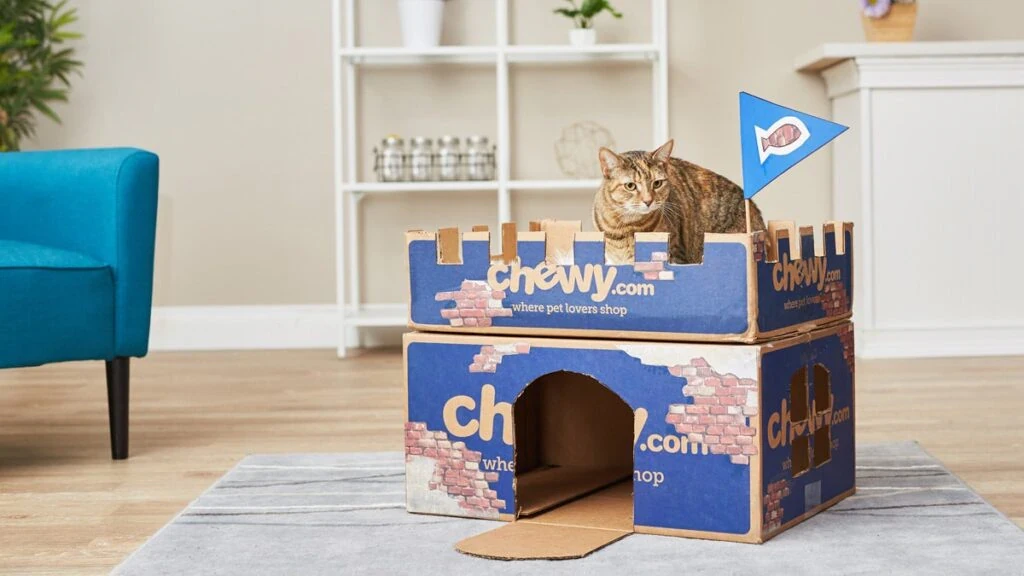
PawVerde.com – Building a DIY cardboard cat castle involves reinforcing a cardboard base, cutting symmetrical windows and doors, and constructing a peaked roof with internal braces to ensure structural integrity. By using non-toxic adhesives and scoring techniques, you can create a multi-level sanctuary that is both safe and aesthetically pleasing for your pet.
“Cats love lounging around in boxes, especially cute house-shaped ones!” notes Happiness is Homemade.
The Architectural Blueprint: Designing a Multi-Level Castle
For an advanced build, move beyond a single box by using a modular design. Create a central multi-room tower using progressively smaller boxes, connect rooms with cardboard bridges, and use crenellated edges for a true castle aesthetic. Ensure all attachment points are reinforced with double-walled cardboard for stability.
Modular Expansion vs. Single Box
While a single box provides immediate shelter, a modular approach allows for verticality. Instructables practitioners suggest that building a tower of interconnected rooms offers more engagement for active cats. A common failure mode in modular builds is the “wobble effect,” where the center of gravity shifts too high, causing the structure to tip. To prevent this, ensure the largest, heaviest box serves as the base. A single box might take only 5 minutes to assemble, but a multi-level fortress requires careful planning of weight distribution.
Designing for Catification
True catification requires thinking like a feline. Instead of just one large room, aim for 2 or 3 distinct zones. The Green Mad House emphasizes that cats value both high vantage points and enclosed hiding spots. When planning your blueprint, consider these structural elements:
- Vertical towers for climbing.
- Horizontal bridges to connect separate modules.
- Small “lookout” windows for surveillance.
- Enclosed sleeping chambers at the base level.
Essential Tools and Cat-Safe Materials
Selecting the correct materials is vital for pet safety. Using the wrong adhesive or paint can turn a fun project into a health hazard. The following table compares common bonding agents to help you decide which to use for your specific castle build.
| Adhesive/Tape Type | Hold Duration | Painting Impact | Best Use Case |
|---|---|---|---|
| Hot glue | Instant hold | Minimal | Quick structural joins |
| Gorilla glue | Long lasting | Moderate | Heavy-duty load points |
| Packing tape | Temporary | High damage | Internal box sealing only |
| Painter’s tape | Temporary | Low impact | Marking cut lines |
The choice of tape is critical for the final aesthetic. The Green Mad House notes that using packing tape can damage the cardboard surface during removal, making it much harder to achieve a smooth paint finish later on. Practitioners recommend using painter’s tape for temporary holds to preserve the integrity of the cardboard fibers.
The Non-Toxic Adhesive Audit
Safety is the priority. PDSA advises that it is wise to remove any small loose items that your cat could swallow or choke on, such as staples or tape. When choosing glues, ensure they are fully cured and odorless before allowing your pet near the structure. A single misplaced staple can become a dangerous ingestion risk.
Choosing the Right Cardboard Thickness
For a stable castle, aim for cardboard with a thickness of at least 0.5 inch. Thinner cardboard tends to buckle under the weight of a climbing cat. If you are building a multi-story tower, doubling the thickness of the walls is a highly effective way to increase the castle’s lifespan.
Step 1: Preparing the Foundation and Walls
A sturdy castle starts with a reinforced base. To ensure the foundation can handle a feline resident, Instructables documentation recommends doubling the walls by folding the flaps on the inside. This creates a much thicker, more rigid perimeter for the bottom-most box.
Double-Wall Reinforcement
To maximize stability, do not rely on a single layer of cardboard for the bottom. Instructables suggests that you can double the walls by folding the flaps on the inside. This creates a much thicker, more rigid perimeter. This technique is essential for the bottom-most box of your castle.
Hiding the Printings
Most shipping boxes come with heavy ink and logos. To create a clean, professional look, turn the box upside down so the printed side faces the floor. This provides a blank, neutral canvas for your decorations. Once the box is positioned, glue the bottom flaps securely to create a solid floor.
Step 2: Precision Cutting and Symmetrical Windows
The castle’s appearance depends on precise cuts. To make add-on pieces easier to shape, The Green Mad House suggests you should cut one piece and then scour the surface to facilitate bending.
Shortcut: Instead of cutting out individual pieces for the add-ons, cut one piece and scour the surface to make it easy to bend.
The Roof Mirroring Technique
Achieving symmetry in roof lines can be difficult. The Green Mad House suggests the “Roof Mirroring” technique: when doing the roof lines, only cut one side out. Then, take the cardboard you cut away, flip it, and trace it on the opposite side for a mirror image. This ensures that both sides of your peaked roof are identical in shape and size.
Scoring for Perfect Bends
To get clean, sharp corners without the cardboard crushing, use the “scouring” method. Lightly run an exacto knife across the surface without cutting all the way through to make it easy to bend. This technique allows you to create crisp edges for towers and window frames, providing a much more professional finish than simply folding the cardboard by hand.
Step 3: Constructing a Load-Bearing Roof
The roof is the most high-stress part of the castle because cats often use it as a lookout platform. A sagging roof is not just an aesthetic failure; it is a structural risk. Happiness is Homemade recommends a specific method for creating a peaked roof that remains rigid.
- Cut two flaps into triangles to serve as the roof peak.
- Glue these triangles to the top of your wall structure.
- Cut a separate, larger sheet of cardboard to act as the roof covering.
- Apply a 2-inch overhang on all sides to provide extra stability and a classic look.
- Secure the roof sheet over the triangle peaks using a strong adhesive.
Adding Internal Braces
To prevent the roof from sinking when cats climb, add internal braces inside the roof structure. Instructables notes that these braces act as pillars, transferring the weight from the roof directly down to the walls rather than letting the cardboard bend under the pressure. This is the most effective way to prevent structural collapse during active play.
The 2-Inch Overhang Rule
When cutting your roof pieces, ensure you include an extra 2 inches of sheet size for a roof overhang. This not only looks more like a real castle but also provides a structural “lip” that helps stabilize the top of the walls. Both The Green Mad House and Happiness is Homemade suggest this extra margin for a better finished product.
Step 4: Safe Decoration and Lighting
Aesthetics must never compromise safety. According to PDSA, you must avoid using oil paint, spray paint, or wall paint, as these materials are dangerous for cats.
The Primer Method
If you want to paint your castle, you need a proper base. The Green Mad House mentions that a white spray paint coat can serve as a primer. However, ensure you use a non-toxic, water-based alternative if you are concerned about fumes. Once the primer is dry, you can apply up to 2 coats of detail paint for a vibrant finish.
Safe LED Integration
To give your castle a “glow,” you can integrate battery-operated LED lights. Avoid any lights that plug into a wall, as wires pose a chewing hazard. Ensure all LED components are tucked away in a compartment that is inaccessible to the cat, preventing them from pulling out small bulbs or batteries.
Troubleshooting: Why Your Castle Failed
Diagnose your build by checking for these three common structural or safety issues:
- Sagging Roof: This occurs if you omit the internal braces recommended by Instructables. If the roof bows, install vertical cardboard pillars inside the top room.
- Wobbly Base: This is often caused by insufficient wall thickness. Ensure you are using cardboard of the appropriate thickness and have used the “double-wall” folding technique.
- Peeling Paint: This usually occurs if you used packing tape that damaged the cardboard surface. For future builds, stick to painter’s tape to keep the surface smooth.
FAQ
Is spray paint safe for cat houses?
No. According to PDSA, do not use spray paint, oil paint, or wall paint as these can be dangerous for cats. If you need a primer, use a non-toxic water-based alternative to ensure your pet’s environment remains safe.
How do I stop the roof from sagging?
To prevent the roof from sinking when cats climb on it, add internal braces inside the roof structure as recommended by Instructables. These braces act as support pillars to distribute weight downward.
Why shouldn’t I use packing tape?
The Green Mad House warns that using packing tape can damage the cardboard surface during removal, making it much harder to achieve a smooth paint finish later on.
Plant-Based Dog Diets: Reducing Pet Carbon Pawprints
PawVerde.com – Switching to a plant-based dog diet can reduce a pet’s environmental impact by over 90% compared to red meat-based diets. By significantly lowering greenhouse gas emissions, land requirements, and freshwater usage, plant-based proteins offer a scientifically backed pathway to reducing the massive carbon pawprint of global pet food production.
The environmental impact variation between different dog foods can be as high as 65 times, far exceeding the 2.5-fold difference seen in human diets.
The Bioavailability Math: Why Protein Absorption Matters for the Planet
The environmental footprint of dog food is determined by the ‘absorbed protein’ rather than just the ingredients used. If a plant-based diet has lower digestibility, the environmental cost per gram of usable protein effectively doubles, potentially offsetting the carbon benefits of avoiding meat.
The hidden cost of unabsorbed nutrients
Sustainability in canine nutrition depends on more than raw ingredient mass. A critical failure mode occurs when protein density is high but biological availability is low. If a dog cannot process proteins effectively, the resources used to produce those ingredients are wasted. Research indicates that if a plant-based diet has lower digestibility, the environmental cost per gram of usable protein effectively doubles, making the efficiency of the protein source more vital than the source itself.
Optimizing digestibility through strategic ingredient selection
To prevent this inefficiency, manufacturers focus on highly digestible protein sources that exceed a 90% absorption threshold. According to Petaluma, plant protein digestibility can be as high as animal protein when formulated correctly. Selecting high-quality ingredients ensures that the “environmental profit” of a plant-based diet is actually realized by the animal. Effective ingredient lists often include:
- Peas
- Lentils
- Soy
- Quinoa
Beyond the Bowl: The Packaging vs. Protein Dilemma
While the protein source is the primary driver of a diet’s footprint, the format of the food introduces another layer of complexity. According to research from the University of Edinburgh, the environmental advantage of switching to plant-based proteins is small compared to the difference between wet/raw and dry foods. Practitioners report that wet foods and raw foods have a more negative environmental effect than dry kibble. This is largely due to the higher moisture content and the specific processing requirements of these formats.
Quantifying the Carbon Pawprint: Emissions and Land Use
Plant-based dog diets drastically outperform meat-based options, requiring only 2.73 m2 of land per 1,000 kcal compared to 102.15 m2 for beef. Furthermore, plant-based emissions stand at 2.82 kg CO2eq per 1,000 kcal, while beef-based diets emit 31.47 kg CO2eq. This massive disparity explains why Loyal Saints notes that switching to plant-based proteins can reduce environmental strain by more than 90%.
| Diet Type | Land Use (m2/1k kcal) | CO2eq (kg/1k kcal) | Water Use (L/1k kcal) |
|---|---|---|---|
| Beef-based | 102.15 | 31.47 | 574.79 |
| Lamb-based | Not specified | Not specified | 683.84 |
| Plant-based | 2.73 | 2.82 | 249 |
The data from Frontiers in Nutrition highlights a stark reality: meat-based diets require significantly more land and produce higher greenhouse gas emissions per calorie consumed. This comparison demonstrates the efficiency of plant-based caloric delivery for canine nutrition.
Water Scarcity and Chemical Runoff: The Invisible Impact
Beyond carbon, the impact on local ecosystems through water usage and nutrient runoff is a major factor in pet food sustainability. Plant-based diets yield 7–16 times lower phosphate and sulphur-based emissions than beef or lamb diets. These specific emissions are critical because they contribute directly to acid rain and aquatic eutrophication, which can destroy local water quality.
Freshwater withdrawal rates also show a significant advantage for plant-based feeding. According to Vettimes, the average freshwater withdrawal per 1,000 kcal for plant-based foods is 249 L. In contrast, beef requires 574.79 L, and lamb requires 683.84 L.
- Plant-based: 249 L per 1,000 kcal
- Beef: 574.79 L per 1,000 kcal
- Lamb: 683.84 L per 1,000 kcal
Reducing eutrophication and acid rain
A study in Frontiers in Sustainable Food Systems confirms that plant-based diets yield 7–16 times lower phosphate and sulphur-based emissions than beef or lamb. Reducing these specific outputs helps mitigate the risk of large-scale environmental degradation in waterways. This reduction is vital for preventing the massive algae blooms associated with agricultural runoff.
Freshwater withdrawal comparisons
Resource management shifts significantly when comparing diet types. For a 20kg dog, the difference in land requirements is stark; a beef-based diet requires land equivalent to 57 football fields over nine years, while a plant-based diet requires only 1.4 fields. This efficiency provides a more resilient nutrition model in regions facing increasing water scarcity.
The Sourcing Integrity Checklist: Avoiding the Monoculture Trap
Not all plant-based foods are created equal. While Frontiers in Nutrition notes that soy emissions remain lower per unit of protein despite land use criticisms, the method of production matters. Consumers should look for diverse ingredient profiles to avoid the ecological pitfalls of industrial monocultures.
Shortcut: To verify quality, check the ingredient label for a mix of legumes and grains rather than a single dominant crop. High-quality plant proteins include peas, lentils, soy, and quinoa.
To maintain ecological stability, select ingredients that avoid intensive, single-crop farming. Utilizing a variety of high-quality plant proteins helps prevent the soil depletion often associated with industrial monocultures.
Nutritional Safety: Navigating the Risks of Plant-Based Feeding
While the environmental benefits are clear, the biological requirements of dogs must remain the priority. Small Door Veterinary notes:
“While humans can get all of the nutrients required to live healthily from plant-based sources, our pets cannot.”
This distinction is vital for preventing long-term health issues in companion animals.
Critical micronutrients: Taurine and Vitamin D
Plant-based canine nutrition requires careful management to avoid specific deficiencies.
- taurine deficiency: Can lead to dilated cardiomyopathy (DCM), a serious heart condition.
- Vitamin D deficiency: Essential for bone health and calcium absorption.
- Inadequate protein/amino acid intake: Improperly balanced amino acid profiles can lead to muscle wasting.
The importance of AAFCO compliance
To mitigate these risks, owners should only use diets that are formulated to meet the standards set by the Association of American Feed Control Officials (AAFCO). AAFCO compliance ensures that the diet provides the necessary levels of taurine, L-carnitine, and vitamins to prevent the failure modes mentioned above. A carefully formulated, AAFCO-compliant plant-based diet can provide similar health outcomes to meat-containing diets without the heavy environmental cost.
FAQ
Can a plant-based diet actually meet my dog’s nutritional needs?
Yes, provided the diet is carefully formulated and meets AAFCO standards. Research shows that supplemented plant-based diets can provide similar health outcomes to meat-containing diets, but DIY diets are risky due to potential taurine and Vitamin D deficiencies.
Is insect protein better for the environment than plant protein?
While insect protein is a sustainable alternative, plant proteins currently offer some of the lowest carbon-to-protein ratios available for canine nutrition.
Why is dry kibble better for the planet than wet food?
Studies from the University of Edinburgh indicate that wet and raw foods generally have a higher negative environmental effect than dry kibble, likely due to higher moisture content and different processing/packaging requirements.

Top Sustainable Pet Products Companies & Greenwashing Guide
PawVerde.com – The sustainable pet products market is projected to reach $34.6 billion by 2034, driven by a shift toward plant-based proteins, recycled materials, and circular business models. Top brands lead the way by reducing carbon footprints and implementing product recycling programs to minimize environmental impact.
The global eco-friendly pet products market is valued at $14.8 billion in 2025 and is expected to more than double to $34.6 billion by 2034.
The Greenwashing Audit: How to Spot Fake Sustainability Claims
To avoid greenwashing, look beyond vague terms like ‘natural’ or ‘eco-friendly.’ Verify third-party certifications such as GRS (Global Recycled Standard) or FSC (Forest Stewardship Council), check for specific material percentages, and investigate if the brand provides transparent data on their manufacturing locations and supply chain ethics.
Red Flags in Pet Marketing
Marketing-led materials often rely on ambiguity to deceive consumers. A common failure mode occurs when a brand uses a “natural” label on a product that contains high concentrations of synthetic additives or non-biodegradable components. Industry analysts note that true sustainability requires specific data rather than broad adjectives.
Watch for these specific indicators of deceptive claims:
- Vague terminology like “earth-friendly” or “green” without supporting documentation.
- The absence of specific material percentages (e.g., claiming “recycled” without stating if it is 10% or 100%).
- Hidden trade-offs, such as using organic cotton but packaging it in non-recyclable multi-layer plastics.
Counterintuitively, some brands may claim to be “Biobased” to capitalize on a trend that has seen 436% growth, yet they may fail to disclose the actual source of those biological materials. Always check the product’s technical specifications or the “Sustainability” tab in a brand’s website menu path, typically found under About Us > Sustainability > Impact Report.
The Certification Checklist
Authentic brands move past marketing and toward verifiable standards. While many brands claim to be “Plastic Free”—a category seeing 372% growth—consumers should verify these claims through third-party audits. A legitimate brand will often provide a breakdown of their supply chain ethics and manufacturing locations.
The Cost-Per-Use Math: Why Premium Sustainable Products Save Money
Longevity serves as a primary driver of environmental and financial value. According to ecofurball.com, a product that lasts twice as long prevents the need for replacement. This single factor reduces resource extraction, packaging waste, and transport emissions.
| Product Category | Standard Disposable Model | Premium Sustainable Model | Primary Economic Benefit |
|---|---|---|---|
| Pet Toys | High replacement frequency; low unit cost. | High durability; higher initial cost. | Reduced replacement frequency. |
| Pet Food Packaging | Single-use plastics; high waste cost. | Sustainable/Recyclable; higher cost. | Lower environmental mitigation costs. |
| Pet Accessories | Seasonal/Trend-based; high turnover. | Timeless/Durable; high investment. | Lower “cost-per-month” of use. |
Data indicates a 22% increase in sales of products with sustainable packaging over the past three years, suggesting that consumers are increasingly recognizing this value proposition. Investing in quality over quantity mitigates the risk of “disposable culture” in pet ownership.
Top Sustainable Pet Food and Treat Brands
Leading sustainable pet food brands focus on low-impact proteins and ethical sourcing. Bright Planet Pet offers plant-based treats that reduce carbon emissions by 90%, while Jiminy’s utilizes insect protein to minimize land and water usage. Open Farm and Freshpet are also industry leaders in ethical ingredient sourcing.
Plant-Based and Insect Protein Innovators
The transition toward alternative proteins is one of the most impactful shifts in the industry. Insect protein is a highly sustainable protein source because it requires significantly less land and water to produce than an equivalent amount of traditional meat, while emitting almost no greenhouse gases.
- Bright Planet Pet: A leader in plant-based nutrition, achieving a 90% reduction in carbon emissions and a 68% reduction in water use compared to meat-based treats. Since 2021, they have also planted 50,000 trees in partnership with Eden Reforestation Projects.
- Jiminy’s: Specializes in insect protein, leveraging the high efficiency of insect farming to lower the environmental footprint of pet diets.
- Chippin: Focuses on resource conservation, with their production process saving 300 gallons of water per bag of treats compared to generic dog treats.
Ethical Sourcing and Fresh Food Leaders
Beyond protein type, the method of ingredient procurement defines a brand’s true impact. Brands like Open Farm prioritize transparency in their supply chains, ensuring that ingredients are sourced ethically. Freshpet focuses on fresh food delivery, which often involves different packaging considerations to maintain nutritional integrity while aiming for sustainability.
Best Sustainable Toys and Accessories
Sustainable pet accessories prioritize materials that regenerate, recycle, or biodegrade without releasing harmful residues. According to ecofurball.com, this approach encompasses everything from the toys pets chew to the beds they sleep on.
Recycled and Upcycled Toy Brands
Using post-consumer waste to create new products is a cornerstone of the circular economy. This technique reduces the demand for virgin plastics and keeps waste out of landfills.
- Spunky Pup: A standout in the upcycling space, having pulled 2,000,000 bottles from the environment through their Clean Earth line.
- West Paw: Implements circular economy programs, allowing for product recycling and reuse to minimize environmental impact.
- Beco Pets: Focuses on utilizing recycled materials to create durable, eco-friendly playthings.
- Cycle Dog: Specializes in sustainable toy manufacturing to reduce carbon emissions from production.
Sustainable Lifestyle and Home Goods
Sustainability extends to the items that integrate into the human home environment. Brands are now offering luxury and lifestyle goods that do not compromise on aesthetics or ecological responsibility.
- Wild One: A lifestyle brand focusing on sustainable pet supplies that blend functionality with eco-conscious design.
- Noggins & Binkles: Provides luxury sustainable pet accessories for owners seeking high-end, low-impact products.
- Whom: Focuses on sustainable pet home goods, ensuring that pet products integrate seamlessly into a sustainable household.
- Doggie Apparel: Offers sustainable clothing and accessories, reducing the textile waste common in the pet industry.
| Brand Name | Primary Sustainability Method | Key Environmental Impact |
|---|---|---|
| Bright Planet Pet | Plant-based proteins | 90% reduction in carbon emissions |
| Jiminy’s | Insect protein sourcing | Minimal land and water usage |
| Spunky Pup | Upcycling/Repurposing | 2,000,000 bottles removed from environment |
| West Paw | Circular Economy Programs | Reduced manufacturing waste |
| Chippin | Resource-efficient ingredients | 300 gallons of water saved per bag |
Critical Safety Warning: The Recycled Plastic Paradox
While using recycled materials is environmentally beneficial, it introduces specific biological and chemical risks. Research indicates that recycled pet toys can expose pets to harmful chemicals like phthalates, BPA, and microplastics.
Recycled pet toys can expose pets to harmful chemicals like phthalates, BPA, and microplastics. Always inspect toys for structural integrity and ensure the manufacturer uses non-toxic, food-grade dyes. If a toy shows signs of fraying or seams opening, remove it from your pet immediately to prevent ingestion of internal materials.
The primary failure mode for recycled toys involves “Toy Integrity.” When seams open or internal filling becomes accessible, the pet may ingest fragments of the recycled material. Furthermore, the safety of recycled plastics depends heavily on the purity of the source material; low-quality recycling processes may fail to strip out legacy additives from the original plastic products.
FAQ
Is insect protein actually better for the environment?
Yes, insect protein is a highly sustainable protein source because it requires significantly less land and water to produce than an equivalent amount of traditional meat while emitting almost no greenhouse gases.
What should I look for in a sustainable pet toy?
Prioritize durability to prevent waste, look for certified recycled materials, and ensure the brand uses non-toxic, food-grade dyes to avoid chemical exposure during play or chewing.
Are plant-based pet treats as nutritious as meat?
Many modern plant-based treats, like those from Bright Planet Pet, are formulated to provide balanced nutrition while drastically reducing carbon and water footprints compared to conventional meat-based options.
Natural Pet Food Diets: Avoiding Nutritional Failure
PawVerde.com – Natural pet food diets offer control over ingredients and freshness, but they carry a high risk of nutritional failure. Research shows that 94% of homemade dog food recipes miss essential nutrients, making professional formulation or veterinarian-approved supplements critical to prevent irreversible health issues like bone softening.
Maximizing Nutrient Uptake: The Bioavailability Matrix
To maximize nutrient uptake, match cooking methods to specific ingredients: steam vegetables like carrots to increase beta-carotene availability, but serve leafy greens like spinach raw to preserve folate. Use slow cooking or steaming for proteins to ensure digestibility while avoiding the destruction of heat-sensitive vitamins.
Achieving biological availability is a complex task with very little margin for error. While owners often focus on the quantity of food, the actual absorption of micronutrients depends heavily on how those ingredients are processed. A significant failure mode occurs when owners switch from a diet incorporating animal-based foods to a diet with an increased percentage of plant-based foods, or exclusively plant-based foods. Such shifts have been predicted to increase the risk of inadequate intakes of several vitamins, specifically Vitamin A, B vitamins (notably B12), and Vitamin D, as well as critical minerals like calcium, zinc, heme iron, and choline.
Steam vs. Raw: The Vitamin Trade-off
Nutrient accessibility changes based on thermal processing. While some vitamins are lost during cooking, others become more available through heat. For instance, steaming carrots increases the bioavailability of carotenoids.
- Steam-processed vegetables: Increases the bioavailability of carotenoids in carrots.
- Raw leafy greens: Preserves heat-sensitive folate found in spinach.
- Slow-cooked proteins: Enhances digestibility of connective tissues without destroying heat-sensitive vitamins.
The Bioavailability of Plant-based Minerals
Relying on plant sources for minerals can lead to systemic deficiencies if not managed with precision. Minerals such as zinc and heme iron are often more readily absorbed from animal tissues than from plant matter. When preparing natural recipes, the density of these micronutrients must be monitored to prevent long-term metabolic issues.
Proven Recipes: From Pup Loaf to Salmon Relief
Nutritional stability depends on meeting specific metabolic benchmarks. The following recipes provide precise targets for protein, fat, and energy density.
| Recipe Name | Protein % | Fat % | Energy Density (kcal/oz) |
|---|---|---|---|
| Dr. Judy’s Original Pup Loaf | 15.67% | 3.57% | 28.8 kcal/oz |
| Salmon & Sweet Potato Skin Relief | 16.92% | 4.05% | 32.15 kcal/oz |
The data shows how different ingredient bases shift caloric concentration, such as the difference between the 28.8 kcal/oz in the Pup Loaf and the 32.15 kcal/oz in the Salmon recipe.
Dr. Judy’s Original Pup Loaf: Macro Breakdown
Developed by Dr. Judy Morgan, this recipe is designed for stability and ease of preparation. The primary technique involves the Baking Pup Loaf method: finely chop and mix all ingredients except supplements together, then pour into a loaf, casserole, or muffin pan. The mixture should be covered to retain moisture and baked at 325° F for 30 to 60 minutes. It is a critical safety step to add supplements only after the food has cooled and to mix thoroughly to ensure even distribution.
Salmon & Sweet Potato Skin Relief: Step-by-Step
This recipe combines steamed and cooked elements to meet dietary requirements. Prepare it by cooking salmon thoroughly and removing all bones. Mash sweet potatoes that have been baked or steamed until soft. Steam green peas and spinach until tender, then combine all ingredients in a large bowl. Add veterinarian-recommended supplements after the mixture has cooled completely.
The High Stakes of Nutritional Imbalance
The consequences of nutritional imbalance are often delayed but can be devastating. When a diet is not formulated by a professional, the margin for error is incredibly slim. According to research from the University of California, Davis School of Veterinary Medicine, 95% of homemade recipes are deficient in at least one essential nutrient, and 84% lack multiple required nutrients.
Imprecise measurements of minerals like zinc and calcium can lead to physiological damage. Because homemade diets have so little margin for error, they should never be used as a replacement for professional veterinary guidance.
Meal Prep & Safety Protocol for Large Batches
Strict adherence to food safety is necessary when preparing large quantities of natural food.
- Batch Cooking: Use consistent methods like slow cooking (adding 1/4 to 1/2 cup of water or bone broth and cooking on low for 6-8 hours) to ensure even texture.
- Airtight Storage: Store prepared portions in airtight containers to prevent oxidation and contamination.
- Freezing: Large batches should be portioned into individual servings and frozen to maintain freshness over time.
Shortcut: When transitioning to homemade food, never switch the entire diet overnight. Start by replacing only 25% of the usual meal with the new recipe to prevent digestive upset.
The 7-Day Transition Rule
To prevent gastrointestinal distress, follow a one-week transition plan. Gradually increase the homemade portion while decreasing the old food to allow the gut to adjust to new fiber and nutrient densities.
Species-Specific Requirements: Dogs vs. Cats
Dogs require approximately 37 essential nutrients and roughly twice the protein of humans to meet amino acid needs. Cats require 40 essential nutrients and must consume animal fats to obtain arachidonic acid and vitamin A, as they cannot synthesize these internally.
Species-specific needs dictate that a dog’s recipe may be unsuitable for a cat. For example, cats cannot synthesize vitamin A and must receive it through their diet. Furthermore, arachidonic acid is found only in animal fat sources, making vegetarian-style diets for cats impossible.
FAQ
Can I feed my cat a vegetarian diet?
No. According to UK Pet Food, cats must receive vitamin A and arachidonic acid through their diet because they cannot synthesize them. Since arachidonic acid is found only in animal fats, a vegetarian diet is not viable for cats.
How do I transition my dog to homemade food?
To avoid digestive upset, start by replacing 25% of their usual meal with your homemade recipe. Gradually increase the portion of the new food over the course of one week until they are fully transitioned to the natural diet.
What are the biggest risks of homemade pet food?
The primary risks involve deficiencies in nutrients like calcium, zinc, or vitamin D. Without professional formulation, there is a high risk of long-term health issues.
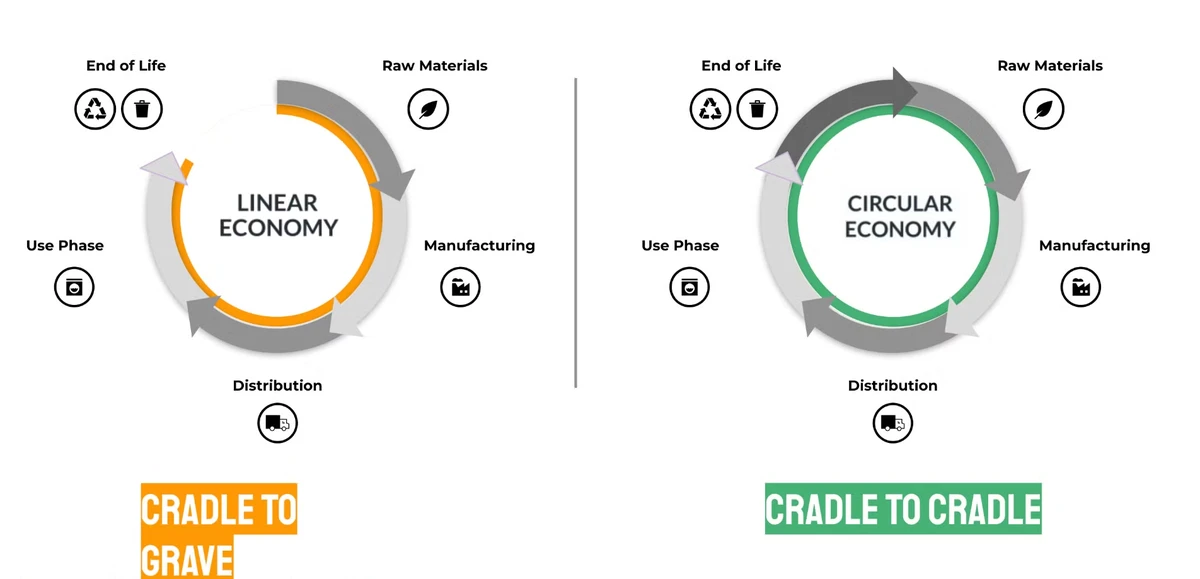
Sustainable Pet Product Lifecycle: Circular Economy Guide
PawVerde.com – A sustainable pet product lifecycle shifts from a ‘take-make-waste’ model to a circular economy where materials like PET are continuously repurposed. This approach minimizes environmental harm by prioritizing product durability, mono-material construction, and closed-loop recycling systems to reduce the 300 million pounds of plastic waste generated annually by the U.S. pet food industry.
The environmental impact is immense. In the U.S., 91% of the 300 million pounds of plastic waste generated annually by the pet food industry ends up in nature, oceans, or disposal areas.
The Sustainability Paradox: Durability vs. Biodegradability
The sustainability paradox in pet products involves balancing a toy’s durability for heavy chewers against its end-of-life biodegradability. While biodegradable materials reduce landfill waste, they may lack the toughness required to prevent microplastic shedding, whereas durable recycled plastics like PET offer longevity but require robust recycling infrastructure to remain truly circular.
Sustainability rewards durability. According to ecofurball.com, if a product breaks easily, it fails the test of what makes a pet product sustainable, regardless of how green it appears. This creates a counterintuitive reality where a “less eco-friendly” material like high-density plastic may actually be more sustainable than a biodegradable alternative if the latter requires replacement every few weeks.
The Carbon Cost of Frequent Replacement
A common failure mode in sustainable pet ownership is the assumption that “natural” always equals “better.” However, the Pet Sustainability Coalition notes that what makes a pet product sustainable is its ability to minimise environmental harm across its entire lifecycle. If a consumer replaces a soft, biodegradable toy every month due to rapid wear, the cumulative carbon footprint of manufacturing, shipping, and disposing of those items often exceeds the footprint of a single, long-lasting recycled plastic toy.
Sustainable products can cost more upfront, but according to ecofurball.com, they often last longer and save money over time. This longevity is a critical component of reducing the total volume of waste entering the ecosystem.
The Microplastic Dilemma in Biodegradable Toys
A hidden risk exists when materials marketed as biodegradable lack the structural integrity to withstand heavy chewing. If these materials fragment, they can lead to the ingestion of microplastics by pets or the leakage of synthetic residues into the soil, complicating the lifecycle benefits they were intended to provide.
Material Safety vs. Circularity: A Decision Matrix
Choosing the right material requires weighing environmental cultivation costs against physical safety. As reported by growthmarketreports.com, the pet toys segment is experiencing rapid growth, driven by consumer concerns over plastic waste and chemical leaching from conventional toys.
| Material | Energy Intensity | Primary Circular Benefit | Main Sustainability Trade-off |
|---|---|---|---|
| PET (Recycled) | Low (70% reduction) | Closed-loop recycling | Requires specific recycling streams |
| Aluminum | High | Infinite recyclability | High initial energy cost |
| Glass | Very High | Non-toxic/Inert | Heavy weight/High breakage risk |
| Hemp | Low | Low water/High durability | Limited material versatility |
| Cotton | Medium | Biodegradable | High water use/Lower durability |
Deciding between fibers requires looking at resource use. While cotton is widely available, hemp often presents a more sustainable profile in terms of resource consumption and long-term toughness.
The PET Advantage in Circular Packaging
PET is a cornerstone of the circular economy because recycling it uses up to 70% less energy than producing virgin PET. Furthermore, recycling PET can save 6 tons of oil resources for every 1 ton processed, making it more environmentally efficient than glass, aluminum, or carton alternatives in many lifecycle assessments.
Husky Injection Molding Systems reports that PET produces lower greenhouse gas emissions, consumes less energy, and generates less waste compared to commonly used alternatives. These efficiency metrics are significant:
- The recycling of PET bottles helps divert 138 million bags of trash from landfills in the United States.
- PET-related water savings account for 4.4 billion litres annually in the U.S.
- These water savings are equivalent to the reduction in emissions from 688,000 gas-powered cars.
Closed-loop ‘bottle-to-bottle’ mechanics
A true circular economy relies on closed-loop “bottle-to-bottle” recycling. This process, as detailed by Aceretech, involves transforming used PET bottles into new, food-grade bottles through a systematic cycle of shredding, washing, and pelletizing. This ensures that the material does not degrade in quality but remains a high-value resource within the supply chain.
Solid State Polymerization (SSP) for food-grade safety
To maintain safety standards, particularly for pet food packaging, manufacturers utilize Solid State Polymerization (SSP). This technical process is essential to ensure that recycled PET (rPET) meets strict standards for food-grade use, stripping away impurities and restoring the polymer’s molecular weight so it is safe for contact with nutrition products.
Closing the Loop: Technical Strategies for Manufacturers
For manufacturers to move beyond simple recycling and toward a truly circular model, specific design choices must be implemented at the production stage. One of the most effective methods is mono-material construction, which uses a single polymer type throughout the entire package. As noted by plastekgroup.com, mono-material designs simplify the recycling process and increase the likelihood that local recycling facilities will accept the packaging.
Effective technical strategies include:
- Implementing Mono-Material Construction to avoid the complexities of separating multi-layer plastics.
- Adopting Closed-loop ‘bottle-to-bottle’ systems to keep high-quality PET in the production cycle.
- Designing for disassembly in durable goods like pet beds or crates.
A significant failure mode in manufacturing occurs when companies use multi-material laminates (such as plastic bonded to foil). While these may provide excellent moisture barriers for pet food, they are notoriously difficult to recycle and often end up in landfills, breaking the circular loop.
Market Dynamics and the Rise of the Eco-Conscious Pet Owner
The economic landscape is shifting rapidly to accommodate these sustainable practices. In 2024, the sustainable pet products market value reached USD 35,045 million. This sector is projected to grow at a CAGR of 7.4% during its forecast period, according to credenceresearch.com.
This growth is fueled by a massive influx of new consumers. Data from dataintelo.com indicates that 3.4 million new pet-owning households were formed across North America and Western Europe in 2024. As these new owners enter the market, there is an increasing demand for products that align with environmental values, driving investment in both compliance and innovation.
Avoiding the Greenwashing Trap
As sustainability becomes a primary marketing driver, the risk of “greenwashing” increases. Consumers must remain vigilant against products that use misleading environmental claims. According to ecofurball.com, sustainability marketing spin is a major pitfall when companies fail to provide verifiable data to back up their “eco-friendly” labels.
Systemic risks include non-compliance with global legislative efforts and a lack of source-level traceability to the waste-picker level.
To accurately judge a product, consumers can look toward Life Cycle Assessments (LCA). As noted by Uekert et al 2022, no LCA is perfect the first time, as reviewing results may require shifting the scope to fully capture all important environmental impacts.
FAQ
How can I ensure my pet’s recycled plastic toys don’t contaminate the recycling stream?
Focus on cleaning food residue and saliva from hard plastics like bowls or heavy-duty toys before disposal to prevent batch contamination. Ensuring materials are free of organic matter helps maintain the integrity of the recycling process.
What is the benefit of mono-material packaging for pet food?
Mono-material construction uses a single polymer type, which simplifies the recycling process and increases the likelihood that local facilities will accept the packaging. This reduces the chance of the material being diverted to a landfill.
Is it better to buy durable plastic or biodegradable pet products?
Durability prevents frequent replacement and waste. For items that cannot be easily recovered, biodegradability is an option, provided the material does not fragment into microplastics.
Safe Eco-Friendly Pet Cleaning: Best Alternatives & Tips
PawVerde.com – Switching to eco-friendly pet cleaning alternatives involves replacing harsh chemicals like bleach and phenols with enzymatic cleaners, plant-based surfactants, and steam cleaning. For maximum safety, prioritize products that explicitly list pet-safe certifications and use biodegradable ingredients to prevent respiratory issues and gastrointestinal distress in your animals. The global pet-safe cleaners market is projected to reach $8,310.5 million by 2035, reflecting a massive shift toward sustainable pet care.
The Greenwashing Decoder: Spotting Deceptive ‘Pet-Safe’ Claims
To identify greenwashing, look beyond vague marketing. As Petdirect advises: “If it doesn’t clearly list pet safety, it’s best to opt out.” Always verify that a product’s ingredient transparency matches its safety claims to avoid hidden toxins.
Market leaders like The Honest Company, Inc. have established a standard for transparency, yet many smaller brands use ambiguous marketing to inflate perceived safety. A common failure mode occurs when a consumer assumes a “botanical” label implies non-toxicity, only to find concentrated essential oils that are dangerous for animals. Industry analysts note that 64% of consumers are willing to pay premium prices for eco-friendly products, which incentivizes some manufacturers to use deceptive labeling.
Red flags in labeling
- Vague descriptors such as “earth-friendly” or “nature-inspired” without ingredient breakdowns.
- The absence of a full ingredient list on the physical packaging or digital product pages.
- Claims of being “chemical-free,” which is scientifically impossible as all matter is chemical.
Certifications to look for
Instead of relying on marketing adjectives, look for third-party verified standards. As Petdirect notes: “If it doesn’t clearly list pet safety, it’s best to opt out.” Reliable indicators include vegan certifications or specific biodegradable ratings that confirm the product will not persist in the environment or harm the pets interacting with the residue.
Surface-Specific Safety Matrix: Matching Cleaners to Your Home
Choosing an inappropriate cleaner can lead to material damage. For example, using a DIY vinegar spray on natural stone like marble or granite causes immediate chemical etching and permanent dulling.
| Surface Type | Recommended Eco-Alternative | Avoid This Method | Primary Risk |
|---|---|---|---|
| Natural Stone (Marble/Granite) | Steam Cleaning | DIY Vinegar Spray | Etching and permanent dulling |
| Hardwood Floors | Microfiber + Water | Excessive Vinegar/Acid | Finish stripping and warping |
| Carpets/Upholstery | Enzymatic Cleaners | Bleach-based cleaners | Fiber degradation and toxicity |
| Laminate | Mild Plant-based Surfactants | Heavy saturation | Delamination of layers |
A significant pitfall involves the DIY All-purpose Spray, typically made by mixing one part distilled white vinegar with two parts water. While this is effective for windows and standard tiles, using vinegar on natural stone like marble or granite is a mistake that causes immediate chemical etching. For high-traffic pet areas, steam cleaning remains a superior choice because it utilizes only water and heat to sanitize, requiring no detergents to achieve a hygienic result.
Why Enzymatic Cleaners are Non-Negotiable for Organic Stains
enzymatic cleaners are the only effective solution for pet accidents because they chemically break down organic matter—such as urea, uric acid, and proteins—at the molecular source. Unlike traditional cleaners that merely mask odors, enzymes eliminate the biological cause of the smell, preventing ‘rebound odors.’
Standard household cleaners often rely on fragrance to cover the scent of pet waste. However, only enzyme cleaners can remove bodily stains and odors 100 percent by targeting the biological components of the mess. This process involves enzymes breaking down molecules into smaller, odorless particles that can be easily wiped away. As Rover documentation points out, “Enzymatic pet cleaners are also biodegradable, so they’re better for the planet.”
The Science of Protein Breakdown
When a pet has an accident, the waste penetrates deep into carpet fibers or floor cracks. Enzymatic cleaning follows a specific mechanism:
- Targeting: Enzymes identify specific proteins, fats, or starches.
- Hydrolysis: The enzymes break the chemical bonds of the organic matter.
- Elimination: The broken-down particles lose their odor-causing properties and are removed during wiping.
Commercial vs. Homemade Enzyme Solutions
While some enthusiasts attempt to create homemade enzyme solutions, these often lack the stability and concentration required for deep cleaning. Commercially produced options offer controlled, reliable results. For instance, Rocco & Roxie Supply Co. Stain and Odor Eliminator is priced at $19.94, while Biokleen Bac Out Natural Stain Remover retails at $28.98. These products are formulated to ensure the enzymes remain active long enough to complete the breakdown process.
Toxic Offenders: Chemicals to Purge from Your Cleaning Cabinet
Traditional cleaning products frequently contain substances that pose acute risks to animals. Because pets reside close to the floor and engage in frequent grooming, they are highly susceptible to chemical residues.
WARNING: Certain common household chemicals present acute risks to pet health. Avoid products containing these substances to prevent serious medical emergencies.
- Bleach: This can cause respiratory and gastrointestinal issues in pets if inhaled or ingested.
- Phenols: These compounds are known to be toxic to both cats and dogs.
- Essential Oils: Highly concentrated oils like eucalyptus or tea tree can trigger neurological or digestive symptoms in pets if not properly diluted or if inhaled in enclosed spaces.
Replacing these with safer alternatives, such as mold inhibitors like SafeChoice X-158 or Moldex products, can prevent future growth while offering safer environments for humans and animals alike. Transitioning to non-toxic options is a proactive step in reducing the chemical load in your living space.
The Economics of Eco-Cleaning: Cost-Per-Use Analysis
Long-term savings often outweigh higher upfront costs. For example, while specialized products may seem expensive, utilizing the 20% savings found on Delphis Eco bundles can reduce overall spending.
| Product/Method | Typical Unit Price | Waste Profile | Economic Advantage |
|---|---|---|---|
| Ecos For Pets! Spray | $4.69 | Low (Refillable) | High affordability |
| KisClean Natural Cleaner | $8.40 | Low | Concentrated use |
| Delphis Eco Bundles | Varies | Very Low | 20% savings on bundles |
| Disposable Wipes | Variable | High (Single-use) | Low upfront, high recurring cost |
| Reusable Cloths | One-time cost | Minimal | Highest long-term savings |
When comparing reusable cloths to disposable wipes, the waste reduction is significant. While wipes offer convenience, they contribute to landfill mass and represent a continuous recurring expense. By investing in high-quality microfiber cloths or utilizing the 20% savings found on Delphis Eco bundles, pet owners can significantly lower their annual cleaning expenditures.
Age-Based Cleaning Protocols: Puppies vs. Seniors
Cleaning requirements vary by life stage. A routine safe for an adult may not account for the specific vulnerabilities of younger or older animals.
High-Activity Puppy Environments
Puppies require rapid, enzymatic elimination of waste to prevent habituated “potty spots.” However, owners must be careful with cleaning wipes; these can be a choking hazard or cause an intestinal obstruction if swallowed.
Sensitive Senior Respiratory Care
Senior pets may suffer from respiratory issues like asthma. For these animals, strong-smelling cleaners can trigger breathing difficulties. Steam cleaning is a safer choice because it sanitizes using only water and heat, avoiding scented detergents that could compromise respiratory health.
FAQ
Can I use vinegar to clean my pet’s accidents?
Vinegar works for windows and standard floors, but it cannot replace enzymatic cleaners for urine. Enzymes are necessary to break down the proteins in organic stains.
Are essential oils safe in pet-friendly cleaners?
No. Highly concentrated oils like tea tree or eucalyptus can trigger neurological or digestive symptoms if not properly diluted or if inhaled in high concentrations.
Is steam cleaning a safe alternative?
Yes. Steam cleaning tools require no detergents, using only water and heat to sanitize floors and furniture safely.
Are Compostable Dog Poop Bags Truly Eco-Friendly?
PawVerde.com – compostable dog poop bags are plant-derived alternatives to plastic that break down into organic matter under specific conditions. However, their environmental benefit depends entirely on your local waste infrastructure; in a landfill, they may take up to 400 years to decompose and can even release methane.
When disposed of in a landfill, these bags can take between 75 to 400 years to decompose. This process often results in the release of methane.
The Compostability Reality Check: Is Your Bag Truly Eco-Friendly?
To avoid greenwashing, audit your packaging for the exact percentage of plant-based content. Many ‘compostable’ bags are only partially vegetable-based (some as low as 38%), while the remainder may consist of fossil-fuel-based materials that can break down into microplastics.
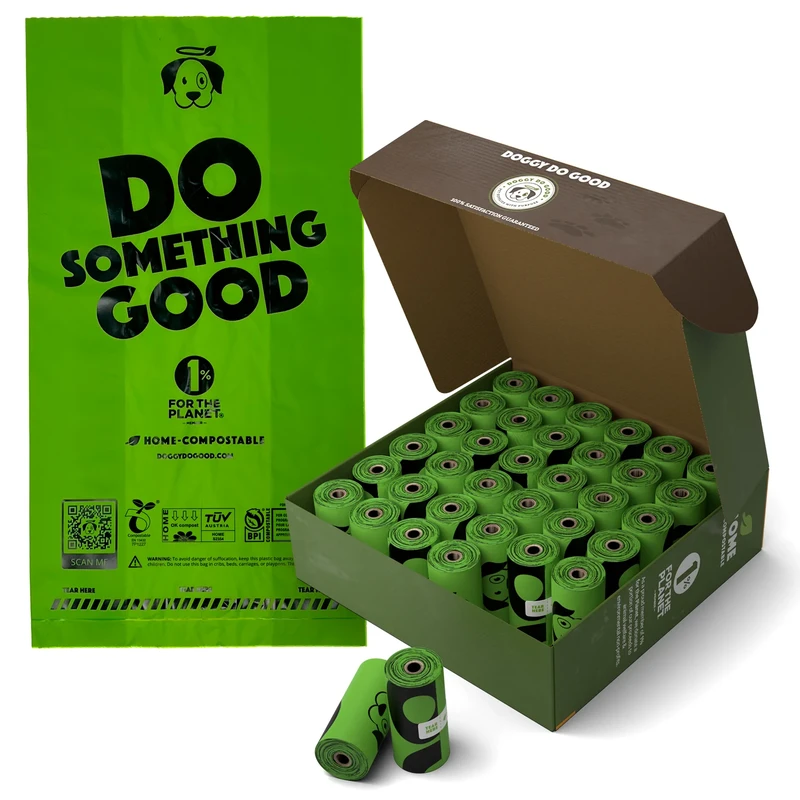
Environmental benefits are often obscured by complex manufacturing processes. For instance, Doggy Do Good bags contain only 38% vegetable-based content. The remaining 62% of the material consists of other components that do not share the same plant-derived properties.
The Microplastic Paradox
The term “compostable” does not always guarantee a return to nature without trace. Many compostable bags are made from fossil fuels treated with chemicals designed to help them biodegrade more quickly—and potentially break down into microplastics. This creates a scenario where the bag disappears from sight but leaves behind microscopic plastic fragments in the soil or water.
Decoding ‘Biodegradable’ vs. ‘Compostable'”
Consumers often confuse these two terms. Compostable dog poop bags are a specific subset of biodegradable bags, typically made from plant-derived materials that can break down completely into natural substances under the right conditions. In contrast, the term “biodegradable” is not tightly regulated, meaning it can be applied to a wide range of products that may not meet strict composting standards. According to the Biodegradable Products Institute (BPI), which sets and certifies composability standards for North America, the distinction is critical for effective waste management.
Infrastructure Compatibility: Should You Buy Compostable or Recycled Plastic?
If your waste is destined for a landfill or incineration, a recycled plastic bag is likely the more sensible choice. This selection minimizes new petroleum use.
In the United States, industrial composting facilities often refuse to accept dog waste. This is because municipal facilities typically reject pet waste due to biohazard concerns and the presence of potential pathogens.
| Disposal Method | Best Bag Type | Environmental Impact |
|---|---|---|
| Landfill | Recycled Plastic | Minimizes new petroleum use; avoids methane release. |
| Industrial Compost | Certified Compostable | Converts waste to organic matter (if permitted). |
| Home Compost | Certified Compostable | Highest efficiency for local nutrient cycling. |
The final destination of your waste dictates the best product. Use compostable bags if you have access to a specialized composting system; otherwise, recycled plastic serves as a practical landfill option.
Top Compostable Bag Brands for 2025
Leading compostable brands for 2025 include Earth Rated, Unni, Moonygreen, Zola Zola, and Greener Walker. When choosing, consider specific needs like Moonygreen’s 9″ x 13″ size or the durability requirements of your specific dog breed.
- Earth Rated: A widely recognized brand in the pet industry.
- Unni Pet Waste Bags: A specialized manufacturer of compostable options.
- Greener Walker: Focuses on eco-friendly waste solutions.
- Zola Zola: Offers compostable alternatives for pet owners.
- Moonygreen: Provides various sizes, including a 9″ x 13″ option.
Durability vs. Degradability: A Stress Test
The trade-off between how fast a bag breaks down and how strong it is can be significant. While degradability is the goal, some users report that the Moonygreen bags tear easily. This physical failure can lead to messy cleanup and unintended environmental exposure if the bag breaks before the waste is properly disposed of.
Size and Utility Comparison
Different breeds require different bag dimensions. While a standard bag might suffice for a small dog, larger breeds may require the 9″ x 13″ size offered by Moonygreen to ensure secure containment. Selecting the wrong size can lead to bag failure, which is a common frustration for owners of large-breed dogs.
How to Compost Dog Waste Safely at Home
To manage pet waste via a DIY Poop Digester, you must establish a controlled environment. This method allows for the decomposition of organic matter in a home setting.
To build a DIY Poop Digester, gather these materials:
- A 20-30 gallon container
- A drill
- A shovel
- Gravel
- Carbon-rich materials
- An enzyme solution
Building a DIY Poop Digester
The process begins by preparing a 20-30 gallon container. You must use a drill to create aeration holes, ensuring the waste does not become an anaerobic mess. This setup allows for a controlled decomposition process that is safer than standard garden composting.
The Importance of Carbon-Rich Materials
Successful composting requires a balance of nitrogen (from the waste) and carbon. You must add carbon-rich materials, such as wood chips or shredded paper, to the container. This prevents the mixture from becoming overly wet or smelling unpleasant, ensuring the decomposition process remains stable.
Common Pitfalls and Storage Protocols
Warning: In landfills, where waste is densely compacted and lacks oxygen, compostable bags decompose anaerobically and release methane.
When waste is densely compacted and lacks oxygen or microorganisms, compostable bags decompose anaerobically. This process releases methane, a potent greenhouse gas.
The Humidity Hazard: Protecting Your Rolls
Compostable materials are sensitive to their environment. If rolls are stored in high-humidity areas, such as a damp garage or a car during summer, the bags can become sticky or lose their structural integrity. This environmental sensitivity can cause the bags to degrade prematurely before they are even used.
Avoiding the Methane Release
To ensure a positive environmental outcome, match your bag choice to your local waste infrastructure. If your waste is destined for a landfill, the “compostable” label may not prevent methane production.
FAQ
Why don’t industrial composters accept dog waste?
Municipal facilities often reject pet waste due to biohazard concerns and the presence of pathogens like E. coli or Salmonella.
Is ‘biodegradable’ the same as ‘compostable’?
No. Compostable bags are a specific subset of biodegradable bags that must break down into non-toxic organic matter under specific conditions.
What happens to compostable bags in a landfill?
In a landfill, they decompose anaerobically (without oxygen), which can lead to the release of methane, a potent greenhouse gas.
How to Audit Eco-Friendly Pet Supplies & Avoid Greenwashing
PawVerde.com – eco-friendly pet supplies focus on reducing the environmental footprint of pet ownership through sustainable materials like bamboo and natural rubber, ethically sourced nutrition, and waste reduction. While the global market is projected to reach $34.6 billion by 2034, true sustainability requires looking beyond labels to avoid greenwashing and ensure product end-of-life circularity.
Consumer expectations are shifting rapidly. According to Faunalytics, 84% of companion animal guardians now hold companies responsible for addressing climate change.
The Greenwashing Decoder: How to Audit Your Pet Product Labels
To audit a pet product, look for specific certifications rather than vague buzzwords. Avoid products claiming to be ”recyclable’ if they use multi-layer films, and be wary of ‘eco-friendly’ waste bags that lack industrial compostability proof. Always check if the brand provides transparent sourcing data to back up their environmental assertions.
The pet care industry faces significant scrutiny regarding deceptive marketing. Reports from Doglyness highlight widespread greenwashing in the pet care sector, where brands often use misleading imagery to imply sustainability. This skepticism is shared by a large portion of the population; Woola notes that 52% of people globally have encountered false or misleading information regarding a brand’s sustainability actions. In Europe, data indicates that 42% of green claims were found to be exaggerated, false, or deceptive in 2021.
Red Flags: Vague Buzzwords vs. Certifications
When auditing a product, distinguish between marketing fluff and verifiable standards. The following list identifies common pitfalls for pet owners:
The Multi-Layer Film Trap
A critical misconception involves the ease of recycling pet food packaging. Many bags utilize a combination of plastic and foil to maintain freshness. However, these composite materials are rarely accepted by municipal recycling streams. This creates a significant volume of non-recyclable waste, despite the “recyclable” label appearing on the back of the bag.
The Lifecycle Audit: Biodegradable vs. Compostable vs. Recyclable
Understanding the end-of-life stage of pet products is essential to prevent unintended environmental harm. While “biodegradable” sounds inherently positive, the term is often used loosely in the pet industry.
The reality of waste management is that many “biodegradable” products fail to break down effectively in standard landfills. Without specific oxygen and microbial conditions, these items may sit for decades. Furthermore, Clarkston Consulting reports that incorrect labeling has already led to significant legal consequences, noting $1.7 million in filings involving incorrect labeling of pet waste bags as “eco-friendly” in early 2021.
To ensure a product truly follows a circular lifecycle, verify if the packaging is certified for industrial composting. This distinction is vital for reducing the volume of pet-related waste that ends up in landfills, where it can contribute to greenhouse gas emissions.
Material Safety & Toxicity Matrix for Eco-Materials
When choosing eco-materials, balance sustainability with pet safety. Bamboo is a highly sustainable carbon absorber, but ensure it is processed without toxic glues. Natural rubber is excellent for durability without deforestation, while hemp and organic cotton offer low-impact alternatives for bedding and toys that minimize skin irritation.
Sustainability must never compromise the biological safety of the animal. For example, the Best Friends Animal Society warns that eco-friendly cat litters should avoid containing clay or sodium bentonite, as these ingredients can potentially sicken or poison pets. Instead, look for plant-based alternatives that offer safety and performance.
| Material | Sustainability Benefit | Pet Safety Consideration | Best Use Case |
|---|---|---|---|
| Bamboo | High CO2 absorption; prevents deforestation | Check for non-toxic resins/glues | Bedding, toys, and bowls |
| Natural Rubber | No deforestation in production | Ensure no synthetic additives | Durable chew toys |
| Hemp | Low water usage; high durability | Generally hypoallergenic | Bedding and rope toys |
| Recycled Plastic | Reduces landfill volume | Check for microplastic shedding | Heavy-duty crates or bowls |
The selection of materials often involves a trade-off between durability and impact. For instance, Clarkston Consulting notes that natural rubber is highly sustainable because production relies on rubber tree sap rather than deforestation. However, for bedding, organic cotton or hemp remains the gold standard for minimizing skin irritation in sensitive animals.
A Tiered Roadmap for a Budget-Friendly Eco-Transition
Transitioning to a sustainable pet lifestyle does not require an immediate, total overhaul. Caring Hands Vet suggests that sustainability is about progress, not perfection. Consumers can approach the change through a tiered strategy to manage costs effectively.
Faunalytics research indicates that 62% of companion animal guardians bought an environmentally friendly product in the past month. Sustainability becomes a decisive factor for consumers once their price expectations are met.
By following this roadmap, owners can avoid the “all-or-nothing” trap. Even small changes, like choosing products from vetted brands on EarthHero or Green Pet, contribute to a larger shift in the industry.
The Hidden Cost of Microplastics and Shipping
Even when products are made from sustainable materials, the logistics and maintenance of those products can introduce new environmental costs.
One significant concern is the shedding of microplastics from synthetic or recycled polyester pet bedding. When these items are washed, they release tiny plastic fibers into the water system. To mitigate this, owners can use specialized washing bags designed to catch microfibers. Additionally, consider the carbon footprint of the delivery itself. For example, EarthHero offers free carbon-neutral shipping on orders over $75. This is a crucial consideration because a “sustainable” product shipped halfway across the world may have a higher carbon footprint than a conventional product manufactured locally.
The manufacturing of plastic packaging also carries a heavy environmental weight. As noted by Doglyness, the process of creating plastic packaging is devastating to the environment, regardless of how “recyclable” the final product claims to be.
FAQ
Is bamboo safe for dogs and cats?
Bamboo is a highly sustainable resource that acts as a carbon absorber. To ensure safety, verify that products are processed without toxic resins or glues.
How can I tell if pet waste bags are actually eco-friendly?
Avoid bags that only claim to be ‘biodegradable.’ Look for certified compostable labels and check if they meet state regulations to avoid the $1.7 million greenwashing trend in waste bags.
Can I make my own eco-friendly pet toys?
Yes, you can upcycle old t-shirts, towels, or cardboard boxes into enrichment items. Using old socks with water bottles is a simple, zero-waste way to create a puzzle toy.
Eco-Friendly Dog Food: How to Spot Greenwashing in 2026
PawVerde.com – eco-friendly dog food minimizes environmental, animal, and human impact by utilizing sustainable protein sources like insects or algae, reducing livestock-related carbon emissions, and prioritizing ethical sourcing and recyclable packaging. It moves away from carbon-intensive meat-based diets toward alternatives that require significantly less land, water, and feed.
The global pet food market is projected to reach $160.8 billion by 2032, making the shift toward sustainability a massive economic and environmental necessity.
How to Spot Greenwashing: A Red Flag Guide for Pet Food Labels
Greenwashing occurs when sustainability claims are marketing-driven rather than factual. Brands may use aesthetic cues to imply stewardship without providing the verifiable data necessary to establish environmental credentials.
Vague terminology vs. Certified standards
Consumers often encounter terms that lack legal definitions in the pet food industry. To avoid being misled, distinguish between these categories:
- Marketing Buzzwords: Terms like “eco-conscious,” “green,” or “earth-friendly” are frequently used without any underlying metric or regulatory oversight.
- Vague Sourcing: Claims of “sustainably sourced” may sound impressive but often lack specific details regarding the Life Cycle Assessment (LCA) used to verify the claim.
- Certified Standards: Look for specific, verifiable designations. While “organic” carries weight, it is a much higher bar than simply being “natural.”
The ‘Natural’ trap
A product can be labeled as natural while still relying on carbon-intensive ingredients. Because meat-based pet food is especially carbon-intensive due to emissions linked to livestock farming, a “natural” beef-based kibble may have a higher carbon footprint than an insect-based alternative.
The Carbon Footprint Comparison: Protein Source vs. Processing Method
The true environmental winner is insect-based protein, which requires significantly less land, feed, and water than livestock. While meat-based food is highly carbon-intensive due to livestock emissions, insect protein offers a high-protein alternative (35-60% dry weight) with a much lower ecological footprint.
Meat-based pet food is especially carbon-intensive because of the emissions linked to livestock farming. In contrast, insects are being touted as an environmentally friendly solution for dog and cat food due to their efficiency. The protein density of edible insects is remarkably high, ranging from 35% to 60% on a dry weight basis, whereas fresh weight yields between 10% and 25%.
| Protein Source | Environmental Impact | Protein Density | Primary Benefit |
|---|---|---|---|
| Insect Protein | Low (Minimal land/water) | 35% – 60% (Dry) | High efficiency & low emissions |
| Livestock (Beef/Chicken) | High (High GHG emissions) | Variable | Traditional familiarity |
| Plant-based | Moderate | Lower than insects | Low direct animal impact |
Insects offer a high-efficiency alternative to traditional livestock. They provide a higher protein content than many plant sources like cereal grains or soybeans.
Why insects outperform beef and soy
Insects require less land, feed, and water than traditional livestock breeding. This efficiency makes them a cornerstone of sustainable pet nutrition. Furthermore, insects often provide a higher protein content than many plant sources like cereal grains or soybeans, making them a nutrient-dense choice for growing dogs.
The energy cost of freeze-drying vs. extrusion
The method of processing also dictates the ecological footprint. While extrusion is a standard for kibble, specialized methods like freeze-drying or high-pressure processing can change the energy profile of the food. It is a common misconception that all “natural” foods are low-impact; a freeze-dried insect meal might require more energy during production than an extruded plant-based kibble, though the protein efficiency of the insect often offsets this in a full Life Cycle Assessment.
The Insect Revolution: Nutritional Benefits and the Allergy Paradox
Insect-based diets can reduce harmful bacteria in the canine’s gut, such as Turicibacter. Additionally, insect protein can serve as a hypoallergenic protein source, providing a novel alternative for dogs that react to common proteins like beef or chicken.
This is particularly relevant given that 3% to 15% of dogs are affected by atopic dermatitis. For these animals, traditional protein sources can trigger inflammatory responses. Insect protein offers a way to maintain high nutritional standards without the typical allergenic load.
Using insects as a protein source must be undertaken with caution. There is a risk of cross-reactivity for dogs with existing environmental allergies, particularly those sensitive to arthropods such as dust mites.
Gut health and Turicibacter reduction
Research indicates that insect-based diets can positively influence the microbiome. Specifically, these diets can reduce the amounts of bacteria that are harmful to the canine’s gut, such as Turicibacter. Furthermore, additives like spirulina algae powder—which can contain up to 70% protein—can serve as a functional additive that supports intestinal health in dogs.
The risk of cross-reactivity with dust mites
While insect protein is often considered hypoallergenic, it is not a universal solution. Because insects are arthropods, dogs with severe atopic dermatitis may experience cross-reactivity. To mitigate this, manufacturers may use thermal and high pressure processing or hydrolysis to reduce allergenicity and cross-reactivity in the protein molecules.
Beyond the Bowl: Packaging Reality and Waste Management
sustainable pet food must address the lifecycle of its container. For example, Inspired Pet Nutrition has achieved 98% recyclable packaging.
Avoid “wish cycling.” This occurs when owners recycle items incorrectly, such as placing multi-layer pouches into bins that cannot process them. If a package is not clean and dry, or if it belongs in a specialized facility, it often ends up in a landfill regardless of the “recyclable” label.
Recyclable vs. Widely Recycled
A material may be technically “recyclable,” but it is not necessarily “widely recycled.” If your local municipal facility lacks the infrastructure to handle specific pet food bags, the material becomes waste.
How to handle multi-layer pouches
Many premium pet foods use multi-layer pouches to maintain freshness. These are notoriously difficult to recycle because they combine different materials (like plastic and foil). Unless the brand specifically provides a take-back program or the packaging is certified for curbside recycling, these items often require specialized disposal to avoid environmental contamination.
The Eco-Transition Protocol: Switching Diets Safely
Transitioning a dog from a meat-heavy diet to insect-based or plant-based options requires a structured approach. Sudden changes in protein structure or fiber content can lead to gastrointestinal upset.
Owners should follow a gradual integration process to prevent the digestive system from being overwhelmed by new nutrient profiles.
- Days 1-2: Mix 75% old food with 25% new eco-friendly food.
- Days 3-4: Mix 50% old food with 50% new food.
- Days 5-6: Mix 25% old food with 75% new food.
- Day 7: Transition to 100% new food.
Shortcut: If your dog has a sensitive stomach, use the “Small Batch Method”—adding only one tablespoon of the new food per meal to monitor for immediate reactions.
Monitoring for digestive upset
During the transition, watch for changes in stool consistency or energy levels. While insect protein is generally well-tolerated, the introduction of new fibers or microalgae (often included at levels of 0.5% to 4%) may cause temporary changes. If vomiting or severe diarrhea occurs, revert to the previous diet and consult a veterinarian.
Leading Sustainable Brands to Watch
Several companies prioritize different aspects of sustainability, ranging from ethical sourcing to novel protein innovation. The following table compares notable brands and their primary focuses.
| Brand | Primary Sustainability Focus |
|---|---|
| Insect-based protein | Insect-based protein with no palm oil policy |
| Ethically sourced ingredients | Ethically raised and transparently sourced ingredients |
| Benevo | Vegan and organic formulations |
| Newman’s Own | Sustainability with 100% of profits donated to charity |
| Chippin | Sustainable sourcing and eco-conscious operations |
| Mars, Incorporated | Large-scale manufacturer of insect-based lines |
| Natural ingredient profiles | Natural ingredient profiles |
| Orijen | Natural, high-protein formulations |
| Conscientiously sourced ingredients | Conscientiously sourced ingredients |
Prioritize your choice based on specific goals, such as carbon reduction via insect protein, ethical transparency, or social impact through profit donation.
FAQ
Is insect-based dog food actually hypoallergenic?
Insect protein is often used as a hypoallergenic alternative. However, caution is needed for dogs with existing atopic dermatitis due to potential cross-reactivity with arthropods like dust mites. Always monitor for skin irritation during the transition.
Why is organic fish not always the most sustainable choice?
Organic fish can be resource-intensive. According to the Ethical Consumer Guide, “Organic fish has to be fed with sustainably caught, non-organic fish. Around 3-4 kg of sustainable fish is needed to raise 1 kg of organic fish.”
What is Life Cycle Assessment (LCA) in pet food?
LCA is a scientific method used to examine ingredients by considering their total carbon cost, energy demand, land use, and freshwater consumption from the initial production stage through to final disposal.