

PawVerde.com – Pet waste recycling programs and PET plastic recycling initiatives are transforming environmental management within the pet care industry by reducing landfill burden and promoting circular economy practices. Pet waste disposal systems employ enzyme- and bacteria-driven technologies to safely break down animal waste into odorless, harmless liquids that enrich soil, while PET recycling involves collecting, sorting, cleaning, and reprocessing polyethylene terephthalate (PET) plastics into new consumer products. Industry coalitions, such as the PET Recycling Coalition and Pet Sustainability Coalition (PSC), alongside major corporations and retailers including Hill’s pet nutrition, PetSmart, and Petco, are driving innovation and expanding recycling acceptance for flexible pet food packaging, which traditionally faces recycling challenges. These efforts contribute to measurable reductions in plastic pollution and resource consumption, aligning pet product packaging with broader sustainability and circular economy goals.
Mechanisms of Pet Waste Recycling Systems
pet waste recycling systems utilize biological processes based on bacteria and enzymes to decompose animal waste into environmentally safe substances. These systems, often embedded in-ground or installed in parks and residential areas, convert pet waste into odorless liquids absorbed by surrounding soil, preventing contamination of waterways. Richland County in South Carolina operates one of the earliest municipal programs incorporating in-ground enzymatic disposal units in public dog parks, supported by technical guidance from USDA Natural Resources Conservation Service (NRCS). These systems mitigate environmental hazards associated with traditional pet waste disposal, such as pathogen spread and nutrient runoff, by maintaining aerobic conditions that accelerate biodegradation.
Safety is paramount in pet waste recycling. Studies indicate that enzyme-based systems effectively neutralize harmful bacteria, including E. coli and parasites, when maintained at optimal moisture and temperature levels. This biological treatment prevents the accumulation of ammonia and methane gases commonly generated in landfill-bound pet waste. Furthermore, these systems align with environmental stewardship protocols by reducing plastic bag waste traditionally used for pet waste collection, thereby lowering plastic pollution.
The PET Recycling Process: Technologies and Innovations
Polyethylene terephthalate (PET) is a widely recyclable plastic, constituting a significant portion of post-consumer packaging in the pet food and products sector. The PET recycling process begins with collection through curbside or store drop-off programs, followed by sorting using advanced near-infrared (NIR) optical sorting technologies that separate PET from other plastics and contaminants. Cleaning processes remove labels, adhesives, and residual food, ensuring high-purity recycled PET (rPET). Subsequent mechanical recycling melts and reforms PET into pellets for manufacturing new bottles, textiles, or packaging materials.
Innovations such as chemical recycling, also known as depolymerization, are gaining traction in the industry. This technology breaks PET down into its monomer components, enabling purification from contaminants and enabling bottle-to-bottle recycling with minimal degradation. Companies like Peel Plastics and Morris Packaging are pioneering chemical recycling applications tailored for flexible pet food packaging, which historically faced limitations in mechanical recycling due to multilayer films and adhesives.
The integration of AI-enhanced sorting systems, developed through partnerships with entities such as Closed Loop Partners and the Association of Plastic Recyclers, further improves sorting accuracy and throughput, reducing contamination rates and expanding recycling capacity. These technological advances support the circular economy by increasing rPET quality and market demand, enabling pet product manufacturers to incorporate higher recycled content sustainably.
Industry-Led Initiatives Advancing Pet Packaging Recycling
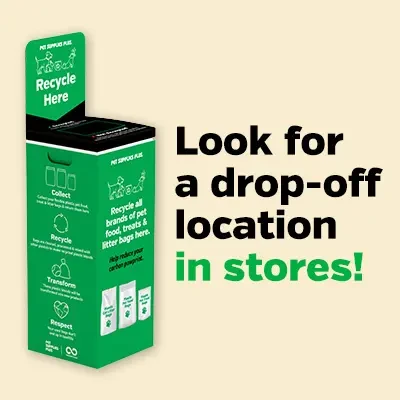
The PET Recycling Coalition, a collaborative industry alliance, spearheads efforts to enhance recycling of non-bottle PET thermoforms used in pet food packaging, such as clamshells and trays. The coalition’s goal is to standardize collection methods, improve sorting technologies, and expand end markets for recycled materials. Concurrently, the Pet Specialty Store-Drop-Off (SDO) Action Collaborative, including retailers like PetSmart and Petco, pilots in-store collection bins for flexible pet food packaging. These initiatives address the historically low recycling rates of flexible packaging by providing convenient consumer drop-off options and developing robust supply chains for recycled materials.
Major corporations including The Coca-Cola Company and Danone have committed to increasing recycled content in pet product packaging as part of broader sustainability agendas. Collaborative efforts with packaging innovators and recyclers aim to design packaging for recyclability, reduce multilayer film usage, and optimize material recovery. For example, West Paw and Chewy have adopted packaging redesigns emphasizing monomaterial films to facilitate mechanical recycling compatibility.
This industry collaboration extends to consumer education campaigns promoting proper recycling behaviors, contamination reduction, and participation in store drop-off programs. The collective impact of these initiatives contributes to measurable increases in PET recycling rates within the pet care sector, reducing plastic waste leakage into the environment.
Circular Economy and Sustainability Practices in Pet Care
Sustainability in the pet industry increasingly emphasizes circular economy principles, where materials remain in continuous use, and waste is minimized. Brands like Patagonia and Adidas extend circularity to pet product lines by incorporating recycled materials and designing for product longevity. Patagonia’s pet accessories utilize recycled PET fabrics, while Adidas explores bio-based and recycled polymers in pet product packaging.
Consumer participation is critical in closing the loop. Store-based collection systems simplify recycling access, while eco-friendly veterinarians and sustainable pet sitters promote responsible waste disposal practices, including pet waste composting and use of biodegradable bags. Richland County’s pilot composting programs enable pet owners to deposit waste into community composting bins designed for pathogen control, offering a model for scalable sustainable pet waste management.
Moreover, eco-conscious consumers increasingly demand transparency in packaging sustainability credentials, prompting companies to certify packaging recyclability and integrate environmental impact disclosures. These market dynamics drive innovation in materials science and supply chain transparency, fostering a culture of sustainability that aligns pet care with global environmental goals.
Environmental and Economic Impacts of PET and Pet Waste Recycling
PET recycling significantly reduces the environmental footprint of pet product packaging by diverting plastics from landfills and marine environments. Data from the American Beverage Association indicate that PET recycling conserves up to 75% of the energy required to produce virgin PET resin, translating to lower greenhouse gas emissions. By incorporating recycled PET, companies reduce reliance on fossil fuels and decrease plastic pollution, contributing to healthier ecosystems.
Pet waste recycling mitigates nutrient runoff, protects water quality, and reduces pathogen exposure in urban and suburban environments, enhancing community health outcomes. composting pet waste in controlled environments decreases methane emissions compared to landfill disposal, contributing to climate change mitigation efforts.
Economically, the recycling industry generates substantial employment opportunities across collection, sorting, processing, and manufacturing sectors. Closed Loop Partners reports that investments in recycling infrastructure and advanced technologies stimulate job creation and economic growth, particularly in regions with established recycling value chains. For example, partnerships involving Atlantic Packaging and Valemi Inc. leverage local resources to scale recycling capacity in North America, benefiting communities through circular economy development.
Best Practices and Safety in Pet Waste Composting
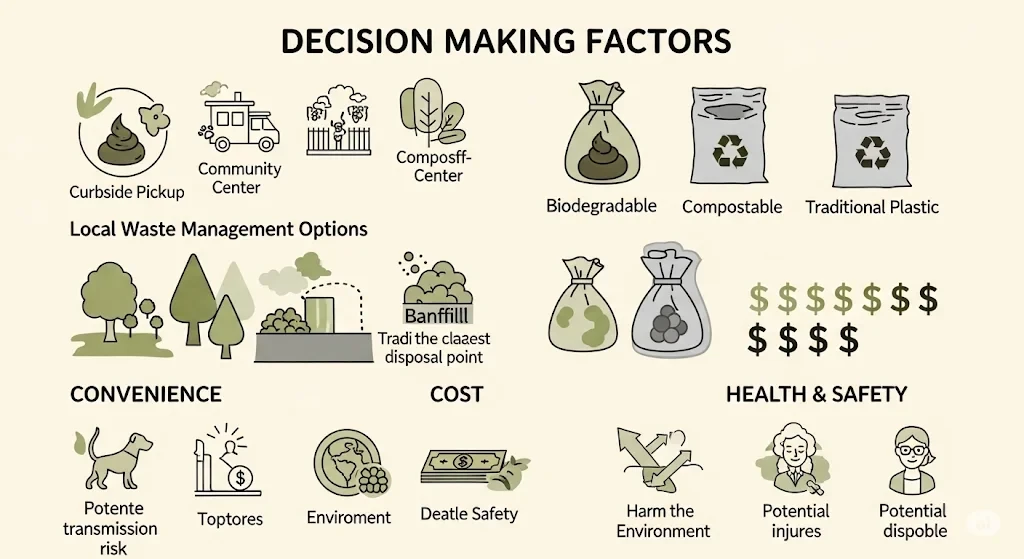
Composting pet waste requires stringent management to eliminate pathogens such as roundworms and parvovirus. Successful composting involves maintaining thermophilic conditions above 55°C (131°F) for several days to ensure microbial kill rates. Commercial composting bins designed specifically for pet waste incorporate aeration, temperature monitoring, and moisture control features to facilitate safe decomposition.
Community-based composting programs, such as those supported by the Foodservice Packaging Institute and RRS, provide localized solutions for pet owners, although scalability and contamination risk remain challenges. Proper segregation of pet waste from food and garden waste is essential to prevent cross-contamination and ensure compost quality.
Educational outreach on composting safety, regulatory compliance, and environmental benefits is vital to encourage adoption. Innovative approaches, including enzyme additives and biochar incorporation, enhance composting efficacy and odor control, promoting broader acceptance of pet waste composting as a sustainable disposal method.
FAQ
How do pet waste recycling systems safely break down animal waste?
Pet waste recycling systems use bacteria and enzyme-based processes to convert pet waste into odorless, harmless liquids absorbed by soil. These systems maintain aerobic conditions that neutralize pathogens and prevent environmental contamination.
What is the role of the PET Recycling Coalition in pet packaging recycling?
The PET Recycling Coalition coordinates industry efforts to improve recycling of non-bottle PET packaging, such as clamshells and trays used in pet food. It focuses on enhancing collection, sorting technologies, and developing markets for recycled PET materials.
Can flexible pet food packaging be recycled effectively?
Flexible pet food packaging has traditionally been challenging to recycle due to multilayer materials. However, store drop-off collection programs and innovations in chemical recycling and monomaterial film design are increasing recycling rates and material recovery.
What are the environmental benefits of recycling PET plastics used in pet products?
Recycling PET plastics reduces landfill waste, conserves energy by up to 75% compared to virgin resin production, lowers greenhouse gas emissions, and decreases plastic pollution in ecosystems.
Is composting pet waste safe and how is it done?
Composting pet waste is safe when conducted under high-temperature conditions (above 55°C) that eliminate pathogens. Specialized composting bins with aeration and moisture control facilitate safe decomposition, minimizing health risks.
—
Advancements in pet waste recycling and PET packaging recycling demonstrate the pet industry’s commitment to environmental stewardship by integrating cutting-edge technologies, collaborative initiatives, and consumer engagement. Continued expansion of store-based collection systems and innovations such as chemical recycling are poised to enhance recycling rates and circularity. Future efforts should focus on scaling community composting infrastructure, improving recycling end markets, and fostering cross-sector partnerships to accelerate sustainability in pet care packaging and waste management.