
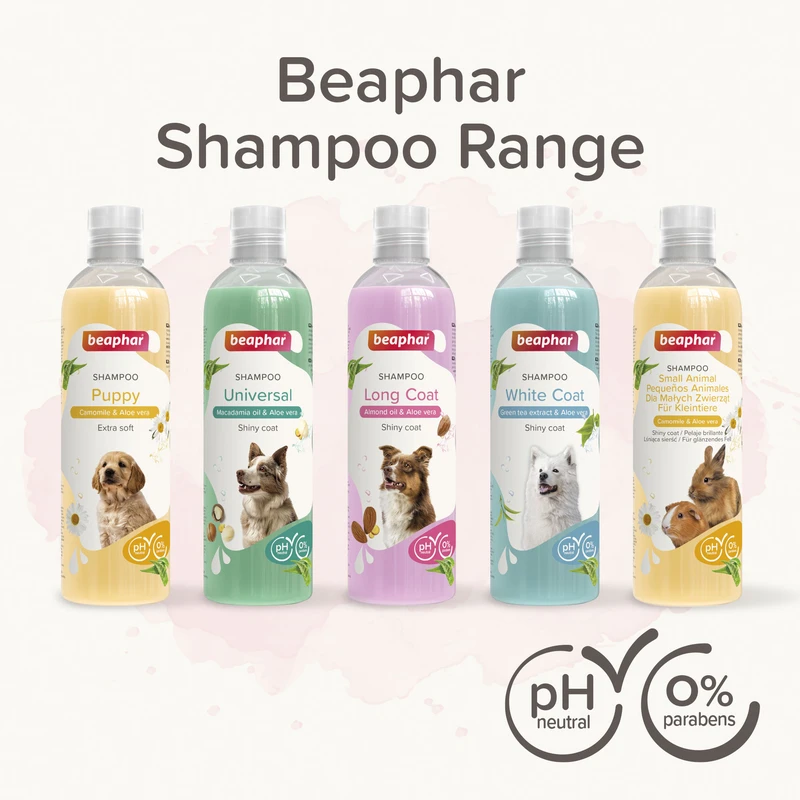
PawVerde.com – Conventional pet shampoos frequently incorporate synthetic chemicals such as sulfates, formaldehyde-based preservatives, and artificial fragrances that have been linked to skin irritation, allergic reactions, and respiratory issues in pets. In contrast, natural pet shampoos utilize plant-derived ingredients like aloe vera, shea butter, and essential oils, which provide gentle cleansing and moisturizing benefits while minimizing chemical exposure. Brands like Shampoochie® exemplify this shift by offering sulfate-free, fragrance-free formulations aimed at pets with sensitive skin or allergies, emphasizing both health and environmental safety.
The chemical composition of pet shampoos directly influences pet skin health and environmental impact. Conventional shampoos typically rely on detergents such as sodium lauryl sulfate (SLS) and sodium laureth sulfate (SLES), which aggressively strip oils and can disrupt the skin barrier, leading to dryness and increased susceptibility to allergens. These shampoos often contain formaldehyde-releasing preservatives and synthetic fragrances, which are documented irritants that may provoke contact dermatitis and respiratory distress in sensitive animals. Conversely, natural pet shampoos favor plant-based surfactants and avoid harsh chemicals, instead incorporating moisturizing agents like aloe vera and shea butter to maintain skin hydration. Essential oils such as tea tree oil are included for their antimicrobial and insect-repellent properties, though their concentration must be carefully balanced to prevent potential toxicity or irritation.
Pet skin sensitivity varies widely, with many animals exhibiting allergic reactions to common shampoo additives found in conventional products. Studies in veterinary dermatology have noted increased incidences of contact dermatitis and pruritus linked to sulfates and artificial fragrance compounds. Natural shampoos reduce these risks by eliminating synthetic chemicals, offering hypoallergenic alternatives particularly beneficial for allergy-prone or sensitive pets. However, essential oils, while natural, require cautious use; tea tree oil, for instance, can cause adverse reactions if used in excessive concentrations or on compromised skin. Therefore, natural shampoos must balance efficacy with safety, often avoiding artificial insect repellents like permethrin in favor of gentle botanical extracts.
Environmental considerations also differentiate conventional and natural pet shampoos. Chemical residues from sulfates, formaldehyde releasers, and synthetic fragrances contribute to aquatic toxicity and bioaccumulation, posing risks to ecosystems when shampoo runoff enters waterways. Natural shampoos, especially those that are USDA organic certified, minimize environmental impact by utilizing biodegradable ingredients sourced from sustainable agriculture. The use of plant-based surfactants and moisturizers reduces chemical pollution, aligning with eco-conscious pet care trends. Moreover, organic certification entails rigorous standards ensuring that no synthetic pesticides or fertilizers are involved in ingredient cultivation, enhancing overall environmental safety.
Understanding the distinction between natural and organic pet shampoos requires attention to certification and ingredient sourcing. Natural shampoos generally avoid synthetic chemicals but may not undergo formal certification processes. Organic pet shampoos, in contrast, must meet USDA organic standards, verifying that at least 95% of ingredients are organically produced without synthetic additives or genetically modified organisms. This certification guarantees higher ingredient quality control and environmental stewardship. Consumers seeking the highest assurance of product purity and sustainability should prioritize USDA organic labeled products, which are subject to regular audits and testing.
Shampoochie® Natural Dog Soap exemplifies the natural pet shampoo category with a formulation free from sulfates, artificial fragrances, and chemical preservatives. Its ingredients include aloe vera for skin soothing, shea butter for moisturizing, and a precise blend of essential oils providing mild insect-repellent effects without harsh chemical irritants. The brand emphasizes environmentally responsible sourcing and packaging, appealing to pet owners who prioritize both animal health and ecological impact. User testimonials highlight improvements in pets’ skin condition, particularly in allergy-prone subjects, supporting the clinical rationale for natural formulations. Shampoochie® also addresses the need for transparency by listing all ingredients and adhering to strict quality controls.
The ongoing shift towards natural pet shampoos reflects growing awareness of chemical toxicity risks and environmental sustainability among pet owners. As research continues to elucidate the adverse effects of conventional shampoo ingredients on pet health, demand for plant-based, sulfate-free, and organic-certified products is anticipated to rise. Manufacturers are increasingly investing in formulations that leverage botanical extracts and essential oils while maintaining safety profiles verified by veterinary dermatologists. Future developments may include enhanced natural insect repellents and synergistic moisturizing complexes to further support pet skin health without compromising environmental integrity.
Ingredient Composition: Conventional vs Natural Pet Shampoos
Conventional pet shampoos often contain detergents like sodium lauryl sulfate (SLS) and sodium laureth sulfate (SLES) that create rich lather but are known for their skin-stripping properties. These sulfates disrupt the lipid barrier of pet skin, causing dryness and making the skin more vulnerable to allergens and irritants. Additional chemicals such as formaldehyde-releasing preservatives are employed to extend shelf life but have been linked to allergic reactions and respiratory irritation in both pets and humans exposed during grooming. Artificial fragrances mask chemical odors but frequently act as sensitizers, triggering contact dermatitis.
Natural pet shampoos replace these harsh ingredients with plant-derived surfactants that cleanse without excessive stripping. Aloe vera and shea butter are common moisturizers included to replenish skin lipids and support barrier function. Essential oils, particularly tea tree oil, offer antimicrobial and insect-repellent properties, although their use requires precise formulation to avoid irritation or toxicity. Unlike synthetic fragrances, natural pet shampoos avoid artificial scents, relying on the subtle aroma of botanical extracts. This approach reduces the risk of allergic reactions and promotes healthier skin microbiomes.
Health Impacts on Pets: Skin Sensitivity and Allergies
Veterinary dermatology research has identified sulfates and formaldehyde-based preservatives in conventional shampoos as common culprits in contact dermatitis and allergic responses. Pets with pre-existing conditions such as atopic dermatitis or sensitive skin are especially prone to flare-ups triggered by these chemicals. Symptoms include redness, itching, hair loss, and secondary infections. Artificial fragrances further exacerbate these issues by acting as allergens.
Natural shampoos mitigate these risks by excluding synthetic irritants and incorporating soothing agents like aloe vera, which has anti-inflammatory properties, and shea butter, which restores moisture. For pets with allergies or sensitive skin, natural formulas minimize exposure to chemical triggers. Nonetheless, essential oils require cautious application—tea tree oil, while effective against parasites, can cause adverse reactions if overused or applied to broken skin. Pet owners should select natural shampoos with balanced essential oil concentrations and consult veterinarians when introducing new products.
Environmental and Safety Considerations
Chemical runoff from conventional pet shampoos contributes to environmental pollution, affecting aquatic life due to the persistence and toxicity of sulfates and synthetic preservatives. These compounds can bioaccumulate, disrupting ecosystems and water quality. In contrast, natural pet shampoos employ biodegradable ingredients that break down more readily, reducing ecological footprint. Brands focusing on sustainability also choose packaging materials with lower environmental impact.
USDA Organic certification further ensures that natural pet shampoos meet stringent environmental criteria, including sustainable farming practices free from synthetic pesticides and fertilizers. This certification supports soil health and biodiversity, reinforcing the environmental benefits of organic pet care products. Consumers increasingly value these attributes, driving market growth for eco-friendly pet shampoos.
Differentiating Natural and Organic Pet Shampoos
Natural pet shampoos avoid harsh synthetic chemicals but lack standardized certification, leading to variability in ingredient sourcing and quality. Organic pet shampoos certified by USDA must contain a minimum of 95% organic ingredients, excluding synthetic pesticides, fertilizers, and genetically modified materials. This certification guarantees stringent quality control, traceability, and adherence to environmental sustainability.
ingredient transparency distinguishes organic products; labels disclose sourcing and certifications, enabling informed consumer choices. Natural shampoos may rely on plant-based components but do not guarantee organic cultivation or manufacturing standards. For pet owners prioritizing purity and eco-consciousness, organic shampoos offer verified assurances that natural products alone may not provide.
Case Example: Shampoochie® Natural Dog Soap
Shampoochie® Natural Dog Soap exemplifies the natural pet shampoo movement with a formulation free from sulfates, artificial fragrances, and chemical preservatives. Key ingredients include aloe vera for soothing inflamed skin, shea butter for deep moisturizing, and essential oils selected for their antimicrobial and insect-repellent properties. The product avoids formaldehyde releasers and synthetic fragrances, reducing allergic risks.
User reports indicate improvements in skin texture and reduced itching, especially in dogs with sensitive or allergy-prone skin. Shampoochie® emphasizes sustainable sourcing and biodegradable packaging, aligning product benefits with environmental responsibility. This brand highlights the growing consumer demand for chemical-free, eco-friendly pet grooming solutions that prioritize both animal health and ecological stewardship.
FAQ
What are the main chemical risks associated with conventional pet shampoos?
Conventional pet shampoos commonly contain sulfates like sodium lauryl sulfate, formaldehyde-based preservatives, and artificial fragrances. These chemicals can disrupt the skin barrier, cause dryness, trigger allergic reactions such as contact dermatitis, and even provoke respiratory irritation in sensitive pets.
How do natural pet shampoos benefit pets with sensitive skin?
Natural pet shampoos use plant-based ingredients such as aloe vera and shea butter that soothe and moisturize the skin, reducing irritation. They avoid synthetic chemicals and artificial fragrances, lowering the risk of allergic reactions. However, essential oils included must be used carefully due to potential sensitivity.
Are all natural pet shampoos USDA organic certified?
No, natural pet shampoos are not necessarily USDA organic certified. Organic certification requires at least 95% organic ingredients and adherence to strict cultivation and manufacturing standards. Many natural shampoos do not undergo this certification, making organic products a higher standard for purity and environmental sustainability.
Can essential oils in pet shampoos be harmful?
Essential oils like tea tree oil provide antimicrobial and insect-repellent benefits but can cause irritation or toxicity if used at high concentrations or on damaged skin. Formulations must balance efficacy with safety, and pet owners should monitor for adverse reactions.
How do natural pet shampoos impact the environment compared to conventional ones?
Natural pet shampoos typically use biodegradable, plant-based ingredients that reduce water pollution and ecological toxicity. Conventional shampoos often contain persistent synthetic chemicals that can bioaccumulate and harm aquatic ecosystems. Organic certifications further ensure environmentally responsible ingredient sourcing and production.
The evolving landscape of pet grooming products reflects increasing prioritization of pet health and environmental sustainability. As awareness grows regarding the hazards posed by synthetic chemicals in conventional shampoos, natural and organic alternatives are positioned to dominate the market. Pet owners seeking to protect sensitive skin and reduce ecological impact should evaluate ingredient composition carefully and consider USDA organic-certified products when possible. Emerging research and product innovation will likely enhance the safety and efficacy of natural pet shampoos, providing more effective and environmentally sound options for pet care in the coming years.