

Natural Pet Allergy Relief: Holistic & Household Protocols
PawVerde.com – Natural relief for pet allergy symptoms involves a combination of topical soothing agents, systemic supplements, and rigorous environmental controls. While holistic methods like oatmeal baths and quercetin are effective for mild cases, veterinary intervention is required if symptoms escalate to intense itching, hair loss, or secondary skin infections.
Research has suggested that spirulina may be more effective than the medical antihistamine cetirizine in improving allergic symptoms in patients with allergic rhinitis.
The Synchronized Household Protocol: Managing Human and Pet Allergies Simultaneously
To manage a household where both humans and pets suffer from allergies, implement a synchronized protocol: use HEPA air purifiers to capture airborne dander, wash all bedding at 60°C to eliminate dust mites, and use topical soothing agents like oatmeal baths for pets alongside human-safe saline rinses.
The 24-Hour Environmental Reset
Effective allergen management requires addressing the physical environment rather than just treating individual symptoms. According to the NHS, washing bedding at 60°C is a critical step to reduce the dust mite burden within the home. This temperature ensures that allergens embedded in fabrics are neutralized. Relying solely on cold water cycles often fails to eliminate the microscopic triggers that sustain chronic respiratory irritation.
Maintaining clean air is equally vital. Using HEPA air purifiers helps capture fine particulate matter, including pet dander, before it can settle on surfaces or be inhaled. Without high-efficiency filtration, dander remains suspended in the air, creating a continuous cycle of exposure for both the pet and the owner.
Managing the ‘Invisible Cloud’ of Dander
Dander acts as an invisible cloud that permeates living spaces. For humans, managing this cloud can be achieved through consistent nasal irrigation. Wyndly reports that twice-daily nasal irrigation using isotonic or hypertonic saline solutions can reduce allergy symptoms by 27-62%. This mechanical flushing helps remove trapped allergens from the nasal passages.
To prevent the redistribution of allergens, environmental control should include using HEPA air purifiers and regular vacuuming. A synchronized approach ensures that both the human respiratory system and the pet’s skin are addressed through simultaneous environmental and biological interventions.
Symptom Severity Escalation: When to Move from Natural to Medical Relief
Holistic treatments work better for milder cases of allergies. However, there is a clear threshold where natural interventions become insufficient to manage the physiological damage caused by chronic inflammation.
PetMD notes that holistic treatments are insufficient if skin infections are present. When an allergy progresses beyond simple irritation, the risk of secondary complications increases. If a dog has intense itching, significant hair loss, and reddened or infected skin, a traditional allergy option, such as Apoquel or Cytopoint, may be necessary at first.
PetMD notes that traditional therapies are preferred if dogs exhibit moderate to severe allergy symptoms. While a chamomile compress might soothe minor redness, it cannot resolve the underlying immune dysregulation or the bacterial load present in an infected lesion.
Natural Supplement Efficacy Guide: Speed of Action and Dosage
Natural relief varies by speed: topical remedies like oatmeal baths provide immediate relief for skin irritation, while systemic supplements like quercetin (500-1000mg daily) and probiotics (10-20 billion CFUs) require consistent use over time to modulate the immune response and reduce histamine levels.
Immediate Topical Relief
Topical applications target the skin directly to interrupt the itch-scratch cycle. These methods provide physical relief for acute skin itching, such as through an oatmeal soak, without altering the body’s underlying immune response.
Long-term Systemic Support
Systemic supplements aim to stabilize the immune system’s reaction to allergens. For example, Dogs Naturally Magazine notes that quercetin, known as “Nature’s Benadryl,” acts as a natural antihistamine and anti-inflammatory, reducing histamine levels that trigger allergic reactions. Achieving these results requires adherence to specific protocols over weeks or months.
| Remedy/Supplement | Mechanism of Action | Best Use Case | Expected Speed |
|---|---|---|---|
| Oatmeal Bath | Topical soothing/barrier | Acute skin itching | Immediate |
| Quercetin | Natural antihistamine | Chronic systemic allergy | Slow (Weeks) |
| Probiotics | Immune modulation | Long-term gut health | Slow (Months) |
| Apoquel/Cytopoint | Targeted medical blockade | Moderate to severe symptoms | Fast (Hours/Days) |
The table above compares immediate topical relief against the long-term management required for systemic stability. Users can choose between surface-level soothing and biological triggers like quercetin or probiotics.
| Supplement | Target Dosage | Source/Reference |
|---|---|---|
| Quercetin | 500-1000mg daily | Wyndly |
| Probiotics | 10-20 billion CFUs | Wyndly |
| Butterbur (PA-free) | 50-75mg daily | Wyndly |
| Ceylon Cinnamon | 1-2 grams daily | Wyndly |
| Spirulina | 2 grams daily | Medical publication |
| Nettle Tincture | 2 drops per 10 lbs | Dogs Naturally Magazine |
Dosage accuracy is paramount when administering herbal supplements. For instance, nettle tincture for dogs requires a precise calculation of 2 drops per 10 lbs of body weight to ensure safety and efficacy.
The Natural Remedy Safety Matrix: Avoiding Toxic Pitfalls
Applying human-grade “natural” solutions to pets can lead to life-threatening complications. For example, PetMD warns that herbs like aloe vera and lavender pose serious safety risks for dogs and should be avoided.
One of the most critical dangers involves decongestants. According to the Animal Humane Society, do not use a decongestant or anything that contains pseudoephedrine, such as Claritin-D. Even small amounts of pseudoephedrine can be lethal in dogs.
| Substance | Risk Level | Reason for Caution |
|---|---|---|
| Pseudoephedrine | Lethal | Causes severe toxicity in dogs |
| Aloe Vera | High Risk | Poses serious safety risks for dogs |
| Lavender | High Risk | Poses serious safety risks for dogs |
| Apple Cider Vinegar | Irritant | Can sting and irritate broken skin |
| Coconut Oil | Low Efficacy | May trap heat and moisture in skin |
Common misconceptions often lead owners to use coconut oil as a universal remedy. However, Vetster reports that while coconut oil has mild moisturizing properties, it is not proven to relieve allergic itch or inflammation in dogs. Furthermore, applying it to inflamed skin may inadvertently trap heat and moisture, potentially exacerbating the irritation.
Topical Home Remedies for Skin Irritation
When symptoms are limited to localized skin redness or itching, specific topical methods can provide relief without the need for systemic medication.
- Oatmeal Soak: Pure Paws veterinary care recommends grinding plain, unsweetened oatmeal into a fine powder. This powder should be mixed into lukewarm bath water, and the dog should soak for 10-15 minutes to soothe the skin.
- Chamomile Compress: To address localized redness and swelling, brew chamomile tea and allow it to cool completely. Soak a clean cloth in the cooled tea and apply it as a compress to the irritated areas.
- Baking Soda Paste: For intense itching in specific spots, Dogs Naturally Magazine suggests mixing 1 tablespoon of baking soda with a small amount of water to create a paste. Apply this to itchy, reddened areas and leave it for a few hours before washing it off.
These methods, such as the oatmeal soak, are intended for surface-level management. They should not be used as a substitute for medical care if the skin barrier is significantly compromised or if an infection is suspected.
FAQ
Is coconut oil safe for a dog’s allergic skin?
While coconut oil has moisturizing properties, it is not proven to relieve allergic itch or inflammation and can potentially trap heat and moisture in inflamed skin.
Can I use human allergy medications for my pet?
No. Never use medications containing pseudoephedrine, as even small amounts can be lethal to dogs. Always consult a vet before administering any human-grade supplement.
How long should an oatmeal bath last?
For effective relief of skin irritation, soak your dog in a lukewarm oatmeal bath for 10-15 minutes.
Differences Between Conventional and Natural Pet Shampoos Explained
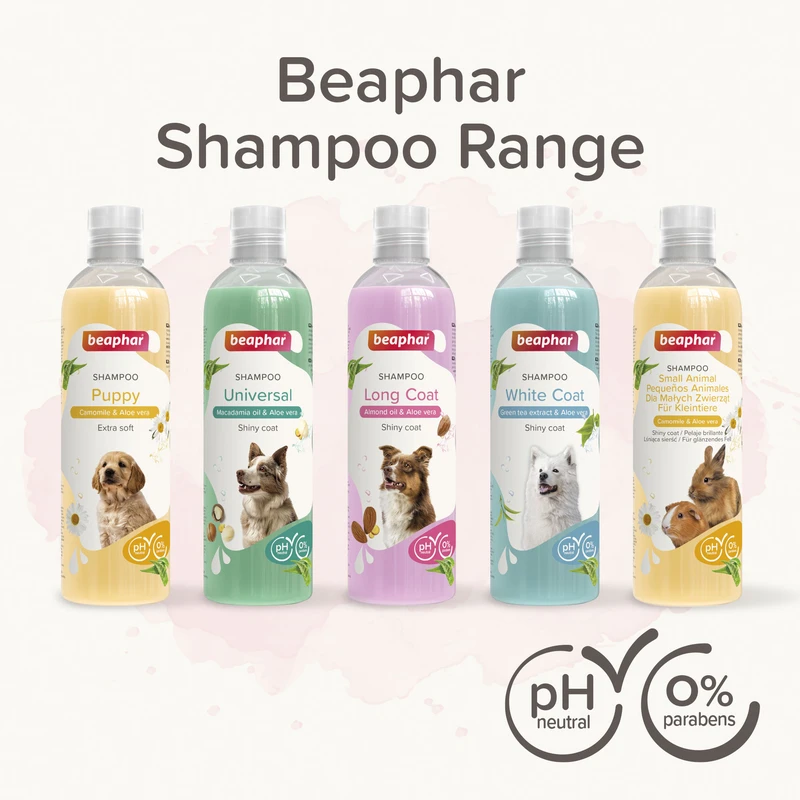
PawVerde.com – Conventional pet shampoos frequently incorporate synthetic chemicals such as sulfates, formaldehyde-based preservatives, and artificial fragrances that have been linked to skin irritation, allergic reactions, and respiratory issues in pets. In contrast, natural pet shampoos utilize plant-derived ingredients like aloe vera, shea butter, and essential oils, which provide gentle cleansing and moisturizing benefits while minimizing chemical exposure. Brands like Shampoochie® exemplify this shift by offering sulfate-free, fragrance-free formulations aimed at pets with sensitive skin or allergies, emphasizing both health and environmental safety.
The chemical composition of pet shampoos directly influences pet skin health and environmental impact. Conventional shampoos typically rely on detergents such as sodium lauryl sulfate (SLS) and sodium laureth sulfate (SLES), which aggressively strip oils and can disrupt the skin barrier, leading to dryness and increased susceptibility to allergens. These shampoos often contain formaldehyde-releasing preservatives and synthetic fragrances, which are documented irritants that may provoke contact dermatitis and respiratory distress in sensitive animals. Conversely, natural pet shampoos favor plant-based surfactants and avoid harsh chemicals, instead incorporating moisturizing agents like aloe vera and shea butter to maintain skin hydration. Essential oils such as tea tree oil are included for their antimicrobial and insect-repellent properties, though their concentration must be carefully balanced to prevent potential toxicity or irritation.
Pet skin sensitivity varies widely, with many animals exhibiting allergic reactions to common shampoo additives found in conventional products. Studies in veterinary dermatology have noted increased incidences of contact dermatitis and pruritus linked to sulfates and artificial fragrance compounds. Natural shampoos reduce these risks by eliminating synthetic chemicals, offering hypoallergenic alternatives particularly beneficial for allergy-prone or sensitive pets. However, essential oils, while natural, require cautious use; tea tree oil, for instance, can cause adverse reactions if used in excessive concentrations or on compromised skin. Therefore, natural shampoos must balance efficacy with safety, often avoiding artificial insect repellents like permethrin in favor of gentle botanical extracts.
Environmental considerations also differentiate conventional and natural pet shampoos. Chemical residues from sulfates, formaldehyde releasers, and synthetic fragrances contribute to aquatic toxicity and bioaccumulation, posing risks to ecosystems when shampoo runoff enters waterways. Natural shampoos, especially those that are USDA organic certified, minimize environmental impact by utilizing biodegradable ingredients sourced from sustainable agriculture. The use of plant-based surfactants and moisturizers reduces chemical pollution, aligning with eco-conscious pet care trends. Moreover, organic certification entails rigorous standards ensuring that no synthetic pesticides or fertilizers are involved in ingredient cultivation, enhancing overall environmental safety.
Understanding the distinction between natural and organic pet shampoos requires attention to certification and ingredient sourcing. Natural shampoos generally avoid synthetic chemicals but may not undergo formal certification processes. Organic pet shampoos, in contrast, must meet USDA organic standards, verifying that at least 95% of ingredients are organically produced without synthetic additives or genetically modified organisms. This certification guarantees higher ingredient quality control and environmental stewardship. Consumers seeking the highest assurance of product purity and sustainability should prioritize USDA organic labeled products, which are subject to regular audits and testing.
Shampoochie® Natural Dog Soap exemplifies the natural pet shampoo category with a formulation free from sulfates, artificial fragrances, and chemical preservatives. Its ingredients include aloe vera for skin soothing, shea butter for moisturizing, and a precise blend of essential oils providing mild insect-repellent effects without harsh chemical irritants. The brand emphasizes environmentally responsible sourcing and packaging, appealing to pet owners who prioritize both animal health and ecological impact. User testimonials highlight improvements in pets’ skin condition, particularly in allergy-prone subjects, supporting the clinical rationale for natural formulations. Shampoochie® also addresses the need for transparency by listing all ingredients and adhering to strict quality controls.
The ongoing shift towards natural pet shampoos reflects growing awareness of chemical toxicity risks and environmental sustainability among pet owners. As research continues to elucidate the adverse effects of conventional shampoo ingredients on pet health, demand for plant-based, sulfate-free, and organic-certified products is anticipated to rise. Manufacturers are increasingly investing in formulations that leverage botanical extracts and essential oils while maintaining safety profiles verified by veterinary dermatologists. Future developments may include enhanced natural insect repellents and synergistic moisturizing complexes to further support pet skin health without compromising environmental integrity.
Ingredient Composition: Conventional vs Natural Pet Shampoos
Conventional pet shampoos often contain detergents like sodium lauryl sulfate (SLS) and sodium laureth sulfate (SLES) that create rich lather but are known for their skin-stripping properties. These sulfates disrupt the lipid barrier of pet skin, causing dryness and making the skin more vulnerable to allergens and irritants. Additional chemicals such as formaldehyde-releasing preservatives are employed to extend shelf life but have been linked to allergic reactions and respiratory irritation in both pets and humans exposed during grooming. Artificial fragrances mask chemical odors but frequently act as sensitizers, triggering contact dermatitis.
Natural pet shampoos replace these harsh ingredients with plant-derived surfactants that cleanse without excessive stripping. Aloe vera and shea butter are common moisturizers included to replenish skin lipids and support barrier function. Essential oils, particularly tea tree oil, offer antimicrobial and insect-repellent properties, although their use requires precise formulation to avoid irritation or toxicity. Unlike synthetic fragrances, natural pet shampoos avoid artificial scents, relying on the subtle aroma of botanical extracts. This approach reduces the risk of allergic reactions and promotes healthier skin microbiomes.
Health Impacts on Pets: Skin Sensitivity and Allergies
Veterinary dermatology research has identified sulfates and formaldehyde-based preservatives in conventional shampoos as common culprits in contact dermatitis and allergic responses. Pets with pre-existing conditions such as atopic dermatitis or sensitive skin are especially prone to flare-ups triggered by these chemicals. Symptoms include redness, itching, hair loss, and secondary infections. Artificial fragrances further exacerbate these issues by acting as allergens.
Natural shampoos mitigate these risks by excluding synthetic irritants and incorporating soothing agents like aloe vera, which has anti-inflammatory properties, and shea butter, which restores moisture. For pets with allergies or sensitive skin, natural formulas minimize exposure to chemical triggers. Nonetheless, essential oils require cautious application—tea tree oil, while effective against parasites, can cause adverse reactions if overused or applied to broken skin. Pet owners should select natural shampoos with balanced essential oil concentrations and consult veterinarians when introducing new products.
Environmental and Safety Considerations
Chemical runoff from conventional pet shampoos contributes to environmental pollution, affecting aquatic life due to the persistence and toxicity of sulfates and synthetic preservatives. These compounds can bioaccumulate, disrupting ecosystems and water quality. In contrast, natural pet shampoos employ biodegradable ingredients that break down more readily, reducing ecological footprint. Brands focusing on sustainability also choose packaging materials with lower environmental impact.
USDA Organic certification further ensures that natural pet shampoos meet stringent environmental criteria, including sustainable farming practices free from synthetic pesticides and fertilizers. This certification supports soil health and biodiversity, reinforcing the environmental benefits of organic pet care products. Consumers increasingly value these attributes, driving market growth for eco-friendly pet shampoos.
Differentiating Natural and Organic Pet Shampoos
Natural pet shampoos avoid harsh synthetic chemicals but lack standardized certification, leading to variability in ingredient sourcing and quality. Organic pet shampoos certified by USDA must contain a minimum of 95% organic ingredients, excluding synthetic pesticides, fertilizers, and genetically modified materials. This certification guarantees stringent quality control, traceability, and adherence to environmental sustainability.
ingredient transparency distinguishes organic products; labels disclose sourcing and certifications, enabling informed consumer choices. Natural shampoos may rely on plant-based components but do not guarantee organic cultivation or manufacturing standards. For pet owners prioritizing purity and eco-consciousness, organic shampoos offer verified assurances that natural products alone may not provide.
Case Example: Shampoochie® Natural Dog Soap
Shampoochie® Natural Dog Soap exemplifies the natural pet shampoo movement with a formulation free from sulfates, artificial fragrances, and chemical preservatives. Key ingredients include aloe vera for soothing inflamed skin, shea butter for deep moisturizing, and essential oils selected for their antimicrobial and insect-repellent properties. The product avoids formaldehyde releasers and synthetic fragrances, reducing allergic risks.
User reports indicate improvements in skin texture and reduced itching, especially in dogs with sensitive or allergy-prone skin. Shampoochie® emphasizes sustainable sourcing and biodegradable packaging, aligning product benefits with environmental responsibility. This brand highlights the growing consumer demand for chemical-free, eco-friendly pet grooming solutions that prioritize both animal health and ecological stewardship.
FAQ
What are the main chemical risks associated with conventional pet shampoos?
Conventional pet shampoos commonly contain sulfates like sodium lauryl sulfate, formaldehyde-based preservatives, and artificial fragrances. These chemicals can disrupt the skin barrier, cause dryness, trigger allergic reactions such as contact dermatitis, and even provoke respiratory irritation in sensitive pets.
How do natural pet shampoos benefit pets with sensitive skin?
Natural pet shampoos use plant-based ingredients such as aloe vera and shea butter that soothe and moisturize the skin, reducing irritation. They avoid synthetic chemicals and artificial fragrances, lowering the risk of allergic reactions. However, essential oils included must be used carefully due to potential sensitivity.
Are all natural pet shampoos USDA organic certified?
No, natural pet shampoos are not necessarily USDA organic certified. Organic certification requires at least 95% organic ingredients and adherence to strict cultivation and manufacturing standards. Many natural shampoos do not undergo this certification, making organic products a higher standard for purity and environmental sustainability.
Can essential oils in pet shampoos be harmful?
Essential oils like tea tree oil provide antimicrobial and insect-repellent benefits but can cause irritation or toxicity if used at high concentrations or on damaged skin. Formulations must balance efficacy with safety, and pet owners should monitor for adverse reactions.
How do natural pet shampoos impact the environment compared to conventional ones?
Natural pet shampoos typically use biodegradable, plant-based ingredients that reduce water pollution and ecological toxicity. Conventional shampoos often contain persistent synthetic chemicals that can bioaccumulate and harm aquatic ecosystems. Organic certifications further ensure environmentally responsible ingredient sourcing and production.
The evolving landscape of pet grooming products reflects increasing prioritization of pet health and environmental sustainability. As awareness grows regarding the hazards posed by synthetic chemicals in conventional shampoos, natural and organic alternatives are positioned to dominate the market. Pet owners seeking to protect sensitive skin and reduce ecological impact should evaluate ingredient composition carefully and consider USDA organic-certified products when possible. Emerging research and product innovation will likely enhance the safety and efficacy of natural pet shampoos, providing more effective and environmentally sound options for pet care in the coming years.