
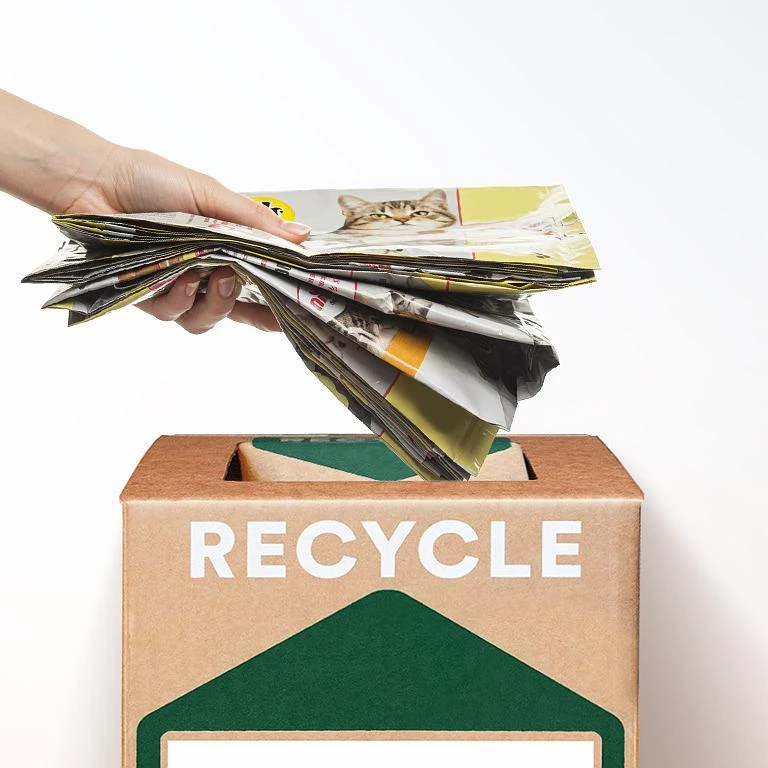
PawVerde.com – Properly recycling pet food packaging requires understanding the materials used, preparing packaging correctly, and utilizing available recycling programs. Many pet food bags are composed of flexible plastics such as #4 LDPE (low-density polyethylene), which can be recycled through specific drop-off points, while multilayer packaging with aluminum foil layers presents challenges due to limited recyclability. Brand-led initiatives like TerraCycle and programs by Steve’s Real Food and Wellness® offer tailored recycling solutions. Following local recycling guidelines and participating in zero waste initiatives further enhances responsible disposal and waste reduction in the pet food sector.
Understanding Pet Food Packaging Materials and Their Recyclability
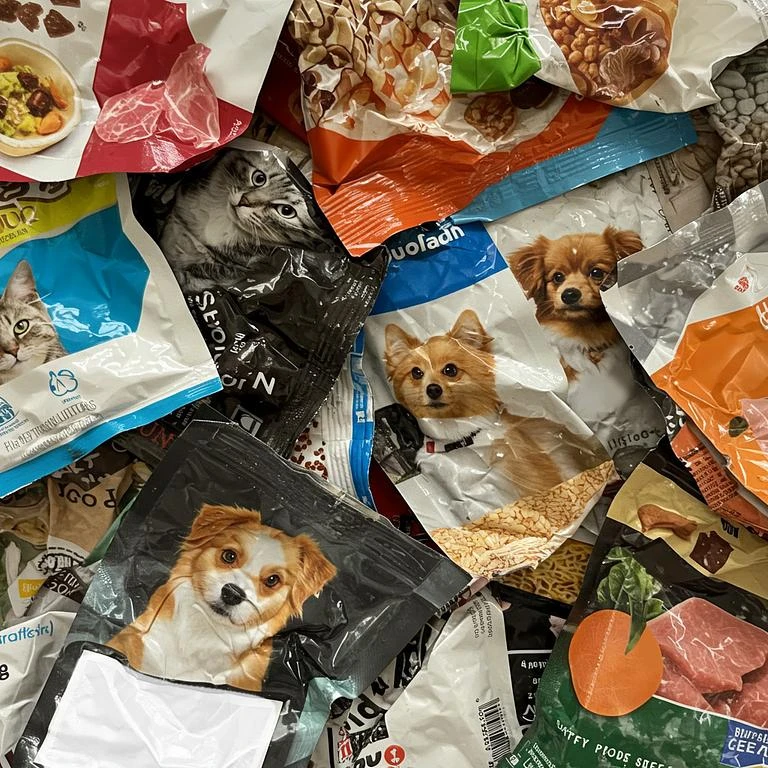
Pet food packaging primarily consists of flexible plastic films designed to protect product freshness and extend shelf life. The most common material is #4 LDPE plastic, known for its lightweight and flexible properties. This material is widely accepted at flexible plastic drop-off bins located at grocery and retail stores, making it one of the more recyclable pet food packaging materials.
However, many pet food brands incorporate multilayer packaging combining plastic with aluminum foil to create moisture and oxygen barriers. These multilayer bags, while effective for preservation, are generally not recyclable in municipal programs due to the difficulty of separating layers during processing. This type of packaging often lacks a straightforward recycling pathway, leading to disposal in landfill or incineration.
To address these challenges, packaging manufacturers and pet food companies are innovating with monomaterial designs—packaging made from a single type of recyclable plastic. Brands like Steve’s Real Food and Wellness® have introduced monomaterial pouches that simplify recycling and increase recovery rates. Monomaterial packaging aligns with the APR Design Guide principles and leverages testing protocols such as PET-CG-01 and PET-EE-02 to ensure recyclability compliance.
Step-by-Step Guide to Preparing Pet Food Packaging for Recycling
Proper preparation of pet food packaging is crucial to ensure it enters the recycling stream without contamination. Follow these steps to prepare your packaging correctly:
Time estimate: These steps typically take 2-3 minutes per package, but thorough cleaning is essential for recycling success.
Using Store Drop-Off Bins and Brand-Specific Recycling Programs
Many grocery and retail stores participate in flexible plastic recycling programs, accepting #4 LDPE bags and pouches through dedicated drop-off bins. Pet owners should locate these bins at stores such as Pet Supplies Plus or Wag N’ Wash, which often collaborate with recycling organizations.
For packaging that cannot be recycled locally, TerraCycle offers free drop-off programs specifically for pet food packaging. TerraCycle’s Zero Waste Box program collects flexible plastics, including multilayer pouches, and processes them into new products, closing the recycling loop. Brands like Steve’s Real Food and Wellness® partner with TerraCycle to provide consumers with branded recycling options, increasing convenience and participation rates.
When using these programs:
These programs significantly reduce landfill waste and promote circular economy principles within the pet food packaging sector.
Local Recycling Infrastructure and Guidelines
Recycling capabilities vary widely depending on regional infrastructure and regulations. In the UK, the On-Pack Recycling Label (OPRL) system helps consumers identify packaging recyclability, with specific symbols clarifying whether LDPE or PET materials are recyclable locally.
Platforms such as Recycle Check enable pet owners to verify which pet food packaging materials are accepted in their municipality. The Pet Sustainability Coalition and CEFLEX project also provide resources and advocacy for improving local recycling infrastructure and standardizing recycling protocols for flexible plastic packaging.
When assessing local recycling options, consider:
Understanding these variables helps pet owners select the best disposal method and avoid contaminating recycling streams.
Innovations and Future Trends in Sustainable Pet Food Packaging
The pet food industry is advancing toward sustainable packaging solutions to reduce environmental impact. Key trends include:
These efforts aim to increase circularity, reduce landfill reliance, and make pet food packaging more environmentally responsible.
Troubleshooting Common Issues in Recycling Pet Food Packaging
Despite best efforts, some pet owners encounter obstacles when recycling pet food packaging. Common issues and solutions include:
Adhering to preparation and disposal best practices minimizes rejection and maximizes recycling effectiveness.
Common Mistakes to Avoid When Recycling Pet Food Packaging
Pet owners should avoid these mistakes to ensure proper recycling:
Awareness of these pitfalls improves recycling outcomes and supports sustainability goals.
Alternative Disposal and Reuse Methods
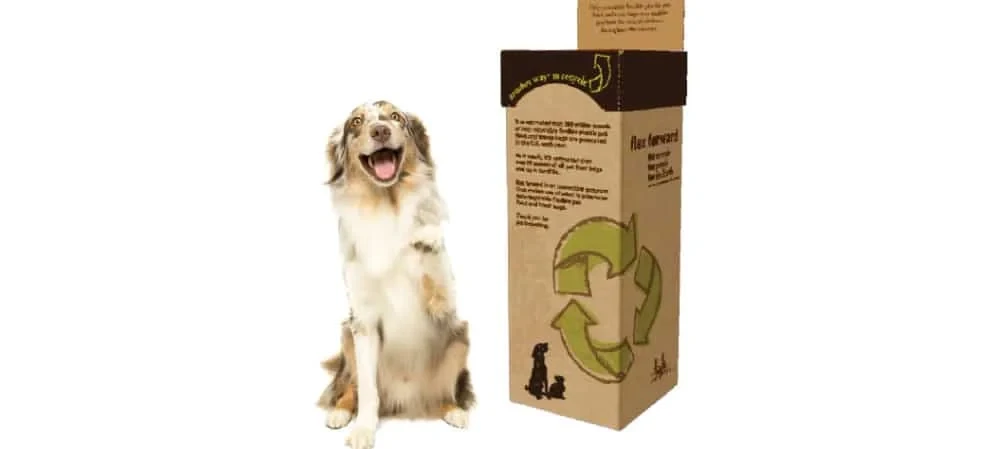
When recycling is not available, consider these alternatives:
These alternatives contribute to reducing environmental impact beyond recycling alone.
Frequently Asked Questions About Recycling Pet Food Packaging
Can I recycle all pet food bags in my curbside bin?
Most curbside programs do not accept flexible plastic bags like #4 LDPE due to sorting limitations. Instead, use designated flexible plastic drop-off bins at stores or brand-specific recycling programs such as TerraCycle.
How do I know if my pet food packaging is recyclable?
Check for recycling symbols like #4 LDPE or PET resin codes on the packaging and refer to local recycling guidelines or platforms such as Recycle Check. Packaging with multilayer films or aluminum layers is often non-recyclable locally.
What should I do if my local area does not accept flexible plastic recycling?
Participate in TerraCycle’s free pet food packaging recycling programs or use brand-specific drop-offs provided by companies like Wellness® or Steve’s Real Food. These programs collect and process packaging that local facilities cannot handle.
Why is it important to clean and dry pet food packaging before recycling?
Residual food and moisture contaminate recycling streams, causing materials to be rejected or downgraded, which impedes recycling efficiency and increases landfill waste.
Are monomaterial pet food bags better for the environment?
Yes, monomaterial packaging is easier to recycle because it consists of a single plastic type, reducing sorting complexity and increasing recycling rates compared to multilayer composites.
—
Pet owners seeking to recycle pet food packaging effectively should prioritize cleaning and drying bags, identify recyclable materials, and leverage store drop-offs and TerraCycle programs. Staying informed about local recycling infrastructures and supporting sustainable packaging innovations will further contribute to reducing plastic waste in the pet food industry. Continued participation and advocacy for improved recycling systems are critical next steps for responsible pet food packaging disposal.