

PawVerde.com – An eco-friendly pet cleaning routine prioritizes biodegradable shampoos, reusable grooming tools like bamboo brushes, and natural cleaning products to minimize environmental impact while ensuring pet health. This tutorial outlines actionable steps to establish a sustainable grooming and cleaning regimen, covering pet bathing, bedding care, stain removal, and odor control using non-toxic ingredients and waste-reducing practices. By integrating certified organic and cruelty-free products, conserving water, and adopting proper disposal methods, pet owners can protect their animals and contribute to environmental sustainability.
Step 1: Minimizing Waste and Selecting Sustainable Pet Cleaning Products
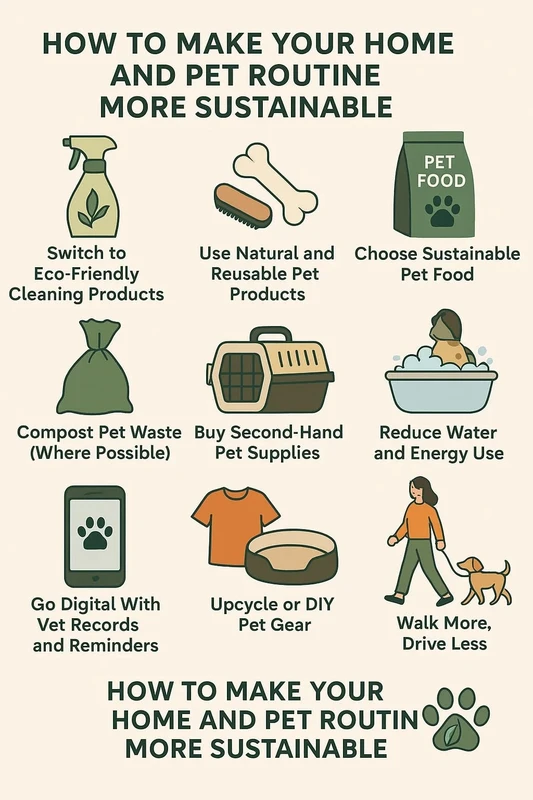
Choosing eco-friendly pet cleaning products begins with avoiding single-use disposables and plastic-packaged items. Opt for grooming tools crafted from sustainable materials such as bamboo brushes or combs made of recycled stainless steel, which reduce plastic waste and offer durability. Biodegradable pet shampoos certified organic by USDA or bearing cruelty-free labels ensure transparency and safety. Avoid shampoos containing sulfates, parabens, synthetic fragrances, or undisclosed chemicals, which can harm pets and ecosystems.
To identify genuine eco-friendly products, scrutinize ingredient lists and certifications. Products like Seventh Generation natural detergents and Kids ‘N’ Pets enzyme-based stain removers exemplify transparency and effectiveness. Beware of greenwashing tactics, where vague claims like “natural” or “eco-friendly” lack substantiation. Prioritize brands with clear labeling and third-party verification to align with sustainable pet care goals.
Step 2: Sustainable Grooming Techniques for Your Pet
Bathing frequency significantly influences environmental impact. Veterinarians recommend bathing pets every two to four weeks unless medically necessary, reducing water and energy use. When bathing, use natural shampoos containing ingredients like oatmeal, aloe vera, or castile soap, which soothe skin without harsh chemicals. Avoid over-bathing to maintain natural oils essential for pet coat health.
Nail trimming should employ sustainable grooming scissors made from recycled materials or bamboo handles. These tools maintain sharpness while minimizing ecological footprint. For ear and eye care, use natural products like EcoEars, formulated with plant-based ingredients that prevent irritation and infections without chemical residues.
Regular brushing with bamboo or recycled metal brushes reduces shedding and controls odors naturally, decreasing reliance on deodorizing sprays containing synthetic compounds. This routine also minimizes pet dander accumulation, improving indoor air quality for household members.
Step 3: Cleaning Pet Bedding and Toys Naturally
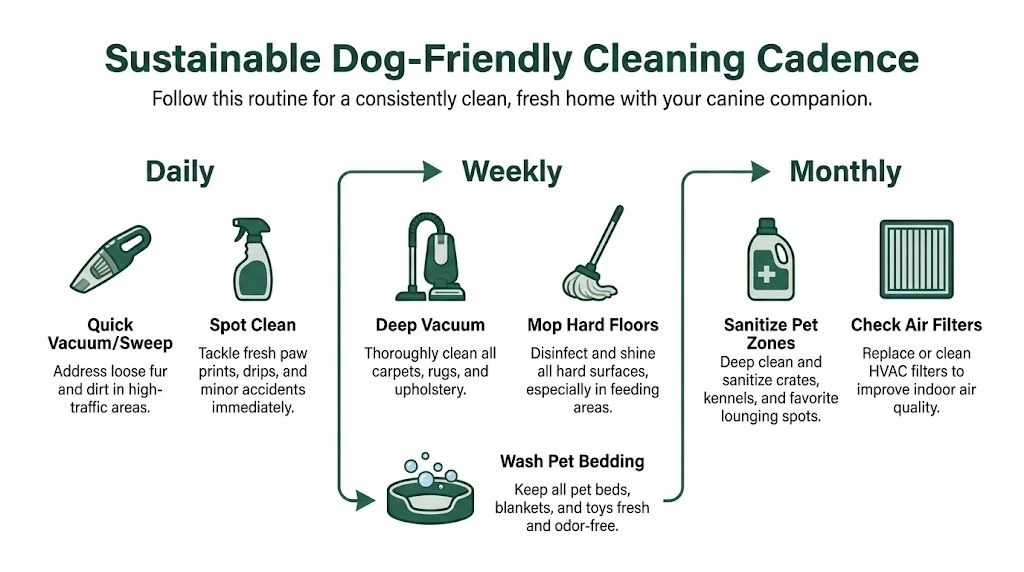
Maintaining clean pet bedding is crucial for hygiene and odor control. Begin by removing hair and dander using lint rollers or vacuum cleaners with HEPA filters to capture allergens effectively. Wash bedding in cold or warm water with unscented, eco-friendly detergents like Seventh Generation’s natural formula. Adding a white vinegar rinse neutralizes odors and softens fabrics without synthetic fabric softeners.
For non-washable items such as certain toys or cushions, sprinkling baking soda absorbs odors. Let items sit for 15-30 minutes before vacuuming thoroughly. Wash pet toys regularly using pet-safe detergents to avoid chemical residues that could harm pets upon chewing or licking. Choosing toys made from natural or recycled materials further supports sustainability.
Step 4: Managing Stains and Odors with Natural Solutions
Pet stains and odors require targeted treatments that avoid toxic chemicals. Enzyme-based stain removers like Kids ‘N’ Pets break down organic matter effectively without harsh solvents. For homemade cleaners, combine baking soda, hydrogen peroxide, and castile soap to create a powerful stain remover safe for pets and fabrics. Apply this mixture on stains, let it sit for 10-15 minutes, then blot with a clean cloth.
Odor neutralization can be achieved using diluted vinegar sprays or natural deodorizing sprays infused with essential oils such as lavender or eucalyptus, which also have antimicrobial properties. Avoid synthetic fragrances that can trigger allergies or respiratory issues in pets. Regular cleaning of areas prone to accidents reduces buildup and maintains a fresh environment.
Step 5: Maintaining an Eco-Friendly Home Environment for Pet Care
Ensuring a sustainable pet cleaning routine extends to the home environment. Proper ventilation during cleaning minimizes inhalation of any residual odors or airborne particles. Store all cleaning products securely and out of pets’ reach to prevent accidental ingestion.
Composting organic pet waste, such as hair or untreated bedding materials, reduces landfill contributions. Recycle or donate old pet supplies whenever possible to extend product life cycles. Supporting green businesses that utilize bulk packaging or refill stations helps lower plastic consumption and packaging waste.
Installing water-efficient shower heads for pet baths can further reduce water usage without compromising cleanliness. Combining these practices cultivates an eco-conscious lifestyle that benefits pets, owners, and the planet.
Troubleshooting Common Issues in Eco-Friendly Pet Cleaning
- Solution: Increase frequency of washing pet bedding and toys; use enzyme-based cleaners to break down odor-causing residues thoroughly. Ensure proper drying to prevent mold growth.
- Solution: Test a small patch of skin before full bath; select hypoallergenic formulas free from essential oils that may cause sensitivity; consult veterinarian if irritation persists.
- Solution: Apply DIY enzyme-based cleaner multiple times with blotting; avoid scrubbing which can embed stains deeper; consider professional eco-friendly upholstery cleaning if necessary.
- Solution: Maintain tools by cleaning after use and drying completely; replace when bristles or handles degrade; purchase high-quality bamboo products certified for durability.
Alternative Methods for Eco-Friendly Pet Cleaning
FAQ
How often should I bathe my pet using natural shampoos?
Bathing every two to four weeks is generally sufficient for most pets, balancing cleanliness and skin health while conserving water and energy. Over-bathing can strip natural oils, so adjust frequency based on your pet’s coat type and activity level.
Are biodegradable pet shampoos as effective as conventional ones?
Yes, biodegradable shampoos with plant-based ingredients effectively clean without harsh chemicals. They maintain pet skin integrity and reduce environmental harm, though choosing certified organic and cruelty-free brands ensures quality.
Can I use household vinegar and baking soda directly on pet stains?
Diluted vinegar and baking soda can safely neutralize odors and clean minor stains. However, for heavy or protein-based stains, enzyme-based removers like Kids ‘N’ Pets provide more thorough cleaning without harming fabrics or pets.
What grooming tools are best for eco-conscious pet owners?
Tools made from bamboo, recycled stainless steel, or other sustainable materials are durable and reduce plastic waste. Bamboo brushes and combs also have natural antimicrobial properties, enhancing hygiene.
How can I reduce plastic waste in my pet cleaning routine?
Purchase products in bulk or refillable containers, choose packaging made from recycled materials, and reuse or recycle grooming tools and containers. Supporting companies with green business practices helps minimize plastic pollution.
Adopting a comprehensive eco-friendly pet cleaning routine offers measurable benefits in health, cost savings, and environmental impact. By integrating certified natural products, sustainable grooming tools, and mindful cleaning practices, pet owners create a safer, greener home. Continuing to explore innovative green pet care solutions and supporting eco-conscious brands will further advance sustainable pet lifestyles in the years ahead.