
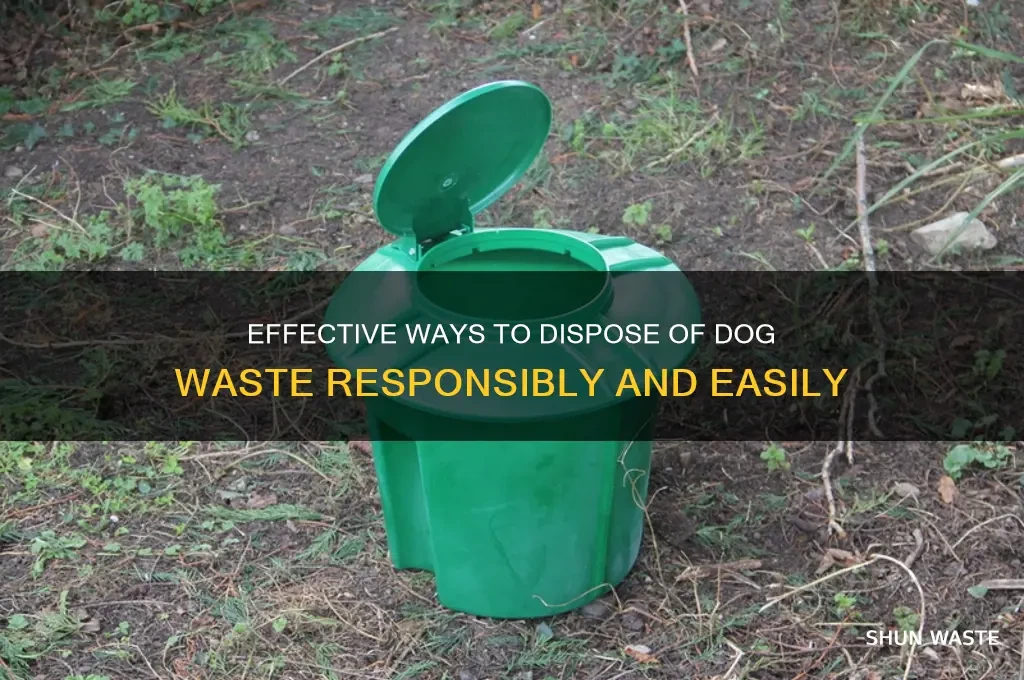
PawVerde.com – Pet owners face increasing responsibility to manage pet waste in ways that protect public health and the environment. Improper disposal of dog poop and cat litter contributes to plastic pollution, water contamination, and public nuisance complaints. This tutorial provides detailed, actionable steps for disposing of pet waste responsibly, integrating municipal ordinance compliance, eco-friendly product recommendations, and composting methods designed to mitigate environmental impact.
Following these guidelines will help pet owners minimize pollution risks, adhere to local laws, and support sustainable pet care practices.
1. Understanding Pet Waste Disposal Responsibilities
Pet waste contains pathogens and nutrients that can harm ecosystems and human health if not handled properly. Dog feces can introduce bacteria such as E. coli and parasites into soil and waterways, contributing to stormwater pollution. Cat litter, often made from clay or silica, adds to landfill volume and may contain chemicals harmful to the environment. Municipalities such as New York City and Sacramento County mandate pet owners to clean up after their animals with enforceable fines.
Responsible disposal requires immediate waste collection, secure containment, and safe final disposal. Pet owners should be aware of local laws that often require carrying waste bags when walking pets and prohibit leaving waste in public spaces or natural areas.
2. Complying with Legal and Community Requirements
Municipal ordinances typically mandate that pet owners clean up waste in public areas and dispose of it in designated receptacles or household trash. For example, NYC’s Department of Sanitation requires dog owners to carry waste bags and clean up immediately, with fines exceeding $250 for non-compliance. Sacramento County similarly enforces pet waste laws to protect water quality.
Community education programs often promote awareness through signage, workshops, and pet owner outreach. Reporting violations to local authorities helps maintain compliance and public health. Pet owners should familiarize themselves with specific local regulations, including restrictions on flushing pet waste or disposing of it in storm drains.
3. Step-by-Step Guide to Disposing of Dog Waste Safely
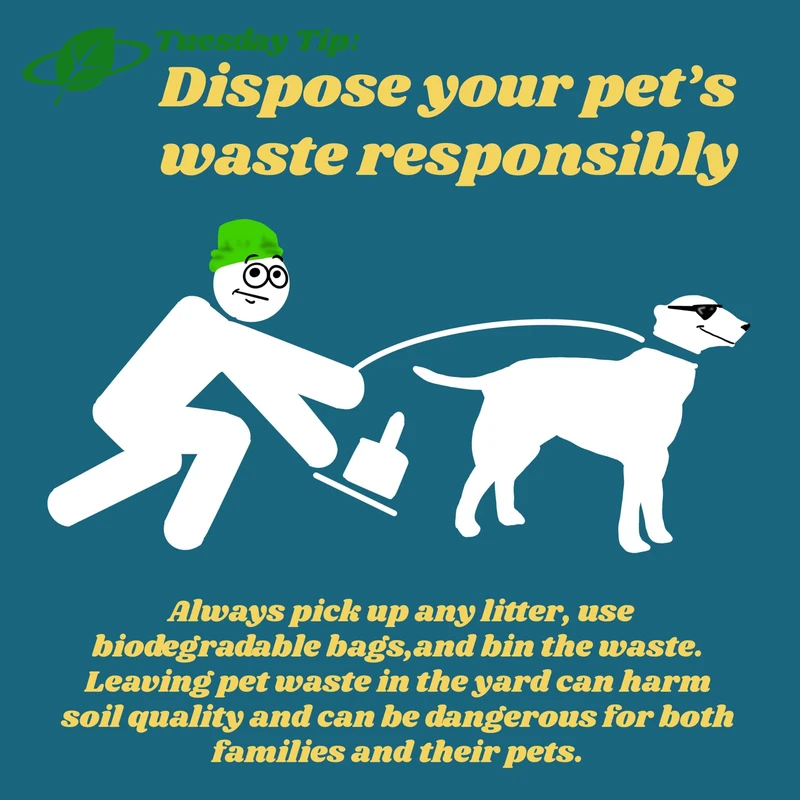
Proper dog waste disposal involves secure collection, containment, and disposal to prevent environmental contamination and pathogen spread.
Time estimate: This process takes approximately 1-2 minutes per incident but significantly reduces health risks and environmental harm.
4. Eco-Friendly Options for Cat Waste Disposal
Cat waste requires different management due to litter materials and the presence of cat urine, which can produce strong odors.
These measures reduce landfill volume and plastic pollution while maintaining hygienic conditions indoors.
5. Composting Pet Waste: Guidelines and Precautions
Composting dog waste is possible but requires careful management to neutralize pathogens and prevent environmental contamination.
composting pet waste can reduce landfill burden and create useful soil amendments but demands strict adherence to safety protocols.
6. Environmental Impact Considerations and Data
pet waste management significantly influences plastic pollution and water quality.
Municipal programs that encourage responsible disposal have demonstrated effectiveness in improving community health and reducing litter.
7. Engaging Communities and Utilizing Professional Services
Community involvement enhances compliance and environmental outcomes.
Combining individual responsibility with community support creates sustainable pet waste management systems.
Troubleshooting Common Issues
Solution: Use thicker, double-layer biodegradable bags and double-wrap to contain liquids and odors.
Solution: Ensure proper carbon-to-nitrogen ratio by adding sawdust or straw, maintain adequate aeration, and monitor moisture levels.
Solution: Adhere strictly to bagging and trash disposal methods and seek municipal pet waste bins when available.
Solution: Increase frequency of litter changes, clean boxes with natural deodorizers, and consider litter additives designed to neutralize ammonia.
Common Mistakes to Avoid in Pet Waste Management
Alternative Methods for Pet Waste Disposal
Each method has benefits and limitations depending on local infrastructure and pet owner preferences.
FAQ
What is the safest way to dispose of dog poop?
The safest method is to scoop pet waste promptly, double-bag it using biodegradable bags, and place it in household trash or designated municipal pet waste bins. Avoid flushing unless your septic system and local regulations allow.
Can I compost cat litter at home?
Composting cat litter is generally not recommended at home due to the risk of toxoplasmosis parasites and chemical additives. Use biodegradable litter and dispose of it in trash unless a specialized municipal composting program accepts it.
Are biodegradable pet waste bags truly environmentally friendly?
Biodegradable bags break down faster than conventional plastic bags but require proper composting or industrial facilities. Using these bags reduces plastic pollution but should be combined with responsible disposal practices.
How do local laws affect pet waste disposal?
Local ordinances often require pet owners to clean up waste in public spaces and dispose of it properly, with fines for non-compliance. Regulations may also restrict flushing or composting pet waste, so it is important to check municipal rules.
What products help reduce the environmental impact of cat litter?
Biodegradable litters made from wood pellets, corn, wheat, or paper, paired with compostable liners like Petmate and PetFusion products, reduce landfill waste. Natural cleaning agents further support sustainable maintenance.
—
Responsible pet waste management is evolving with new municipal policies, eco-friendly products, and community programs. Pet owners should stay informed of local regulations, adopt best practices like double-bagging and proper composting, and support sustainable pet care innovations. These combined efforts will reduce environmental contamination, enhance public health, and foster more responsible pet ownership in communities worldwide.