
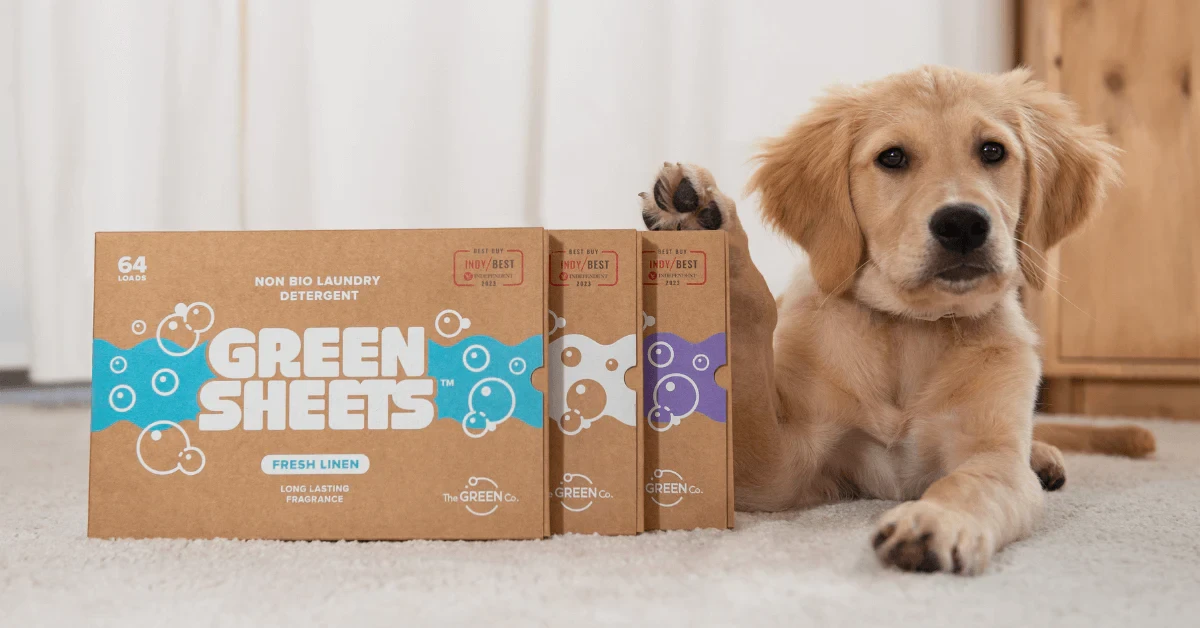
PawVerde.com – Eco-friendly cleaning supplies tailored for pet owners combine non-toxic, plant-based ingredients with certified cruelty-free and biodegradable products to ensure effective household hygiene without compromising pet health. Avoiding harmful chemicals such as ammonia, chlorine, bleach, phthalates, and triethanolamine is critical to prevent toxic exposure to pets sensitive to these substances. This tutorial provides detailed guidance on selecting, preparing, and using pet-safe cleaning products, with practical recipes, brand recommendations, and sustainable practices for maintaining a clean, safe environment for pets and their owners.
Key Harmful Chemicals to Avoid in Pet Cleaning Products
Understanding which chemicals pose risks to pets is essential for selecting safe cleaning supplies. Ammonia, commonly found in window and floor cleaners, irritates pet respiratory systems and can cause vomiting or burns. Chlorine and bleach, often used as disinfectants, release toxic fumes dangerous to pets, particularly cats. Phthalates, present in fragranced products, disrupt endocrine functions and may trigger allergies. Triethanolamine, used as a surfactant, can cause skin irritation and long-term health effects. Avoiding these chemicals reduces the risk of pet poisoning and environmental contamination within the home.
Recommended Eco-Friendly Cleaning Ingredients and Products
Plant-based ingredients such as distilled vinegar, baking soda, and castile soap form the foundation of pet-safe cleaning. Vinegar acts as an effective natural disinfectant and deodorizer. Baking soda neutralizes odors and gently lifts dirt without harsh abrasives. Castile soap, derived from vegetable oils, cleans surfaces without synthetic detergents or petrochemicals. Certified cruelty-free brands like Mrs. Meyer’s Clean Day utilize plant-based formulations free from animal testing, while Earthbath and Art of Green specialize in biodegradable pet grooming and cleaning products. Simple Green and Biokleen Bac-Out offer enzymatic cleaners targeting organic stains and odors safely around pets.
DIY Cleaning Solutions Safe for Pets
Creating homemade pet-safe cleaners ensures control over ingredients and minimizes exposure to toxic residues. Below are step-by-step recipes with application tips tailored for pet households:
- Ingredients: 1 cup distilled white vinegar, 1 cup water
- Instructions: Mix vinegar and water in a spray bottle. Shake gently before use.
- Application: Spray on tile, hardwood floors, and countertops; wipe with a microfiber cloth. Avoid use on natural stone surfaces, which vinegar can etch.
- Time Estimate: 5 minutes preparation; effective cleaning with immediate use.
- Ingredients: Baking soda powder
- Instructions: Sprinkle baking soda on pet bedding, carpets, or upholstery. Let sit for 15–30 minutes, then vacuum thoroughly.
- Application: Controls pet odors naturally without chemical fragrances.
- Time Estimate: 10 minutes application, plus vacuum time.
- Ingredients: 1 tablespoon hydrogen peroxide (3%), 1 teaspoon castile soap, 1 tablespoon baking soda
- Instructions: Combine ingredients to form a paste. Apply to stains on carpets or upholstery. Let sit for 5–10 minutes, then blot with a damp cloth.
- Application: Targets organic pet stains without harsh chemicals.
- Time Estimate: 10 minutes active treatment, followed by drying time.
Ensure all homemade solutions are tested on a small inconspicuous area before widespread use to confirm surface compatibility and pet tolerance.
Specialized Pet Cleaning Supplies
Pet-specific cleaning products facilitate hygiene while prioritizing animal safety:
Using reusable microfiber cloths minimizes waste while providing efficient dirt and hair removal from pet areas.
Sustainable Cleaning Practices for Pet Owners
Implementing green cleaning routines reduces environmental impact and enhances pet health:
These practices combine to create a sustainable, hygienic living space that supports pet welfare.
Choosing and Evaluating Eco-Friendly Pet Cleaning Brands
When selecting commercial products, verify the following:
Evaluating product reviews and veterinary recommendations enhances confidence in choices.
Troubleshooting Common Issues in Pet-Safe Cleaning
Adjust cleaning frequency and product concentration based on pet activity levels and household conditions.
Common Mistakes and How to Avoid Them
Avoidance of these errors ensures effective, safe cleaning practices.
Alternative Methods for Pet-Safe Cleaning
Incorporating these alternatives can enhance environmental safety and pet comfort.
Frequently Asked Questions
What are the safest natural ingredients to use around pets for cleaning?
Natural ingredients such as distilled white vinegar, baking soda, and castile soap are safe and effective for cleaning around pets when used properly. They avoid toxic chemical exposure and reduce allergic reactions.
Can essential oils be used in pet-safe cleaning products?
Many essential oils are toxic to pets, especially cats. It is advisable to avoid essential oils in cleaning products used around pets unless specifically formulated and tested for pet safety.
How often should I clean my pet’s bedding to maintain hygiene?
Pet bedding should be washed weekly using pet-safe detergents or homemade cleaners to reduce allergens, odors, and bacterial buildup.
Are enzymatic cleaners better for pet stains than regular cleaners?
Yes, enzymatic cleaners break down organic stains and odors at the molecular level, providing superior stain removal and odor neutralization without harmful chemicals.
Where can I buy certified cruelty-free and biodegradable pet cleaning products?
Certified products are widely available online through specialty pet retailers, eco-friendly marketplaces, and major stores stocking natural home care brands such as Mrs. Meyer’s Clean Day and Earthbath.
—
This tutorial equips pet owners with comprehensive, actionable steps to adopt eco-friendly cleaning practices that safeguard pet health and promote sustainable home environments. Emphasizing ingredient knowledge, DIY recipes, specialized supplies, and sustainable habits empowers users to maintain hygiene responsibly while minimizing ecological footprints.