
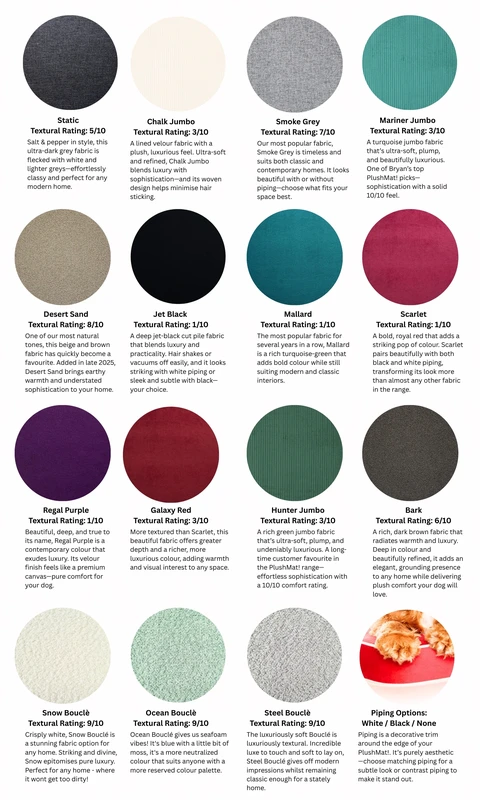
PawVerde.com – Pet spaces demand a precise balance of aesthetics, durability, and safety to meet both pet comfort and owner convenience. Selecting optimal colors and materials for feeding stations, beds, furniture, and enclosures requires integrating pet behavior insights, material science, and interior design principles. Durable, easy-to-clean materials such as microfiber, faux leather, and HDPE sheets with antimicrobial properties are increasingly favored for their longevity and hygiene. Simultaneously, color strategies that stimulate pets visually or camouflage hair and stains enhance both pet experience and household maintenance.
Bold, contrasting colors like blue and yellow are recommended for dog feeding areas to stimulate attention and appetite, while blue and green hues are more effective for cats, according to design experts. Soothing neutrals, mid-tone grays, taupes, and earth tones dominate pet resting zones to create calming environments and mask pet hair accumulation. Patterned fabrics and textured surfaces further assist in reducing visible stains and shedding, offering a practical aesthetic solution. These color choices align with research on pet vision and human maintenance preferences.
Upholstery fabrics specifically engineered for pet households combine durability with ease of cleaning. Microfiber and Crypton fabrics stand out for their stain resistance, abrasion durability, and moisture repellency, making them ideal for high-traffic pet furniture. Sunbrella performance fabrics extend these benefits outdoors, offering UV resistance and odor repellency crucial for patios and enclosures. Faux leather and genuine leather provide smooth, non-porous surfaces that resist fur adherence and simplify cleaning, though leather requires proper conditioning to prevent wear. HDPE sheets, such as those produced by TimberLine, MediGrade, and Marine Board, are favored for pet enclosures and veterinary furniture due to their antimicrobial properties, UV resistance, and moisture impermeability.
Material safety is paramount in pet spaces. Non-toxic paints from ECOS Paints and RMP Finishes ensure no harmful volatile organic compounds (VOCs) compromise pet health. ECOS Paints’ zero-VOC formulations meet stringent environmental and health standards, reducing risks associated with traditional paints. Antimicrobial HDPE grades provide an additional layer of hygiene, preventing bacterial growth in damp environments common in pet areas. Selecting finishes and fabrics certified free from toxic chemicals or allergens safeguards sensitive pets and promotes indoor air quality.
Maintaining pet-friendly spaces requires practical strategies beyond initial material choice. Slipcovers made from washable fabrics allow easy removal and cleaning, extending furniture lifespan. Routine cleaning with pet-safe fabric protectors preserves stain resistance and fabric integrity. Furniture incorporating scratch-resistant materials such as tightly woven synthetic fibers withstands wear from claws and teeth. Accessories designed with durability, such as elevated feeding stations and washable pet beds, complement these efforts by minimizing mess and wear.
Innovations in pet space design emphasize multifunctionality and material advancements. Furniture integrating pet comfort features—such as built-in feeding stations or cozy resting nooks—streamline household organization. Emerging performance fabrics combine antimicrobial action, stain resistance, and UV protection with sustainable manufacturing processes. Pattern and texture variations not only enhance visual appeal but also increase fabric longevity by masking wear and tear, aligning with evolving pet owner preferences for stylish yet practical interiors.
| Material | Key Features | Best Applications | Cleaning & Maintenance | Pet Safety |
|---|---|---|---|---|
| Microfiber | Stain-resistant, durable, moisture-repellent | Upholstery, slipcovers | Spot clean, washable slipcovers recommended | Non-toxic, hypoallergenic options available |
| Crypton Fabric | Antimicrobial, stain-resistant, durable | Pet beds, furniture upholstery | Wipe clean, machine washable options | Certified safe, antimicrobial properties |
| Sunbrella | UV-resistant, moisture repellent, odor resistant | Outdoor pet furniture, enclosures | Hose off, mild detergent wash | Non-toxic, designed for outdoor use |
| Leather / Faux Leather | Easy to clean, fur resistant, durable | Indoor furniture, pet beds | Wipe with damp cloth, condition leather | Non-toxic finishes, avoid harmful dyes |
| HDPE Sheets | Antimicrobial, UV resistant, moisture proof | Pet enclosures, veterinary surfaces | Washable with mild detergent | Non-toxic, antimicrobial grades available |
The table above compares common materials used in pet spaces, highlighting their features, maintenance needs, and safety profiles to guide informed selections.
Color Recommendations for Pet Areas
Scientific insights into pet vision reveal that dogs perceive blue and yellow hues more vividly, suggesting feeding stations painted in bold blue and yellow combinations can increase engagement and appetite. Cats, with their sensitivity to blue and green wavelengths, respond positively to feeding areas using these color contrasts. Beyond stimulation, these bright colors help delineate pet zones within human living spaces, reducing confusion and mess.
For resting areas, designers recommend muted palettes—mid-tone grays, taupes, and earth tones—to foster relaxation and reduce visible pet hair. These shades harmonize with common pet fur colors, camouflaging shedding and stains. Incorporating patterns such as subtle geometrics or textures further obscures wear signs and enhances furniture longevity. Utilizing these color strategies supports both pet wellbeing and aesthetic coherence within the home.
Material Choices for Pet Furniture and Enclosures
Microfiber’s tightly woven synthetic fibers deliver exceptional resistance to claws and spills, making it a mainstay in pet-friendly upholstery. Its low absorbency and stain resistance simplify cleaning, reducing the need for harsh chemicals. Crypton fabric advances this functionality with proprietary treatments that inhibit bacteria and mold growth, offering antimicrobial protection vital in damp or humid environments.
Sunbrella fabrics extend pet-friendly performance outdoors, with resistance to UV fading, mildew, and moisture. Their odor-repellent properties maintain freshness in outdoor pet lounges or enclosures. Leather and faux leather provide sleek surfaces that do not trap pet dander or hair, facilitating quick cleaning. However, genuine leather requires conditioning to avoid cracking from pet activity.
HDPE sheets offer unmatched resilience for enclosures and surfaces exposed to moisture, claws, and chemical cleaners. Their antimicrobial grades actively reduce microbial contamination, making them standard in veterinary clinics and advanced pet housing. UV resistance ensures material stability in sun-exposed areas. Brands like TimberLine and MediGrade provide specialized HDPE products tailored to pet care environments.
Ensuring Safety: Non-Toxic and Antimicrobial Material Options
The health implications of material choices in pet spaces cannot be overstated. ECOS Paints and RMP Finishes lead in producing zero-VOC, non-toxic paints that meet global safety standards. Such formulations eliminate risks of respiratory irritation or long-term toxicity for pets and humans alike. Selecting paints certified by independent agencies adds confidence in safety claims.
Antimicrobial HDPE grades inhibit bacteria and fungi, crucial for spaces prone to moisture and organic waste. These materials reduce odor buildup and infection risk, enhancing sanitary conditions. Fabrics treated with antimicrobial agents, such as Crypton, complement these surfaces by maintaining hygiene on upholstery and bedding. Avoiding materials with heavy metals, formaldehyde, or hazardous dyes is essential to prevent chronic health issues in pets.
Practical Tips for Maintaining Pet-Friendly Spaces
Incorporating washable slipcovers on sofas and pet beds allows easy removal of hair and stains, extending furniture life. Fabric protectors designed for pet use enhance resistance to spills and soiling without compromising breathability. Regular vacuuming and spot cleaning preserve fabric appearance and hygiene.
Selecting furniture with scratch-resistant synthetic fibers or reinforced edges mitigates damage from claws and teeth. Elevated feeding stations with removable trays reduce floor mess and simplify cleaning. Investing in pet beds with removable, machine-washable covers helps maintain freshness and reduces allergen buildup. These practical steps synergize with material choices to create sustainable pet-friendly environments.
Emerging Trends and Innovations in Pet Space Design
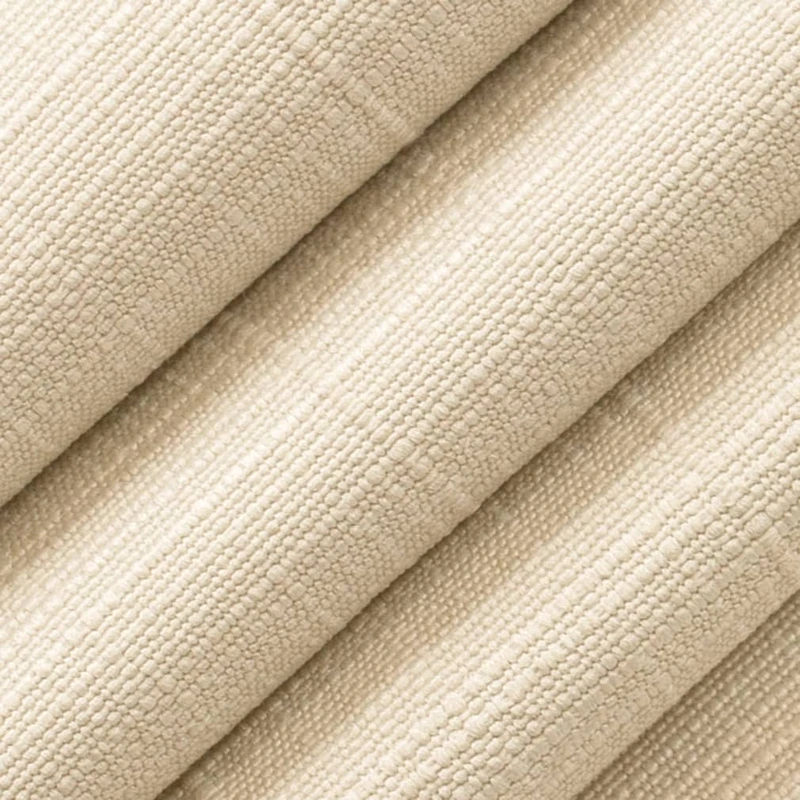
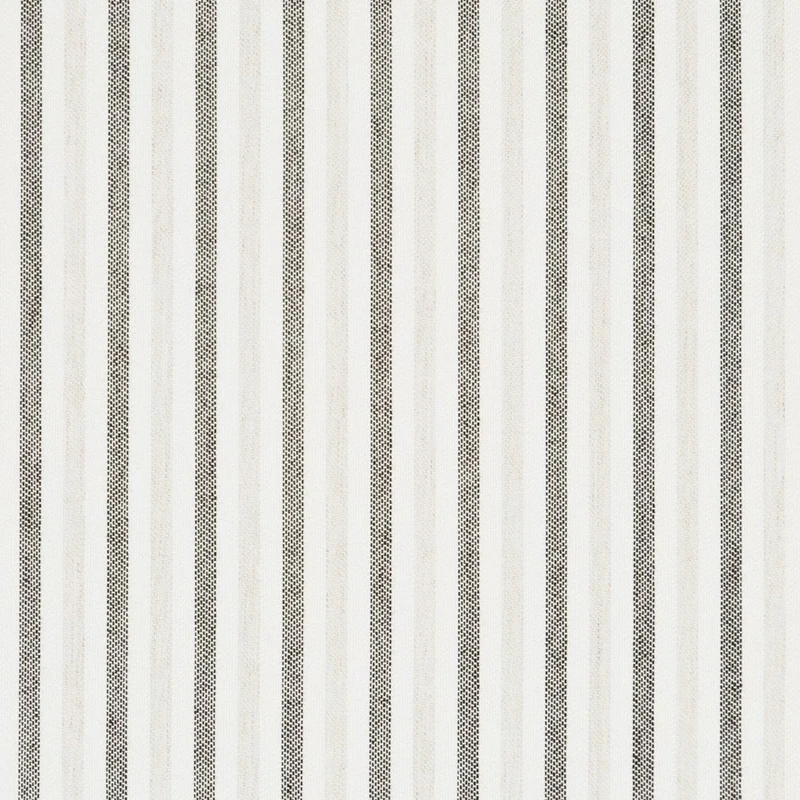
The pet industry increasingly favors multifunctional furniture combining pet comfort with owner utility, such as sofas with integrated pet beds or feeding drawers. Performance fabrics now incorporate sustainable fibers and advanced coatings that balance durability with environmental responsibility. Patterned textiles designed specifically to mask pet hair and stains gain popularity among style-conscious owners.
Advancements in antimicrobial treatments and UV resistance continue to evolve, enhancing material longevity and hygiene. Designers and manufacturers collaborate to create pet spaces that accommodate behavioral needs and aesthetic preferences, reflecting a growing market for pet-centric home design. These innovations signal a future where pet spaces are seamlessly integrated into human living environments with no compromise on style or function.
FAQ
What colors are best for pet feeding stations?
Bold, contrasting colors like blue and yellow for dogs, and blue and green for cats, are recommended to stimulate pets visually during mealtime. These colors enhance engagement and help delineate feeding areas.
Which upholstery fabrics are most durable and easy to clean for pet furniture?
Microfiber and Crypton fabrics are widely regarded for stain resistance, durability, and ease of cleaning. Sunbrella fabrics offer additional UV resistance for outdoor use, while leather and faux leather provide smooth surfaces that repel fur.
Are there pet-safe paint options for indoor pet areas?
Yes, brands like ECOS Paints and RMP Finishes produce zero-VOC, non-toxic paints suitable for pet areas. These paints eliminate harmful chemicals, ensuring pet safety and indoor air quality.
What materials are recommended for pet enclosures?
Antimicrobial HDPE sheets, such as those from TimberLine and MediGrade, are ideal due to their moisture resistance, UV stability, and hygienic properties. They withstand wear and are easy to clean.
How can I maintain upholstery in a home with pets?
Use washable slipcovers, apply pet-safe fabric protectors, and establish regular cleaning routines including vacuuming and spot cleaning. Selecting fabrics with inherent stain and scratch resistance also prolongs furniture life.
Pet spaces that integrate strategic color selection with durable, pet-safe materials offer optimal environments for pets and owners. Embracing innovations in antimicrobial finishes, performance fabrics, and multifunctional furniture will shape the future of pet-friendly interior design, enhancing hygiene, aesthetics, and longevity in homes worldwide.