
Eco-Friendly Cleaning Guide for Pet Owners: Safe & Effective Tips
PawVerde.com – Eco-friendly cleaning supplies tailored for pet owners combine non-toxic, plant-based ingredients with certified cruelty-free and biodegradable products to ensure effective household hygiene without compromising pet health. Avoiding harmful chemicals such as ammonia, chlorine, bleach, phthalates, and triethanolamine is critical to prevent toxic exposure to pets sensitive to these substances. This tutorial provides detailed guidance on selecting, preparing, and using pet-safe cleaning products, with practical recipes, brand recommendations, and sustainable practices for maintaining a clean, safe environment for pets and their owners.
Key Harmful Chemicals to Avoid in Pet Cleaning Products
Understanding which chemicals pose risks to pets is essential for selecting safe cleaning supplies. Ammonia, commonly found in window and floor cleaners, irritates pet respiratory systems and can cause vomiting or burns. Chlorine and bleach, often used as disinfectants, release toxic fumes dangerous to pets, particularly cats. Phthalates, present in fragranced products, disrupt endocrine functions and may trigger allergies. Triethanolamine, used as a surfactant, can cause skin irritation and long-term health effects. Avoiding these chemicals reduces the risk of pet poisoning and environmental contamination within the home.
Recommended Eco-Friendly Cleaning Ingredients and Products
Plant-based ingredients such as distilled vinegar, baking soda, and castile soap form the foundation of pet-safe cleaning. Vinegar acts as an effective natural disinfectant and deodorizer. Baking soda neutralizes odors and gently lifts dirt without harsh abrasives. Castile soap, derived from vegetable oils, cleans surfaces without synthetic detergents or petrochemicals. Certified cruelty-free brands like Mrs. Meyer’s Clean Day utilize plant-based formulations free from animal testing, while Earthbath and Art of Green specialize in biodegradable pet grooming and cleaning products. Simple Green and Biokleen Bac-Out offer enzymatic cleaners targeting organic stains and odors safely around pets.
DIY Cleaning Solutions Safe for Pets
Creating homemade pet-safe cleaners ensures control over ingredients and minimizes exposure to toxic residues. Below are step-by-step recipes with application tips tailored for pet households:
- Ingredients: 1 cup distilled white vinegar, 1 cup water
- Instructions: Mix vinegar and water in a spray bottle. Shake gently before use.
- Application: Spray on tile, hardwood floors, and countertops; wipe with a microfiber cloth. Avoid use on natural stone surfaces, which vinegar can etch.
- Time Estimate: 5 minutes preparation; effective cleaning with immediate use.
- Ingredients: Baking soda powder
- Instructions: Sprinkle baking soda on pet bedding, carpets, or upholstery. Let sit for 15–30 minutes, then vacuum thoroughly.
- Application: Controls pet odors naturally without chemical fragrances.
- Time Estimate: 10 minutes application, plus vacuum time.
- Ingredients: 1 tablespoon hydrogen peroxide (3%), 1 teaspoon castile soap, 1 tablespoon baking soda
- Instructions: Combine ingredients to form a paste. Apply to stains on carpets or upholstery. Let sit for 5–10 minutes, then blot with a damp cloth.
- Application: Targets organic pet stains without harsh chemicals.
- Time Estimate: 10 minutes active treatment, followed by drying time.
Ensure all homemade solutions are tested on a small inconspicuous area before widespread use to confirm surface compatibility and pet tolerance.
Specialized Pet Cleaning Supplies
Pet-specific cleaning products facilitate hygiene while prioritizing animal safety:
Using reusable microfiber cloths minimizes waste while providing efficient dirt and hair removal from pet areas.
Sustainable Cleaning Practices for Pet Owners
Implementing green cleaning routines reduces environmental impact and enhances pet health:
These practices combine to create a sustainable, hygienic living space that supports pet welfare.
Choosing and Evaluating Eco-Friendly Pet Cleaning Brands
When selecting commercial products, verify the following:
Evaluating product reviews and veterinary recommendations enhances confidence in choices.
Troubleshooting Common Issues in Pet-Safe Cleaning
Adjust cleaning frequency and product concentration based on pet activity levels and household conditions.
Common Mistakes and How to Avoid Them
Avoidance of these errors ensures effective, safe cleaning practices.
Alternative Methods for Pet-Safe Cleaning
Incorporating these alternatives can enhance environmental safety and pet comfort.
Frequently Asked Questions
What are the safest natural ingredients to use around pets for cleaning?
Natural ingredients such as distilled white vinegar, baking soda, and castile soap are safe and effective for cleaning around pets when used properly. They avoid toxic chemical exposure and reduce allergic reactions.
Can essential oils be used in pet-safe cleaning products?
Many essential oils are toxic to pets, especially cats. It is advisable to avoid essential oils in cleaning products used around pets unless specifically formulated and tested for pet safety.
How often should I clean my pet’s bedding to maintain hygiene?
Pet bedding should be washed weekly using pet-safe detergents or homemade cleaners to reduce allergens, odors, and bacterial buildup.
Are enzymatic cleaners better for pet stains than regular cleaners?
Yes, enzymatic cleaners break down organic stains and odors at the molecular level, providing superior stain removal and odor neutralization without harmful chemicals.
Where can I buy certified cruelty-free and biodegradable pet cleaning products?
Certified products are widely available online through specialty pet retailers, eco-friendly marketplaces, and major stores stocking natural home care brands such as Mrs. Meyer’s Clean Day and Earthbath.
—
This tutorial equips pet owners with comprehensive, actionable steps to adopt eco-friendly cleaning practices that safeguard pet health and promote sustainable home environments. Emphasizing ingredient knowledge, DIY recipes, specialized supplies, and sustainable habits empowers users to maintain hygiene responsibly while minimizing ecological footprints.
Difference Between Green and Conventional Pet Cleaners Explained
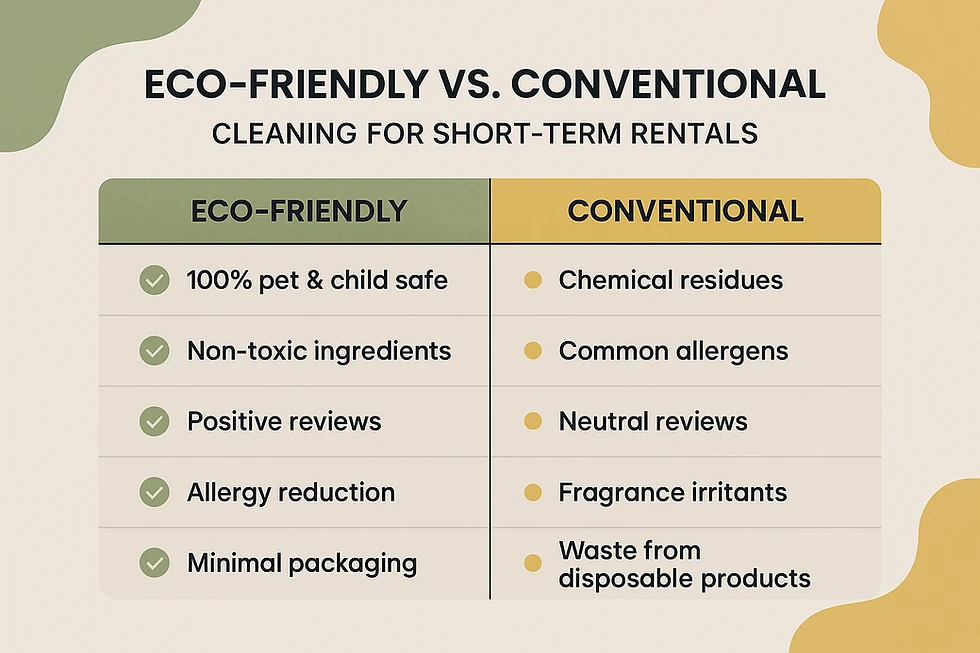
PawVerde.com – green pet cleaners have emerged as a pivotal alternative to conventional pet cleaning products, addressing growing concerns over health, safety, and environmental sustainability. Unlike traditional cleaners that often rely on synthetic chemicals, many green pet cleaners utilize plant-based extracts, enzymes, and essential oils designed to minimize toxic exposure for pets, children, and humans alike. This shift reflects increased consumer awareness regarding ingredient transparency and the potential adverse effects of conventional cleaning agents, which frequently contain volatile organic compounds (VOCs), ammonia, bleach, and synthetic fragrances. Understanding the distinctions between these two categories is critical for pet owners seeking to safeguard their pets’ health while reducing their ecological footprint.
Scientific studies underscore that pets, with their smaller lung capacities and constant proximity to cleaned surfaces, are especially vulnerable to chemical residues left by conventional cleaners. Green pet cleaners, many certified by the EPA Safer Choice program, offer formulations free from harsh chemicals, thereby reducing respiratory irritants and allergen presence indoors. This article explores the ingredient profiles, health impacts, environmental considerations, cleaning efficacy, certification standards, and practical advice for pet owners navigating the expanding market of pet cleaning products.
Ingredient Composition and Transparency
Green pet cleaners distinguish themselves primarily through ingredient selection, favoring natural, non-toxic substances over synthetic chemicals. These products typically feature enzymes, plant-based extracts, and essential oils known for their biodegradability and low environmental persistence. Enzymatic cleaners, for instance, employ biological catalysts to break down organic matter such as pet urine and feces, facilitating stain and odor removal without resorting to harsh solvents. Essential oils like lavender or eucalyptus provide antimicrobial properties and pleasant scents derived from natural sources rather than artificial fragrances.
In contrast, conventional pet cleaners often incorporate chemicals such as ammonia, bleach, and surfactants that degrade slowly in the environment. VOCs, including formaldehyde and benzene derivatives found in many synthetic fragrances, contribute to indoor air pollution and pose respiratory risks. Ammonia-based cleaners can exacerbate asthma and allergic reactions in sensitive individuals and pets. Additionally, many conventional products lack full ingredient transparency, complicating consumer efforts to assess safety and environmental impact.
The push for clear labeling in green pet cleaners addresses these concerns. Leading green brands disclose complete ingredient lists and emphasize the absence of toxic compounds, aligning with regulatory calls for greater transparency. This openness enables pet owners to make informed decisions based on ingredient safety profiles and aligns with growing demand for ethical, eco-conscious products.
Health Impacts on Pets and Humans
The health ramifications of using conventional pet cleaners are well-documented in veterinary and environmental health literature. Pets exposed to harsh chemicals can experience allergic dermatitis, respiratory distress, and gastrointestinal upset due to ingestion of residual toxins during grooming or licking surfaces. Children who share indoor environments with pets are similarly susceptible to chemical exposure effects, including exacerbated asthma symptoms and skin irritation.
Scientific assessments reveal that VOC emissions from conventional cleaners contribute significantly to indoor air pollution, often surpassing outdoor pollution levels. Prolonged exposure to VOCs can trigger headaches, dizziness, and long-term respiratory ailments in both humans and animals. Pets with pre-existing conditions such as asthma or allergies are particularly vulnerable.
Conversely, green pet cleaners reduce these health risks by eliminating toxic volatile compounds and synthetic fragrances. Studies measuring indoor air quality before and after introducing green cleaning regimens report marked reductions in airborne allergens and chemical residues. Pet owners using enzymatic, plant-based cleaners frequently observe fewer allergy flare-ups and improved respiratory health in their animals. The non-toxic nature of these products also alleviates concerns around accidental ingestion, a common occurrence in multi-pet households.
Environmental Considerations
Environmental sustainability is a key driver behind the adoption of green pet cleaners. The biodegradable nature of plant-derived enzymes and surfactants ensures rapid decomposition in wastewater, markedly reducing aquatic toxicity and bioaccumulation risks. Conventional cleaners containing persistent chemicals contribute to water pollution, affecting aquatic life and disrupting endocrine systems in wildlife. For example, phosphates and nonylphenol ethoxylates found in some traditional detergents are known endocrine disruptors.
Green pet cleaners also mitigate air pollution through VOC-free formulations, lessening smog formation and indoor pollutant loads. Use of essential oils and natural antimicrobial agents further supports ecosystem health by avoiding synthetic biocides that harm beneficial microorganisms. Additionally, many green cleaning products prioritize sustainable sourcing of ingredients, such as renewable plant extracts harvested with minimal environmental disruption.
By reducing chemical runoff and airborne pollutants, green pet cleaners aid in lowering the overall ecological footprint of pet maintenance routines. This shift aligns with broader environmental goals including water conservation, biodiversity protection, and climate change mitigation.
Cleaning Effectiveness and Practical Use
Despite concerns that green cleaners may compromise cleaning power, multi-enzyme formulations have demonstrated efficacy comparable to, and sometimes surpassing, conventional products in removing pet stains, odors, and organic residues. Enzymes such as proteases, amylases, and lipases catalyze the breakdown of proteins, carbohydrates, and fats, effectively degrading complex messes common with pets.
Plant-based extracts also offer antimicrobial activity, reducing odor-causing bacteria without relying on harsh disinfectants. Many eco-friendly pet cleaners are formulated for multi-purpose use, suitable for carpets, upholstery, hard floors, and even pet bedding, simplifying household cleaning protocols.
However, situations involving heavy-duty sterilization, such as in veterinary clinics or high-contamination zones, may still necessitate the use of stronger conventional disinfectants. In such cases, pet owners should exercise caution and limit exposure, ensuring thorough ventilation and rinsing to mitigate chemical residues.
Certification and Standards
EPA Safer Choice certification is among the most recognized standards for validating the safety and environmental responsibility of green pet cleaners. This program evaluates products based on stringent criteria including ingredient safety, biodegradability, and performance. Certified products must avoid ingredients with known toxicity, carcinogenicity, or environmental persistence.
Other certifications, such as Green Seal and EcoLogo, also provide assurance of rigorous testing and ingredient transparency. These certifications help consumers identify products that meet high safety and sustainability benchmarks, reducing the risk of greenwashing—a practice where products are misleadingly marketed as eco-friendly without substantiating claims.
To avoid greenwashing, pet owners should look for clear ingredient disclosures, independent third-party certifications, and brands with proven commitments to sustainability and transparency. Scrutinizing product labels and researching company practices can aid in selecting trustworthy green pet cleaners.
Recommendations for Pet Owners
Selecting appropriate pet-safe green cleaners involves prioritizing products with transparent ingredient lists, EPA Safer Choice certification, and proven enzymatic or plant-based formulations. Pet owners should test new cleaners in small areas to monitor pet reactions and ensure efficacy. Maintaining proper ventilation during and after cleaning minimizes any residual airborne compounds.
Combining green cleaners with regular grooming and hygiene practices further reduces allergen buildup and odor. For households with allergy-prone individuals or pets, opting for fragrance-free or naturally scented products can minimize irritation risks.
Professional green cleaning services specializing in pet-friendly products offer an effective alternative for deep cleaning needs while ensuring toxin-free environments. These services often employ advanced enzymatic technologies and environmentally conscious protocols.
FAQ
What makes green pet cleaners safer for pets compared to conventional cleaners?
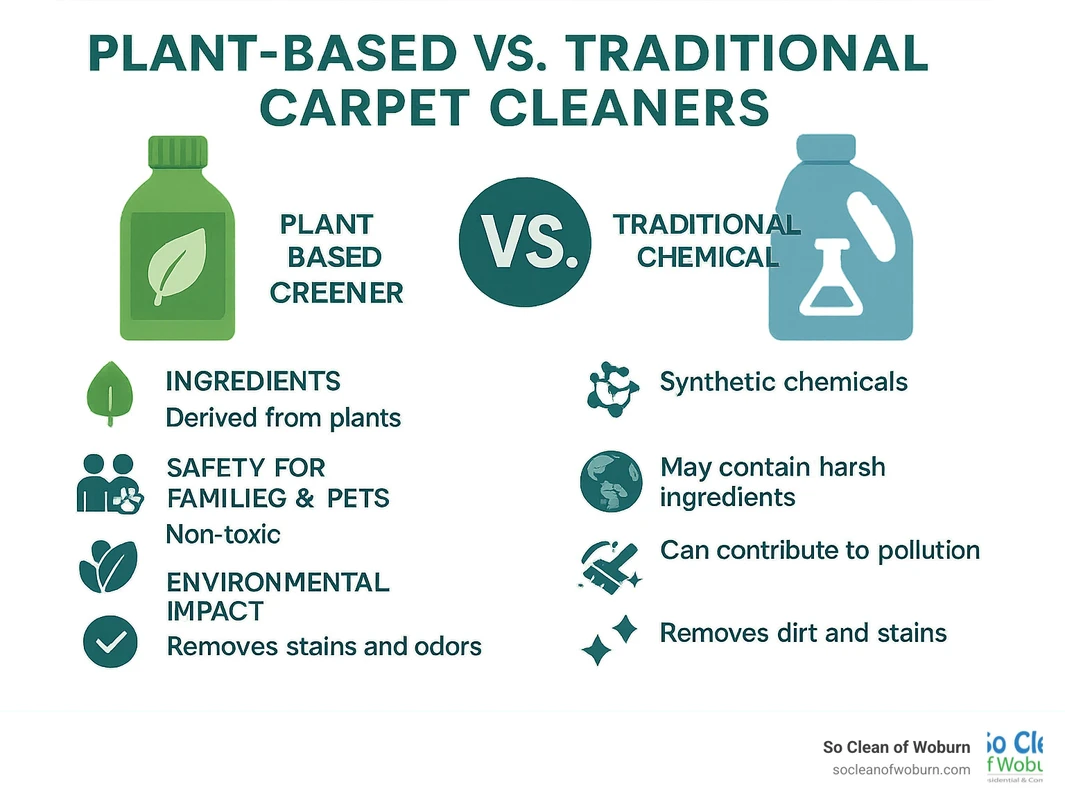
Green pet cleaners use non-toxic, natural ingredients such as enzymes and plant extracts that avoid harmful chemicals like VOCs, ammonia, and synthetic fragrances. These formulations reduce risks of respiratory irritation, allergic reactions, and chemical ingestion in pets.
Are enzymatic cleaners effective for removing pet stains and odors?
Yes, enzymatic cleaners break down organic compounds such as proteins and fats through biological catalysts, effectively eliminating stains and neutralizing odors without harsh chemicals.
How do green pet cleaners impact indoor air quality?
Green pet cleaners reduce emissions of volatile organic compounds and synthetic fragrances, which are major contributors to indoor air pollution, resulting in cleaner, safer air for pets and humans.
What should I look for to avoid greenwashing when buying pet cleaning products?
Look for certifications like EPA Safer Choice, clear ingredient transparency, and brands with proven environmental commitments. Avoid vague marketing claims without verified standards or ingredient disclosures.
Can green pet cleaners be used for all types of pet messes?
Most green pet cleaners are multi-purpose and effective for common pet messes on various surfaces. For sterilization in high-contamination settings, conventional disinfectants may sometimes be necessary but should be used cautiously.
—
The evolving landscape of pet cleaning products reflects a broader societal shift toward health-conscious and environmentally sustainable choices. As research continues to validate the benefits of green pet cleaners, adoption is expected to increase, supported by advancing enzymatic technologies and more stringent regulatory standards. Pet owners are encouraged to integrate these safer alternatives into daily routines, balancing cleaning efficacy with the imperative to protect pet health and the environment. Future innovations may further enhance the performance and accessibility of green pet cleaning solutions, making them the standard rather than the exception in responsible pet care.