
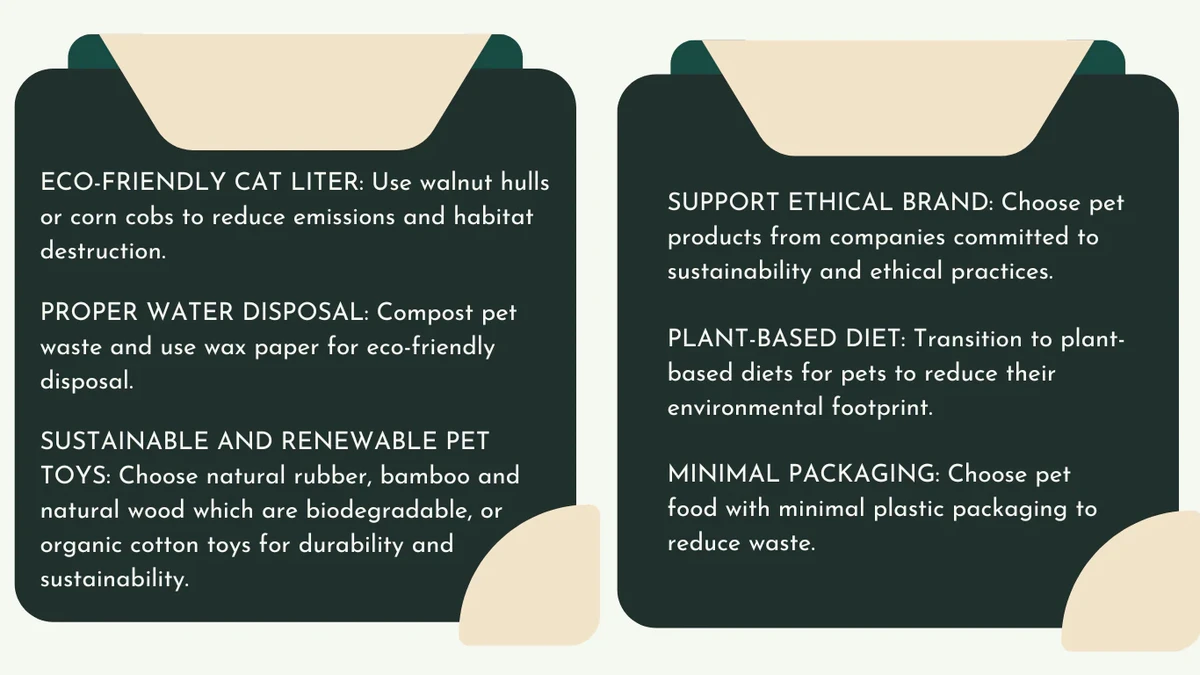
PawVerde.com – Eco-friendly pet care focuses on reducing the environmental footprint of pet ownership through mindful consumption, waste management, and sustainable nutrition. Rather than seeking perfection, it involves making progress via high-quality, durable products, choosing certified compostable waste solutions, and selecting low-carbon protein sources like insect-based diets.
“A sustainable lifestyle is not about perfection—it’s about progress,” according to Caring Hands Vet.
The Greenwashing Audit: How to Spot Fake Eco-Claims
To audit pet brands for greenwashing, look past vague terms like ‘natural’ or ‘biodegradable’ and seek specific certifications. Verify if ‘compostable’ products meet regulated standards rather than unregulated claims, and check for transparent ingredient sourcing or third-party eco-certifications to ensure the brand isn’t just using ‘window dressing.’
Ecofurball notes that sustainability starts with behaviour, not branding. Many owners fall into the trap of purchasing “green” products that offer no measurable environmental benefit because the marketing language lacks scientific rigor. Paul Greenberg, an environmental writer and author of The Climate Diet, suggests that much of the current industry movement toward sustainability may simply be window dressing if the underlying issue of mass breeding for dogs and cats remains unaddressed.
Vague terminology vs. Certified standards
Ecofurball highlights that brands often use biodegradable and compostable language to meet consumer demand rather than delivering actual environmental outcomes. While compostable products undergo strict testing and certification standards, biodegradable products often rely on vague or unregulated claims that do not guarantee a specific decomposition timeline.
The ‘Natural’ marketing trap
Marketing departments frequently utilize the term “natural” to imply environmental friendliness, yet this term is rarely tied to specific ecological performance metrics. To avoid these traps, pet owners should look for the following indicators of genuine sustainability:
- Third-party eco-certifications rather than self-made brand badges.
- Specific material compositions (e.g., “100% post-consumer recycled”).
- Transparent ingredient sourcing documentation.
- Clear instructions on end-of-life disposal for bioplastics.
The Hidden Carbon Footprint of Pet Food
Caring Hands Vet suggests that selecting brands that utilize locally sourced, organic, or insect-based proteins can lower carbon emissions and reduce dependence on intensive livestock farming.
Caring Hands Vet suggests that insect-based proteins can significantly lower carbon emissions. By selecting brands that utilize locally sourced, organic, or insect-based proteins, owners can reduce the ecological strain caused by intensive livestock farming. Furthermore, Adopt a Pet notes that buying pet food in bulk can reduce both packaging waste and the carbon costs associated with frequent shipping and delivery.
| Protein/Sourcing Type | Environmental Impact | Primary Benefit |
|---|---|---|
| Traditional Livestock | High | High protein density |
| Insect-Based | Low | Reduced carbon emissions |
| Locally Sourced | Medium/Low | Lower shipping footprint |
| Bulk/Organic | Low | Reduced packaging waste |
Shifting toward insect-based or local options provides a direct path to lower emissions compared to traditional livestock proteins.
Insect protein vs. Traditional livestock
Insect-based proteins offer a high-efficiency alternative to cattle or poultry, as these sources require significantly fewer resources to produce.
The economic link: Quality food vs. Vet bills
Reports suggest that lower-quality cat food can lead to higher veterinary expenses, with issues such as digestive problems, dull coats, or low energy levels often resulting from poor-quality diets.
Waste Management: Compostable vs. Biodegradable
Compostable bags are the superior choice for pet waste; they break down into nutrient-rich compost within 100-200 years. In contrast, biodegradable bags can take over 500 years to decompose in a landfill and may contribute to microplastic pollution.
Effective waste management is critical, especially considering that Petco reports 25% of the world’s plastic waste is littered or not disposed of properly. When selecting waste solutions, the thickness of the material also matters for durability; Gogostik notes that modern eco-friendly pet waste bags should have a minimum thickness of 15-20 microns to prevent leakage and environmental contamination.
| Feature | Biodegradable Bags | Compostable Bags |
|---|---|---|
| Decomposition Time | 500+ years in landfill | 100-200 years in landfill |
| Environmental Risk | Microplastic pollution | Nutrient-rich breakdown |
| Regulation | Often unregulated/vague | Strict testing standards |
Choosing compostable options ensures a faster, safer decomposition process compared to biodegradable alternatives.
Sustainable Daily Habits and Low-Waste Maintenance
Ecofurball emphasizes that eco-friendly pet care habits prioritize targeted cleaning instead of routine over-washing. For example, owners can spot-clean beds or air out blankets outdoors to reduce water and energy waste.
Instead of washing all pet bedding every week, owners can spot-clean specific areas or air out blankets outdoors to refresh them. This approach extends the life of the fabric and reduces the chemical load from detergents.
The Micro-Habit Matrix: Low to High Effort
Owners can implement various levels of sustainable care:
- Low Effort: Brushing pets regularly to prevent excessive bathing (Low-Waste Grooming); using cold water cycles for laundry.
- Medium Effort: Spot-cleaning beds; using eco-certified detergents; making DIY enrichment toys from cardboard boxes or old socks, as recommended by Honest Pet Products.
- High Effort: Transitioning to a fully insect-based or organic diet; switching to bulk-purchased, zero-waste treats.
Grooming and Laundry hacks
Maintaining hygiene does not require a heavy environmental toll. Following the Low-Waste Grooming technique—which includes brushing regularly to minimize bathing and cleaning brushes instead of replacing them—can significantly reduce water usage. For laundry, Ecofurball recommends using cold water cycles and eco-certified detergents to minimize the ecological impact of cleaning pet fabrics.
Product Lifecycle: Choosing and Disposing of Gear
Ecofurball states that using durable bowls, toys, and grooming tools reduces waste far more than frequently replacing them with new “eco” versions.
When new purchases are necessary, look for brands that prioritize circularity. For example, P.L.A.Y. utilizes 100 percent post-consumer, certified-safe recycled plastic bottles as filler for their dog beds. Other brands, such as Butterfly & Bee, focus on plant-based product lines to avoid synthetic materials entirely.
Understanding the lifecycle of a product—from its manufacturing to its eventual disposal—is essential for true sustainability. A high-quality nylon leash or a rubber toy may have a higher initial footprint, but its durability makes it more sustainable than a series of cheap, disposable “eco” alternatives.
FAQ
Is it better to buy ‘eco’ products or use what I already have?
Ecofurball suggests that using durable existing items like bowls and toys is more effective at reducing waste than frequently replacing them with new “eco” versions.
How can I reduce my pet’s carbon footprint through food?
To lower carbon emissions, look for brands that use locally sourced, organic, or insect-based proteins. Purchasing in bulk can also reduce packaging and shipping costs.
What is the difference between compostable and biodegradable?
Compostable products undergo strict testing and break down into nutrients in 100-200 years, whereas biodegradable products often rely on unregulated claims and can take 500+ years to decompose.