How to Make DIY Eco-Friendly Cat Litter: A Simple Guide

PawVerde.com – To make DIY eco-friendly cat litter, combine absorbent organic materials like kiln-dried pine pellets, shredded paper, or ground wheat with natural odor neutralizers like baking soda. For best results, use a sifting method to manage moisture and ensure a gradual transition for your cat to prevent box aversion.
Since the 1940s, clay-based litter has dominated the market, but switching to compostable or biodegradable natural litters can significantly lower your pet’s environmental footprint.
The DIY Litter Formula Matrix: Choosing Your Base
Select your DIY base based on your priority: Use kiln-dried pine pellets for the ‘Budget King’ option, ground wheat or corn for ‘Odor Destruction’ (with careful moisture monitoring), and shredded paper or soft fibers for ‘Sensitive Paws’ to minimize dust and irritation.
Choosing a base involves comparing absorption to maintenance. While many commercial litters are almost entirely sodium bentonite clay, DIY options use different materials to manage waste.
Corn-based litter clumps well, making it a strong contender for those used to traditional clumping varieties. However, grain-based mixes require environmental monitoring because wheat products can mold in humid conditions.
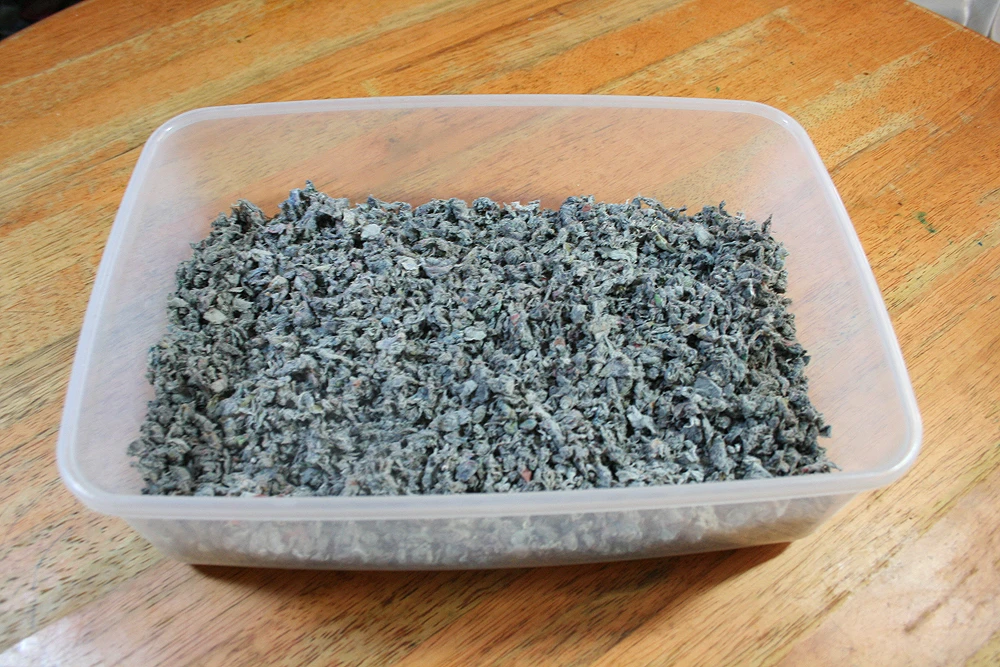
Paper-based litters are often low-dust and gentle on paws, making them ideal for cats with respiratory sensitivities. While they avoid the irritating dust found in clay, they rarely match commercial eco-litters for odor control.
| Base Material | Primary Benefit | Clumping Ability | Risk Factor |
|---|
| Pine Pellets | High affordability | Low (Non-clumping) | Requires sifting |
| Wheat/Corn | Strong clumping | High | Mold/Pests |
| Shredded Paper | Low dust/Gentle | Very Low | Poor odor control |
| Sand/Wood Shavings | Natural availability | Minimal | High mess potential |
Select a material that matches your maintenance capacity, as no single DIY option covers all needs.
Step-by-Step: Batch Production of Natural Litter
To maintain a consistent batch, follow these steps for preparing a month’s supply of litter.
- Preparing your raw materials: Gather your chosen base, such as 40lbs of pine pellets or finely ground wheat. If using wood, ensure it is kiln-dried to avoid releasing harmful oils.
- Mixing in natural odor neutralizers: Once your base is measured, add a natural neutralizing agent. A highly effective method involves sprinkling baking soda into the litter box after scooping to neutralize any odor. You may also incorporate natural additives like diatomaceous earth or dried herbs such as lemongrass, lavender, or mint to enhance the scent profile.
- Storage for freshness and pest prevention: Store your bulk DIY mixture in an airtight container. This is critical for grain-based litters to prevent moisture absorption from the air and to keep pests away.
To avoid uneven treatment, sprinkle baking soda into the box after scooping, a method that works great for natural odor neutralization.
Engineering the Clump: Why DIY Often Fails
One of the most significant hurdles in DIY litter production is the lack of engineered clumping. Commercial clumping litters are designed to swell up to 12 times their original size when exposed to water, creating a solid mass that is easy to remove. DIY litters made from shredded newspaper, wood shavings, or sand rarely match commercial eco-litters for odor control because they lack this rapid-expansion mechanism.
Without rapid encapsulation, moisture can seep through the bottom of the litter layer. This can lead to hygiene issues as the liquid sits in the box.
Safety Audit: Materials to Avoid
WARNING: Always ensure organic materials are properly processed. Raw softwoods and untreated grains carry specific biological risks to feline health.
Prioritize kiln-dried products to ensure safety. Raw softwoods can release natural oils that are harmful to cats if inhaled or ingested.
Grain-based litters introduce specific biological risks. Wheat products can mold in humid conditions, and corn litter can attract pests if not stored in airtight environments.
To prevent box aversion, experts recommend a gradual transition that can take up to 12 weeks.
Shortcut: To manage pine pellets effectively, use a sifting litter box so damp shavings fall into a bottom tray, leaving fresh pellets on top.
If you introduce a completely new texture or scent overnight, your cat may reject the box entirely. Start by mixing 25% of the new DIY litter with 75% of the old litter, gradually increasing the ratio over several weeks. Additionally, avoid using an excessive amount of litter; doing so often results in cats scratching and kicking litter outside the box, creating a mess that is difficult to contain.
While DIY approaches aim to save money, costs vary based on maintenance needs and equipment.
| Metric | DIY Pine Pellets | Commercial Eco-Brand |
|---|
| Upfront Cost (approx.) | $8 per 40lbs | Variable (Higher) |
| Duration (2 cats) | 5-8 weeks | Varies by brand |
| Maintenance Effort | High (Sifting required) | Low (Standard scoop) |
The $8 price point for 40lbs of pine pellets makes it a highly competitive option for budget-conscious households, provided you have the tools to manage the non-clumping nature of the material.
Use a gradual transition over 12 weeks, slowly mixing the new DIY material with their old, familiar litter to prevent box aversion. This allows the cat to adjust to the new scent and texture without feeling the need to seek alternative bathroom locations.