
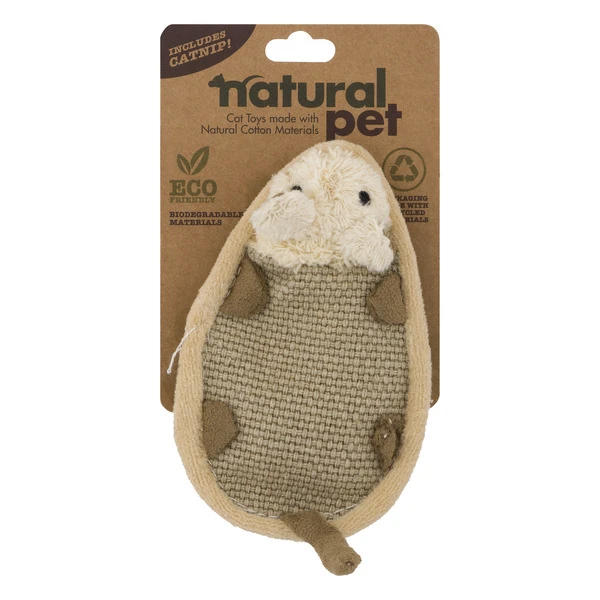
PawVerde.com – Eco-friendly pet toys have gained significant traction as consumers increasingly prioritize sustainability, safety, and ethical production in pet care products. Unlike conventional pet toys, which predominantly rely on plastics, nylon, and polyester—materials that contribute substantially to environmental pollution—eco-friendly options utilize natural, biodegradable, and recycled materials. Leading brands such as Only Natural Pet and Awoo Pets have pioneered the market by offering certified, ethically produced toys made from bamboo, organic cotton, recycled fabrics, hemp, wool, and jute fibers. These materials not only reduce the environmental footprint but also ensure non-toxic, safe play experiences for pets. Furthermore, many of these brands implement innovative practices like plastic-free packaging and takeback recycling programs, enhancing their sustainability credentials.
Consumers seeking to purchase eco-friendly pet toys online benefit from the convenience of accessing a broad selection of certified products that meet stringent health and safety standards. Certifications such as the Global Organic Textile Standard (GOTS), Responsible Wool Standard (RWS), and GoodWeave verify ethical sourcing, organic production, and fair labor practices, helping buyers make informed decisions. This article explores the sustainable materials used in pet toys, profiles key brands and retailers, examines the benefits of eco-friendly pet toys, and offers practical insights into DIY options and ethical manufacturing certifications.
Sustainable Materials Used in Eco-Friendly Pet Toys
Bamboo stands out as a highly sustainable raw material in pet toy manufacturing due to its rapid renewability and durability. As a fast-growing grass, bamboo regenerates without the need for pesticides or fertilizers, making it an environmentally superior alternative to conventional timber or synthetic fibers. Bamboo fibers used in pet toys are naturally antimicrobial and resilient, offering chew-resistant properties ideal for dogs. In addition, bamboo’s biodegradability ensures that once discarded, bamboo-based toys decompose without releasing harmful microplastics into ecosystems.
organic cotton and recycled fabrics also play a crucial role in eco-friendly pet toys. Organic cotton is cultivated without synthetic pesticides or genetically modified organisms, reducing soil degradation and water contamination. When combined with recycled fabrics—often sourced from post-consumer plastic bottles or textile waste—these materials diminish landfill accumulation and reduce reliance on virgin resources. Recycled polyester and nylon blends are increasingly used in durable dog toys, especially by brands like Zogoflex, which transform recycled plastics into tough, non-toxic chew toys.
Natural fibers such as hemp, wool, and jute contribute additional sustainability benefits. Hemp requires minimal water and no chemical treatments, and its coarse texture appeals to dogs’ chewing instincts. Wool, particularly certified under the Responsible Wool Standard, ensures animal welfare and environmental stewardship in sheep farming. Jute fibers, derived from plants, offer biodegradability and strength, useful in rope and tug toys. These fibers provide alternatives that balance durability with environmental responsibility.
Leading Brands and Online Retailers Offering Eco-Friendly Pet Toys
Only Natural Pet is a prominent leader in the eco-friendly pet toy market, offering a wide range of products made from organic cotton, recycled fabrics, and natural fibers. Their commitment to sustainability is reflected in their use of GOTS-certified textiles and plastic-free packaging. Only Natural Pet’s product lines include chew toys, fetch toys, and plush options designed to be safe and non-toxic, supporting pet health while minimizing environmental impact.
Awoo Pets further distinguishes itself through its rePAWpose takeback program, which encourages customers to return worn-out toys for recycling and refurbishment. This circular approach aligns with their mission of reducing landfill waste and promoting ethical production. Awoo’s toys are made from natural rubber and recycled materials, certified by various sustainability standards, and packaged using biodegradable materials.
Pata Pal focuses on durable cotton canvas pet toys that avoid synthetic dyes and harmful chemicals. Their products feature reinforced stitching and natural fibers that withstand aggressive play while maintaining biodegradability. Meanwhile, Zogoflex is renowned for producing tough dog toys from 100% recycled plastics, combining durability with sustainability. Other notable brands in this sector include West Paw, RuffWear, Planet Dog, Pets of the Earth, and Jojomodernpets, each integrating recycled or natural materials and ethical manufacturing practices.
Retailers such as Chewy, Amazon, and specialized local boutiques provide broad access to these sustainable pet toys, often featuring filters for certifications and material types. These platforms facilitate consumer choices by offering extensive product information, customer reviews, and transparent sourcing disclosures.
Benefits of Purchasing Eco-Friendly Pet Toys Online
Buying eco-friendly pet toys online offers consumers unparalleled convenience and access to a diverse product range that physical stores may lack. Online platforms curate certified and ethically produced toys, enabling shoppers to verify sustainability credentials such as GOTS, RWS, and GoodWeave certifications directly through brand websites or retailer listings. This transparency supports informed purchasing decisions based on material safety, environmental impact, and social responsibility.
Moreover, many eco-friendly pet toy brands emphasize plastic-free, compostable packaging and partner with logistics providers committed to reducing carbon emissions. These efforts extend the sustainability chain beyond manufacturing to the delivery process, aligning with the values of environmentally conscious consumers. Online retailers often provide educational content on material benefits, cleaning instructions, and product lifecycles, further enhancing user experience and trustworthiness.
DIY Eco-Friendly Pet Toy Materials and Cleaning Tips
For pet owners interested in sustainable alternatives, DIY eco-friendly pet toys present a practical option. Household materials such as untreated cardboard, wool scraps, felt, and natural cotton yarn can be repurposed into safe, biodegradable toys. For example, braided hemp ropes or felted wool balls offer interactive, chewable toys without synthetic additives. These homemade options reduce waste, encourage creativity, and allow for customization based on pet size and preferences.
Maintaining eco-friendly pet toys requires gentle cleaning methods to preserve natural fibers and avoid chemical residues. Hand washing with mild, biodegradable detergents and air drying are recommended to prolong toy lifespan and prevent mold growth. Avoiding bleach or harsh chemicals ensures the non-toxic integrity of materials like organic cotton and bamboo. Regular inspection for wear and tear supports safe play and timely replacement, further contributing to sustainability by preventing ingestion hazards.
Certifications and Ethical Manufacturing in Eco Pet Toys
Certifications play a critical role in validating the sustainability and ethical claims of eco-friendly pet toy brands. The Global Organic Textile Standard (GOTS) certifies that textiles meet rigorous environmental and social criteria throughout the supply chain, including prohibition of toxic chemicals and assurance of fair labor practices. GOTS certification provides consumers with confidence that organic cotton pet toys are genuinely sustainable and ethically produced.
The Responsible Wool Standard (RWS) ensures animal welfare and environmental stewardship in wool production, requiring farms to maintain high standards of sheep care and land management. This certification is essential for wool-based pet toys, guaranteeing that the raw materials do not contribute to animal cruelty or ecological degradation.
GoodWeave certification addresses labor rights, particularly the elimination of child labor in textile supply chains. Brands carrying GoodWeave labels demonstrate commitment to ethical manufacturing and social responsibility. These certifications collectively ensure that eco-friendly pet toys are produced under conditions that respect human and animal welfare while minimizing environmental harm.
Environmental and Health Impact of Choosing Eco-Friendly Pet Toys
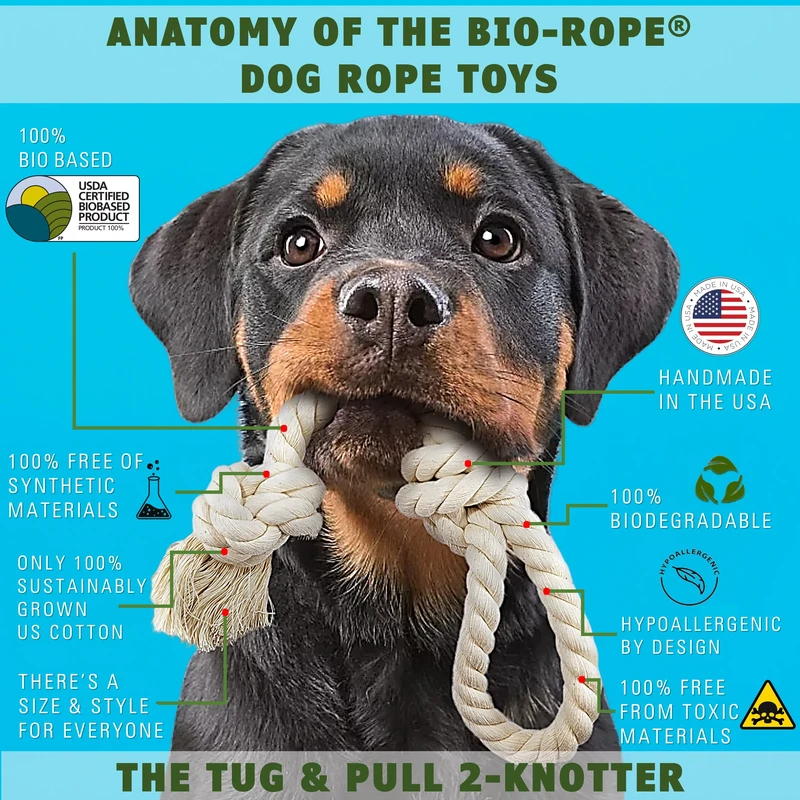
Switching to eco-friendly pet toys significantly reduces landfill waste and environmental pollution associated with conventional plastic toys. Plastics used in typical pet toys often do not biodegrade, fragmenting into microplastics that contaminate soil and waterways. By contrast, biodegradable materials such as bamboo, organic cotton, and natural fibers decompose naturally, closing the loop on product life cycles.
From a health perspective, eco-friendly toys avoid harmful additives like phthalates, lead-based dyes, and synthetic chemicals often present in mass-produced toys. These toxins pose ingestion risks and can trigger allergies or toxicity in pets. Natural and certified materials ensure that toys are safe for chewing, fetching, and interactive play without exposing pets to hazardous substances.
Environmentally conscious consumers also contribute to broader sustainability goals by supporting brands that prioritize renewable resources, ethical labor, and reduced carbon footprints. This alignment fosters a market shift toward responsible pet product manufacturing and encourages innovation in sustainable materials and circular economy initiatives.
FAQ: Eco-Friendly Pet Toys
What materials are commonly used in eco-friendly pet toys?
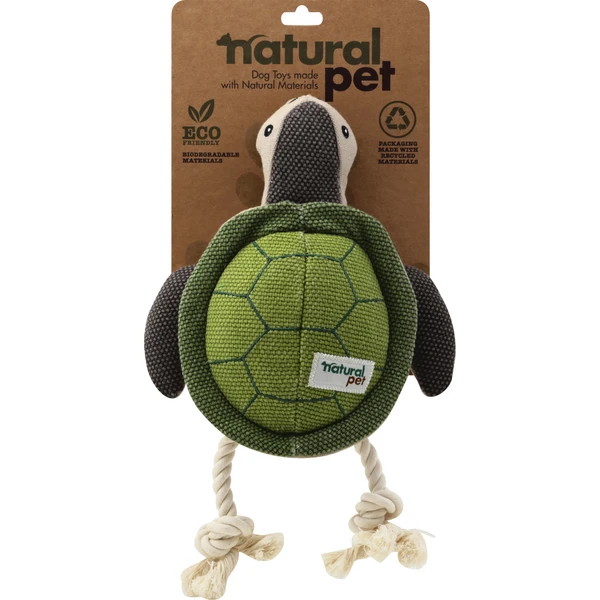
Eco-friendly pet toys typically utilize natural and recycled materials such as bamboo, organic cotton, hemp, wool, jute fibers, and recycled plastics. These materials are biodegradable, non-toxic, and sourced to minimize environmental impact.
Which certifications should I look for when buying sustainable pet toys?
Key certifications include the Global Organic Textile Standard (GOTS) for organic fabrics, the Responsible Wool Standard (RWS) for ethical wool sourcing, and GoodWeave certification for fair labor practices. These validate environmental and social responsibility in production.
Are eco-friendly pet toys safer for my pet compared to conventional toys?
Yes, eco-friendly pet toys avoid harmful chemicals and synthetic additives, reducing risks of toxicity and allergic reactions. Natural materials are generally safer for chewing and prolonged play.
Where can I buy certified eco-friendly pet toys online?
Certified eco-friendly pet toys are available through brand websites such as Only Natural Pet and Awoo Pets, as well as online retailers like Chewy and Amazon that offer detailed product information and sustainability filters.
Can I make my own eco-friendly pet toys at home?
DIY eco-friendly pet toys can be made using household items like untreated cardboard, wool scraps, cotton yarn, and hemp rope. These materials are safe, biodegradable, and customizable to your pet’s needs.
As demand for sustainable pet products grows, consumers can drive positive change by prioritizing eco-friendly pet toys made from renewable, certified materials. Continued innovation in natural fibers and recycled content, paired with ethical manufacturing and transparent certifications, will expand the availability and quality of sustainable pet toys. Pet owners and retailers alike are encouraged to support circular programs and plastic-free initiatives to reduce environmental impact and promote a healthier future for pets and the planet.