
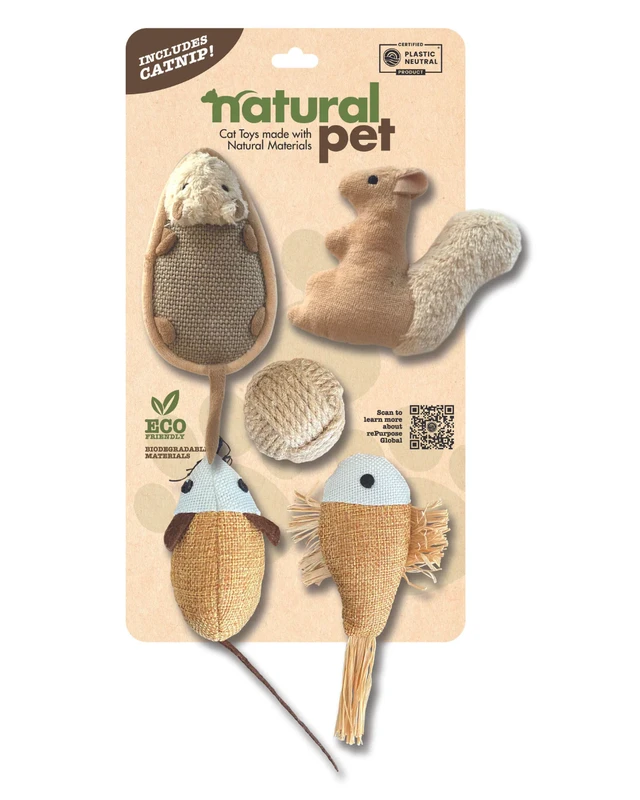
PawVerde.com – The demand for eco-friendly pet toys has surged as consumers increasingly prioritize the health of their pets alongside environmental responsibility. However, not all products branded as “eco-friendly” offer verified safety or sustainability, making certifications critical for distinguishing truly safe and sustainable pet toys. Trusted third-party certifications such as OEKO-TEX, GOTS, and B Corp validate the use of non-toxic, ethically sourced materials, while compliance with ASTM F963 and CE marking ensures mechanical and chemical safety. Consumers seeking safe eco-friendly pet toys must prioritize certifications backed by rigorous testing to mitigate risks from harmful chemicals like phthalates and BPA, often found in uncertified recycled plastics or synthetic materials.
Certified eco-friendly pet toys combine sustainability with pet safety by adhering to standards that assess material toxicity, mechanical durability, and environmental impact. This article details the essential safety and sustainability certifications, common material safety profiles, manufacturing standards, health risks of uncertified products, and practical guidance for consumers. It further contextualizes market trends and innovations shaping the future of eco-conscious pet toys.
Key Safety Certifications Ensuring Eco-Friendly Pet Toy Safety
Eco-friendly pet toys are commonly certified by organizations specializing in textile safety, chemical hazard assessment, and corporate social responsibility. OEKO-TEX and GOTS certifications focus on textile safety and organic material verification, ensuring fibers like organic cotton and hemp used in pet toys are free from harmful chemicals and pesticides. OEKO-TEX Standard 100, for instance, tests for over 300 harmful substances, including phthalates and heavy metals, which pose risks to pet health. GOTS certification adds a layer of organic and ecological integrity by regulating the entire textile supply chain, from fiber harvesting to environmentally responsible dyeing processes.
Corporate social responsibility is reflected in B Corp certification, which assesses companies on social and environmental performance, accountability, and transparency. B Corp pet toy brands commit to sustainable manufacturing practices and fair labor standards, enhancing consumer trust. Certifications like ISO 14001 and ISO 20400 represent environmental management systems and sustainable procurement, respectively, signaling comprehensive governance in eco-friendly pet toy production.
Toy safety standards are equally vital. ASTM F963, a US standard, specifies requirements for mechanical hazards, toxicity, flammability, and chemical migration limits in toys, protecting pets from choking hazards and exposure to toxic substances. Similarly, CE marking and EN71 testing in Europe assess mechanical safety and chemical compliance, ensuring pet toys meet stringent regulatory criteria.
Material Safety Profiles: Natural Fibers, Recycled Plastics, and Durability
Natural materials such as natural rubber, organic cotton, and hemp fiber have gained prominence in eco-friendly pet toy manufacturing due to their biodegradability and lower toxicity profiles. Natural rubber provides elasticity and resilience without the synthetic additives found in many plastics. Organic cotton and hemp fibers are grown without harmful pesticides and are certified under GOTS or OEKO-TEX, reducing chemical exposure risks.
Recycled plastics offer environmental benefits by reducing landfill waste and lowering carbon emissions by up to 50%, according to recent lifecycle assessments. However, recycled plastics may contain residual phthalates, BPA, or other endocrine disruptors if not properly certified. Independent testing laboratories such as Eurofins and Pacific Certifications verify compliance with chemical safety standards to mitigate these risks.
Durability is a critical safety and sustainability factor. Longer-lasting toys reduce waste and minimize the risk of small parts breaking off and causing choking. Brands like West Paw utilize proprietary materials such as Zogoflex, which combines toughness with recyclability. Durability testing, aligned with ASTM and ISO standards, evaluates toys under simulated wear conditions to ensure longevity and safety.
Regulatory Compliance and Quality Control in Eco-Friendly Pet Toy Manufacturing
Third-party testing and certification are cornerstones of regulatory compliance that influence market access and consumer trust. Quality control processes include chemical analysis for toxic substances, mechanical testing for strength and safety, and manufacturing audits verifying ethical sourcing and environmental management.
Compliance documentation facilitates global market entry and buyer confidence, especially on platforms like Alibaba.com, where buyer matching increasingly prioritizes certified products. Independent bodies such as ISB USA and Pacific Certifications provide verification services that authenticate product claims, reducing greenwashing risks.
Leading eco-conscious brands such as West Paw, Earth Rated, and Bully Max exemplify transparent certification adherence. West Paw’s Zogoflex toys carry ASTM and ISO certifications, Earth Rated focuses on biodegradable waste bags and durable toys certified for chemical safety, while Bully Max integrates OEKO-TEX certified materials into its product line. These brands disclose certification details and testing reports, enhancing consumer assurance.
Health Risks Associated with Uncertified Eco-Friendly Pet Toys
Research including EarthDay.org’s Pets vs. Plastics report highlights prevalent chemical contaminants in uncertified pet toys, including phthalates, BPA, lead, and other toxic additives. These substances pose risks such as endocrine disruption, allergic reactions, and long-term organ damage in pets. Phthalates and BPA, common in some recycled plastics, have been linked to reproductive and developmental toxicity in animals.
Uncertified toys may also fail mechanical safety tests, increasing choking and ingestion hazards. Flammability concerns arise when materials do not adhere to ASTM F963 or EN71 standards, posing fire risks in home environments.
The lack of transparency and independent testing in uncertified products complicates risk assessment for consumers, underscoring the importance of verifying certification claims before purchase.
Consumer Guidance for Selecting Safe Eco-Friendly Pet Toys
Consumers should verify certifications by checking labels for OEKO-TEX, GOTS, B Corp, ASTM F963, CE, and ISO marks. Certification databases or official websites provide authentication tools to confirm legitimacy.
Inspecting product durability involves assessing stitching quality, material thickness, and resistance to tearing or deformation. High durability indicates less frequent replacement, supporting environmental sustainability and reducing safety hazards from broken parts.
Recognizing credible brands requires researching company transparency regarding sourcing, manufacturing, and testing. Avoidance of vague marketing terms such as “natural” or “organic” without certification is crucial, as these claims lack regulatory enforcement and can mislead consumers.
Market Trends and Innovations Shaping the Future of Eco-Friendly Pet Toys
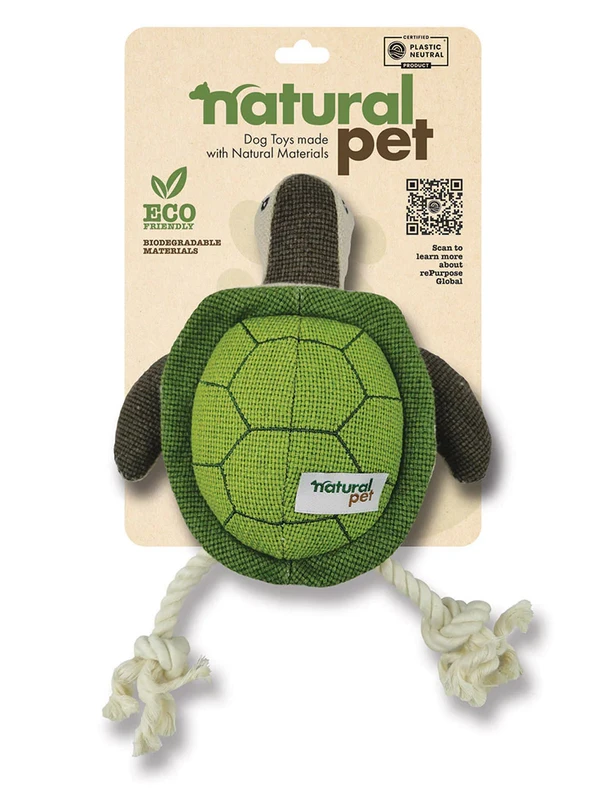
The global market for biodegradable and sustainable pet toys is projected to grow significantly, driven by consumer demand and regulatory pressures. Innovations include the development of plant-based bioplastics, advanced natural rubber composites, and hemp-based fibers engineered for enhanced durability and safety.
Emerging certifications targeting circular economy principles and microplastic reduction are gaining traction, aiming to address environmental impact beyond immediate safety concerns. Increasing adoption of ISO 14001 and ISO 20400 highlights a shift toward comprehensive environmental governance and sustainable procurement in pet product manufacturing.
Brands investing in transparency and third-party validation are positioned to lead market growth, responding to heightened consumer awareness and regulatory scrutiny.
Frequently Asked Questions
What certifications should I look for to ensure a pet toy is safe and eco-friendly?
Look for OEKO-TEX and GOTS for textile safety and organic material verification, B Corp for corporate responsibility, ASTM F963 and CE marking for mechanical and chemical safety, and ISO 14001 or ISO 20400 for environmental management and sustainable procurement.
Are recycled plastic pet toys safe for my pet?
Recycled plastic toys can be safe if certified by independent laboratories such as Eurofins or Pacific Certifications, ensuring they are free from harmful chemicals like phthalates and BPA. Uncertified recycled plastics may pose health risks.
How does durability affect the safety of eco-friendly pet toys?
Durable toys reduce the risk of choking hazards from broken parts and minimize environmental impact by decreasing waste. Certifications often include durability testing to ensure toys withstand typical wear and tear.
Can I trust “natural” or “organic” labels on pet toys without certification?
Labels without third-party certification like OEKO-TEX or GOTS do not guarantee safety or sustainability. Such terms are often marketing claims without regulatory oversight, so verification through certifications is essential.
What health risks do uncertified pet toys pose to pets?
Uncertified toys may contain toxic chemicals such as phthalates, BPA, and heavy metals, which can cause endocrine disruption, allergic reactions, or organ damage. Poor mechanical safety can also lead to choking or ingestion hazards.
—
Increasingly stringent safety and sustainability standards, coupled with growing consumer demand for transparency, are driving the evolution of eco-friendly pet toys. Future developments will likely emphasize circular economy principles, enhanced durability, and comprehensive environmental governance. Consumers equipped with knowledge of credible certifications and material safety profiles can make informed decisions that protect pet health and support sustainable manufacturing practices.