

PawVerde.com – upcycling pet supplies significantly reduces waste by transforming discarded materials and ingredients into valuable new products, thereby diverting substantial volumes of waste from landfills and oceans. This process lowers greenhouse gas emissions by minimizing raw material extraction and preventing methane generation from organic waste decomposition. Within the pet industry, upcycling supports a circular economy by reusing polyethylene terephthalate (PET) plastics and food by-products to create sustainable pet foods, toys, bedding, and accessories. The integration of recycled PET (rPET) in manufacturing, along with upcycled ingredients in pet nutrition, demonstrates a scalable approach to environmental stewardship and resource conservation.
The pet industry faces considerable waste management challenges, with large amounts of plastic packaging, food waste, and discarded products contributing to landfill volume and ocean pollution. PET, a common plastic in pet product packaging and toys, is particularly problematic due to its persistence in the environment. Upcycling diverts PET waste by reprocessing it into high-quality materials for pet toys and accessories, with companies like Chuckit! producing items composed of up to 95% recycled plastic. This reuse reduces the need for virgin plastic production, directly lowering carbon emissions associated with extraction and manufacturing processes. Additionally, upcycling pet food ingredients—such as meat by-products, grains, and fats—helps reduce food waste, which in the U.S. alone is responsible for significant methane emissions in landfills.
Environmental Benefits of Upcycling Pet Supplies
Upcycling pet supplies mitigates environmental harm by diverting waste from landfills and marine ecosystems. An estimated 50% of pet food ingredients in the United States are derived from upcycled sources, contributing to a $3.4 billion industry annually. This substantial reuse of food waste reduces the volume of organic material decomposing anaerobically, thereby decreasing methane emissions, a potent greenhouse gas. In addition to organic waste management, upcycling PET plastics conserves finite fossil fuel resources by reducing the demand for virgin resin production.
Recycled PET (rPET) plays a central role in enhancing sustainability in pet product manufacturing. Through mechanical and chemical recycling, PET waste is converted into durable fibers and plastic granules utilized in pet toys, bedding, collars, and leashes. For example, West Paw, a leader in sustainable pet products, incorporates rPET and closed-loop recycling programs to minimize environmental impact. Chemical upcycling methods further advance sustainability by converting PET waste into novel materials capable of capturing CO2, presenting an innovative route to combat plastic pollution and climate change simultaneously.
Resource conservation extends beyond plastics. Water and land usage associated with pet food production are significantly reduced when upcycled ingredients replace conventional raw materials. By utilizing by-products from the food industry, pet food manufacturers minimize the agricultural footprint, conserving water resources and reducing deforestation pressures. The combined effect of these practices contributes toward meeting global sustainability goals and mitigating the pet industry’s carbon footprint.
Economic and Social Impacts of Upcycled Pet Products
The economic impact of upcycled pet products is considerable, fostering new business opportunities and supporting local economies. The upcycled pet food market alone, valued at $3.4 billion, illustrates strong consumer demand for sustainable alternatives. This demand incentivizes farmers and producers to supply surplus or secondary materials, such as meat trimmings and grain by-products, that would otherwise be discarded. These transactions generate additional revenue streams and reduce waste handling costs across the supply chain.
Socially, upcycling promotes community engagement and awareness regarding sustainability. Companies like Petmate and Chuckit! actively market their environmental commitments, influencing consumer behavior toward more responsible purchasing decisions. Sustainability certifications, such as the Upcycled Certified® label, provide transparency and build trust between manufacturers and pet owners while encouraging industry-wide adoption of circular economy principles. These certifications also aid regulatory bodies in monitoring ingredient safety and environmental claims, ensuring consumer protection.
The circular economy model implemented by leading pet product manufacturers demonstrates the scalability of upcycling. By integrating production scrap reuse and closed-loop systems, companies reduce material input costs and waste output simultaneously. This model not only benefits the environment but also improves profitability and resilience against resource price volatility. As consumers increasingly prioritize sustainability, businesses equipped with circular supply chains are better positioned for long-term success.
Upcycled Ingredients in Pet Food: Nutrition and Sustainability
Upcycled pet food ingredients typically include meat by-products, grains, fats, and other food industry residuals that retain nutritional value. These components are carefully selected and processed to ensure safety and meet regulatory standards enforced by agencies such as the FDA and AAFCO. Use of these ingredients reduces dependency on virgin agricultural inputs and lowers environmental burdens associated with conventional pet food production.
Nutritionally, upcycled ingredients provide essential proteins, fibers, and fats required for pet wellness. Studies indicate that diets incorporating upcycled components maintain or enhance nutrient profiles compared to traditional formulations. Moreover, the environmental advantages are significant: by diverting surplus food from landfills, pet food manufacturers reduce methane emissions and conserve water and land resources needed for primary ingredient cultivation.
Safety and quality assurance remain paramount in this sector. Producers employ rigorous testing protocols to prevent contamination and ensure ingredient traceability. Industry organizations, including BSM Partners and Symrise Pet Food, collaborate to develop best practices and standards facilitating the safe integration of upcycled materials. These efforts address consumer concerns about ingredient origin and product reliability, promoting wider acceptance of sustainable pet foods.
Upcycled Materials in Pet Products Beyond Food
Beyond edible products, recycled materials are extensively used in pet toys, bedding, collars, leashes, and packaging. High recycled content percentages are common; for instance, Chuckit! toys consist of approximately 95% recycled plastic, demonstrating material performance parity with virgin plastics. These products undergo stringent durability testing to withstand pet use while maintaining environmental benefits.
Manufacturers like West Paw have established closed-loop recycling programs where customers return used products for remanufacturing. This approach extends product life cycles, reduces waste generation, and fosters consumer participation in sustainability efforts. Additionally, integrating recycled fibers and plastics reduces reliance on virgin materials, further decreasing greenhouse gas emissions and landfill waste.
Case studies illustrate the effectiveness of circular manufacturing. West Paw’s adoption of rPET and commitment to product take-back programs have resulted in substantial waste diversion and resource savings. Similarly, Petmate’s investment in sustainable packaging and recycling infrastructure supports industry-wide shifts toward circularity. These initiatives exemplify how innovation and corporate responsibility can transform the pet supply sector’s environmental footprint.
Consumer Role and Education in Supporting Upcycled Pet Products
Pet owners play a critical role in driving demand for upcycled pet supplies and participating in waste reduction efforts. Consumer education initiatives emphasize the environmental advantages of purchasing products made from recycled materials and encourage responsible disposal or return of used items for recycling. Awareness campaigns by manufacturers and sustainability organizations highlight the benefits of upcycled pet foods and accessories, fostering informed decision-making.
Practical consumer actions include choosing products with sustainability certifications, properly sorting waste for recycling, and supporting brands with transparent environmental commitments. These behaviors reinforce industry incentives to innovate and expand upcycling efforts. Moreover, consumer feedback helps manufacturers refine products and address challenges such as contamination or material quality, enhancing overall sustainability performance.
Educational outreach extends to retailers and pet care professionals, who act as trusted advisors promoting sustainable pet ownership. Training programs and informational resources equip these stakeholders to advocate for circular economy principles and facilitate consumer adoption of upcycled pet supplies. This multi-level engagement is essential for scaling impact and embedding sustainability across the pet industry value chain.
Innovations and Future Directions in Pet Supply Upcycling
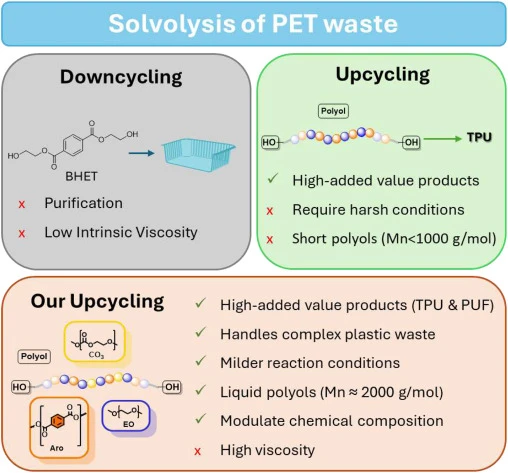
Emerging technologies in chemical upcycling represent a frontier in pet supply sustainability. Advanced processes convert PET waste into CO2 capture materials, simultaneously addressing plastic pollution and climate change mitigation. This dual benefit expands the environmental value proposition of upcycling beyond traditional mechanical recycling.
Industry-wide collaboration accelerates innovation and standardization. Certification programs like Upcycled Certified® establish benchmarks for ingredient sourcing and product manufacturing, enhancing credibility and consumer confidence. Partnerships between manufacturers, regulatory bodies, and research institutions foster knowledge sharing and development of robust supply chains.
Challenges persist, including contamination in recycling streams and cost implications of upcycled materials. However, ongoing research and investment in quality control technologies aim to improve material consistency and affordability. Supply chain transparency and traceability initiatives further strengthen stakeholder trust and facilitate regulatory compliance.
The pet industry’s trajectory toward circular economy models underpinned by upcycling offers promising avenues for reducing environmental impact while meeting growing consumer demand for sustainable products. Continued innovation, education, and collaboration will be pivotal in overcoming obstacles and realizing the full potential of upcycling in pet supplies.
| Aspect | Upcycling Benefit | Impact Metric / Example |
|---|---|---|
| Waste Diversion | Reduces landfill and ocean plastic volume | 50% of U.S. pet food ingredients upcycled, $3.4B market |
| Greenhouse Gas Reduction | Minimizes methane and CO2 emissions | Lowered emissions via food waste diversion and rPET use |
| Resource Conservation | Decreases raw material extraction and water usage | Reduced agricultural footprint with upcycled pet food ingredients |
| Circular Economy | Supports closed-loop manufacturing and product remanufacturing | West Paw’s take-back programs and 95% recycled content toys |
| Consumer Engagement | Promotes sustainable purchasing and recycling behaviors | Certification labels and education campaigns increase adoption |
FAQ
Why does upcycling pet supplies reduce waste?
Upcycling pet supplies reduces waste by converting discarded materials, such as plastic packaging and food by-products, into new pet products. This prevents these materials from entering landfills and oceans, lowers greenhouse gas emissions by reducing raw material production, and supports resource conservation through reuse.
What types of materials are commonly upcycled in pet products?
Commonly upcycled materials include polyethylene terephthalate (PET) plastics from packaging and toys, meat by-products, grains, and fats in pet food, as well as recycled fibers and plastics used in bedding, collars, and leashes.
Are upcycled pet food ingredients safe for pets?
Yes, upcycled pet food ingredients undergo rigorous safety testing and comply with regulatory standards to ensure they provide essential nutrients without contaminants. Industry organizations work to establish best practices for ingredient sourcing and processing.
How do pet product manufacturers incorporate circular economy principles?
Manufacturers implement closed-loop recycling programs, use high percentages of recycled content, and engage in product take-back initiatives to remanufacture materials. These practices reduce waste, conserve resources, and lower environmental impact throughout the product lifecycle.
What role do consumers play in supporting upcycled pet supplies?
Consumers support upcycled pet supplies by choosing sustainable products, participating in recycling or product return programs, and educating themselves about environmental benefits. Their demand encourages manufacturers to invest in circular economy models and sustainable innovations.
Upcycling pet supplies exemplifies a transformative approach to waste reduction in the pet industry by combining environmental responsibility with economic viability and consumer engagement. As innovations advance and circular models expand, the pet sector is positioned to lead sustainability efforts while delivering high-quality, eco-friendly products that benefit pets, people, and the planet alike.