

How to Promote Green Pet Fostering: Sustainable Guide
PawVerde.com – To promote green pet fostering, you must combine high-impact digital storytelling with low-impact sustainable practices. This involves using the ’10-10-10′ hashtag strategy to increase visibility while implementing zero-cost eco-friendly habits, such as DIY toy creation and water-saving laundry routines, to ensure your fostering journey is as environmentally conscious as it is effective. Implementing sustainable pet care can actually boost interest by up to 30% in pet-related services.
The Low-Cost Green Fostering Toolkit
A low-cost green fostering toolkit focuses on repurposing existing household items to reduce waste and expense. Key components include creating DIY rope toys from old t-shirts, using stainless steel bowls to prevent bacterial buildup, and implementing water-saving laundry habits, such as running only full loads of pet bedding to save up to 3,400 gallons of water annually.
Sustainable pet care is achievable without increasing overall spending. According to eco-friendly pet care resources, zero-cost or low-cost changes—including home grooming, DIY treats, and repurposed fabric toys—collectively reduce both environmental impact and household expenses.
Zero-Cost Enrichment
Providing mental stimulation for a foster pet does not require a trip to a retail store. You can create engaging enrichment tools in as little as 15 minutes using items destined for the bin. For example, cutting old t-shirts or towels into long strips and braiding them creates durable rope toys that many dogs prefer over store-bought plastic alternatives.
Sustainable Sanitation
Hygiene is a critical component of fostering, yet it often generates significant waste. One of the most impactful changes involves how you manage laundry. By ensuring you only run washing machines with full loads of pet bedding and towels, you can save up to 3,400 gallons of water per year. Furthermore, switching from plastic to stainless steel bowls provides a more hygienic solution. While plastic can develop scratches and crevices where bacteria accumulate, stainless steel is non-porous and easy to sanitize.
Shortcut: To maximize hygiene, always inspect stainless steel bowls for any structural damage and wash them in high-temperature cycles to ensure all pathogens are neutralized.
Mastering the 10-10-10 Hashtag Strategy
Social media is the primary engine for pet adoption, yet many fosters struggle with visibility. On certain platforms, organic posts reaching an audience can be as low as 2%. To bypass this limitation, you must move beyond generic tags and implement a structured approach to discoverability.
The 10-10-10 hashtag distribution rule provides a balanced framework to capture different segments of search traffic. Instead of using 30 identical tags, divide your efforts into three distinct groups:
- 10 Long-tail hashtags: These are broader, high-volume terms like #kittensofinstagram.
- 10 Medium-reach hashtags: These target specific communities, such as #fosterkittens.
- 10 Specific hashtags: These describe the unique traits of the animal, such as #tortitude.
Avoid “tag stuffing” by posting dozens of irrelevant tags, which can trigger spam filters. Instead, prioritize engagement. As noted in social media guides, the more you engage with your followers, the more likely the platform will show your organic posts in their feeds.
Eco-Storytelling: Marketing the Sustainable Pet
Effective marketing connects a pet’s personality with a narrative of stewardship. By highlighting eco-friendly habits, you appeal to a growing demographic of consumers interested in sustainable lifestyles.
The ‘Foster Diary’ Method
One of the most effective ways to build an audience is through consistent, episodic content. Foster With Aly, a social media professional and kitten foster volunteer, uses a method that prioritizes daily connection. As she describes her process:
“My way is to keep my foster journey like a diary. I write out the highlights of my kitten’s day and upload them with videos daily.”
This “Foster Diary” method, utilized by social media professionals, builds an emotional connection. Sharing daily video highlights creates a consistent narrative that encourages followers to share your posts when the pet is ready for adoption.
Visual Contrast and Human Connection
The quality of your imagery dictates the first impression. Muddy Paws Rescue emphasizes that human interaction shots are highly engaging for pet marketing. Rather than just photographing a pet sitting alone in a kennel, include shots of hands petting the animal or a person interacting during play. This helps potential adopters visualize the pet in their own lives. Additionally, use visual contrast to make the pet “pop”—for instance, placing a dark-furred dog against a light-colored wall or using bright window light to highlight their eyes.
Implementing a Gradual Sustainability Framework
To avoid the pitfall of unsustainable short-term enthusiasm, adopt a phased approach. Adding only one new sustainable pet care practice each month prevents the burnout that occurs when too much change is attempted at once.
In month one, you might focus solely on switching to stainless steel feeding ware. In month two, you could transition to DIY toy creation. This gentle progression builds genuine, lasting habits rather than a sudden surge of effort that is impossible to maintain long-term.
Technical Execution: Boosting Your Reach
If organic reach is challenging, use platform-specific tools to bridge the gap. Targeted boosting can ensure high-priority pets or specific adoption events receive the necessary visibility.
For those using Facebook, follow this specific path to increase visibility for an adoption event:
- Navigate to your Facebook page.
- Click ‘Promote’.
- Select ‘Boost an event’.
Once you have initiated a boost, refine your visuals using this menu path: Go to Edit options > Choose image / Choose video > Upload new > Crop image. High-quality video clips from your “Foster Diary” combined with precise cropping can maximize your promotional results.
Comparing Sustainable Fostering Essentials
Use the following data to prioritize your transition to eco-friendly pet care items.
| Item Category | Traditional Option | Green Alternative | Primary Benefit |
|---|---|---|---|
| Feeding | Plastic bowls | Stainless steel bowls | Higher hygiene; non-porous |
| Enrichment | Store-bought toys | DIY rope toys | Zero waste; cost-effective |
| Laundry | Frequent small loads | Full loads only | Saves up to 3,400 gallons/year |
| Marketing | Generic posts | 10-10-10 Strategy | Higher organic reach |
Transitioning to stainless steel feeding ware and DIY enrichment offers significant advantages. These choices improve hygiene and reduce waste compared to traditional plastic and store-bought alternatives.
FAQ
How can I make green fostering affordable?
Focus on zero-cost changes like DIY rope toys from old textiles and ensuring laundry is only run with full loads to save water and money. Sustainable pet care is achievable without increasing overall spending by prioritizing repurposing over purchasing new products.
Why is my social media reach so low?
Organic reach can be as low as 2%. To combat this, use the 10-10-10 hashtag rule and actively engage with followers to signal the algorithm. High engagement tells the platform that your content is valuable, increasing the likelihood of organic distribution.
Is stainless steel really better for pets?
Yes, stainless steel is non-porous and does not harbor bacteria in scratches like plastic bowls do, making it more hygienic and durable. This reduces the risk of bacterial accumulation that occurs in the crevices of worn plastic containers.

How to Travel Sustainably with Pets: Step-by-Step Guide
PawVerde.com – Traveling with pets sustainably requires deliberate choices to reduce environmental impact while maintaining pet comfort and safety. This tutorial guides eco-conscious pet owners through selecting sustainable gear, grooming on the go, waste reduction, green accommodations, low-carbon transportation, and natural health management. Applying these practical steps ensures your pet travels with minimal ecological footprint.
Selecting Sustainable Travel Gear for Your Pet
Choosing the right travel gear forms the foundation of eco-friendly pet travel. Begin by prioritizing durability and non-toxic materials to reduce waste and exposure to harmful chemicals.
Natural rubber and hemp toys offer longevity and biodegradability, reducing plastic waste common in synthetic products. Brands using these materials often avoid harmful dyes and additives, promoting safer play during travel.
Select pet carriers composed of recycled plastics or fabrics certified for environmental standards. These carriers reduce resource consumption and often feature breathable, lightweight designs that improve pet comfort without sacrificing sustainability.
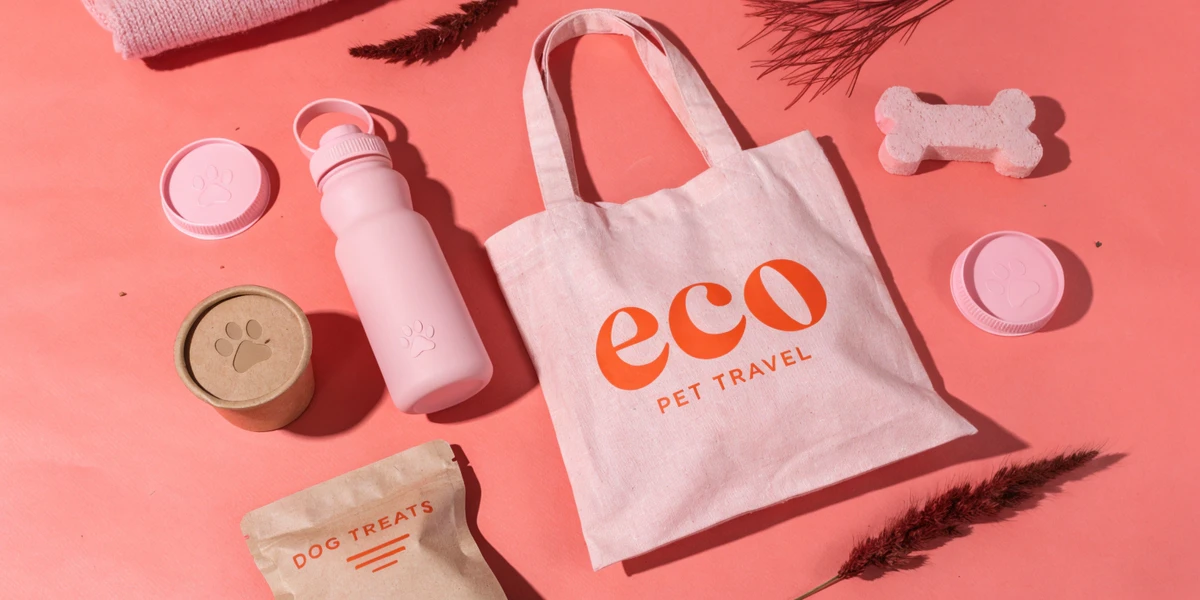
Bring collapsible bowls made from silicone or stainless steel for water and food. For waste disposal, biodegradable poop bags made from plant-based polymers break down faster than conventional plastic, minimizing landfill contribution.
Choose items like durable leashes and harnesses made from recycled nylon or organic cotton that withstand repeated use. Multi-functional gear reduces the need to carry excess items, cutting down travel weight and waste.
Eco-Friendly Pet Grooming While Traveling
Maintaining pet hygiene sustainably on the road prevents environmental contamination and promotes pet health without harsh chemicals.
Before departure, bathe your pet with biodegradable, plant-based shampoos free from sulfates and parabens. These products rinse cleanly, reducing the risk of waterway pollution during subsequent outdoor activities.
Carry biodegradable grooming wipes infused with natural oils to clean dirt and allergens without water. Use brushes made from sustainably sourced wood or recycled plastics to remove loose fur and maintain coat health.
After travel, groom your pet thoroughly to remove any stuck debris and reduce allergen buildup, which can affect pet and owner health. Use natural conditioners and detanglers that avoid synthetic fragrances and chemicals.
Packing Smart: Reducing Waste and Stress
Efficient packing reduces environmental impact and eases travel logistics for you and your pet.
Replace disposable plastic bags and wraps with reusable fabric pouches or beeswax wraps for organizing pet essentials. These materials are washable and compostable, decreasing single-use waste.
Hydration supplies should minimize disposable plastic use. Collapsible silicone bowls and stainless steel water bottles are lightweight, durable, and easy to clean, making them ideal for travel.
Pack all-purpose eco-friendly pet-safe cleaners made from natural ingredients such as vinegar and essential oils. These reduce chemical exposure and allow quick cleanup without harming the environment.
Choosing Green and Pet-Friendly Accommodations
Selecting lodging that aligns with sustainable values enhances a responsible travel experience for you and your pet.
Look for accommodations with recognized environmental certifications such as LEED, Green Key, or EarthCheck that also welcome pets. These hotels demonstrate commitment to energy efficiency, waste reduction, and eco-friendly operations.
Crystalbrook Albion in Sydney exemplifies a pet-friendly hotel with sustainability initiatives including carbon footprint offsets, water-saving technologies, and waste diversion programs. Copenhagen offers several eco-conscious hotels combining pet amenities with green practices.
Green accommodations often provide amenities like pet waste stations with biodegradable bags, natural landscaping free of pesticides, and access to walking trails, improving both pet wellbeing and owner satisfaction.
Sustainable Transportation Options
Transportation choices heavily influence overall travel emissions. Incorporate low-carbon options wherever possible.
Walking and cycling emit zero carbon and offer exercise benefits for pets. Train travel reduces carbon emissions by approximately 66-75% compared to cars or planes, making it a superior sustainable choice when accessible.
| Transport Mode | Average CO₂ Emissions (kg per passenger km) | Pet Accessibility |
|---|---|---|
| Walking | 0 | High |
| Cycling | 0 | Moderate (depends on pet size) |
| Train | 0.014 | High (often pet-friendly carriages) |
| Car | 0.192 | High |
| Airplane | 0.254 | Limited (restricted pet policies) |
Map out travel itineraries that prioritize public transit and pedestrian pathways. Avoid peak traffic times to reduce emissions and stress for your pet. Reserve pet-friendly train compartments or buses in advance to ensure compliance.
Natural Health and Allergy Management on the Go
Managing pet health sustainably during travel reduces reliance on synthetic medications and minimizes environmental contamination.
Employ natural anti-inflammatory supplements such as omega-3 fatty acids, quercetin, or local honey to alleviate allergies. Consult veterinary guidance to integrate these safely.
Ensure balanced diets with organic or sustainably sourced pet food. Use herbal flea and tick repellents instead of chemical pesticides. Regular hydration and exercise during travel support overall wellbeing.
Supporting Eco-Friendly Pet Ownership Beyond Travel
Sustainability extends beyond travel to daily pet care practices and community engagement.
Adopting pets reduces demand for breeding operations, lowering environmental costs associated with pet production. Many shelters promote eco-friendly pet care education.
Incorporate biodegradable waste bags, natural grooming products, and durable toys made from recycled or natural materials into daily routines. These choices cumulatively reduce ecological footprints.
Participate in local pet waste clean-up initiatives and advocate for green pet policies. Sharing sustainable travel experiences can inspire others to adopt eco-conscious habits.
Common Mistakes and Troubleshooting in Eco-Friendly Pet Travel
Avoid bringing excess disposable items that increase waste. Focus on multi-use, durable products to streamline packing.
Research pet policies for public transit and accommodations beforehand to prevent last-minute issues or forced car travel.
Choose certified natural grooming supplies to avoid polluting waterways during outdoor cleaning.
Balance eco-friendliness with your pet’s safety and comfort; for example, ensure carriers meet size and ventilation standards.
Alternative Methods for Sustainable Pet Travel
If traditional eco-friendly gear or accommodations are unavailable, consider:
FAQ
What are the best sustainable materials for pet travel gear?
Natural rubber, hemp, recycled nylon, and organic cotton are top sustainable choices due to their durability, biodegradability, and low environmental impact.
How can I minimize pet travel emissions if I must use a car?
Optimize your route to reduce driving distance, carpool when possible, use fuel-efficient vehicles, and combine errands to limit trips.
Are biodegradable poop bags truly better for the environment?
Yes, biodegradable bags made from plant-based materials break down faster in composting or landfill conditions, reducing plastic pollution compared to conventional bags.
Can pets stay in any eco-certified hotel?
Only those hotels that explicitly allow pets and hold eco-certifications can be considered green pet accommodations. Verify pet policies before booking.
How do I manage pet allergies naturally during travel?
Use veterinarian-approved natural supplements like omega-3 fatty acids and herbal remedies, maintain a clean environment, and avoid known allergens.
Traveling sustainably with your pet demands thoughtful preparation and adopting eco-conscious products, grooming, accommodations, and transportation. As environmental awareness grows, these practices will help reduce your pet’s carbon footprint while ensuring enjoyable and safe travel experiences.

Sustainable Pet Toys Guide for Eco-Conscious Owners
PawVerde.com – Sustainable pet toys have emerged as a crucial focus for eco-conscious pet owners seeking to balance pet health, environmental responsibility, and product durability. These toys are primarily crafted from natural or recycled materials such as hemp, organic cotton, and recycled rubber, which offer biodegradability and non-toxicity, reducing the ecological footprint commonly associated with synthetic pet products. The increasing demand for sustainable pet accessories reflects a broader awareness of the environmental impact of pet-related waste and the need for safer, longer-lasting toys that minimize landfill contributions and chemical exposure for pets.
The selection of sustainable pet toys hinges on several factors: the use of eco-friendly materials, adherence to recognized certification standards, durability to reduce frequent replacement, and packaging that aligns with environmental values. Hemp, organic cotton, and recycled rubber serve as foundational materials in this sector, each offering unique benefits. Hemp is renowned for its biodegradability and toughness, making it ideal for tug toys that withstand vigorous chewing. Organic cotton, certified under standards like the Global Organic Textile Standard (GOTS), provides soft, chemical-free fibers suitable for rope toys and plush items. Recycled rubber, exemplified by proprietary materials such as West Paw’s Zogoflex®, combines durability with recyclability, enabling closed-loop programs like Join the Loop that reclaim used toys to minimize waste.
What Defines an Eco-Friendly Pet Toy?
An eco-friendly pet toy is characterized by its sustainable origin, safety for pets, durability, and minimal environmental impact throughout its lifecycle. Sustainable materials must be renewable or recycled, free from synthetic fibers that often involve harmful chemical coatings, and preferably biodegradable to ensure reduced landfill persistence. Hemp fibers naturally resist degradation while maintaining strength, making them preferable over synthetic alternatives that introduce microplastics into the environment. Organic cotton, cultivated without pesticides or synthetic fertilizers and certified by USDA Organic or GOTS, assures pet owners of non-toxic exposure. Meanwhile, recycled rubber products like Zogoflex® are BPA-free and phthalate-free, addressing concerns about chemical leaching and pet health risks.
Packaging also plays a vital role in defining eco-friendly status. Brands committed to sustainability prioritize recyclable or compostable packaging materials certified by entities such as the Forest Stewardship Council (FSC), which ensures that paper and cardboard used come from responsibly managed forests. The integration of these criteria ensures that pet toys contribute less to environmental degradation while promoting pet safety and comfort.
Environmental and Health Benefits of Sustainable Pet Toys
Choosing sustainable pet toys offers measurable benefits across environmental and pet health domains. Environmentally, biodegradable materials like hemp and organic cotton decompose without releasing harmful residues, in stark contrast to synthetic fibers that persist for decades. The use of recycled materials such as ocean plastics and reclaimed rubber reduces raw material extraction and plastic pollution, directly mitigating the carbon footprint of pet products. According to recent studies, plastic waste from pet toys contributes significantly to microplastic contamination, making the shift to sustainable alternatives imperative.
From a pet health perspective, natural fibers reduce the risk of allergic reactions and chemical ingestion linked to synthetic coatings and dyes. Non-toxic certification standards, including USDA Organic and GOTS, provide assurance that toys are free from pesticides, heavy metals, and harmful chemicals. Durable toys also enhance safety by limiting small, breakable parts that pose choking hazards. Economically, investing in durable, multi-purpose toys reduces the frequency of replacements, lowering overall waste generation and consumer costs over time.
Certification Standards Ensuring Sustainability and Safety
Certification frameworks are critical in verifying the authenticity of sustainable claims in pet toys. The USDA Organic label guarantees that materials such as cotton have been grown without synthetic pesticides or genetically modified organisms (GMOs), ensuring chemical safety for pets. The Global Organic Textile Standard (GOTS) extends beyond raw materials, certifying that textile processing—including dyeing and manufacturing—adheres to stringent environmental and social criteria. This includes wastewater treatment and worker safety, making GOTS-certified pet toys a reliable indicator of sustainability.
The Forest Stewardship Council (FSC) certification applies to packaging materials, certifying responsible forest management practices and promoting recycling. Brands that incorporate FSC-certified paper or cardboard packaging demonstrate a commitment to reducing deforestation and supporting biodiversity. These certifications collectively provide pet owners with transparent, trustworthy benchmarks to guide eco-friendly purchasing decisions.
Leading Sustainable Materials and Innovations in Pet Toys
Hemp stands out as a natural fiber with impressive strength and biodegradability, making it a preferred material for tug and chew toys. Its cultivation requires minimal water and no pesticides, further reducing environmental impact. Organic cotton rope toys offer softness and biodegradability, providing gentle chewing experiences beneficial for dental health and mental stimulation. Recycled rubber, notably West Paw’s Zogoflex® material, combines durability with recyclability and chemical safety, being free from BPA, latex, and phthalates.
Innovations in sustainable pet toys increasingly incorporate ocean plastic reclamation, where plastics are collected from marine environments and transformed into durable toys, thus addressing both pollution and resource conservation. Programs like West Paw’s Join the Loop facilitate the recycling of worn toys, promoting circular economy principles. Sisal and coconut fiber cat toys exemplify natural scratching alternatives, providing enrichment while being biodegradable and renewable.
Market Leaders and Recommended Sustainable Pet Toys
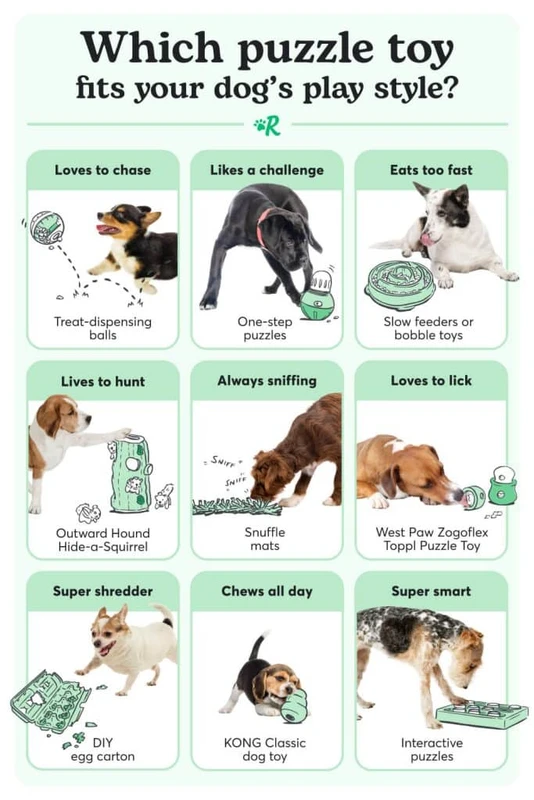
West Paw’s Toppl toy exemplifies a durable, multi-purpose design made from Zogoflex® material, combining safety and recyclability. The brand’s Join the Loop program enables customers to return used toys for recycling, reducing landfill waste and encouraging responsible consumption. Organic cotton rope dog toys and plush hemp dog bones offer chemical-free alternatives for gentle chewers and puppies, certified under GOTS or USDA organic standards to ensure sustainability and safety.
For cats, sisal and coconut fiber toys provide natural scratching options, promoting healthy claw maintenance without synthetic materials. These products are often packaged in FSC-certified materials, reflecting the comprehensive sustainability approach embraced by eco-friendly pet brands.
Guidance for Eco-Conscious Pet Toy Shopping
Selecting sustainable pet toys requires vigilance in evaluating materials and brand transparency. Pet owners should scrutinize product descriptions to confirm the absence of synthetic fibers and harmful chemical coatings. Prioritizing durability and multi-functionality—such as toys that serve both enrichment and dental health purposes—helps reduce waste by minimizing replacement frequency. Supporting brands with clear sustainability commitments, certification labels, and eco-friendly packaging ensures alignment with environmental and pet health goals.
Consumers are encouraged to avoid toys made with synthetic fibers or unverified materials that may contain phthalates, BPA, or other endocrine disruptors. Choosing certified products backed by USDA Organic, GOTS, or FSC labels enhances confidence in eco-friendly claims.
DIY Eco-Friendly Pet Toys and Enrichment Approaches
Homemade pet toys provide an effective route to sustainability, combining environmental benefits with personalized pet engagement. Upcycling household items such as old t-shirts, towels, and cardboard can create durable tug toys, puzzle feeders, and scratching surfaces without introducing new materials into the waste stream. These DIY solutions reduce reliance on commercial plastic toys and allow pet owners to tailor toys to their pet’s preferences and chewing habits.
Research indicates that pet engagement improves with varied textures and enrichment types, making DIY toys an excellent complement to purchased sustainable products. Moreover, DIY options empower pet owners to adopt zero-waste principles and foster deeper connections with their pets through hands-on involvement.
Integrating Sustainable Pet Toys into a Holistic Eco-Conscious Routine
Sustainable pet toys are part of a broader eco-conscious pet care strategy that includes grooming tools, bedding, and accessories made from natural or recycled materials. Choosing biodegradable grooming brushes, organic cotton beds, and recycled packaging for pet supplies contributes to cumulative reductions in environmental impact. Consistent use of certified, durable, and recyclable products enhances the longevity of pet care items and diminishes waste.
Small daily choices, such as opting for eco-friendly toys and accessories, collectively influence the pet industry’s environmental footprint. The growing market for sustainable pet products reflects shifting consumer values and promotes innovation in material science, certification rigor, and recycling infrastructure.
| Material | Key Properties | Common Uses in Pet Toys | Certifications/Programs |
|---|---|---|---|
| Hemp | Biodegradable, durable, pest-resistant, low water use | Tug toys, chew toys | USDA Organic, GOTS |
| Organic Cotton | Soft, chemical-free, biodegradable | Rope toys, plush toys | USDA Organic, GOTS |
| Recycled Rubber (Zogoflex®) | Durable, recyclable, BPA-free, phthalate-free | Chew toys, interactive toys | Join the Loop recycling program |
| Ocean Plastic | Reclaimed, reduces marine pollution, durable | Chew toys, balls | Brand-specific reclamation efforts |
| Sisal and Coconut Fiber | Renewable, biodegradable, natural texture | Cat scratching toys | Often FSC-certified packaging |
FAQ

What materials should I avoid in pet toys to ensure sustainability?
Pet owners should avoid synthetic fibers and plastic-based materials that are non-biodegradable and often contain harmful chemical coatings such as phthalates and BPA. These materials contribute to microplastic pollution and pose risks to pet health.
How do certifications like USDA Organic and GOTS affect pet toy safety?
USDA Organic and GOTS certifications verify that materials are grown and processed without harmful pesticides, synthetic chemicals, or genetically modified organisms. These certifications ensure non-toxic, environmentally responsible products that are safer for pets.
Are recycled rubber toys as safe and durable as natural fiber toys?
Yes, recycled rubber toys made from materials like Zogoflex® are designed to be non-toxic, BPA-free, and phthalate-free while offering high durability. Additionally, they support recycling programs that reduce environmental waste, making them a sustainable choice alongside natural fibers.
Can DIY pet toys be as effective and safe as commercial sustainable toys?
DIY pet toys made from clean, natural household items can be safe and engaging if constructed properly without small parts or toxic materials. They provide environmental benefits by reducing waste and can be tailored to a pet’s preferences, but owners should monitor wear and safety closely.
How does buying sustainable pet toys impact the environment long term?
Purchasing sustainable pet toys reduces plastic waste, lowers carbon footprints associated with production, and minimizes landfill contributions. Durable toys decrease replacement frequency, further reducing resource consumption and environmental pollution over time.
Sustainable pet toys crafted from hemp, organic cotton, recycled rubber, and reclaimed ocean plastics represent a vital shift toward environmentally responsible pet care. By selecting certified, durable, and non-toxic toys, eco-conscious pet owners can safeguard pet health, reduce ecological impact, and foster a more sustainable future for the pet industry. Adopting these choices alongside DIY enrichment and sustainable grooming practices enables a comprehensive approach to eco-friendly pet lifestyles that benefits animals and the planet alike.