

Sustainable Pet Care: How to Avoid Greenwashing in 2026
PawVerde.com – Owners are increasingly adopting eco-friendly practices to reduce their pets’ carbon pawprints. According to Caring Hands Animal Hospital, this includes reducing plastic waste, utilizing insect-based proteins, and using biodegradable grooming products to protect local ecosystems.
The global pet industry produces millions of tons of plastic waste, packaging, and carbon emissions every year.
The Greenwashing Audit: How to Verify Sustainable Pet Claims
To avoid greenwashing, look past marketing buzzwords like ‘high meat content’ or ‘cold-pressed’ and verify if a brand is ‘complete and balanced’ according to AAFCO standards. Check for specific ethical certifications and prioritize brands using locally sourced, organic, or insect-based proteins rather than vague ‘natural’ claims.
The Buzzword Trap
Kismet notes that marketing terms such as “high meat content,” “organic,” or “cold-pressed” do not guarantee balanced nutrition. Relying on these terms can lead to a nutritional failure mode where a pet receives adequate calories but lacks essential micronutrients. A common mistake is assuming a “natural” label equates to environmental stewardship, when true sustainability requires looking for specific, verifiable sourcing data.
The AAFCO Gold Standard
Nutritional safety must remain the priority during any dietary shift. Rather than chasing vague adjectives, owners should verify that a product is “complete and balanced” according to AAFCO standards. This ensures the food meets the specific physiological requirements of the animal, preventing long-term health complications caused by nutrient deficiencies.
Sustainability vs. Medical Necessity: A Decision Matrix
Environmental goals must be weighed against clinical needs. While insect-based proteins offer a lower carbon footprint, they may not be suitable for animals with specific medical histories or allergies.
| Criterion | Conventional Approach | Sustainable Approach |
|---|---|---|
| Protein Source | Heavily processed livestock meats | Locally sourced, organic, or insect-based |
| Packaging | Non-recyclable plastics | Recyclable or compostable materials |
| Litter Type | Clay-based (mining waste) | Natural, flushable (wheat or corn) |
Data from Sam’s Cats and Dogs highlights that sustainable pet food can lower carbon emissions by reducing dependence on intensive livestock farming. However, medical necessity must take precedence in specific cases.
When to Prioritize Eco-Proteins
To lower a pet’s carbon footprint, owners can switch to insect-based proteins or locally sourced organic ingredients. These options reduce the land and water usage required by traditional meat production.
When to Prioritize Prescription Diets
Clinical diets for kidney or gastrointestinal issues are non-negotiable. In these instances, the nutritional stability required for the animal’s survival outweighs the environmental benefits of a sustainable alternative.
The Zero-Waste Pet Wellness Roadmap
Implement a zero-waste roadmap by starting with low-effort changes like switching to bamboo brushes and biodegradable poop bags. Advance to higher-impact actions such as sourcing local insect-based proteins, using natural wheat or corn-based litters, and making homemade treats in reusable containers to eliminate single-use packaging.
Tier 1: Low-Effort Swaps
- Switch to bamboo brushes for grooming instead of plastic alternatives.
- Use biodegradable poop bags instead of standard plastic ones.
- Select natural, flushable litters made from wheat or corn to reduce mining waste.
Tier 2: Advanced Waste Management
For a more significant impact, Sam’s Cats and Dogs suggests sourcing brands like Jiminy’s or Open Farm that prioritize sustainable ingredient chains. Additionally, making homemade treats and storing them in reusable, resealable containers avoids the waste associated with single-use packaging and unsustainable ingredients like palm oil.
Managing the Transition: Nutritional Safety and Digestive Health
Switching food too quickly can lead to digestive issues. Bowlers Dog Food reports that sudden changes can cause symptoms such as loose stools, gas, and refusal to eat.
Shortcut: Use the Gradual Dog Food Transition Schedule:
Days 1-2: 75% old food, 25% new food; Days 3-4: 50% old food, 50% new food; Days 5-6: 25% old food, 75% new food; Days 7-10: 100% new food.
Maintaining a strict feeding schedule is also vital. Conbun notes that free-feeding—leaving food out at all times—can mask changes in appetite and encourages overeating, which leads to obesity. Furthermore, treats should not exceed 10% of a pet’s total daily calories to maintain weight stability.
The Science of Biodegradability in Pet Product Materials
Material choice impacts environmental longevity. While some bio-based PET materials use at least 30% renewable resources, they do not degrade naturally like other bioplastics.
Research indicates that 5% of global CO2 and carbon emissions are comprised by producing new plastics. In contrast, materials like PHA can degrade in industrial conditions within 3 months, and may decompose naturally in marine environments in just 1 to 2 years. Currently, only 9% to 16% of all plastics are recycled, making the choice of degradable materials critical.
Environmental Risks: From Topical Treatments to Invasive Species
Pet care routines can impact local wildlife and ecosystems. Specific precautions are necessary to prevent contamination.
- Aquatic Ecosystem Protection: Topical flea treatments are essentially pesticides. These can leach into the water and cause harm to aquatic wildlife if a pet swims shortly after application.
- Preventing Invasive Species: The release or escape of exotic pets is a major cause of the spread of invasive species in the United States.
The Global Landscape of Veterinary Biotechnology
The biotechnology sector is expanding rapidly to address complex animal health needs. Boehringer Ingelheim, which serves 130 markets and employs 54,300 people, continues to expand its pipeline through strategic acquisitions, such as the acquisition of Evax AG. This growth in biotechnology reflects the deep connection between human and animal health.
FAQ
How long should it take to switch my dog’s food?
A gradual transition should take between 7-10 days to prevent digestive issues like loose stools or gas.
Are ‘natural’ pet foods always better for the environment?
Not necessarily; ‘natural’ is a marketing term. True sustainability involves looking for ethically sourced, organic, or insect-based proteins and recyclable packaging.
Can pet flea treatments affect the environment?
Yes, topical flea treatments are essentially pesticides that can leach into water and harm aquatic wildlife if the pet swims shortly after application.

How to Read Pet Supplement Labels for Safe, Effective Choices
PawVerde.com – Pet owners increasingly turn to supplements to enhance their pets’ health, but the complexity of pet supplement labels demands careful scrutiny to ensure safety, efficacy, and regulatory compliance. Evaluating these labels requires understanding legal requirements, ingredient transparency, third-party certifications, and the risks of artificial additives or unsubstantiated claims. This article dissects critical elements of pet supplement labels, offering pet owners and veterinarians a detailed framework for informed selection grounded in current regulatory frameworks and nutritional science.
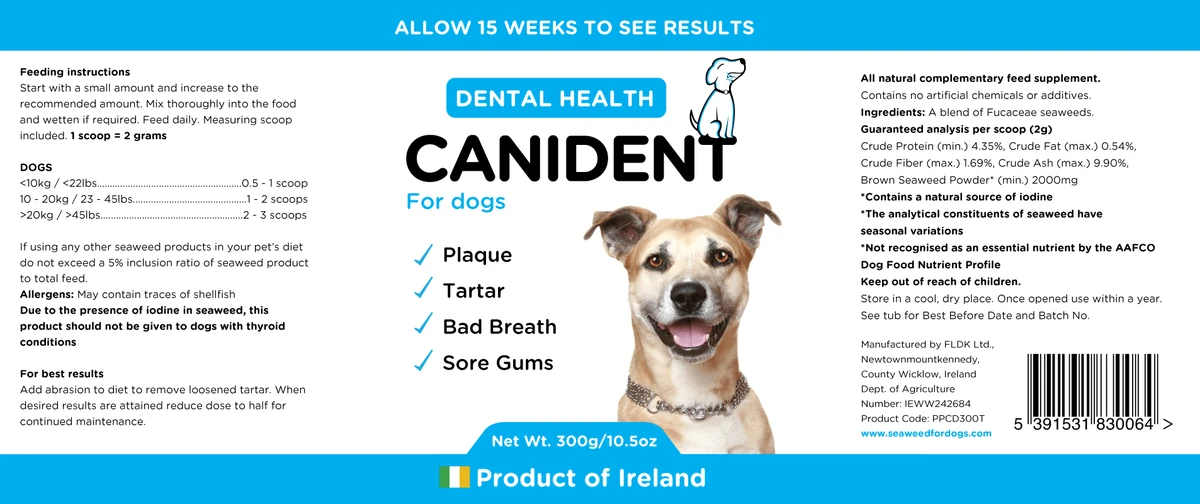
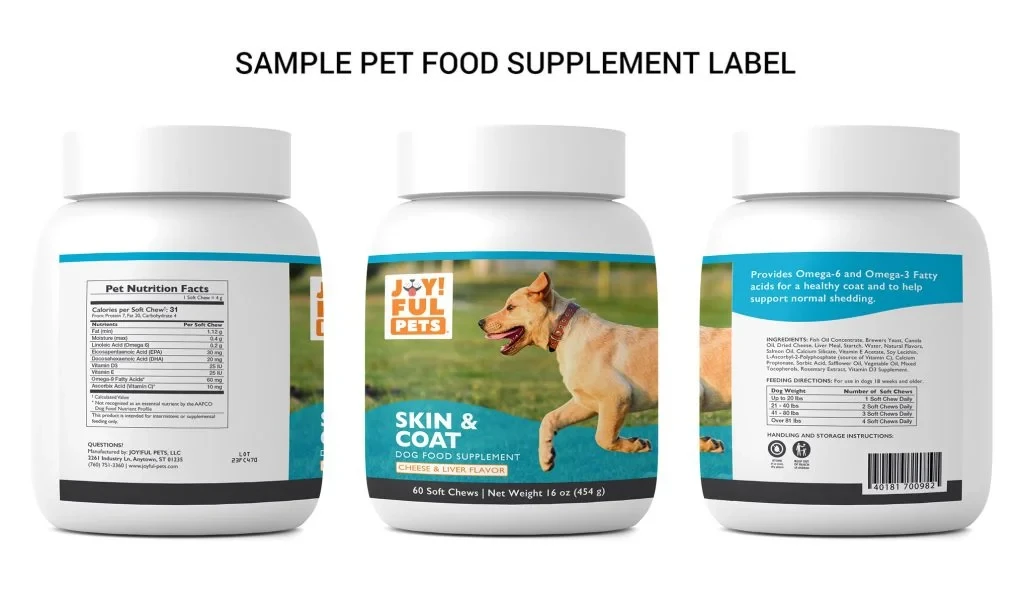
Pet supplement labels must provide clear ingredient listings in descending order by weight, net product weight, and manufacturer contact information, reflecting FDA and AAFCO regulations. These labels cannot legally claim to treat, cure, or prevent diseases without FDA drug approval, a restriction that protects consumers from misleading marketing. Instead, labels should focus on guaranteed analysis and nutrient content, aligned with NASC’s voluntary certification standards, which enhance credibility through third-party testing. Understanding these legal boundaries is essential for pet owners seeking safe, effective supplements.
Legal and Regulatory Labeling Requirements for Pet Supplements
The FDA regulates pet supplements under the broader category of animal dietary supplements, with labeling standards designed to ensure transparency and consumer protection. Ingredient lists must use approved common or usual names and present components in descending order by weight, facilitating assessment of a product’s primary constituents. Net weight declarations enable dosage accuracy, while manufacturer or distributor contact information is mandatory for consumer inquiries and traceability.
Unlike drugs, pet supplements are prohibited from making claims to treat or prevent diseases. Any such claims require the product to undergo FDA drug approval, a rigorous process that most supplements do not meet. Instead, disclaimers acknowledging the product’s status as a supplement rather than a medication are required. The Association of American Feed Control Officials (AAFCO) also provides guidance on labeling to promote consistency across states, although enforcement varies regionally.
Key Label Components to Evaluate
Pet owners should scrutinize the ingredient list for transparency and bioavailability. Ingredients listed by their common names, such as “glucosamine hydrochloride” or “fish oil (source of omega-3 fatty acids),” provide clarity on what the product contains and its potential nutritional value. Proprietary blends, which aggregate ingredients without specifying individual amounts, obscure dosage information and complicate safety assessments.
Guaranteed Analysis sections reveal minimum or maximum nutrient levels, such as crude protein, fat, fiber, and moisture, alongside specific vitamins and minerals. This data helps gauge whether a supplement can meet a pet’s dietary requirements. Feeding directions and dosage instructions must be precise and tailored to pet size and health status to avoid under- or overdosing, which can cause adverse effects.
Third-party testing certifications from organizations such as the National Animal Supplement Council (NASC), ConsumerLab, or NSF International provide an added layer of quality assurance. NASC-certified products undergo audits focusing on manufacturing practices, ingredient verification, and label accuracy. ConsumerLab and NSF test for purity, potency, and contaminants, offering independent validation that manufacturers’ claims are credible.
Ingredients to Seek in Pet Supplements
Functional ingredients with scientifically substantiated benefits should be prioritized. Glucosamine and chondroitin are widely recognized for joint health, supporting cartilage repair and reducing inflammation in conditions like osteoarthritis. Omega-3 fatty acids from fish oil play a crucial role in cardiovascular, cognitive, and skin health, with EPA and DHA being particularly bioavailable forms.
Trace minerals such as zinc and selenium, along with antioxidant vitamins like vitamin E, contribute to immune function and cellular protection. Whole food ingredients, including fruits, vegetables, and whole grains, provide additional fiber, phytonutrients, and natural antioxidants, enhancing overall nutrition and palatability.
Conversely, pet owners should avoid supplements containing artificial colors, flavors, preservatives, or harmful sweeteners like xylitol, which is toxic to dogs. Non-GRAS (Generally Recognized As Safe) substances or unspecified proprietary blends pose risks due to unknown ingredient quality and dosage, potentially leading to adverse reactions or ineffective supplementation.
Common Labeling Pitfalls and How to Avoid Them
Vague ingredient names such as “meat meal” or “animal digest” lack specificity about source and quality, making it difficult to assess nutritional value or allergen risks. Labels that feature unsubstantiated health claims like “heals gut inflammation” or “cures arthritis” without scientific backing and FDA approval are misleading and illegal.
Missing mandatory fields, including net weight or manufacturer contact information, undermine transparency and consumer confidence. Proprietary blends that do not disclose ingredient quantities prevent accurate risk-benefit evaluations, especially when multiple active components interact.
Poor label design, such as small fonts, cluttered layouts, or inconsistent terminology, hinders readability and may conceal important information. Pet owners should seek products with clear, legible labels that facilitate informed decision-making.
Role of Veterinarians in Supplement Selection
Veterinary professionals play a critical role in guiding supplement choices tailored to individual pet needs. They evaluate the pet’s health status, existing diet, and potential interactions with medications before recommending supplements. Therapeutic diets and veterinary-prescribed supplements often have more stringent formulations and controlled dosages, ensuring both safety and efficacy.
Veterinarians also help interpret complex label information, identifying credible products and warning against harmful additives or exaggerated claims. Their recommendations are grounded in clinical evidence, regulatory compliance, and nutritional science, reducing trial-and-error risks for pet owners.
Third-Party Testing and Quality Assurance
Independent laboratory testing verifies that pet supplements meet label claims for ingredient identity, potency, and purity. Such testing detects contaminants like heavy metals, pesticides, or microbial pathogens that compromise safety. Certifications from NASC, ConsumerLab, and NSF International signify adherence to Good Manufacturing Practices (GMP), ingredient traceability, and batch consistency.
Labels displaying third-party seals allow pet owners to distinguish reputable products in a crowded marketplace. Transparency about testing protocols and results further builds consumer trust, supporting both regulatory compliance and ethical marketing.
| Certification Body | Focus Area | Key Benefits for Pet Owners |
|---|---|---|
| NASC | Manufacturing audits, ingredient verification, label accuracy | Ensures product quality and regulatory compliance |
| ConsumerLab | Independent ingredient testing, potency, contaminants | Confirms purity and actual ingredient content |
| NSF International | GMP certification, ingredient safety, contaminant screening | Guarantees manufacturing standards and product safety |
Forward-Looking Insights on Pet Supplement Labeling
As pet nutrition science advances and consumer demand grows for transparency, regulatory agencies and industry groups are expected to tighten labeling standards. Emerging frameworks may mandate digital traceability, ingredient source disclosures, and more rigorous claims substantiation. Integration of blockchain technology for supply chain verification is under exploration, promising enhanced trust and accountability.
Artificial intelligence tools are increasingly used to scan and verify label compliance, helping retailers and consumers identify high-quality products rapidly. Pet owners should stay informed about evolving regulations, emerging ingredient research, and veterinary recommendations to adapt supplementation practices accordingly.
FAQ
What are the most important elements to check on a pet supplement label?
Look for a complete and transparent ingredient list in descending order by weight, net product weight, manufacturer contact information, feeding directions with dosage instructions, third-party testing certifications such as NASC, and avoid unapproved disease treatment claims.
Can pet supplements legally claim to cure or prevent diseases?
No. Supplements cannot make claims to treat, cure, or prevent diseases without FDA approval as drugs. Such claims are illegal and indicate a product is misbranded.
Why is third-party testing important for pet supplements?
Third-party testing by independent organizations verifies ingredient identity, potency, and purity, ensuring the product matches label claims and is free from harmful contaminants, thereby enhancing safety and efficacy.
What ingredients should pet owners avoid in supplements?
Avoid artificial additives such as colors, flavors, preservatives, harmful sweeteners like xylitol, non-GRAS substances, and unspecified proprietary blends that obscure ingredient doses and quality.
How can veterinarians assist in choosing pet supplements?
Veterinarians assess the pet’s health, diet, and medications to recommend appropriate supplements, interpret label information, and prevent adverse interactions, ensuring safe and effective supplementation tailored to the pet’s needs.
—
Pet supplement labels convey critical information that can safeguard pets from ineffective or unsafe products. By understanding regulatory requirements, ingredient transparency, third-party certifications, and the risks of artificial additives, pet owners can make confident, informed choices. Partnering with veterinarians further elevates supplement safety and efficacy, supporting optimal pet health outcomes in an increasingly complex market.